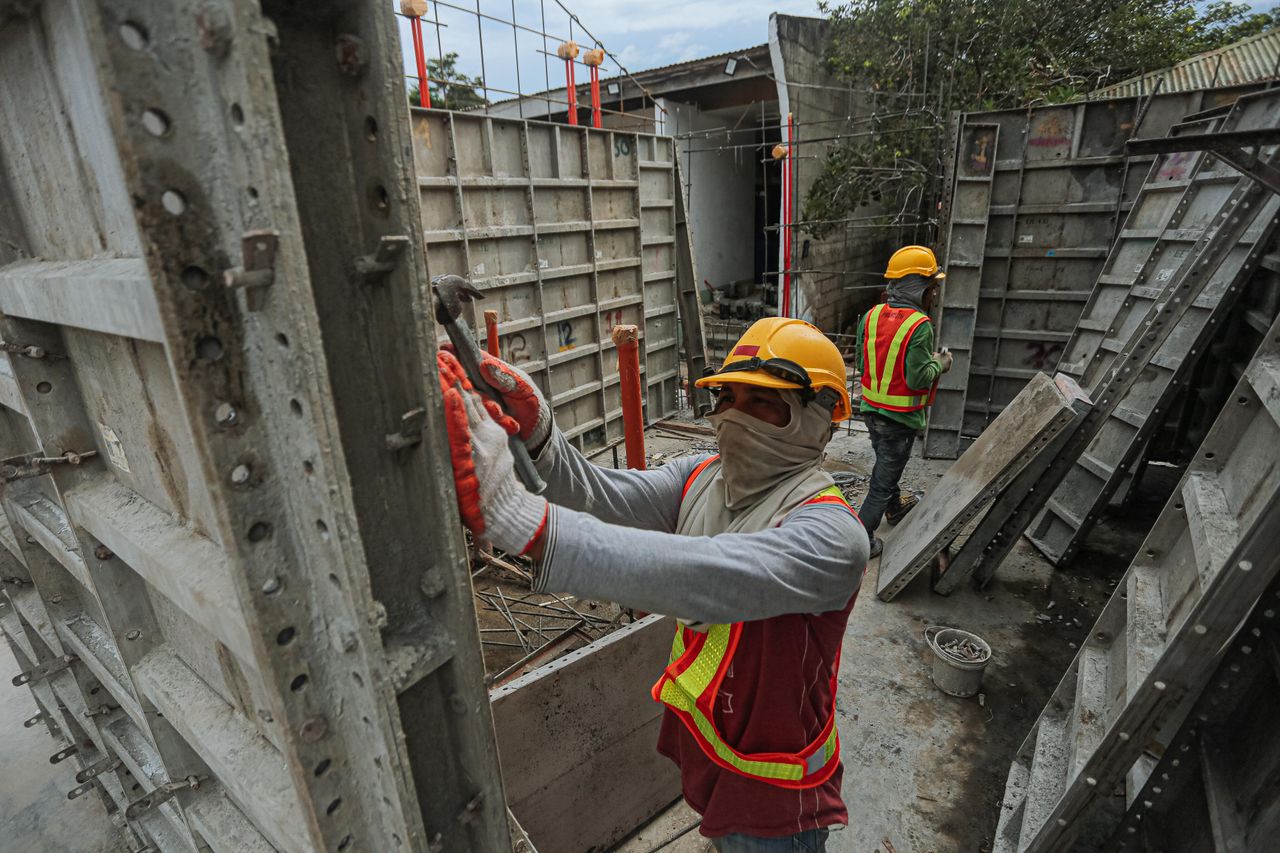
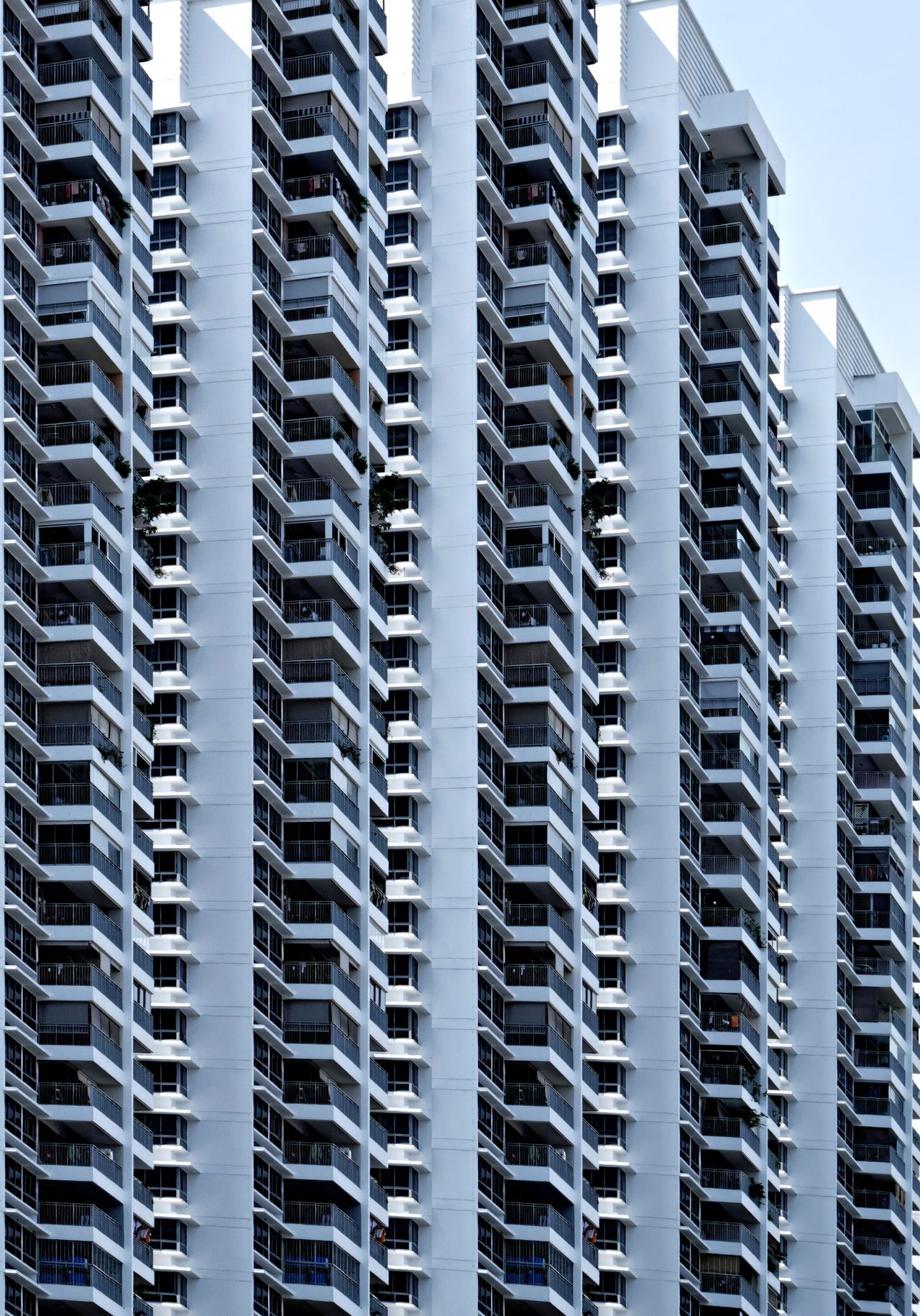
The Bombay High Court has instructed the civic body, police, and district officials to monitor construction sites in Mumbai on a continuous basis in relation to noise pollution as it is imperative that the construction firms follow the noise pollution norms.
A division bench of Chief Justice MC Tripathi and Justice Advait Sethna passed the order while hearing a petition filed by Ashok Pathare, a resident of Shreyas Apartment, Mogul Lane, Mahim (West), in relation to construction work being carried out by Yashodhan Tower LLP in an adjacent plot.
According to the order, the authorities cannot confine their activities to just one building or a particular complaint; rather, they have to carry out inspections in various parts of Mumbai so that the construction work does not create any trouble for the residents.
Excessive Construction Noise Crosses 100 Decibels
The petition made it clear that the main issue of concern was the noise level created by construction activity at the neighboring site. The demolition of the building was completed in February 2026, and piling of construction activities commenced on July 24.
According to the police panchnama readings, on September 15, noise level at the site crossed 100 decibels. As a result, the Brihanmumbai Municipal Corporation (BMC) issued a stop-work notice on September 22. But the stop-work notice was withdrawn on October 1 due to air pollution-related reasons.
On October 30, the BMC issued another stop-work notice. During the court hearing, the counsel for the petitioner informed the court that no construction work had been carried out after the stop-work notice was issued.
It was informed by the state government before the court that the show-cause notice had been issued by the police to the developer. A caution notice was issued to the developer by the MPCB.
But the bench made it very clear that issuance of notices was not enough. The authorities should see that proper implementation of Noise Pollution Rules is done.
Compliance Undertakings to Be Given by Developers
The High Court instructed that construction activity should not be allowed until developers provide an undertaking in the form of an affidavit that they will adhere to the guidelines for noise pollution and will not contribute to air pollution.
It was made clear that the order is not a blanket ban on construction activity in the city of Mumbai. Construction activities may take place provided that the noise pollution level remains within the permissible limit.
According to the Chief Justice, if there is a rise in the noise level above the permissible limit in any part of Mumbai, construction work needs to be stopped.
The Court further directed the concerned officials to monitor the construction activities in different zones. It was made known that officials would be liable if the noise levels remained high during their next inspection.
Court to Conduct Compliance Audit Every Three Weeks
It has been decided by the High Court that the compliance audit of its directions will take place every three weeks. It has been stated very clearly by the High Court that the task of conducting noise checks during the process of construction will have to be carried out by civic and governmental authorities.
In the course of the hearing, senior counsel Anil Sakhare for the developer made it known to the court that the redevelopment was being conducted as a self-redevelopment project. He went on to inform the court that there were fourteen other ongoing construction projects within two hundred metres of the location.
Implications for Mumbai’s Construction Industry
There is a higher level of responsibility placed by the orders of the High Court on the developers to control noise levels while constructing and following the environmental norms. Projects that include demolition, piling and other such activities generating more noise will be required to monitor and take appropriate actions to ensure that excessive noise is not generated.
The order has also highlighted the duty of the civic body to conduct inspections instead of waiting for complaints and notices. Noise pollution control requirements will be a crucial factor for the construction industry in Mumbai.