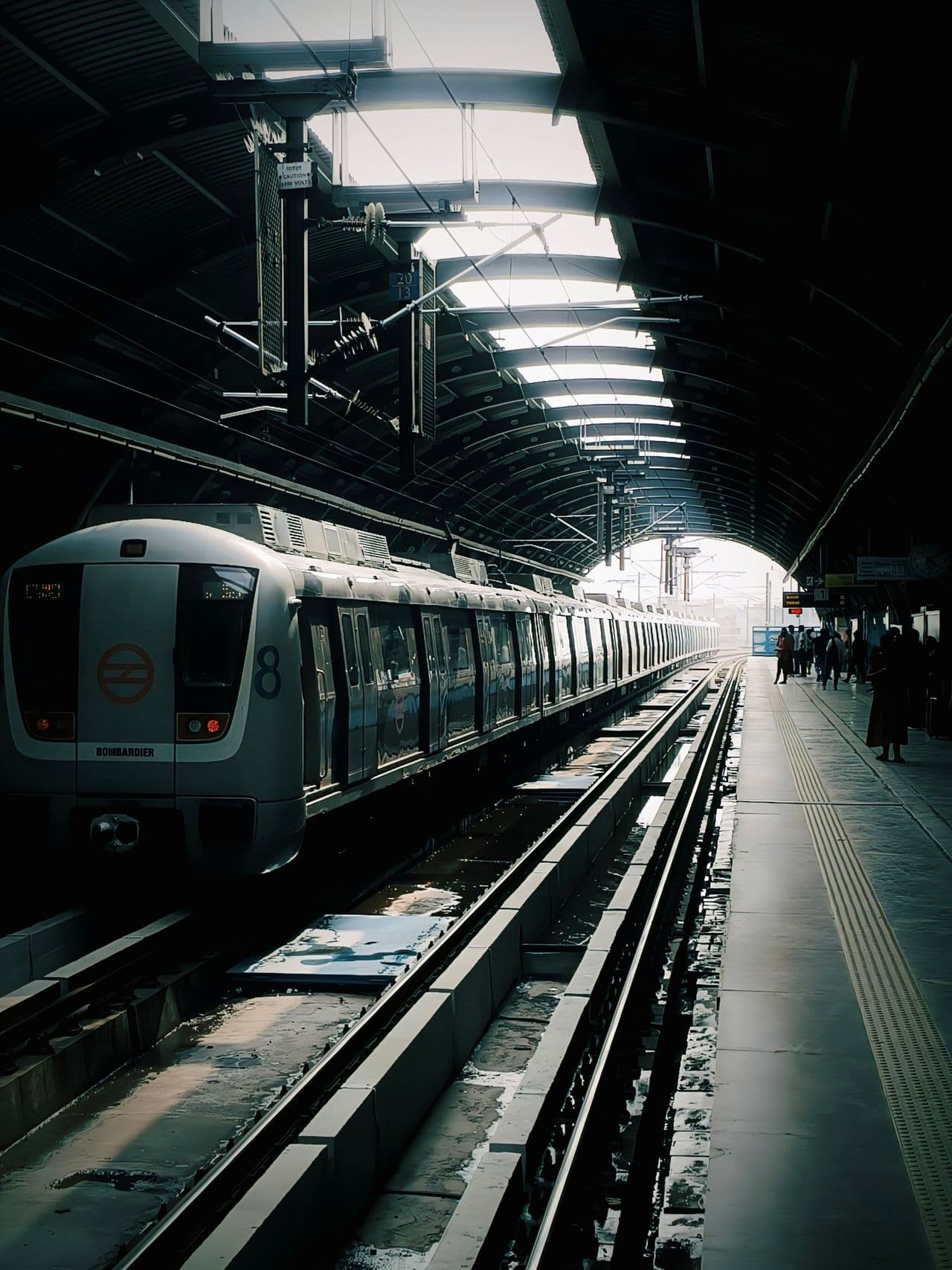
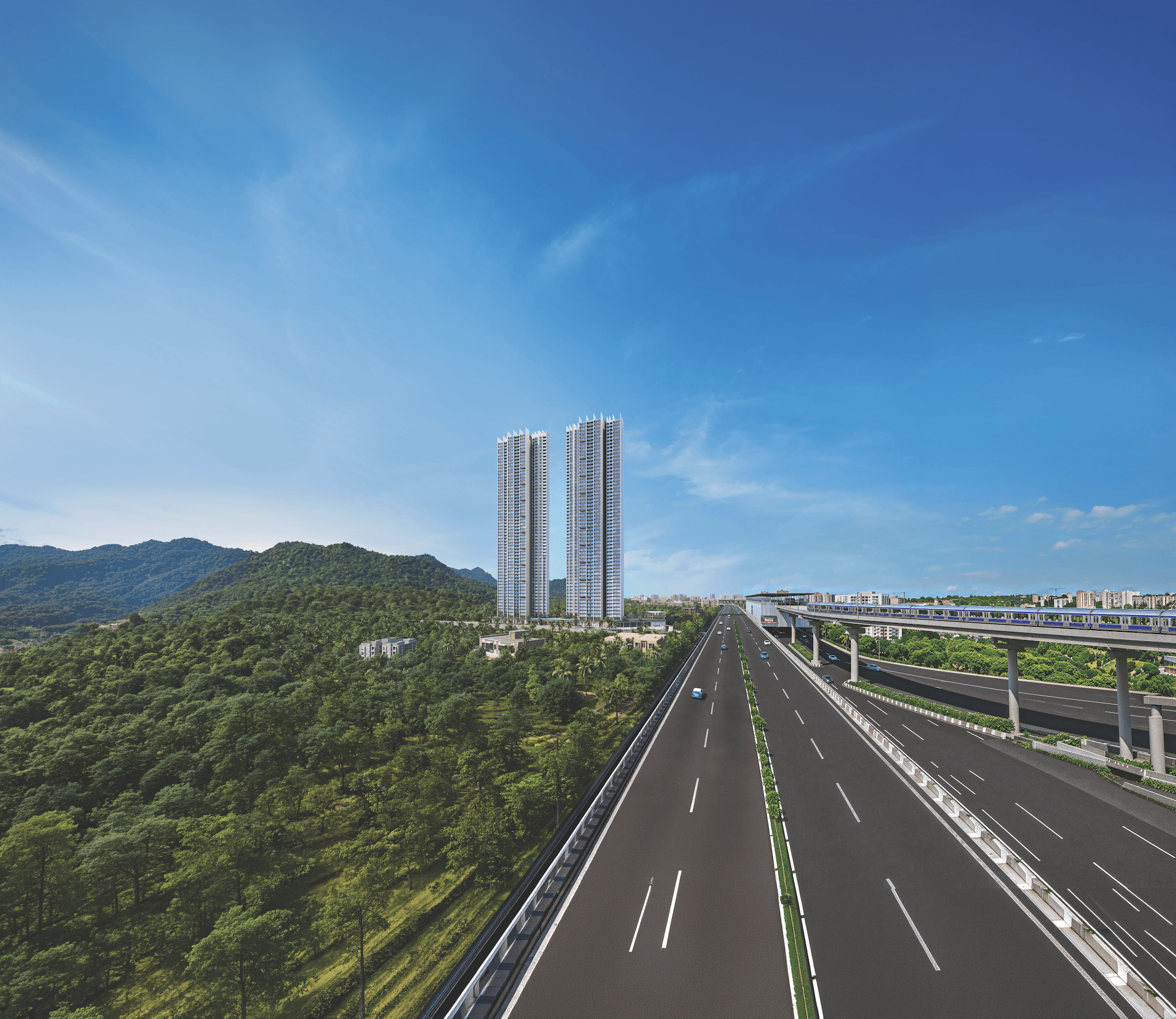
The proposed expansion of the Delhi Metro network under Phase V(B) is expected to improve connectivity across Delhi and the National Capital Region (NCR), with eight new corridors planned to connect residential areas, commercial centres, transport hubs and emerging urban locations. One of the key proposals is a Metro link between Yashobhoomi in Dwarka and Rajiv Chowk in Gurugram, which could provide a direct public transport connection between the two locations.
According to an RTI reply accessed by PTI, the Yashobhoomi Dwarka Sector 25–Rajiv Chowk (Gurugram) corridor is among eight routes submitted for approval under Phase V(B). While seven corridors have received approval from the Delhi government and are awaiting clearance from the Centre, the Yashobhoomi–Gurugram corridor remains under the approval process.
The seven approved corridors will collectively cover around 65 stations, extending Metro connectivity to several outer and densely populated areas of Delhi. The proposed routes include Dhaunsa Bus Stand (Najafgarh)–Nangloi, Central Secretariat–Kishangarh, Samaypur Badli–Narela DDA Sports Complex, Kirti Nagar–Palam, Jor Bagh–Mithapur, Mayur Vihar Phase III–Shastri Park and Keshav Puram–Rohini Sector 34.
Among these, the 11.9-km Dhaunsa Bus Stand–Nangloi corridor will have nine elevated stations. It is expected to connect residents of Naresh Park Extension, Ranhola, Bakkarwala, Baprola, Dichaon Kalan and Najafgarh Extension with the Metro network. Interchange facilities are proposed at Nangloi and Dhansa Bus Stand.
The 15.9-km Central Secretariat–Kishangarh corridor will improve connectivity to New Moti Bagh, RK Puram sectors 1 and 7, Jawaharlal Nehru University and the Prime Ministers' Museum. The corridor will have 10 stations, including nine underground stations, with interchange facilities at Central Secretariat, Moti Bagh, RK Puram and Kishangarh.
The Samaypur Badli–Narela corridor, covering 12.9 km, will extend the existing Yellow Line towards Narela through eight elevated stations. Similarly, the 9.9-km Kirti Nagar–Palam corridor will extend the Green Line with six stations, including five underground stations, improving access for residents along the route.
The proposed Jor Bagh–Mithapur corridor will extend nearly 17 km and include 12 stations, of which seven will be underground. The 13.2-km Mayur Vihar Phase III–Shastri Park corridor will have eight stations, including an underground stretch of approximately 9 km. Meanwhile, the 16.3-km Keshav Puram–Rohini Sector 34 corridor will have 12 elevated stations, extending Metro connectivity towards Rohini.
Progress of Existing Metro Expansion Projects
Alongside the proposed Phase V(B) expansion, work on several corridors under earlier phases is progressing. Under Phase V(A), construction of the RK Ashram Marg–Indraprastha (Central Vista) corridor is underway. The Aerocity–IGD Airport Terminal 1 and Tughlakabad–Kalindi Kunj corridors are at the tendering stage, with September 2029 set as the targeted completion deadline in stages.
Under Phase IV, the remaining sections of the RK Ashram Marg–Janakpuri West corridor and the Aerocity–Tughlakabad corridor are targeted for completion by December 2027.
The Lajpat Nagar–Saket G Block and Inderlok–Indraprastha corridors are under construction, with a December 2030 completion target. The Rithala–Kundli corridor, currently at the tendering stage, is also scheduled for completion by December 2030.
Industry Experts Opinions

Robin Mangla, President, M3M India, said, “Connectivity remains a critical determinant of a real estate market’s long-term growth and investment potential. The proposed Yashobhoomi–Gurugram Metro corridor is poised to strengthen Gurugram’s connectivity with Delhi and key business districts, further enhancing the appeal of its residential catchments. For a market witnessing growing traction in premium and luxury housing, infrastructure development of this scale adds another layer of value by improving accessibility, strengthening location advantages and supporting the evolution of high-quality residential destinations. Such initiatives will play an important role in shaping Gurugram’s next phase of real estate growth, particularly across premium residential micro-markets.”

Santosh Agarwal, Executive Director & CFO, Alpha Corp Development Limited, said, “Infrastructure investment plays a defining role in determining the growth trajectory of a city's real estate market. The proposed Yashobhoomi–Rajiv Chowk Metro corridor is a significant step towards strengthening the transport network between Dwarka and Gurugram, with the potential to improve accessibility across key residential and commercial hubs. For developers, such infrastructure initiatives reinforce the importance of investing in strategically located residential markets with strong connectivity and established social infrastructure . For an established micro-market like Sector 15, improved connectivity can further build on its existing locational strengths, enhancing its attractiveness for homebuyers and reinforcing its position within Gurugram’s residential landscape.”

Ashish Tandon, Chief Business Officer, Origen Realty, said, "The proposed Yashobhoomi–Rajiv Chowk Metro corridor is a significant infrastructure development that could strengthen the connectivity between Gurugram and key destinations in Delhi. For the Dwarka Expressway micro-market, improved integration with the wider public transport network can further strengthen its position as a well-connected residential destination. With its strategic location linking Delhi and Gurugram, the corridor has been witnessing growing infrastructure development and residential activity. Improved urban mobility, coupled with planned infrastructure investments, will be important in supporting the region’s next phase of real estate growth and enhancing its attractiveness for homebuyers."
The proposed Delhi Metro Phase V(B) expansion, along with ongoing projects under earlier phases, is expected to strengthen connectivity across Delhi-NCR by linking residential areas, commercial centres, transport hubs and emerging urban locations. The proposed Yashobhoomi–Gurugram corridor could further improve access between Dwarka and Gurugram, supporting commuter movement and regional connectivity. Once approved and implemented, these corridors are expected to improve public transport access and support the region's growing infrastructure and urban development needs.