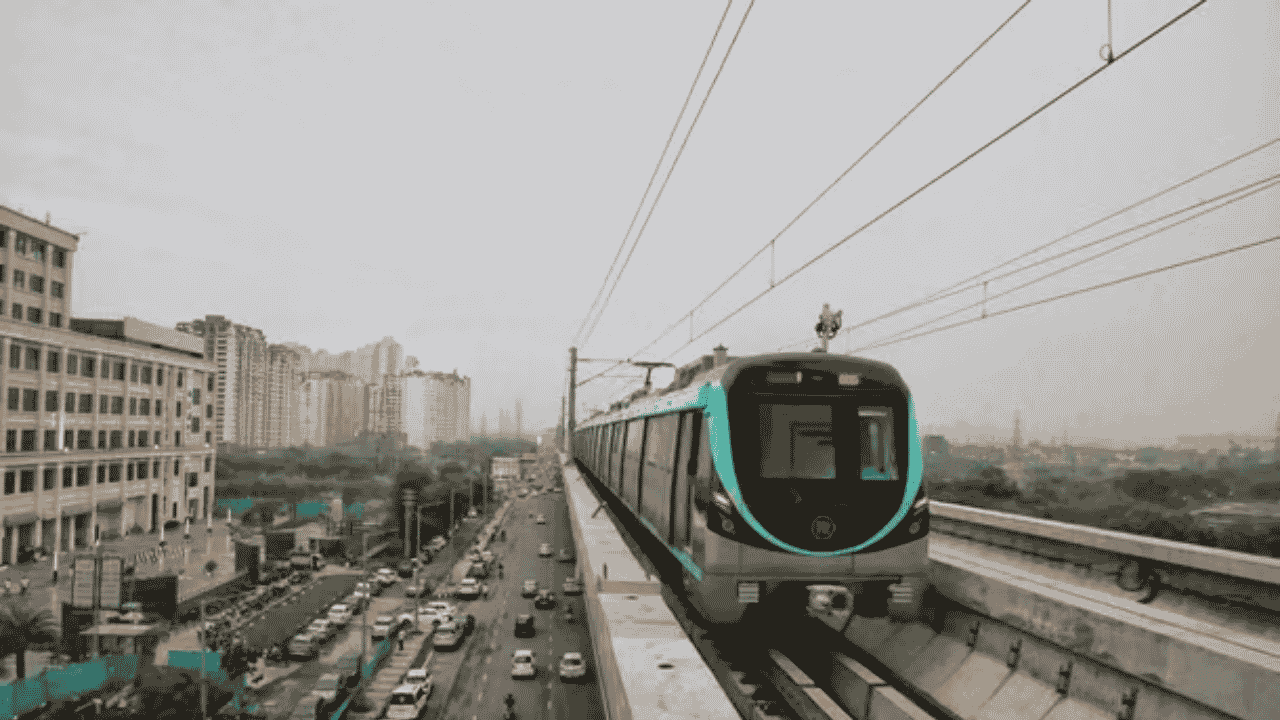
The Cabinet approval for the proposed extension of Noida Metro’s Aqua Line is being seen as a significant infrastructure development for Greater Noida West, with real estate developers expecting improved connectivity to further strengthen the region’s residential growth story. The 8.4-km corridor, proposed with five stations and an interchange with the Blue Line at Sector 61, is expected to improve access between Greater Noida West, Noida and the wider Delhi-NCR.
For a region that has witnessed rapid residential development and a steady rise in population, better public transport connectivity could prove to be an important addition to its evolving infrastructure. Greater Noida West has emerged as a prominent housing market, and the proposed metro corridor is expected to make daily travel easier for residents commuting to offices and other key destinations.

Amit Modi, Director, County Group, said,
“The extension of Noida Metro’s Aqua Line has the potential to give a new direction to infrastructure and real estate development across the region. Residents of Greater Noida West and the surrounding sectors are expected to benefit from improved commuting options. At present, many people depend on private vehicles for travelling to offices and other destinations, and the metro could help reduce this dependence. Better connectivity can also support demand for residential projects and strengthen investor confidence in the region.”
Improved connectivity has increasingly become an important factor for homebuyers while evaluating residential locations. Along with the project and its amenities, buyers are now looking closely at how easily a neighbourhood connects with workplaces, schools, healthcare facilities and other everyday destinations.

Sanjay Sharma, Director, SKA Group, said,
“The extension of Noida Metro’s Aqua Line will be an important development for the real estate sector in Greater Noida West. The region has witnessed rapid residential development and is now home to a growing population. Better metro connectivity will make daily travel more convenient for people commuting to offices and other important destinations. This is expected to strengthen housing demand in Greater Noida West and provide further momentum to its real estate market. Improved connectivity will also make the region more attractive from both a residential and investment perspective.”
The proposed metro link could also support Greater Noida West’s transition into a more closely integrated part of the larger Noida urban ecosystem. With residential development continuing across the region and commercial and social infrastructure expanding, stronger public transport can help improve the connection between housing clusters and employment hubs.

Yash Miglani, Managing Director, Migsun Group, said,
“Metro infrastructure plays an important role in shaping the future of growing cities. The proposed extension will strengthen the mobility network between Noida and Greater Noida West and improve access between residential areas and key business destinations. As connectivity improves, it supports more balanced urban development and makes locations increasingly attractive for residents and businesses. For a region witnessing continuous expansion, investments in efficient public transport create a strong foundation for sustainable growth in the years ahead.”
The benefits of improved mobility are also expected to extend to the commercial real estate ecosystem. Better connections between residential catchments and business districts can make workplaces more accessible to employees while supporting the growth of organised commercial activity.

Raj Kumar Sisodia, COO, Biigtech, said,
“The proposed metro connectivity for Greater Noida West is a positive step towards strengthening the overall connectivity framework of the Noida–Greater Noida region. As infrastructure networks expand and different growth corridors become better integrated, the benefits extend beyond a single micro-market by improving regional accessibility and mobility. For emerging destinations across Greater Noida and towards Yamuna Expressway, stronger connectivity within the larger urban ecosystem can further support business activity, workforce movement and the growth of organised commercial developments. Such infrastructure initiatives also reinforce the region’s long-term potential as an integrated economic hub.”
For Greater Noida West, the proposed metro corridor represents more than an improvement in public transport. It could become an important part of the infrastructure, supporting the region’s next phase of real estate development. With improved access to Noida and the wider Delhi-NCR network, developers believe stronger connectivity can further enhance Greater Noida West’s appeal among homebuyers, investors and businesses alike.