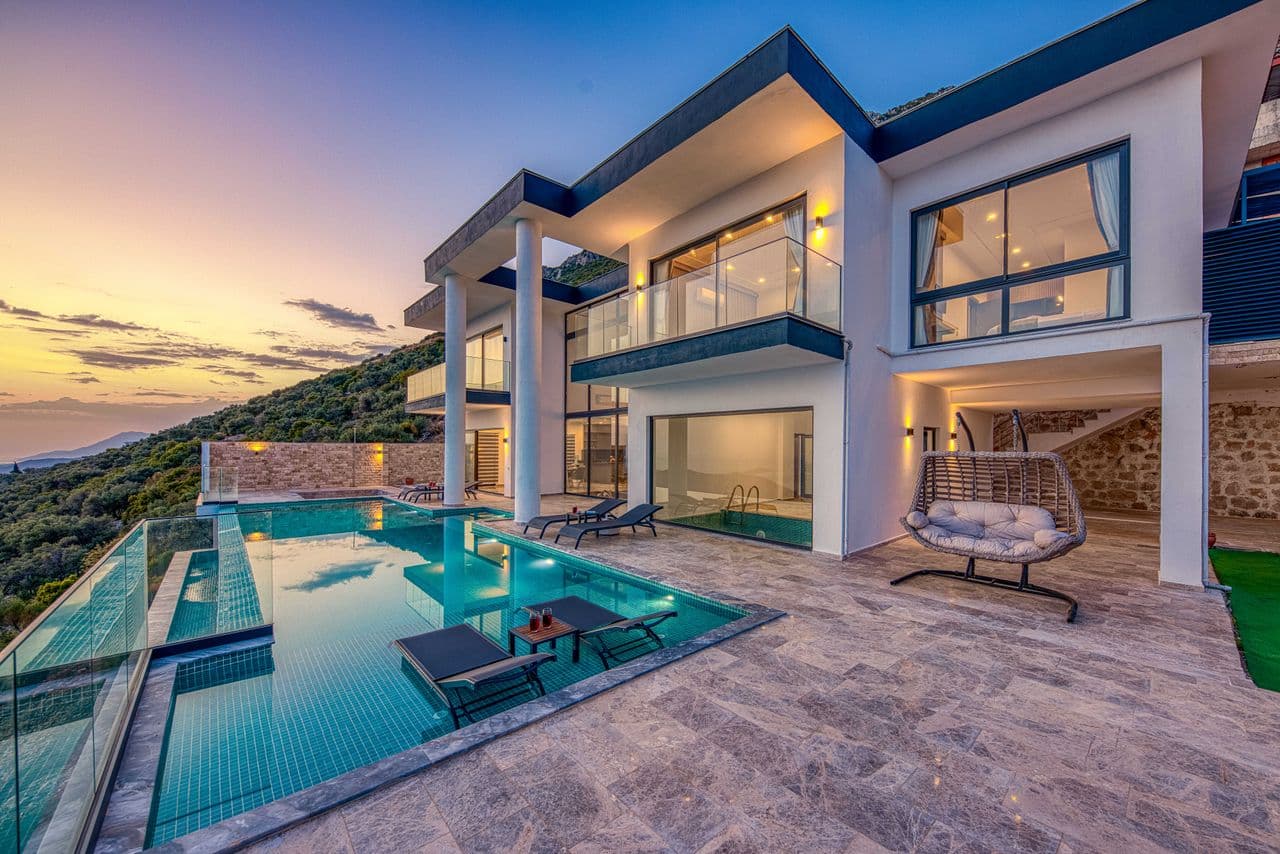
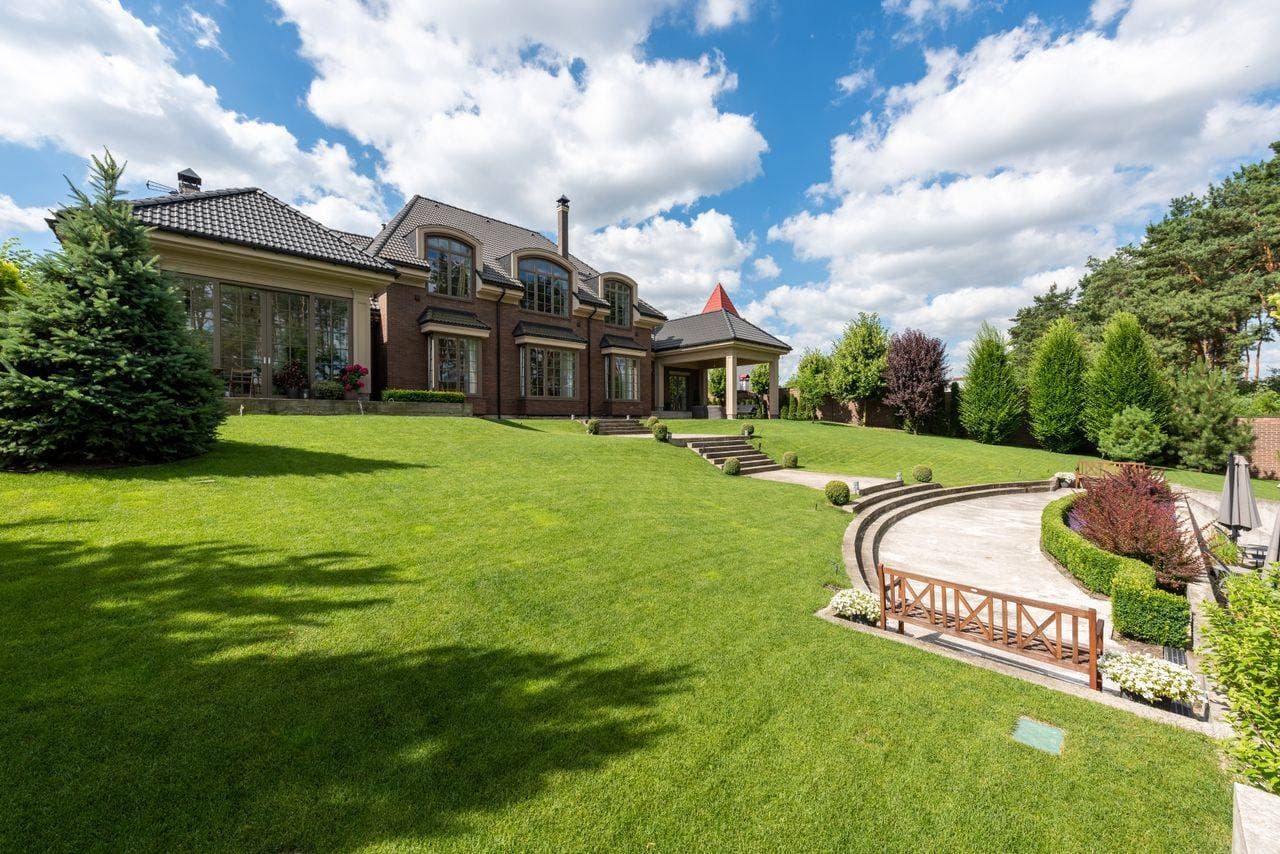
Mumbai’s luxury housing market is seeing a growing emphasis on larger residences, as affluent homebuyers increasingly seek more space, greater privacy and the flexibility to accommodate evolving family and lifestyle needs. Although location and connectivity continue to play an essential role in determining the choice of the buyer, the need for bigger homes is affecting residential preferences among the elite, resulting in the increasing prominence of four-bedroom house designs. The shift reflects changing expectations of what a luxury home should offer. In case of wealthy families, a home has become more than just a place for sleeping and entertaining guests – it has become the center of all their activities including family life, work, entertaining and personal enjoyment. Bigger houses provide more space to carry out such activities with family members and guests without interfering in each other's privacy.
Market data points to the growing significance of larger residences in Mumbai’s luxury segment. According to the Mumbai Luxury Housing Report for H1 2026, published by India Sotheby’s International Realty and CRE Matrix, transactions for homes priced at ₹10 crore and above reached ₹18,512 crore during the first half of the year, across primary and secondary markets. Within the primary market, apartments measuring 2,000 to 4,000 sq. ft. accounted for 58% of luxury home sales. Homes exceeding 4,000 sq. ft. represented 11% of transactions but contributed more than a quarter of the total transaction value, highlighting the importance of larger-format residences in the high-end market.
The broader preference for larger configurations is also showing signs of growth. Anarock’s H1 2026 Homebuyer Survey found that the preference for four-bedroom and larger homes across India increased from around 3% in H1 2024 to nearly 5% in H1 2026. While the finding is national rather than specific to Mumbai’s luxury segment, it provides an indication of the growing interest in larger homes. Read alongside Mumbai’s luxury housing data, it offers useful context for the changing expectations of buyers at the premium end of the market.
Developers are responding to these preferences through offerings across Mumbai’s established luxury neighbourhoods, including Bandra and Andheri. Godrej Properties’ Godrej Skyshore in Versova, for instance, offers three and four bedroom residences, while Godrej Bandra Bay and Visava by Viceroy offer larger-format residences of four to five bedroom. These developments illustrate the presence of spacious homes across the city’s premium residential market, although configurations and positioning vary according to location, pricing and the intended buyer profile.
DLF’s The Westpark in Andheri West provides another example of the premium residential activity taking place in the micro-market. The project’s first phase, comprising 416 residences, sold out within a week of its July 2025 launch, generating sales of more than ₹2,300 crore, according to the company. DLF is now gearing up for the launch of phase 2 of The Westpark.

Aakash Ohri, MD & CBO, DLF Homes, said, “Homebuyers are increasingly placing greater emphasis on the size and functionality of their residences, with spacious homes becoming an important consideration in luxury homebuying decisions. In a city like Mumbai, where space has always commanded a premium, larger residences have traditionally attracted strong interest among affluent buyers. However, evolving lifestyles, changing family structures and the growing importance of privacy are further strengthening the preference for larger-format homes”
Mr. Ohri further added “In established neighbourhoods such as Andheri West, where connectivity and social infrastructure are already well developed, larger-format residences offer the added advantage of spacious living within a mature urban ecosystem. As buyer expectations evolve, the integration of space, functionality and location is becoming increasingly important in shaping luxury residential developments.”
Apart from the increasing trend towards bigger houses, there is also an evolving concept of what constitutes living space. In terms of luxury houses, the charm of the house is becoming more about how well-designed and utilized the space is rather than just the size of the house. Characteristics such as good use of space, lots of natural light, ventilation, and privacy are becoming significant factors, especially in places like Mumbai, which has a high population density. This shift in trends regarding luxury housing is seen when buyers are opting for a more spacious living experience.

Rajat Khandelwal, Group CEO, Tribeca, said that the rising demand for open, well-ventilated residences reflects an important evolution in luxury real estate, with greater emphasis being placed on openness, privacy and seamless integration with nature. While these features are not the only markers of high-end living, they indicate a broader shift in buyer preferences, where luxury is increasingly being defined not merely by square footage, but by the overall living experience and the sense of comfort a home offers. He further added, “With demand for three- and four-side open residences on the rise, our focus is clearly on homes that offer more light, better ventilation, and a sense of openness that transforms everyday living. Elements like private elevators, dedicated private access, and column-and-beam-free layouts further redefine how residents experience their homes,”
The growing relevance of larger configurations also has implications for residential planning in Mumbai. With land availability constrained in established neighbourhoods, developers must balance the demand for additional space with project economics, pricing and the need to retain the advantages of a well-connected address. This makes the choice of configurations an important consideration, particularly in the luxury segment, where buyers may be willing to prioritise space when it is supported by location, design and the overall residential proposition.
As Mumbai’s luxury housing market evolves, the shift towards spacious residences reflects changing aspirations among affluent households. Four-bedroom homes are not necessarily becoming the preferred configuration for every buyer, but their relevance within the premium segment is growing. For developers, the opportunity lies in responding to this demand with homes that offer greater space, privacy and flexibility while maintaining the connectivity and convenience that continue to define the appeal of established Mumbai neighbourhoods.