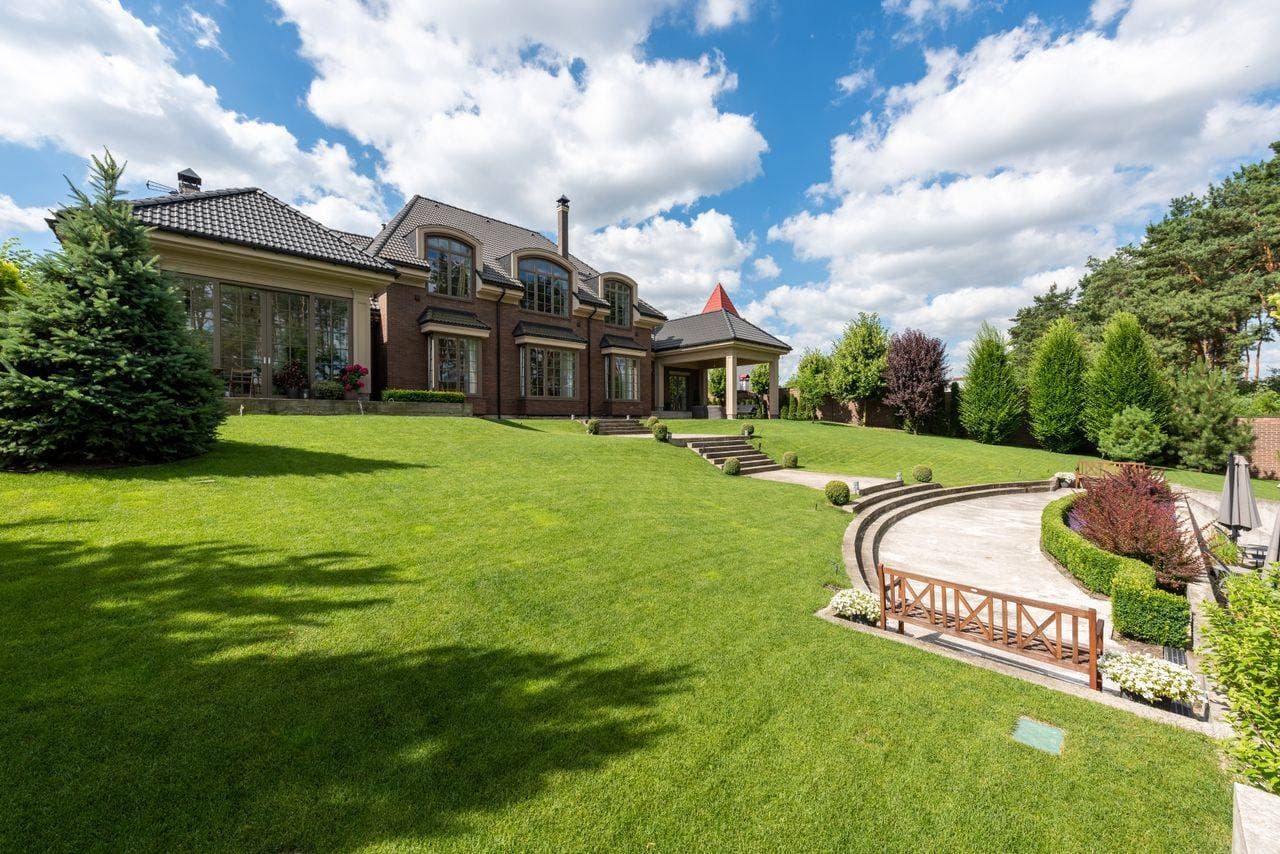
Plotted developments offer an alternative to apartments for buyers seeking flexibility and greater control over construction. Unlike apartments, plot allows owners to design their homes according to their demands and financial constraints as long as they follow local regulations and secure the required licenses.
A PropEquity analysis published in July 2025, nearly 4.7 lakh residential plots, valued at approximately ₹2.44 lakh crore, were launched across 10 major Tier-I and Tier-II cities between January 2022 and May 2025. The data highlights the scale of activity in the plotted residential segment and its spread across different markets.
Plot Supply Is Growing Beyond the Metros
According to PropEquity, Tier-II cities accounted for 52% of the supply in these 10 cities, while Tier-I cities, contributed the remaining 48%. Annual plot launches increased by 24% in 2023 to 1,63,529 plots, then dropped by 23% in 2024 to 1,26,556 plots. In the first five months of 2025, a total of 45,591 plots were launched.
The weighted average launch price increased by 27% year-on-year in 2024 to ₹3,679 per sq.ft. Combined, the figures indicate significant development activity over the period.
Flexibility and Personalisation Set Plots Apart
The ability to tailor a home to individual needs is a major benefit of plotted developments. Within authorized building norms, buyers can decide the layout, number of floors, and use of available space. Depending on funds and permits, construction can also be done in phases.
Plots can accommodate private gardens, terraces, and other living areas that are difficult to fit in conventional apartments. Plotted Developments may combine this independence with common amenities, landscaped areas, and security features; however, facilities vary from project to project.
These advantages must be weighed against development costs and approval timelines. Additionally, buyers should also consider that an unbuilt plot may sit idle and earn no rental income.
How the Apartment Market Looks
Apartments remain the larger and more closely tracked market. Anarock’s Q3 2026 report shows prices across the top seven cities rising 7% year-on-year to an average of ₹9,714 per sq. ft. on super built-up area. About 1,00,200 units were sold in the quarter, 3% more than a year earlier. Available inventory stood at about 6.3 lakh units, roughly 19 months of sales, and at 28 months in Hyderabad, which is also one of the main plot markets.
These figures cannot be compared directly with the plot data. They cover different cities, a different product and a different price measure: a plot’s rate reflects land only, while an apartment’s reflects built-up area. Neither report shows whether plots or apartments have delivered better returns.
Understanding the Long-term Value Proposition
Land is also drawing attention at the institutional level. “Building India: Land Markets Define the Next Development Frontier”, a September 2026 report by Cushman & Wakefield, tracked 18,158 acres of land transactions across 33 Indian cities between 2021 and Q1 2026. Residential projects accounted for 7,714 acres, about 45% of the total. These are largely developer-scale deals, but they underline the importance of residential development in the wider land market.
For individual buyers, the value goes beyond the transaction cost.
The overall economics of ownership depend on several factors, including construction costs, upkeep, connectivity, resale liquidity, and prospective rental income. Buyers should confirm layout approvals, land-use permits, and title records before investment. They should also check whether the project requires registration under applicable RERA provisions, as some smaller projects may fall outside the registration requirements.
Plotted developments offer an option for buyers who prioritise design freedom, space and control over construction. Their suitability ultimately depends on financial readiness, intended use and willingness to manage the responsibilities involved in building a home.
What Experts Say

Rahul Singla, Director, MAPSKO Group says, “The rise of plotted developments in Tier II cities highlights a maturing market where land ownership is once again emerging as the most secure and rewarding investment. This trend is reshaping real estate dynamics, offering both end-users and investors unmatched growth opportunities. Among these, Sonipat stands out as a prime example, benefiting from its strategic location along the Delhi NCR periphery, robust connectivity through highways and expressways, and rapid infrastructure growth. The city is increasingly becoming a preferred hub for plotted projects, reflecting the aspirations of a new generation of homebuyers who value both security and long-term appreciation. Sonipat’s momentum clearly signals how Tier II cities are transforming into the next frontier of real estate growth.”

Yashank Wason, Managing Director, Royal Green Realty says, "Plotted Developments are becoming increasingly popular in India’s real estate market as buyers look for more flexibility, transparency, and higher returns. At the forefront of this trend are developing cities like Sonipat, Indore, Bahadurgarh and Rohtak, which are strengthened by growing urban migration, industrial corridors, and highway networks. Sonipat and Bahadurgarh gains from being close to the NCR, Indore from being a commercial in Central India, and Rohtak by being an educational hub. Together these markets reflect a larger pan-India pattern where plotted developments are increasingly seen as smart, profitable investments in tier-2 cities."