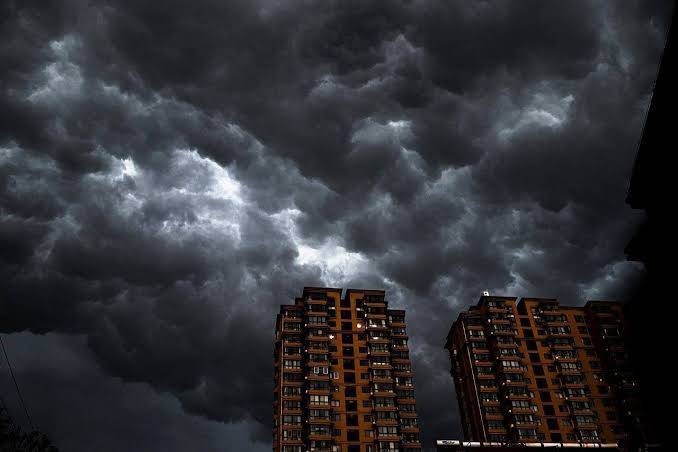
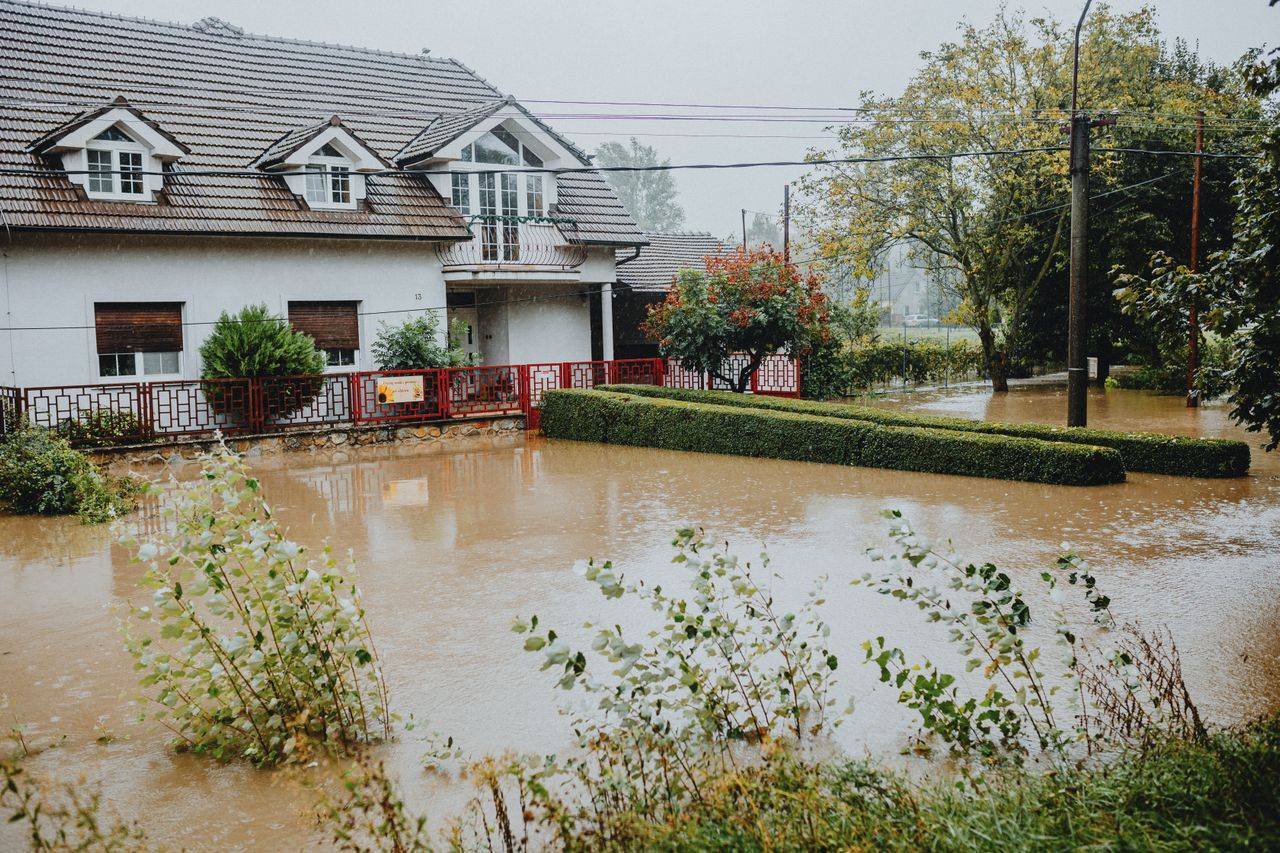
Climate risk is taking on a growing significance in the valuation, investment, and development of Indian real estate. Location connectivity infrastructure, amenities, and the developer's brand were prioritised over climate change considerations. Concerns around climate risk, such as a flood hazard, water stress or an extreme heat wave, were seen more as environmental considerations than as direct financial risks.
Studies have shown that flood-affected properties benefit from quantifiable price discounts while developers and investors may look at drainage, flood protection, raised developments etc. as part of asset management. A research in September 2016 published in Sage Journals, revealed that flood risk in Mumbai led to 12.6% to 15 % diminution in the mean residential sales prices within the of the study sample. The study explored the coupling of flood exposure with property prices and revenue base in affected areas.
In parallel, a 2026 study published in the journal published by the Springer Nature entitled Discover Cities states that climate vulnerability continues to be absent from among several other facets of the Indian urban real estate market investment and finance and valuation.
This presents an interesting parallel for India's real estate market: might we see climate resilience play a more prominent role in the valuation of property?
Flood Risk Is Moving Into the Property Valuation Discussion.
The link between flooding and house prices is not a recent one. Investors historically shunned properties in areas prone to annual waterlogging, with inadequate drainage, or where flooding had become common. But urban growth and more variable weather patterns are raising the importance of these concerns in defined property valuation.
Studies on Mumbai offer some of the most robust recent evidence from India. Based on Anita Rath's research report published in September 2026, about 900 residential deals transacted during the period 2015 to 2019 were explored to appraise the effect of flood risk on property values. The study revealed flood risk to be linked with a decrease from 12.6% to 15% in average residential sales prices. The research explored Annual Statement Rates for Greater Mumbai and found distribution-sensitive effects related to flood risk.
A different study presentation from the Indian Institute of Management Bangalore studied the impact of flooding on the property prices in the city of Mumbai. As indicated by the research presented through IIM Bangalore, Flood hit areas brought about an average depreciation of 12 to 13%, as indicated by properties in flood prone areas. The study also analyzed the change in income profile of buyers in flood affected projects.
It does not imply that all the properties in a locality falling under the flood zone have undergone identical percentage devaluation. Property prices depend on various other aspects like connectivity, built up area and surface of the locality, the quality of construction, greater supply, demand, and infrastructure. But, as the research shows, flood exposure may also be reflected in the price of properties.
Why Climate Risk Matters More to Real Estate?
Property is mostly vulnerable to climate risk, since land and buildings are long lived assets: a house, an office block, a warehouse or a shopping development may be in use for 40 50 60 years or more. A project's current profitability does not necessarily mean that it will not encounter other circumstances during its life.
Flooding may cause damage to basements, electrical systems lifts parking areas, roads, landscaping, and building services. It may also cause repeated waterlogging and interfere with access to offices, retail premises, and residential communities.
On top of physical damage, for commercial properties the impacts can include: an office being inaccessible to employees, a logistics facility being inaccessible to delivery vehicles, or frequent disruption to tenants, these could impact occupancy and rental income.
As CBRE's report, climate risk and real estate in Asia Pacific, there are some effects from climate events in the region.. Which are driving up insurance costs and lowered insurability in certain high risk locations, among others. It can also be seen from the report that assessment of climate risk is becoming a growing factor in property valuation and investment decisions. This creates a chain of financial consequences:
Climate impact resulting in physical damage/disruption leading to increased operating and insurance costs, which in turn could impact income and possibly change investor perception, which could ultimately have an influence on asset value.
Climate Resilience Could Become a Property Attribute
So, the debate is moving further than the mere existence of risk to a property. The next question becomes has this risk been incorporated into the design or augmented by the modification?
Actions like raising electrical equipment and waterproofing basements, installing flood barriers and planning new stormwater drainage can lessen the effects of excessive rain.
In commercial real estate, some investors are already crediting asset performance with spending on resilience.
Based on CBRE, the Link REIT demonstrated how investment in climate-resilient infrastructure (including anti-flooding measures) across some of its portfolio has led to an 11.7% cut in insurance premiums. The example highlights how investment in mitigation measures can help to influence insurance costs when the reduction in risk can be shown. This could eventually establish a new sort of a difference in the property market alsoone not comprised of haves and have nots, but rather of properties whose climate exposure and resilience differ.
Developers May Need to Look Beyond the Plot Boundary.
Another issue is that it is not always possible for a single development to be flood resilient. A building may have effective internal drainage, waterproofing, and pumping systems but may still be crippled by floods on surrounding roads.
So the city level infrastructure is important to value.
According to the Bengaluru Urban Flood Report by Knight Frank, the increasing urbanisation, land use changes and the deterioration of natural drainage systems have led to the rising flood vulnerability in the city. The report has briefly outlined the linkages between the valley and lake systems of Bengaluru, changing settlement pattern and the city flood risk of heavy rainfall.
Beyond the study in Asia there has been a larger study across 42 Indian cities that explored the impacts of land-use change and climate change on regional flooding. This study pointed to the significance of built-up growth and green and open spaces for urban flood characteristics.
For developers, this may mean that climate analysis at the location level will become as standard as site analysis.
Mumbai, Chennai, and Bengaluru Offer Important Signals
Climate related property risk varies by region within India.
Mumbai experiences heavy rains, coastal flood and waterlogging; Chennai experiences flood and coastal flooding; Bangalore has experienced very heavy city waterlogging related to pattern of rainfall, drainage systems and modifications to natural water systems,
As of 2026, a study published by Discover Cities highlighted the climate-related risks faced by India's urban real estate including flooding, heatwaves, water stress and coastal erosion. The study also touches on how climate risk can cause devaluation and stranded assets in real estate, while also pointing out that investment and lending decisions, plus valuations, do not predominantly account for climate considerations.
The sense of the local property-price effects does not mean all property-price in a Country will be reduced.
Climate risk can also be very localized.
Within one city, two projects can be quite dissimilar in their exposure to elevation water drainage, proximity to water bodies, road levels, surrounding development and the strength of municipal infrastructure.
Insurance Is One Possible Influencing Factor
If insurers increasingly price premiums based on location and physical hazards, climate risk could also affect the cost of owning and operating a property.
According to CBRE’s assessment of climate risk and real estate, the availability and cost of insurance are becoming increasingly relevant for properties exposed to physical climate risks. In markets facing higher levels of risk, insurers may change coverage conditions or increase premiums, adding another financial consideration for property owners and investors.
This could also make investment in climate resilience more financially relevant. Property owners may consider measures that reduce potential damage, minimise operational disruptions and protect critical equipment from climate-related events.
A building that suffers less damage, experiences fewer disruptions, benefits from lower insurance costs and provides better protection for vital machinery may have a different lifetime cost profile from an otherwise similar property with greater exposure to climate risks. As a result, resilience measures could increasingly become part of broader property investment and asset-management decisions.
Will Buyers Start Paying More for Resilient Homes?
The housing market might be a little slower at recognizing the value of climate resilient transactions.
What is generally important to homebuyers is price and affordability, location education, transport work opportunities, amenities, and neighborhood safety (homeshoppersatisfaction.com). Climate risk may be a less obvious issue, which is hard for an individual homebuyer to quantify.
And, there is an information problem.
A buyer may know that an area has flooded in the past, but may not know the likelihood of flooding in the future, how high the water might be, how high the building itself is, the sizes of the drains in the area, or that the commercial electricity system and basement are protected against flooding.
The 2026 Discover Cities research highlights deficiencies in the integration of climate risk information in India's urban real estate markets like challenges to risk information, investment evaluation, valuation, and identification of likely financially affected properties as climate exposure increases. This could be altered by increased transparency.
If disclosures for properties, valuation reports and due-diligence paperwork began to routinely detail flood exposure, water access, heat risk and resilience indicators, buyers might be empowered to draw comparisons on various ownership-related considerations across properties.
The Risk of Stranded Real Estate
A longer term concern is that of stranded assets. A stranded property is generally defined as a property whose economic value or utility is impaired before the end of the economic/useful life.
Climate exposure will also contribute to this if: an asset becomes more costly to insure; an asset becomes more costly to operate and maintain; Tenant demand shifts away from the asset; Investor appetite for the asset diminishes;
The 2026 discover cities research also explores this with India's urban real estate sector and considers how exposure to the climate may play a role in asset depreciation, vacancy rates and economic burdens in areas of risk.
Whether and how far it will evolve into a broad-based property repricing, is at this stage uncertain. India's diverse property markets, Climate Risk, will interact with infrastructure investment, local planning, income growth and demand for land.
What Could Change in the Valuation of Property?
The traditional process of property valuation takes into account several things like the geographical location of the property, comparative deals, rent, construction quality, land value and market demands.
Climate risk could begin to become an additional factor for future considerations.
Some of the things which may come to be considered in future include:
- History of flooding and waterlogging
- Future flood projections
- Height of the site from the ground
- Storm water drainage capability
- Proximity to rivers, lakes and oceans
- Basement and Parking vulnerability
- Protecting the electrical and mechanical systems
- Water availability
- Availability of insurance
- Emergency access
- Resilience measures at building level
- Municipal infrastructure
- Future regulations expected
According to CBRE, climate risk and its implications on real estate properties have started being considered by valuation professionals, although climate risk assessment is still not a standardized part of property valuation yet.
A New Concept of Location Advantage
For many years, the concept of "location advantage" in Indian real estate markets has typically been related to closeness to work locations, highways, airports, metro stations, schools, and commercial areas.
Climate risks can slowly broaden the idea.
The same well-connected location that is prone to flooding every year could have a different set of risks compared to another well-connected property that has superior drainage systems, high elevation, and superior infrastructure.
This does not imply that climate resilience is going to supplant all of the other location advantages. What it could do is become another aspect of location advantage.
The Mumbai study in Sage Journals is especially relevant here since it demonstrates a link between flood risk and home transaction costs. However, the 2026 Discover Cities report reveals that the Indian real estate market is far from done incorporating climate risk factors in their valuation and financing processes.
From Flood-proof Buildings to Flood-resilient Cities
Simply designing more resilient buildings will not be sufficient. Flooding in the city is affected by drainage systems, wetlands, lakes, open areas, road elevations, catchment zones and infrastructure facilities. Even a resilient building within a vulnerable urban system may experience disruptions.
Thus, climate resilience in real estate will hinge on collaboration among developers, municipalities, infrastructure authorities, financiers, insurers, valuers and property purchasers. From the perspective of the developer, the business case for resilience may be about more than regulation. The risks associated with flooding, insurance, disruption, tenancy and long-term value may all form part of that equation.