The Odisha Cabinet has approved the 600 MW Upper Indravati Pumped Storage Project at Ranibahal in Kalahandi district at an estimated cost of Rs. 4,708.64 crore. The project is designed to store surplus electricity during periods of low demand and generate power during peak-demand periods.
The decision was taken in the Cabinet meeting chaired by the Chief Minister Mohan Charan Majhi on November 9, 2026. The project will be executed by Odisha Hydro Power Corporation Limited (OHPC). It will be commissioned during the financial year 2030-31. Megha Engineering & Infrastructures Ltd (MEIL) has been selected as EPC contractor for the project.
Upper Indravati Project to Add 600 MW of Pumped Storage Capacity
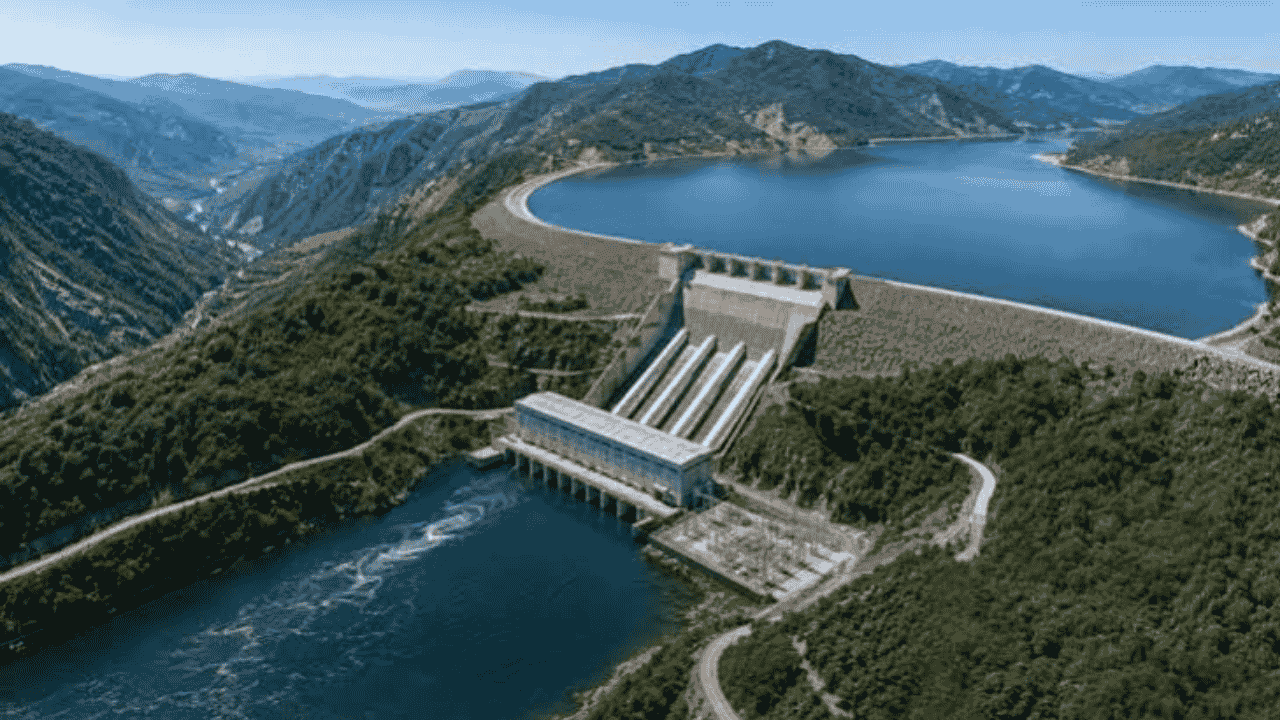
This consists of 4 units of 150MW which brings the total capacity to 600MW. The scheme will use the existing Indravati reservoir as the upper reservoir and new infrastructure will be built to have a lower reservoir and underground powerhouse.
A pumped storage system will be used. During low demand periods water will be pumped from the lower reservoir to the upper reservoir. During periods of high demand the water can be let flow down to produce electricity. This will allow energy to be stored.
Approximately 1040 million units (MU) of electricity will be produced per year during periods of high demand whilst 1283MU will be used per year during low demand periods to pump the water.
The project is also expected to aid with managing the grid by helping to balance the demand and supply of electricity. As renewable energy becomes more prevalent within the power mix, this scheme has the potential to help with storing energy. Renewable sources such as solar and wind can vary depending on the weather and time of day.
Project Cost Includes Construction and Associated Expenses
The total project cost has been estimated at Rs. 4,708.64 crore, including GST and other associated expenses.
MEIL has been selected as the EPC contractor following a tendering process, with the reported contract price standing at Rs. 3,372.88 crore, excluding GST. This amount is separate from the overall project cost, which also includes associated expenses beyond the EPC contract.
This includes consultancy, land cost, forest clearance and interest during construction. These costs form part of the wider financial requirement for taking the project from construction to commissioning.
The project will follow an 80:20 debt-equity structure. OHPC will contribute 20% of the project cost as equity from its internal reserves in phases. The remaining 80% will be funded by the state government through a soft loan linked to the Reserve Bank of India's repo rate.
OHPC to Implement Project with MEIL as EPC Contractor
OHPC will be responsible for implementing the Upper Indravati Pumped Storage Project. The selection of MEIL as the EPC contractor follows the tendering process and covers the construction component of the development.
The project builds on the existing Upper Indravati hydroelectric infrastructure. According to OHPC's project information, the proposed pumped storage facility will use the existing Indravati reservoir as the upper reservoir. A new lower reservoir and an underground power house will be constructed as part of the development.
The project had received key technical and state-level approvals before the latest Cabinet decision. The Central Electricity Authority granted techno-economic clearance on August 19, 2024, followed by approval from the state's High-Level Clearance Authority in December 2024 and the Project Approval Committee on April 25, 2025.
Pumped Storage Facility Expected to Support Grid Stability
The Upper Indravati project is expected to provide additional flexibility to Odisha's electricity system by storing surplus power and making it available during peak consumption periods. This function can help address differences between the timing of electricity generation and demand.
Apart from meeting peak-hour requirements, the facility is expected to support grid stability through frequency response, load variation management and spinning reserves. It is also expected to provide black-start capability, which can help restore power supply following a major grid disruption.
The project is scheduled to be commissioned in FY2030-31. Its progress will depend on the construction and implementation work required for the reservoirs, underground powerhouse and associated infrastructure. Once operational, the 600 MW facility will add a large-scale energy storage component to Odisha's power network.