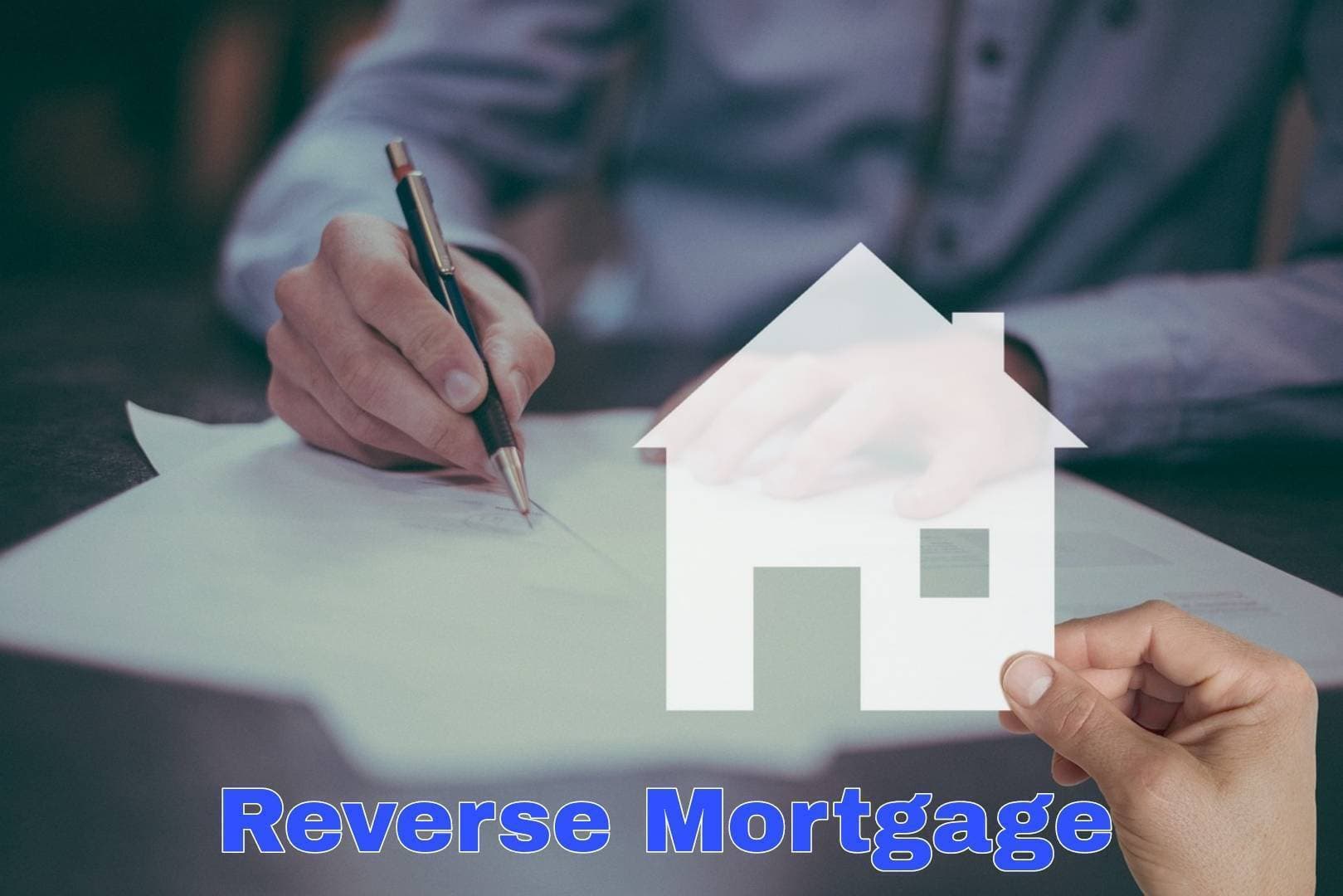
For senior citizens, financial security post-retirement is a key concern. While many retirees own homes, their assets are often illiquid, making it difficult to generate a steady income. To address this, the Government of India introduced the reverse mortgage scheme in the 2007-08 Union Budget.
What is a Reverse Mortgage?
A reverse mortgage is a financial solution designed for senior citizens (aged 60 and above) who own a self-occupied residential property. Unlike a traditional home loan, where borrowers pay Equated Monthly Installments (EMIs) to the lender, a reverse mortgage allows seniors to pledge their property and receive periodic payments. The borrower retains the right to live in the house without any repayment obligation during their lifetime. After their demise, the lender can sell the property to recover the loan, with any surplus passed on to the legal heirs.
Eligibility and Requirements
To be eligible for a reverse mortgage, applicants must meet specific criteria:
Before proceeding, borrowers are also required to attend a counseling session with an approved reverse mortgage counselor. This session ensures that the borrower understands the loan’s terms, financial implications, and alternatives.
How Reverse Mortgage Works?
- Property Pledge – A senior citizen pledges their self-occupied residential property as collateral with a financial institution.
- Loan Disbursement – The lender evaluates the property’s market value and offers a loan amount based on a percentage of the valuation. The loan can be disbursed as periodic payments, a lump sum, or a combination of both.
- No Repayments Required – Unlike traditional loans, the borrower is not required to make repayments during their lifetime. Instead, the loan accrues interest over time.
- Ownership Retention – The borrower retains ownership of the property and can continue residing in it for life.
- Interest Accumulation – The accumulated interest is added to the loan balance, increasing the total repayment amount.
- Loan Settlement – After the borrower’s demise, the lender recovers the loan by selling the property. Any surplus amount, after settling the loan, is handed over to the legal heirs. Heirs also have the option to repay the loan and retain ownership of the property.
Tax Benefits on Reverse Mortgages
In India, reverse mortgages are designed to help senior citizens by allowing them to leverage the equity in their home while still living in it. The tax benefits include:
Income Tax Exemption: The amounts received through a reverse mortgage are not considered income. Consequently, they are exempt from Income Tax under the Income Tax Act, 1961. This means that senior citizens receiving payments from a reverse mortgage do not have to pay income tax on this money.
GST Exemption: Services related to reverse mortgage loans provided by banks or other financial institutions are exempt from the Goods and Services Tax (GST) in India. This exemption reduces the overall cost associated with obtaining a reverse mortgage, making it a more attractive option for senior homeowners.
List of Banks That Offer Reverse Mortgage Schemes in India
- State Bank of India (SBI)
- Punjab National Bank (PNB)
- Bank of Baroda
- Central Bank of India
- Indian Bank
- Canara Bank
- Union Bank of India
- HDFC Bank
- IDBI Bank
- Axis Bank
Advantages of a Reverse Mortgage
- Financial Flexibility – Provides a stream of income or a lump sum that can be used for various purposes, such as supplementing retirement income, covering healthcare expenses, or making home improvements.
- No Monthly Mortgage Payments – While borrowers are responsible for property taxes, insurance, and maintenance, they are not required to make monthly mortgage payments. This reduces financial stress during retirement.
- Staying in Your Home – Reverse mortgages allow homeowners to stay in their homes and retain ownership, which is particularly valuable for seniors who wish to age in place.
- No End-Use Restrictions – Borrowers can use the funds for any purpose, including medical expenses, home modifications, or travel.
- Government-Backed Protection – In India, reverse mortgages are regulated to ensure borrower protection and prevent misuse by lenders.
Disadvantages of a Reverse Mortgage
- Accumulating Interest – The loan balance of a reverse mortgage grows over time as interest on the loan accumulates. This means that the equity in the home decreases as the loan balance increases, potentially leaving less inheritance for heirs.
- Fees and Costs – Reverse mortgages can have higher closing costs and fees compared to traditional mortgages, reducing the net amount available to the borrower.
- Impact on Heirs – Upon the death of the borrower, the loan becomes due. Heirs must either repay the loan balance, sell the home to settle the debt, or turn the home over to the lender.
- Market Fluctuations – Property values and interest rates may fluctuate, affecting the loan amount and repayment conditions.
- Limited Awareness – Many eligible senior citizens are unaware of reverse mortgage benefits due to a lack of widespread financial literacy initiatives.
Considerations Before Opting for a Reverse Mortgage
Evaluate Your Long-Term Plans – Consider how long you plan to stay in your home and whether a reverse mortgage aligns with your long-term financial and estate planning goals.
Understand the Financial Implications – Thoroughly understand the loan’s terms, including the interest rate, fees, and repayment conditions. Consider how the accumulating loan balance over time will affect your equity in the home.
Explore Alternatives – Before deciding on a reverse mortgage, explore other options such as downsizing, refinancing, or taking out a home equity line of credit (HELOC). Each option has its own set of benefits and drawbacks tailored to different financial situations.
Assess Property Valuation Trends –Since the loan amount depends on the property’s value, understanding market trends can help determine if a reverse mortgage is a good option.
Seek Financial Counseling – Consulting with financial advisors and reverse mortgage counselors can offer valuable insights and help determine whether a reverse mortgage is the right choice for you.
Conclusion
A reverse mortgage can offer a lifeline by providing financial flexibility during retirement, allowing seniors to tap into their home equity without leaving their homes. However, it’s essential to approach this financial tool with a thorough understanding of its mechanics, costs, and long-term implications. By carefully weighing the pros and cons, retirees can make an informed decision that secures their financial well-being while preserving their home and legacy.