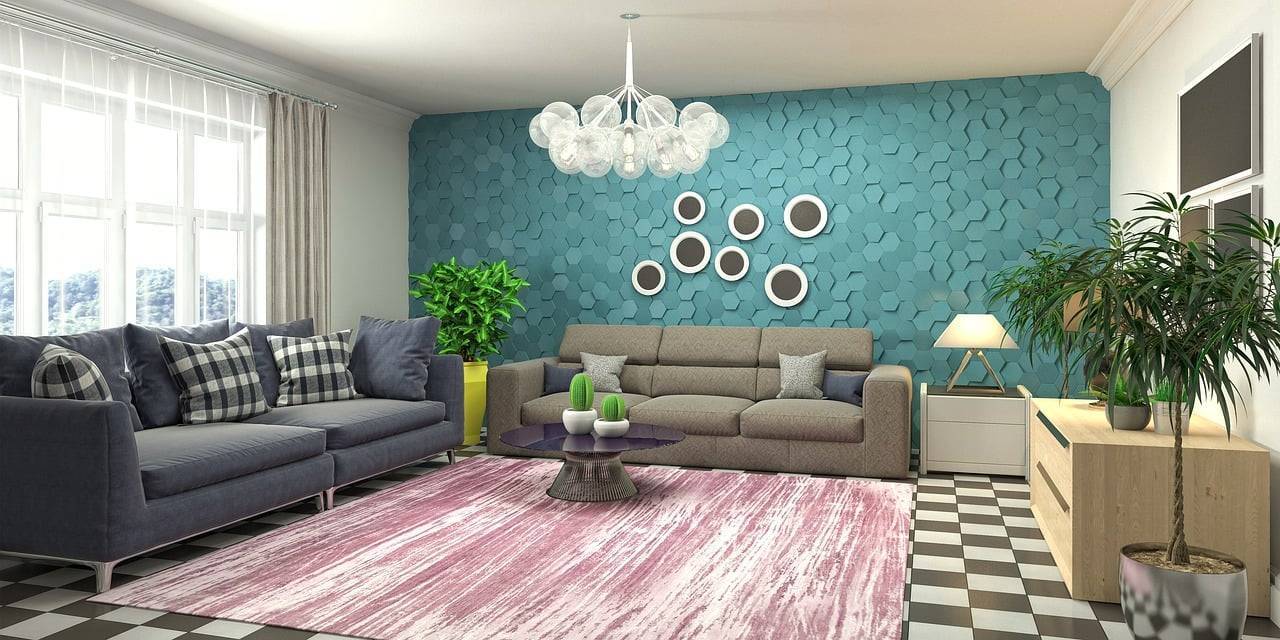

For years, the criteria for luxury homes in India have been based on the interior, marble finishes, fittings imported from elsewhere, and the size of the living space. If there was any garden at all, it was an afterthought – a manicured lawn surrounded by a couple of decorative plants, cared for purely out of aesthetics rather than practicality. Times have changed, however, and one of the best indications of what luxury is about now has come to be found in landscape design.
From Decoration to Infrastructure
The change begins with a basic truth - an unused garden is a failure in its role. Modern homeowners are demanding that their gardens do something useful; cool the house, clean the air, collect the monsoon rain and provide the family a place where they can spend time. This results in landscape planning and architecture planning taking place simultaneously instead of the former following the latter. The pergola does not get put in a beautiful spot, it gets put in to shade a part of the house which gets too hot in the afternoon. The water body is not just aesthetically placed but serves to help cool the air coming into the house.
Privacy Without Walls
The urban density in the cities of India has made privacy one of the most desired luxuries, and it is not surprising that nowadays building a higher wall for the sake of more privacy does not seem to be a very effective solution. Planting along the boundary will do what walls can never do; it will give you privacy, screen your sightline, reduce the traffic noise, and still keep the place open and airy even in the case of nearby constructions. A properly designed green boundary will hide all unnecessary sights within a few years.
Designing for Wellness, Not Just Aesthetics
This is an area of increasing interest to both architects, designers, and those designing their own spaces in terms of the role of outdoor areas for daily wellbeing and not just as a matter of aesthetic appeal. A garden with smells, sounds, and light that change from morning through afternoon and evening is something that an unchanging indoor space can never be. Seating tucked into planting rather than facing it, gardens curated to draw birds and butterflies rather than just flowers, quiet corners removed from the noise of the main house, these are deliberate design choices, not decorative ones. Increasingly, clients are asking for gardens that support how they actually want to feel at home: calmer, more private, more connected to something alive.
The Quiet Return of Native Planting
Traditionally, luxury landscaping in India was focused largely on exotic species, those that were attractive in their foreign look and that came from abroad. This is changing. Indigenes have proven to be the right choice when it comes to luxury gardening: not only do they thrive in local climate conditions; they also use significantly less water and nutrients than exotics, and contribute to the ecosystem – providing habitat for birds and insects that breathe life into the garden. In addition, a garden based on indigenes ages well and matures in harmony with the site.
Water as a Design Discipline, Not Just a Feature
Fountains and swimming pools used to be the marks of luxury for an outdoor space. Now, water is being designed with greater purpose, incorporating rainwater collection within the landscape itself, recycling treated waste water back into irrigation, and ponds that serve as ecosystems instead of water structures that need constant treatment through chemicals. In urban settings where the availability of water cannot be taken for granted, creating a landscape that takes care of itself in terms of water becomes not only sustainable but also a sign of good design practice.
What This Means for the Next Decade of Luxury Homes
Homes that will shape the future of luxury will no longer be defined by the biggest gardens but rather be those homes where the garden and home have been conceived as one whole experience. Privacy that does not make one feel secluded. Water management systems that do not exert pressure on the urban environment surrounding them. Plant selection done not for its visual impact alone but for its positive contribution. As more people start demanding a contribution from their garden to the way they live and not merely as a decorative element in front of their homes, landscape architecture is moving into the limelight.