Plastic pollution has become one of the defining environmental challenges of our era. In 2025, the global theme for World Environment Day—“Ending Plastic Pollution”—puts a spotlight on reducing plastic waste in all sectors, including those that are less visible in public discourse. While household packaging and marine litter often dominate conversations, the construction industry remains a major but often ignored contributor to the growing plastic problem.
From PVC pipes and insulation foam to plastic sheeting and packaging waste, construction sites generate significant quantities of plastic waste. This not only strains landfills but also leaks into ecosystems, contaminates soil and water, and contributes to microplastic accumulation. In light of Earth Day and WED 2025, the construction industry must confront its plastic footprint and take responsibility for adopting sustainable alternatives.
Plastic in Construction: Ubiquity and Utility
Plastic is prized in construction for its flexibility, strength-to-weight ratio, chemical resistance, and affordability. It appears in several major forms across building projects:
- PVC (Polyvinyl Chloride): Used in pipes, conduits, doors, windows, and flooring.
- HDPE (High-Density Polyethylene): Common in drainage systems and underground ducts.
- EPS/XPS (Expanded/Extruded Polystyrene): Used extensively in insulation.
- Polyurethane Foams: Found in thermal and acoustic insulation applications.
- Polypropylene: Used for containers, straps, plastic ropes, and more.
Beyond permanent components, plastics are also heavily used in single-use applications—packaging, wrapping films, disposable protective gear, and temporary tarpaulins. These are discarded rapidly and often end up as unmanaged waste, particularly on fast-paced construction sites where segregation and recycling are poorly enforced.
Plastic Waste on Sites: A Multifaceted Problem
1. Offcuts and Material Wastage
During construction, plastic-based products are trimmed or shaped on-site. These offcuts—whether from insulation boards or pipes—often accumulate and are swept away with other debris.
2. Packaging Waste
Construction materials are often delivered wrapped in multiple layers of plastic. Items such as tile boxes, bathroom fittings, and electrical equipment are frequently packed with:
- Bubble wrap
- Shrink wrap
- Polybags
- Zip ties and straps
These materials are removed during unpacking and rarely reused or recycled.
3. Consumables and Single-Use Items
Construction workers use numerous plastic-based consumables on a daily basis, including:
- Water bottles
- Gloves
- Paint containers
- Plastic buckets and mixing trays
- Disposable rain gear
Improper disposal of these items leads to accumulation on-site, and in many cases, the waste is burned or buried.
4. Unintentional Leakage into the Environment
Construction sites near water bodies, highways, or open fields can easily lose loose plastic sheets, foam bits, or wrappers to the wind or rain. These become urban litter, block drains, or enter rivers and ecosystems.
Key Statistics on Plastic Waste in Construction
- Global plastic waste is projected by the OECD to reach approximately 460 million tonnes annually by 2025 due to increased consumption and inadequate recycling systems, according to wastedirect.co.uk.
- The construction plastics market is expected to grow from USD 122.64 billion in 2024 to USD 129.21 billion in 2025, reflecting a compound annual growth rate of around 6.7%, as reported by researchnester.com.
- The global construction waste market was valued at USD 232.1 billion in 2024 and is anticipated to grow at a CAGR exceeding 5.2% between 2025 and 2034, including plastic waste, according to gminsights.com.
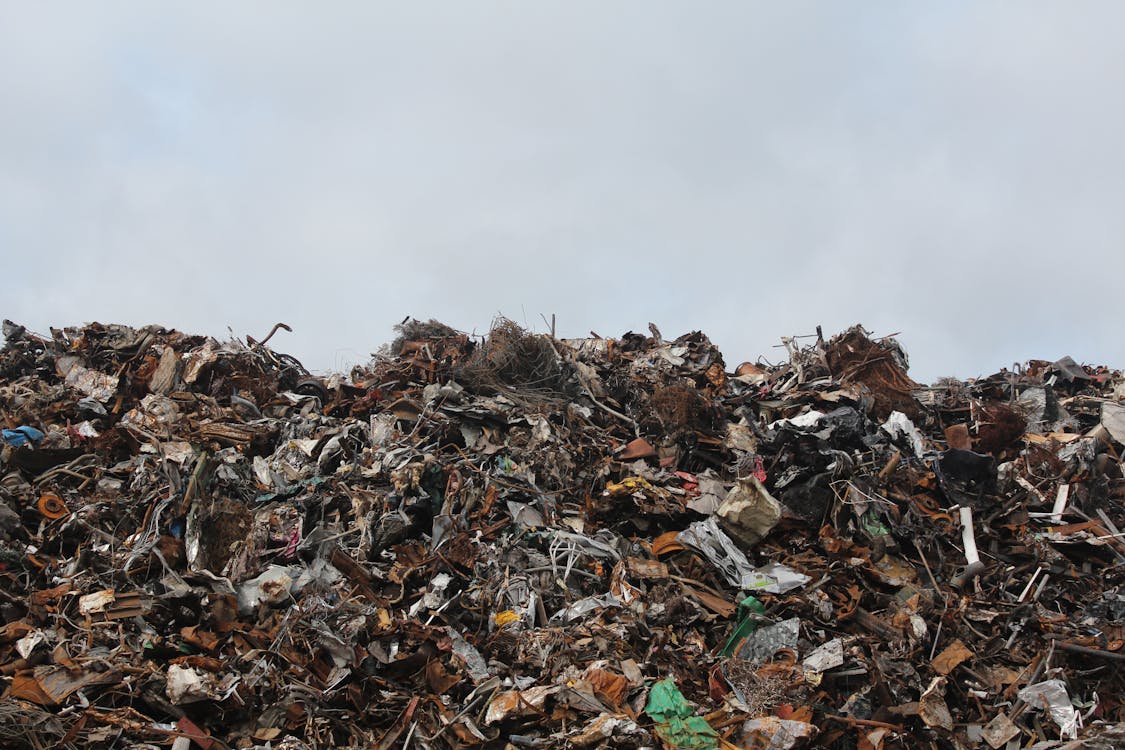
Construction sites generate significant quantities of plastic waste such as PVC pipes, insulation foam, plastic sheeting, and packaging materials. In India, cities like Bhubaneswar produce over 200 tonnes of plastic waste daily, much of which is not recycled but sent to cement kilns for co-processing, according to timesofindia.indiatimes.com
As plastics break down over time, they fragment into microplastics—particles smaller than 5 mm—that infiltrate soils, groundwater, and food chains. Construction activities can accelerate this process:
- When plastic is exposed to sunlight and heat on site
- When fragments are ground or crushed during site clearance
- Through runoff during rains, carrying particles into municipal drainage
Microplastics from urban construction eventually find their way into agricultural land, lakes, and even human drinking water systems.
Challenges in Addressing Construction Plastic Waste
The complexity of construction operations means that managing plastic waste presents unique challenges:
- Low Incentive to Recycle: Plastic has low scrap value compared to metals or wood.
- Poor Segregation: On-site waste is usually dumped as mixed debris.
- Lack of Infrastructure: Most recycling facilities are not equipped to handle construction-specific plastics.
- Tight Timelines: Environmental practices often take a back seat to project deadlines.
- Minimal Policy Enforcement: Even where laws exist, monitoring is limited, especially in unorganized or small-scale projects.
2025: A Turning Point for Construction Plastic Pollution?
With “Ending Plastic Pollution” as the 2025 WED theme, the construction industry has an opportunity—and responsibility—to drive measurable change. The industry’s plastic use is not inherently unsolvable; it is an issue of design, procurement, operations, and disposal.
Practical Strategies to End Plastic Waste on Construction Sites
1. Rethink Procurement and Packaging
- Encourage vendors to provide materials in returnable crates or bulk packaging.
- Avoid overwrapped products and request biodegradable or recyclable alternatives.
- Source products with minimal plastic content or recycled plastic material.
2. Segregate Waste at Source
- Implement color-coded bins on-site for plastics, metals, and general waste.
- Appoint a site waste supervisor responsible for segregation enforcement.
- Track waste disposal through digital waste logs.
3. Partner with Specialized Recyclers
- Identify regional plastic recyclers who accept construction plastics.
- Work with companies offering take-back services or on-site compactors.
- Explore new applications of recycled construction plastic, such as in tiles, panels, or road base materials.
4. Educate and Engage Workers
- Conduct briefings on proper waste disposal and the environmental cost of plastic.
- Run Earth Day activities such as plastic audits or site clean-up challenges.
- Display signage and posters reinforcing plastic minimization habits.
5. Design for Durability and Low Waste
- Use modular components to reduce offcuts and excess.
- Select materials that are reusable or recyclable at end-of-life.
- Design buildings with waste-efficient construction systems such as precast and drywalls.
Policy and Certification Support
Governments and rating agencies are beginning to recognize the role of plastic pollution in construction:
- India’s Plastic Waste Management (Amendment) Rules, 2022 call for extended producer responsibility (EPR) and include bulk generators like construction sites.
- GRIHA and IGBC rating systems now award points for construction waste management, including plastic.
- Global standards like LEED v4 promote construction material reuse, low-emitting materials, and waste diversion.
A Sector-Wide Shift is Needed
Individual builders can make changes, but systemic transformation is only possible when architects, engineers, developers, manufacturers, and policymakers work together. Reducing plastic waste must become part of design briefs, material schedules, tender documents, and HSE plans.
As the world observes World Environment Day 2025 under the banner of “Ending Plastic Pollution”, the construction sector must no longer stand on the sidelines. With millions of tons of plastic used annually in construction, even small changes at site level can have cumulative, long-lasting impact.
Plastic pollution from construction is not just an operational issue—it is a reflection of the industry's values. Reducing, reusing, and responsibly disposing of plastic is not just about compliance—it’s about constructing a future that is safe, sustainable, and aligned with planetary boundaries.
This Earth Day, it’s time for construction to shift from being part of the problem to becoming part of the solution.