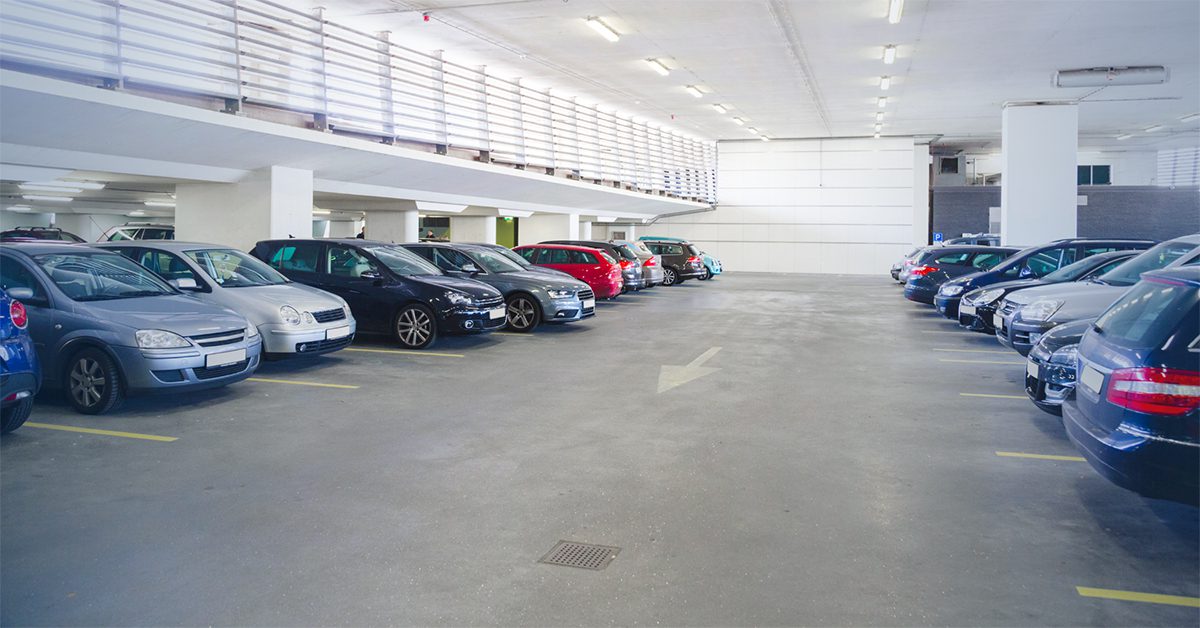
Commercial buildings, whether they are residential societies, retail malls, business parks, or healthcare facilities, face increasing demand for efficient, user-friendly, and space-optimized parking systems. Traditional parking operations—often reliant on manual ticketing, visual monitoring, and basic boom barriers—are becoming inadequate in modern urban developments. These older systems frequently result in inefficient space utilization, long wait times, higher emissions due to vehicle idling, and poor user experience.
The integration of Internet of Things (IoT) technologies and sensor-based networks is changing how parking is planned, monitored, and operated in real estate projects. IoT-enabled smart parking systems provide real-time data on occupancy, availability, user flow, and system health.
Traditional Parking Management: Key Challenges
Real estate projects typically face a number of inefficiencies when using conventional parking systems:
Manual Errors and Space Underutilization
Parking attendants rely on visual assessments, often leading to underutilized slots or misallocation of space.
Poor User Navigation
Without guidance systems, drivers must circulate within parking areas to find available slots, wasting time and fuel.
Revenue Leakage and Unmonitored Access
Manual systems are prone to fraud or ticket loss, particularly in commercial facilities where revenue collection is important.
Lack of Real-Time Data for Planning
Building operators have limited visibility into peak usage patterns, dwell times, or equipment faults.
These issues have necessitated a shift to smarter, data-driven parking systems, particularly in high-density real estate zones.
The Concept of IoT-Enabled Smart Parking
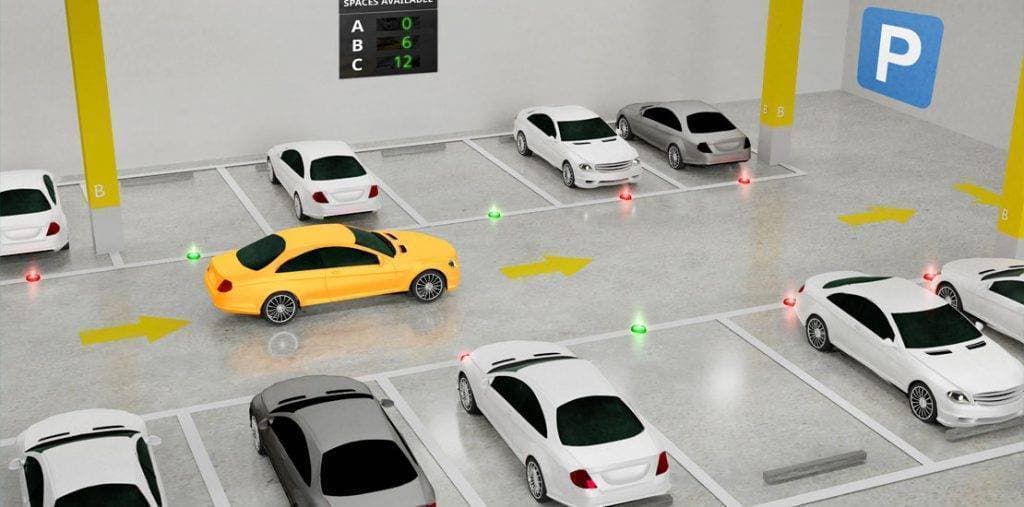
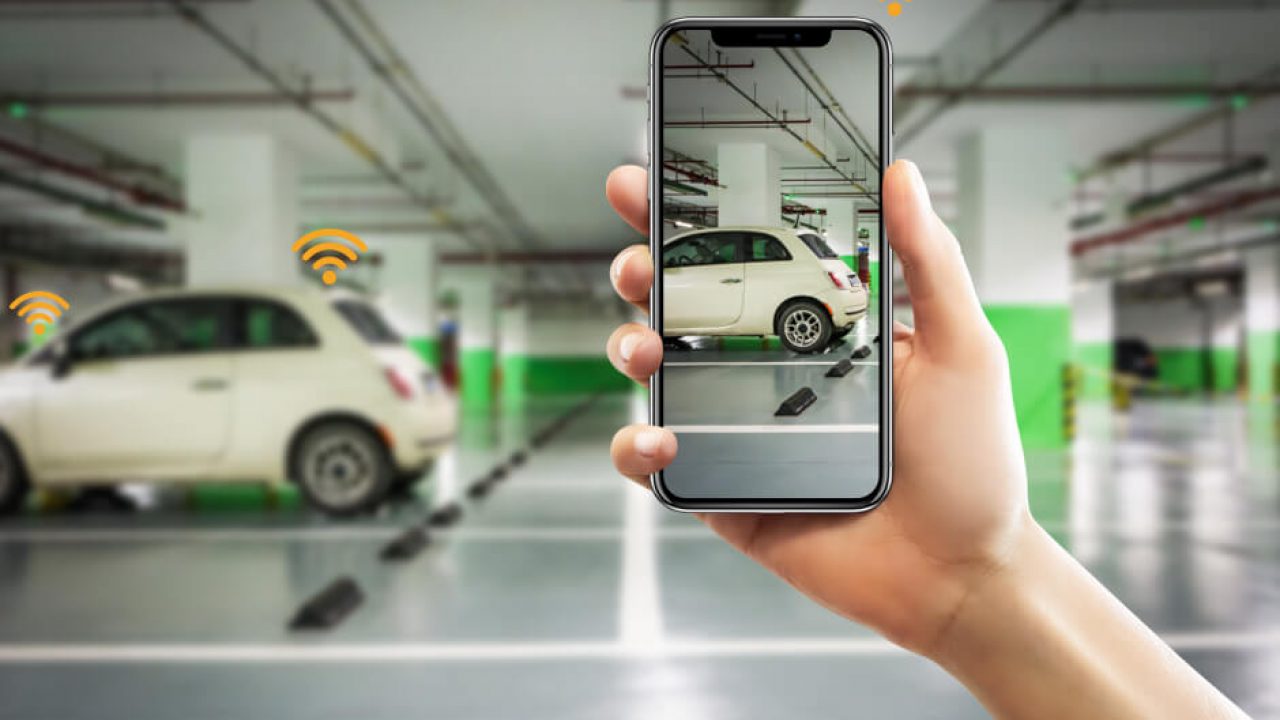
Smart parking systems use sensor networks, wireless communication, and cloud platforms to monitor and manage parking resources in real time. Each parking bay is equipped with sensors to detect vehicle presence. The data is then transmitted to centralized software platforms that update availability displays, mobile apps, or operator dashboards.
Key Capabilities Include:
- Real-time slot occupancy detection
- Slot reservation and app-based bookings
- Dynamic pricing based on demand
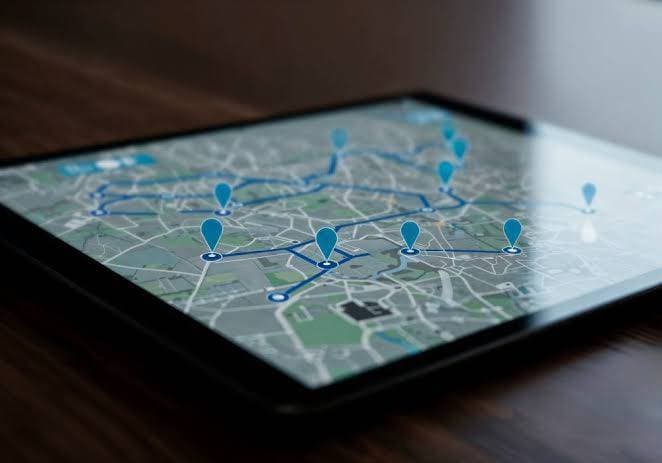
- Navigation and guidance for drivers
- Predictive maintenance for parking infrastructure
- Integration with access control, ANPR (Automatic Number Plate Recognition), and EV charging
Core Technologies Behind Smart Parking Systems
1. Ground and Overhead Sensors
- Ultrasonic Sensors: Installed on the ceiling to detect presence by emitting sound waves.
- Inductive Loop Sensors: Embedded in the ground, detect changes in magnetic field.
- Infrared Sensors: Used to detect vehicle motion or presence at entrances/exits.
2. IoT Gateways and Controllers
Gateways aggregate data from multiple sensors and transmit it to cloud or on-premise servers. These controllers also interact with actuators like barriers and display boards.
3. Cloud Software Platforms
These platforms process data to update availability, generate insights, and enable user access via mobile apps. They can also trigger alerts for maintenance or security anomalies.
4. User Interface Applications
Residents, tenants, or visitors use mobile apps or kiosk displays to view availability, pre-book slots, or access billing history.
5. ANPR Cameras and RFID Readers
Automatic number plate recognition (ANPR) enables seamless entry/exit without physical tickets. RFID cards or QR codes are also used for identification and billing integration.
6. Edge Computing
On-site processing enables faster response times for actions like barrier control or parking slot display, while reducing latency.
Implementation in Real Estate Projects
Step 1: Assessment and Infrastructure Planning
Parking layout is digitally mapped. Entry, exit, and bay positions are analyzed. The number and type of sensors are determined.
Step 2: Sensor and Hardware Installation
Sensors are installed on ceilings, floors, or entry gates. Integration is ensured with CCTV, boom barriers, and lighting systems.
Step 3: Network and Gateway Configuration
IoT gateways connect sensors with the central cloud system. Redundant connectivity is often used for high-availability environments.
Step 4: Software Setup and Integration
Central management software is linked with building access systems, billing, and mobile platforms. Admins are trained on dashboards.
Step 5: User Onboarding
Residents and tenants are added to the system via unique logins or RFID access. Visitors may access the system via kiosks or web apps.
Use in Different Real Estate Asset Classes
1. Residential Societies
- Assigns fixed or rotating parking slots via apps
- Sends alerts for overstaying guests or unauthorized vehicles
- Enables contactless entry using RFID or mobile QR
2. Retail and Shopping Malls
- Real-time slot guidance improves visitor experience
- Dynamic pricing can increase revenue during peak hours
- Integration with loyalty programs and mobile payments
3. Office Parks and SEZs
- Tracks corporate fleet, employee vehicles, and contractors
- Centralized dashboards for facilities and security teams
- Slot allocation based on department or shift timing
4. Hospitals and Institutions
- Prioritizes parking for ambulances, emergency vehicles
- Enables booking for visiting doctors or patients
- Tracks dwell times for operational efficiency
5. Mixed-Use Developments
- Segregates residential, retail, and visitor parking
- Integrated billing for tenants and retail customers
- Energy meters linked with EV charging slots
Advantages of IoT-Based Smart Parking
- Provides real-time updates on parking slot availability.
- Optimizes use of available parking spaces.
- Reduces internal traffic congestion within parking facilities.
- Lowers vehicle emissions by minimizing idle time.
- Enables seamless entry, exit, and digital payment.
- Generates data insights for usage and peak demand analysis.
- Automates revenue collection and access management.
- Issues predictive maintenance alerts for parking equipment.
- Enhances security through integrated surveillance and access control.
- Scales easily across residential, commercial, and mixed-use developments.
Challenges and Considerations
High Initial Capital Expenditure
The installation of sensors, control systems, software platforms, and supporting hardware demands significant upfront investment. The return on investment (ROI) is typically realized over the long term and is closely linked to the scale of deployment.
Retrofitting Constraints in Legacy Structures
Older or heritage buildings may lack the necessary infrastructure—such as concealed wiring routes, ceiling clearances, or ventilation ducts—making sensor integration complex, invasive, or cost-prohibitive.
Cybersecurity and Data Privacy Risks
As IoT-enabled parking systems handle sensitive user data and payment information, robust cybersecurity measures are critical to prevent unauthorized access, data breaches, or system manipulation.
User Adaptability and Digital Literacy Barriers
Some users, especially elderly residents or first-time visitors, may find app-based interfaces or automated navigation systems unintuitive, potentially requiring on-ground assistance or hybrid access models.
Key Smart Parking Solution Providers in India
- Get My Parking – Offers cloud-based smart parking for malls, airports, and gated communities.
- Park+ – Provides real-time parking info and booking systems, widely used in corporate and residential real estate.
- Bosch Parking Solutions – Delivers integrated ANPR, display, and payment systems for large commercial spaces.
- Smart Parking Systems India – Specializes in sensor-based guidance systems and contactless entry solutions.
- iRAM Technologies – Offers smart parking and lighting systems for urban real estate and city governments.
Market Adoption Trends
Indian cities like Bengaluru, Mumbai, and Gurugram are seeing rapid adoption of smart parking systems in premium real estate projects. RERA regulations, smart city initiatives, and the growth of EV infrastructure are driving developers to offer advanced mobility and convenience features.
REIT-backed commercial spaces and luxury residential projects are increasingly bundling smart parking as part of their “smart building” pitch. Malls and hospitals are integrating parking analytics to reduce wait times and increase footfall conversion.
The next wave of smart parking in real estate will be shaped by:
- AI-Driven Demand Prediction for dynamic slot pricing
- Integration with EV Charging and Solar Billing
- Multi-Tenant Parking Optimization in mixed-use projects
- Blockchain for Secure Identity and Access Management
- Digital Twins for Simulating Parking Behavior and Space Planning
Conclusion
IoT-enabled smart parking systems are redefining parking as a data-driven, user-centric service in real estate developments. By improving efficiency, reducing friction, and enabling proactive maintenance, these systems help real estate stakeholders, developers, managers, and tenants, optimize one of the most underutilized yet essential urban assets. As cities densify and user expectations evolve, smart parking will be integral to the future of mobility-enabled, technology-driven real estate environments.
Images- letsnurture.com,.justpark.com, green.org