From mid-October to early November, brands used festive settings to talk about belonging, work, money and care. Now that Diwali is over, here is a look back at the campaigns, the market’s response so far, and what developers can do with the weeks ahead.
Every Diwali, families open their doors to welcome Goddess Lakshmi. One film this season asked what happens when the person at the door is a single working woman looking for a flat.
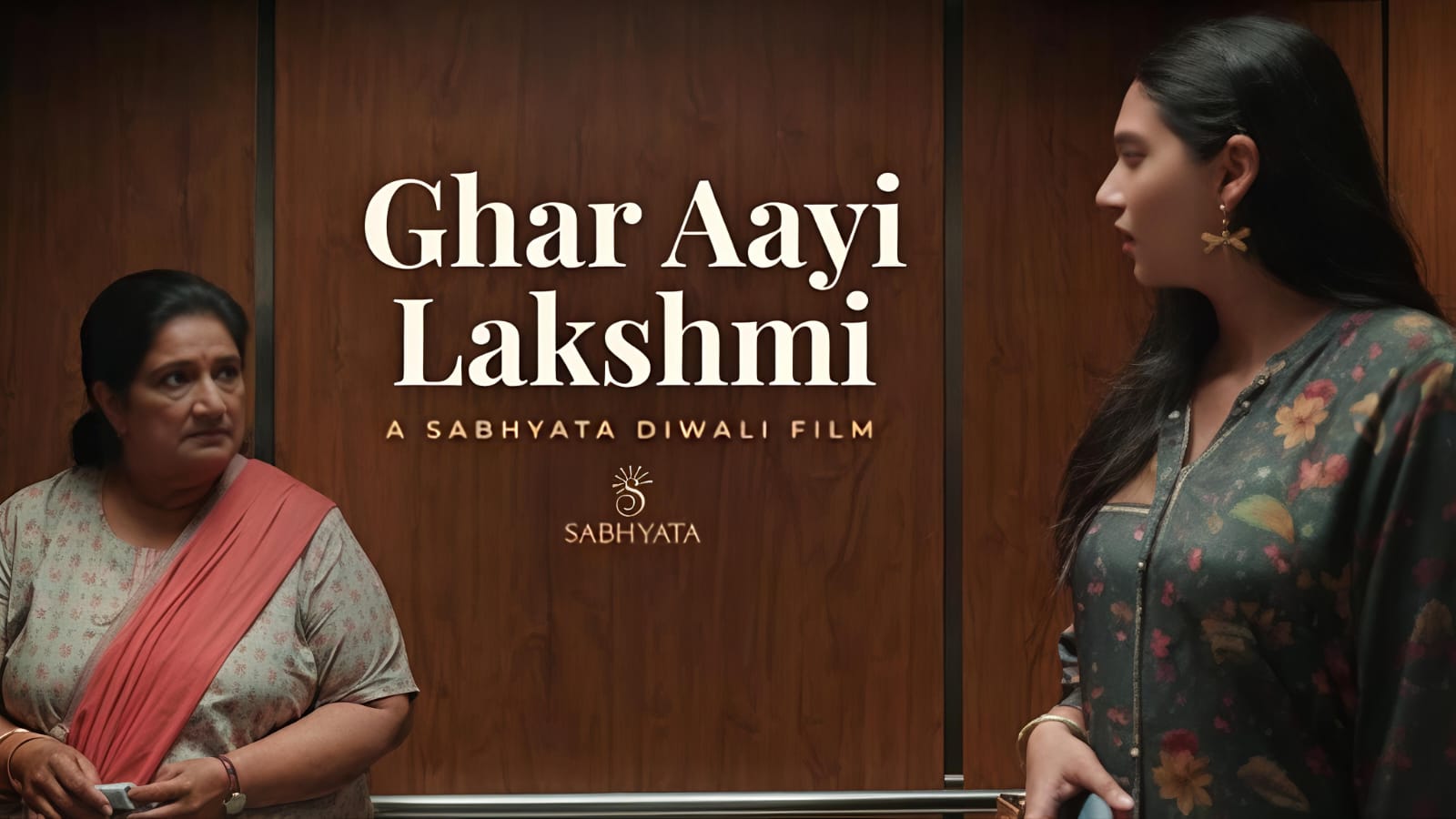
Sabhyata’s Ghar Aayi Lakshmi points at the contradiction. Many landlords welcome the goddess but refuse to rent to women who live alone, and the “families only” restriction is the tool they use. The film does not shout. It places the two facts side by side.
That question set the tone for the season. Between mid-October and early November, developers and advisory firms rolled out their festive campaigns. Diwali, which fell on 8 November, gave brands more than lights and sweets. Its rituals and family reunions carried very different messages, from social commentary to humour and product relevance.
Most real estate ads moved away from discount banners. The campaigns fell into two groups: those that sold the feeling of home, and those that asked who gets left out of it.
Part One: Selling the Feeling of Home
Godrej Properties: “Khushiyon Ki Chaabi, Mera Godrej Ghar”

Godrej’s film went live on YouTube and social media in early November. It does not talk about specifications or amenities. It shows festive moments at home: families meeting after a long gap, people cooking together, and a couple celebrating their first Diwali in a new home.
The campaign extends to nearly 100 real homeowner stories from Godrej projects. It was also adapted into Marathi, Bengali, Telugu and Kannada. Real customers carry more credibility than actors, and regional versions reach buyers that a single Hindi or English film would miss.
Adani Realty: “Come Home to Celebrations”
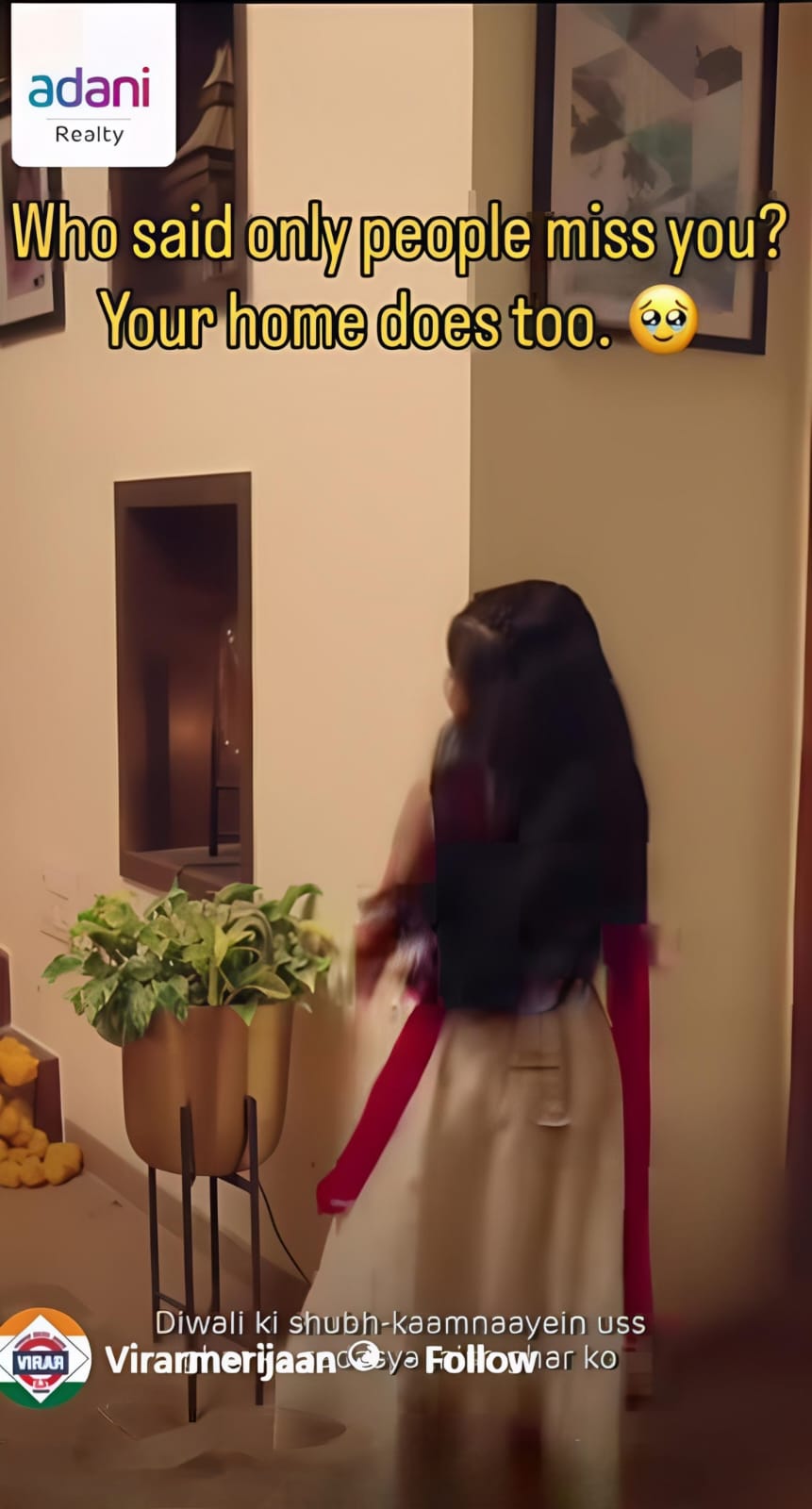
Adani kept the idea simple. The film centres on the bond between a family and the space they live in. It shows a home with marigold garlands and lit diyas, and asks, “Who said only people miss you?”
The line frames buying a home as returning to a place that welcomes you back. It is a quiet pitch for a festival that is all about going home.
Part Two: Who Gets to Celebrate?
Not everyone can go home, or has a home to open up. Several campaigns, including some from outside real estate, looked at people on the edges of the festival.
Sabhyata’s Ghar Aayi Lakshmi is the sharpest example for our industry. Housing access is a real estate issue, and the film lands on a practice that brokers, owners and developers all know. Who we rent and sell to is also part of our brand.
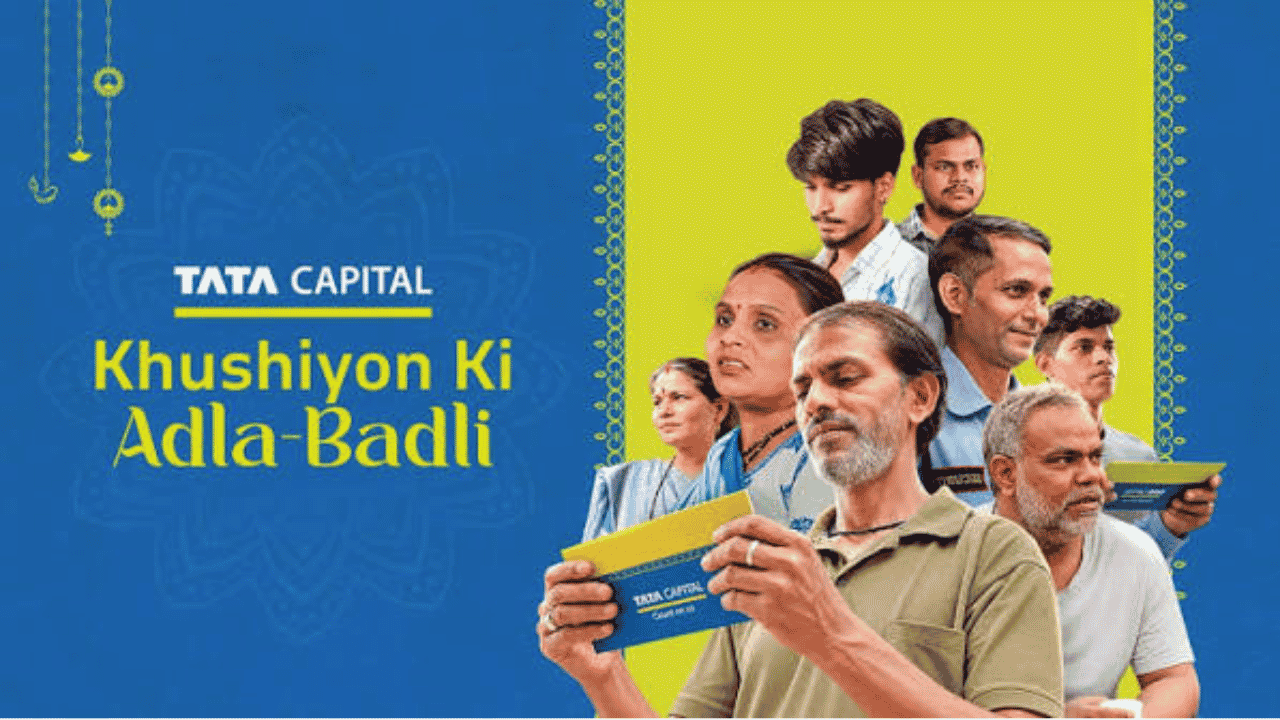
Tata Capital’s Khushiyon Ki Adla Badli follows workers who want to be home for Diwali but cannot leave because no one can cover their duties. The campaign connects them with people looking for extra earning opportunities. One person gets to go home, and another earns. Mutual support sits at the centre of the message.
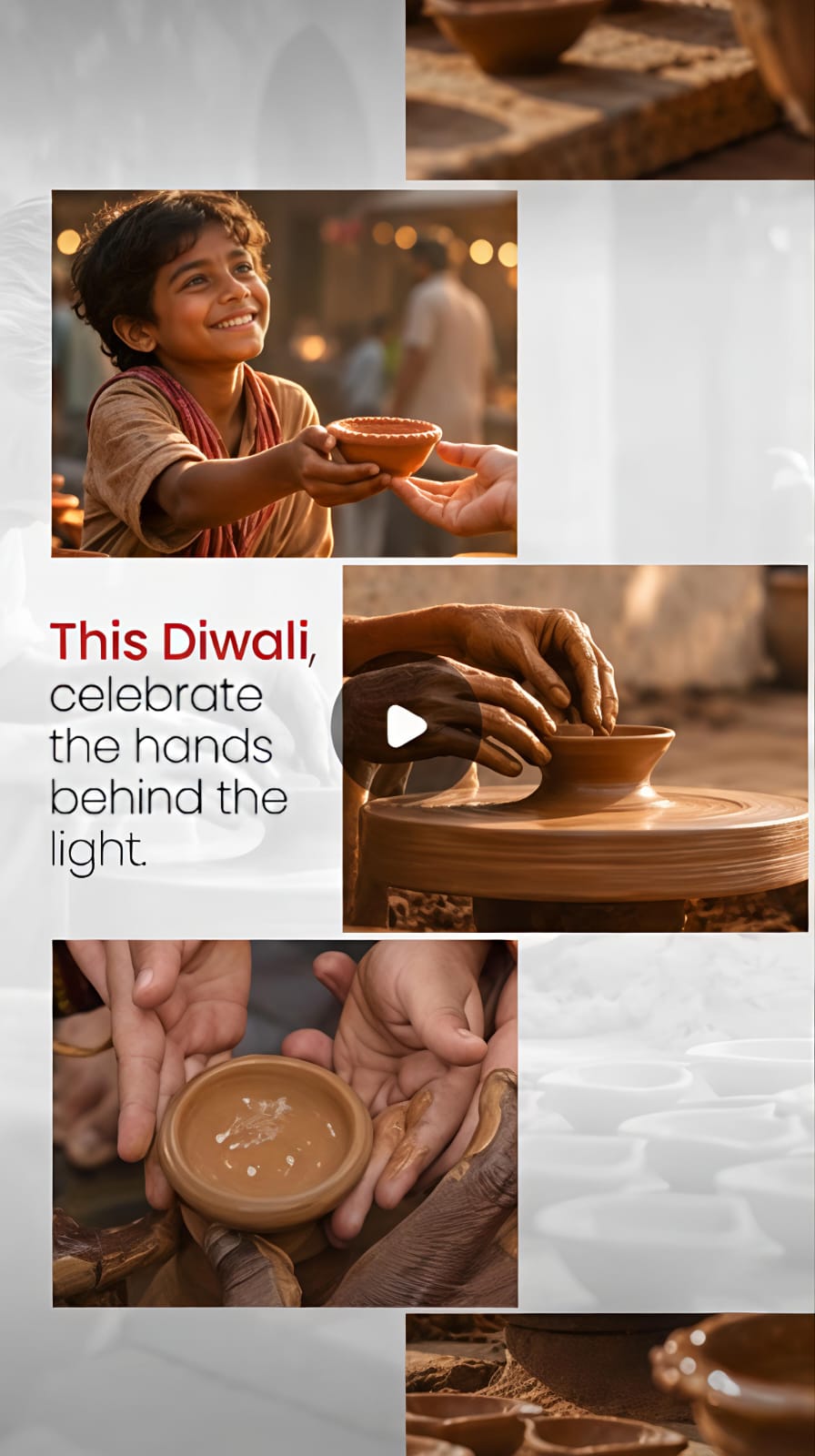
Somany Ceramics’ Umeed Ka Diya turns to local potters. Their handmade diyas light up other people’s celebrations, yet their own livelihoods depend on festive purchases. For a building materials brand, it is a natural way to talk about craft and the people behind it.

Dabur Real’s Real Bonds with Real Greetings looks at inclusion through children. They find a way to bring Diwali to a friend who cannot step outside. It is the lightest of the four, and the message is simple: no one should celebrate alone.
These films share one habit. Each starts with a real situation, not a product. The brand appears only after the viewer already cares.
Part Three: The Investor and the Mall
Jenika Ventures: “Saal Ke Sabse Shubh 36 Din”

Jenika went for a different audience. Its Billionaires Property Festival ran in late October across the Navratri-to-Diwali window and targeted founders, business owners and high-net-worth investors.
There were no cash discounts. The offer was asset bundling: buy a home and get an office space free, or buy an office space and get a plot free. Luxury festive gifting came on top. For investors who think in portfolios, a bundle can feel smarter than a few percentage points off.
Nexus Select Malls: “Asli Happyness Wali Diwali”
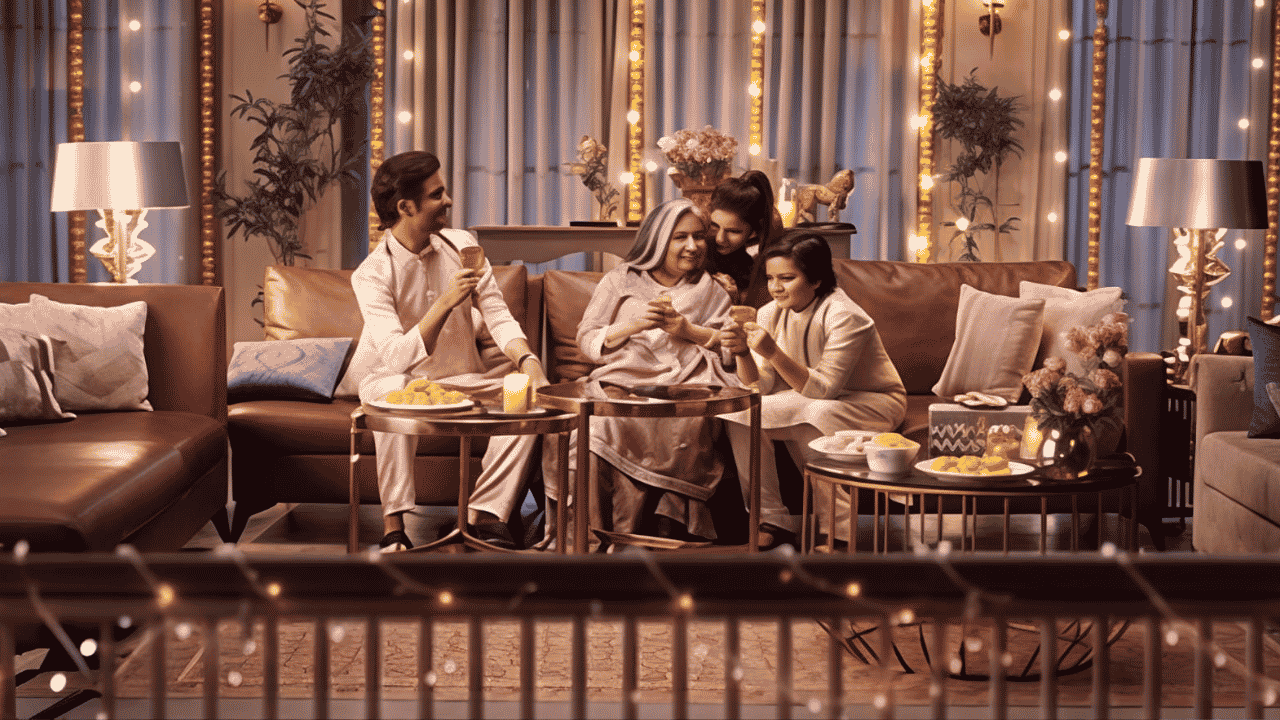
Nexus Select Malls launched its campaign at the end of October. It focused on togetherness and in-person celebration across its malls. For retail real estate the goal is footfall, so the campaign sold experience, not offers.
The Wider Trends
1. Multi-developer property festivals. In mid-October, the Navratri Property Fest in NCR brought together developers such as M3M, Hero Homes, CRC and Bhutani. In Noida, the Indian Property Navratri Exhibition followed a similar model. Food, cultural programmes and spot-booking rates sat under one roof. Buyers could compare projects in one visit, and developers shared the cost.
2. Price locks over gimmicks. Industry playbooks noted fewer pure freebie ads, such as free gold coins. In their place came pre-Dhanteras price locks, modular kitchen inclusions and waived parking charges, aimed mainly at the ₹1 crore-plus segment. A clear deadline gives a serious buyer a reason to decide now.
3. Tighter compliance. With updated ASCI guidelines and continued state RERA enforcement, festive creatives carried RERA QR codes, especially in Maharashtra. Ads that used AI-generated renders for under-construction projects also carried disclosures.
So, How Did the Season Go?
It is early, and the picture is mixed.
On the positive side, developers reported more site visits, faster enquiries and quicker bookings during the Navratri-to-Diwali stretch, and some expect Q4 to stay strong. Reports also describe the festive quarter as a key period for demand.
On the cautious side, buyers are asking harder questions. One Dhanteras-Diwali report says the conversation has moved from “How much off?” to what the total cost of ownership looks like after the waiver, the EMI and the possession timeline. A survey cited by Outlook Money found that about half of 63 real estate firms reported lower festive bookings than the previous festive season.
Both readings fit what the ads showed. Stories and offers bring people in. Price clarity, possession dates and trust decide whether they book.
The Leads Are Still Warm
The festival is over, but the enquiries are not. Many buyers who visited sites or called during Diwali will decide in the coming weeks. A few steps matter most:
Call back every enquiry quickly, and do not wait for them to call again.
Share the full cost, including the offer’s fine print, EMI and possession date.
Offer a second site visit to people who came during the rush and could not see much.
Keep the festive price lock honest. If it has ended, say so plainly.
What to Carry Into the Next Season
The next windows are year-end closing, the wedding season and early-year launches. The ideas from this Diwali can travel into all of them.
Start with a person, not a product. From Godrej’s homeowners to the potters in Somany’s film, the strongest ideas began with a real human situation.
Use real stories. Any developer with happy homeowners already has the material. Ask them for it.
Speak the buyer’s language. Regional adaptations show that localisation matters. Smaller developers can do this on a smaller scale.
Look at who is left out. Rental bias, access and affordability are real issues in housing. A brand that addresses them honestly earns trust, but only if its own practices match the message.
Make offers concrete. A locked price, an included kitchen or a waived charge works better than a vague festive offer.
Plan compliance at the design stage. RERA numbers, QR codes and AI disclosures are easier to build in than to add later.
The Bigger Picture
This Diwali, the industry showed it can talk about homes in more than one way. Some brands sold the warmth of arriving. Others asked who is still waiting at the door.
A home is a financial decision, but it is also where people want to feel they belong. The campaigns that worked best respected both. The lights are off now, and the real work begins. Stories bring enquiries. Clear pricing, site visits and honest follow-up turn them into bookings