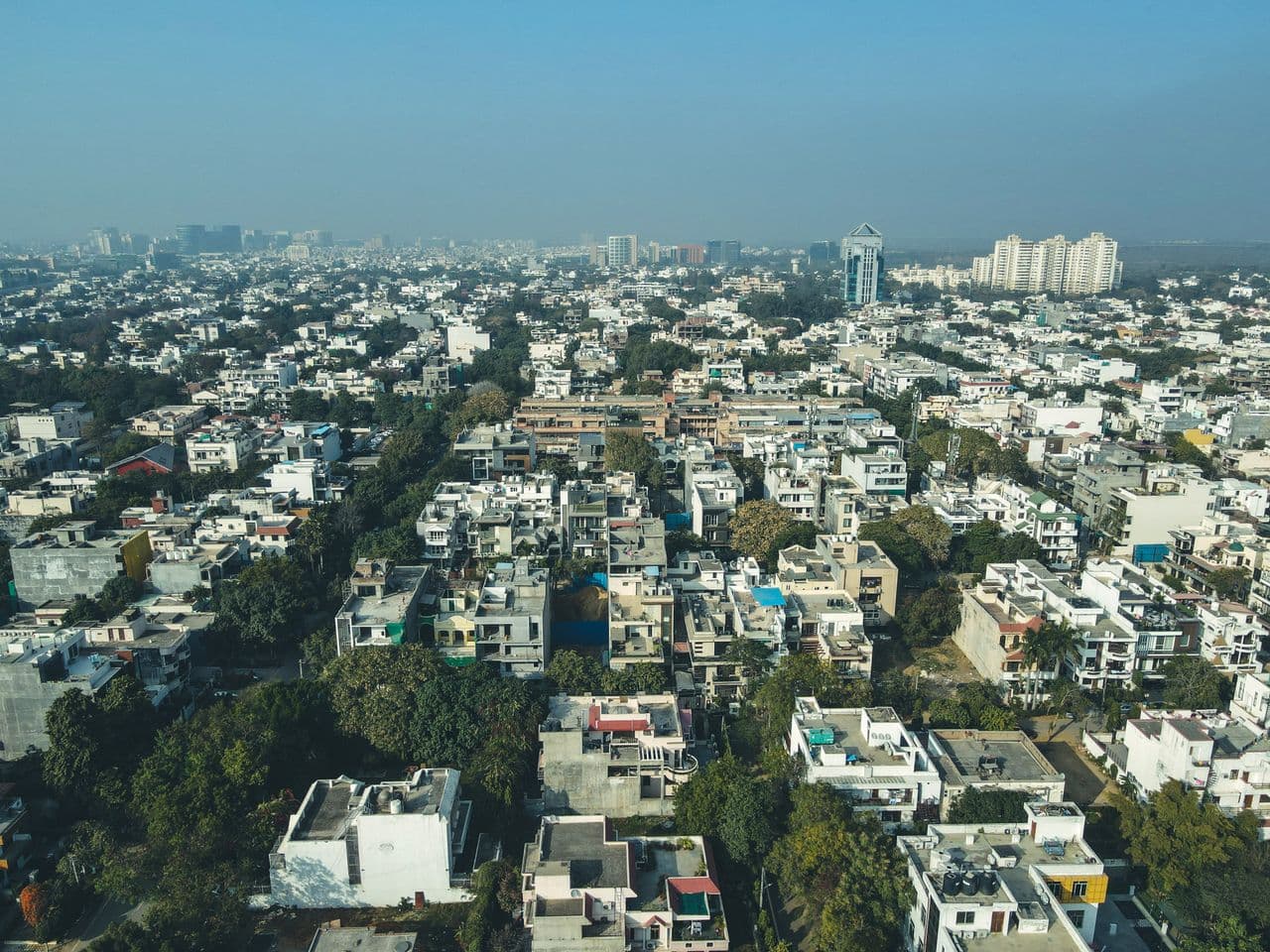
Despite broader signs of cooling in the Indian residential real estate market, the Delhi-NCR region has demonstrated notable resilience, according to the latest edition of PropTiger’s "Real Insight Residential: Q1 2025" report. The data shows that housing prices in Delhi-NCR remained unchanged during the January–March 2025 quarter, holding firm at an average of ₹8,106 per square foot. This pricing stability stands out as a positive indicator amidst a national context of softened transaction volumes and slowed price momentum.
Delhi-NCR Maintains Price Stability After Period of Rapid Growth
Delhi-NCR, one of India’s most prominent and historically volatile property markets, has entered a stabilizing phase. The average pricing remained the same as the previous quarter, a marked change from the aggressive appreciation seen during 2024. Last year, Delhi-NCR recorded an exceptional 32% year-on-year increase in residential prices, elevating it to the most expensive housing market among India’s top eight cities. The halt in this upward trend is viewed as a corrective shift, aligning prices more closely with underlying market fundamentals and reducing the role of speculative investment.
This adjustment is widely interpreted as beneficial for the region, promoting increased participation from genuine homebuyers and supporting a healthier real estate ecosystem.
Industry Leaders See Strength in Market Correction
Market stakeholders have welcomed this development, viewing it as an encouraging sign of maturing buyer sentiment and the long-term viability of the region’s real estate sector.

Mr. Harinder Dhillon, National Sales Head, BPTP, emphasized the constructive nature of the current trend, he said, "The report indicating stable housing prices in key markets like Mumbai and Delhi during the January–March quarter is a positive sign of market resilience. In the NCR region, the Dwarka Expressway continues to emerge as a bright spot – driven by sustained infrastructure development and growing end-user demand. With major connectivity projects nearing completion and increasing interest from both developers and buyers, the corridor is gaining momentum. It is set to play a significant role in driving the region’s real estate growth in the coming months."
The Dwarka Expressway, which has long been promoted as a future growth hub, appears to be living up to its promise, thanks to strategic public investment and increasing interest from both builders and prospective homeowners. Other major infrastructure projects such as the Delhi-Meerut Expressway, the expanding Regional Rapid Transit System (RRTS), and the metro rail network continue to enhance the region’s livability and drive demand for housing in emerging zones.
Transition to an End-User Driven Market
The transition from an investor-centric market to one that is increasingly led by end-users marks a fundamental shift in Delhi-NCR's housing dynamics. As speculative players step back, demand from genuine homebuyers—seeking personal use or long-term returns—has taken precedence.
Mr. Yashank Wason, Managing Director of Royal Green Realty, highlighted the significance of this transition. He said, "The average housing price in the region has now stabilized at ₹8,106 per sq ft, following a phase of rapid appreciation. This stabilization marks a key turning point, reflecting a transition towards a more end-user-driven market and setting the stage for sustainable, long-term growth. With speculative activity tapering off and market fundamentals gaining strength, Delhi-NCR is well-positioned to experience steady development that will benefit both homebuyers and developers alike."

This sentiment is echoed by real estate analysts, who believe the return to price stability will not only promote transparency and trust in the market but also lead to more sustainable project pipelines from developers who can now focus more on delivery and quality.
Cautious Optimism Amid Economic Headwinds
While other major metropolitan areas have shown signs of a mild slowdown in sales volumes and launches, the balanced pricing in Delhi-NCR has helped maintain market sentiment. Analysts believe that this stability could form a strong foundation for renewed growth in the latter half of 2025, especially as macroeconomic conditions stabilize and interest rates potentially soften.
The region’s continued investment in infrastructure and the strategic development of peripheral micro-markets—such as Noida Extension, New Gurgaon, and areas around the upcoming Jewar Airport—are expected to attract both domestic and NRI buyers. These factors are likely to compensate for any temporary softening in demand and support a gradual uptick in transactions over the coming quarters.
The PropTiger Q1 2025 report highlights a maturing and stabilizing residential market in Delhi-NCR. While headline price growth has paused, this trend is widely regarded as a constructive shift for the sector. The combination of steady pricing, ongoing infrastructure improvements, and a more discerning base of homebuyers indicates that the market is transitioning into a more sustainable and predictable phase. With key demand drivers intact and several major projects approaching completion, Delhi-NCR is expected to remain a central focus in India’s real estate landscape through the rest of 2025.