
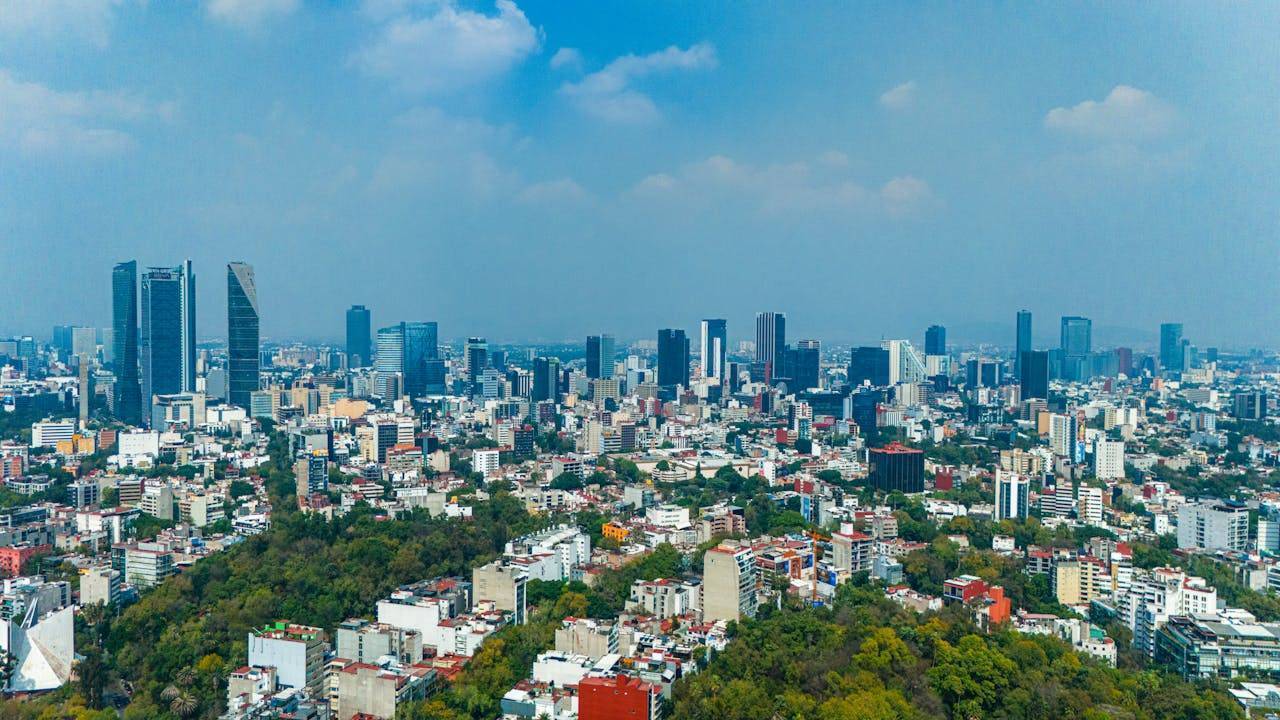
2025 will be remembered as the year in which Indian real estate found firmer footing. Not because of hype or sudden spikes, but because growth seemed sustainable. Buyers came with more defined intent, developers delivered, and infrastructure moved from promise to actual, usable fact. It changed the market's tone.
Residential: Luxury at the Forefront, Yet the Base Broadening
Luxury residential remained at the helm throughout the year. Delhi–NCR, with Gurugram as a noticeable hotbed of activity, emerged as one of the most active premium residential markets in the country. Residences upwards of ₹4 crore continued to witness steady demand through renewed buyer confidence in the ongoing narrative: expressways were functional, metro networks had extended and continued to extend, and social infrastructure had caught up. For high-net-worth individuals and those investing for the long-term, the focus had shifted from flipping to investing in quality and scale and new developments designed for longevity.
The defining feature of 2025 was the dispersion of demand. Tier-2 cities showed their capability to sustain growth, and Lucknow was no exception, with sales values jumping up sharply amidst improvements in road networks, metro lines, and airport infrastructure that redefined perceptions of the city. The consumers there opted for bigger homes, therefore preferring gated communities and integrated townships-more out of confidence than caution.
Pune maintained its lead in residential volumes, on the back of a strong professional workforce and industrial base. Mumbai, despite high prices, once again demonstrated the strength of its market, with all-time high property registrations and stamp duty collections. In the NCR, the hubs of Noida–Greater Noida and other connecting corridors saw increased activity as buyers gravitated toward locations with confirmed connectivity and infrastructure. At the end of the year, residential real estate had become all about pragmatism, durability, and day-to-day feasibility.
Reflecting on the year, Mr Kirthi Chilukuri, Founder & Managing Director, Stonecraft Group, said, “2025 proved to be a defining year for India’s real estate sector, marked by a strong rebound in demand across residential and commercial segments and a clear shift in buyer priorities. We saw growing preference for thoughtfully designed, sustainable developments that prioritise wellness, open spaces, and long-term value. At Stonecraft Group, this translated into rising interest in biophilic design, eco-conscious construction, and curated lifestyle-led projects, particularly in the luxury and premium housing segments. Branded residences also gained traction, reflecting an aspiration for integrated living experiences that combine design, functionality, and hospitality.”
Retail: Footfalls rebound, malls regain momentum
Retail real estate also fared well. Leasing activity scaled to the highest level since the Covid years, and total leasing across malls and high streets in the top eight cities is likely to reach close to 9 million sq ft from 7.8 million sq ft in 2024.
High streets continued to shoulder the bulk of leasing activity. With their steady day-to-day footfall and strong catchment demand, high streets remained the go-to hubs for F&B brands, fashion retailers, and local formats, contributing to about 5.4 mn sq ft of leasing.
Malls, too, recovered appreciably. Leasing climbed to around 3.8 million sq ft in the year, from 2.5 million sq ft last year, as projects long delayed reached completion. New fresh Grade A mall supply hit the market following a subdued 2024, particularly during the second half of the year.
Equally important was how the malls themselves evolved: developers began to treat malls as destinations for extended stays rather than merely rows of shops—enhanced food offerings, entertainment, and community-focused spaces increased dwell time and gave retailers the confidence to secure long-term leases again.
Girish Kamble, CEO–West, Tribeca Developers, said, “India’s retail sector continues to demonstrate strong momentum, driven by robust leasing activity and sustained expansion from both domestic and global brands. What’s especially encouraging is the growing demand for modern, branded, and experiential retail environments - formats that elevate convenience, curation, and consumer engagement.
We believe the market is now firmly ready for branded retail and premium commercial destinations, particularly in the luxury segment. This aligns strongly with our own development philosophy at Tribeca, where we are creating next-generation commercial spaces designed for global brands, aspirational consumers, and the future of urban retail. The shift is clear: India is ready - and rising - to embrace world-class retail real estate.”
Looking Ahead
Taken together, residential and retail in 2025 offer a sense of reset. Decision-making was more deliberative, planning better anchored, and growth more evenly spread across cities and segments. Infrastructure, sustainability, and lived experience became more core subjects of conversation. As the sector enters 2026, the foundation seems firmer, more balanced, and more favorably positioned for steady, long-term growth.




.png)