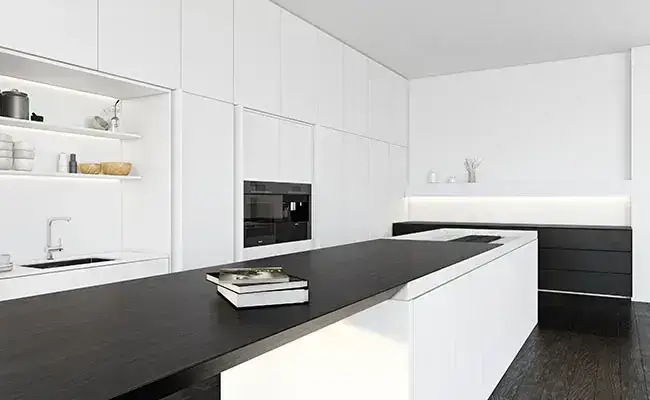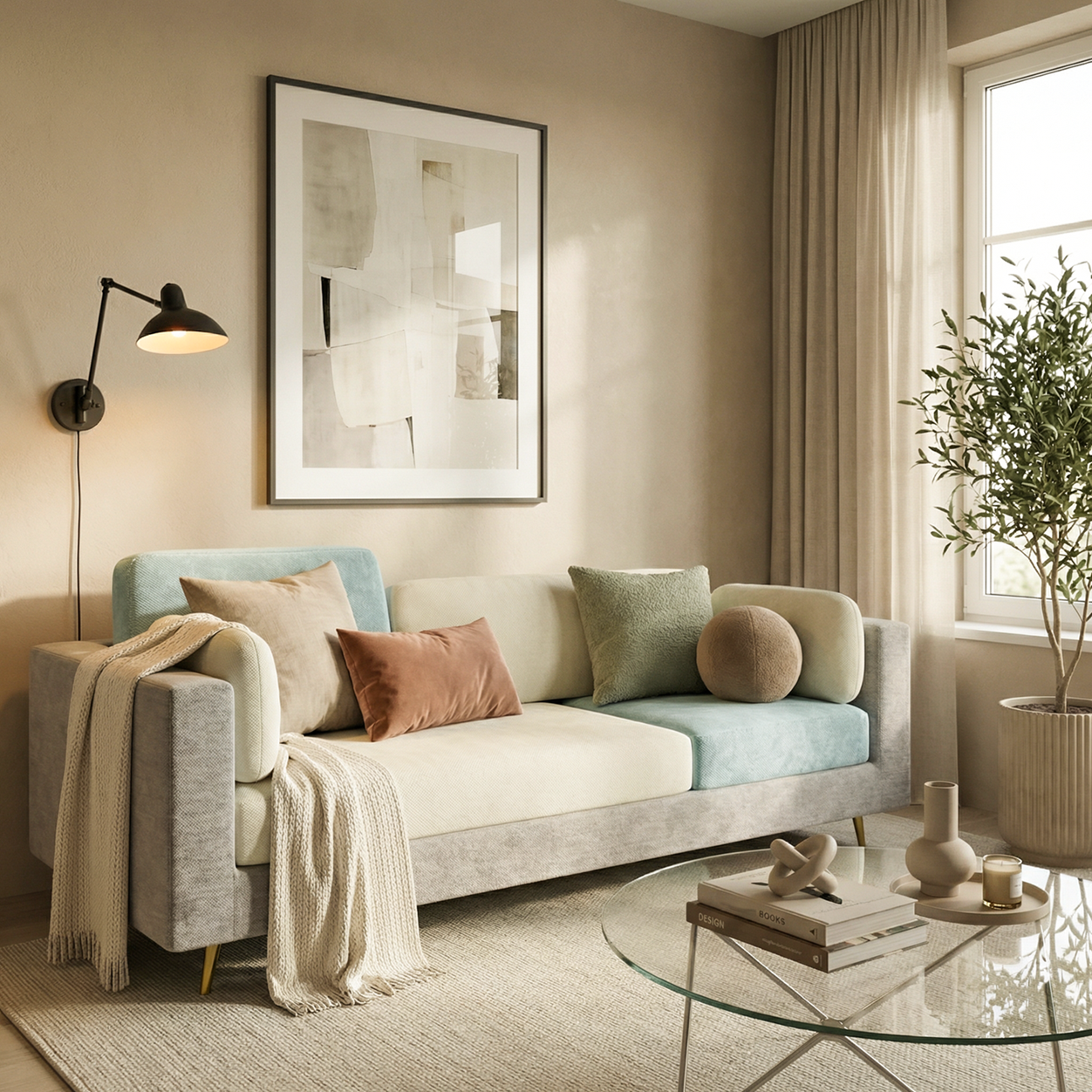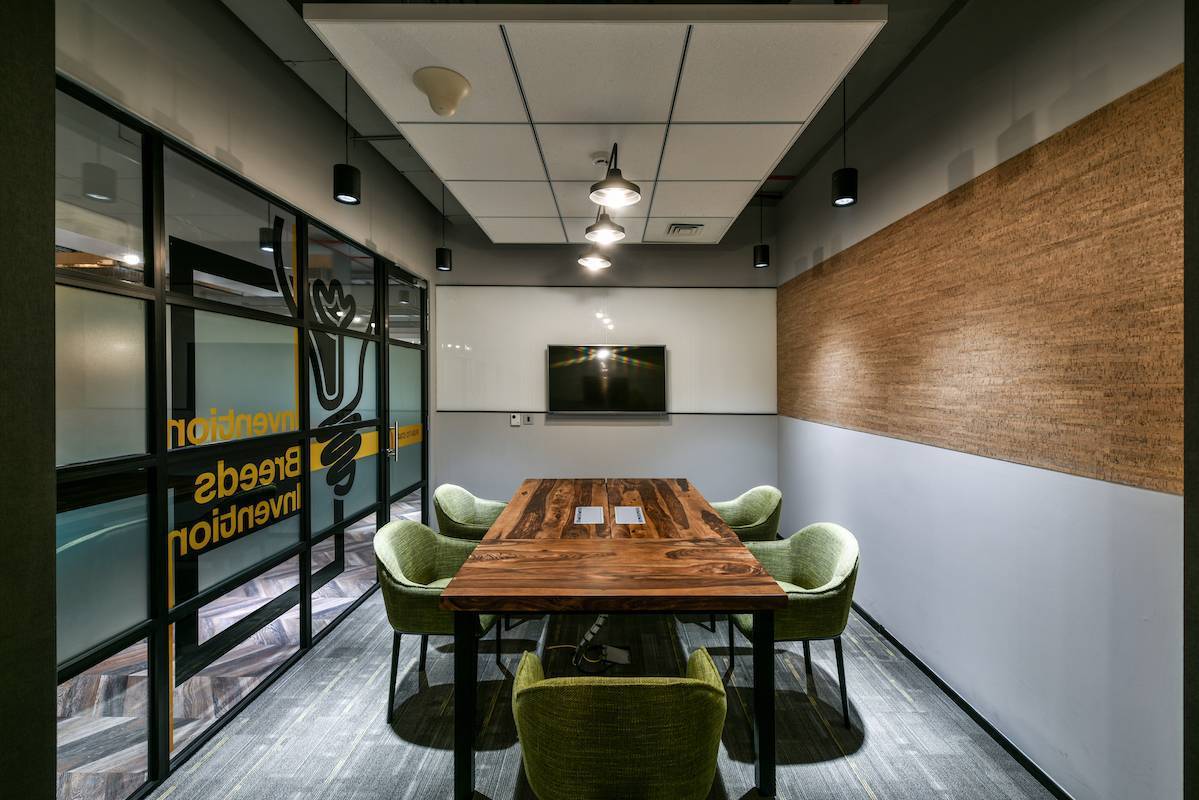
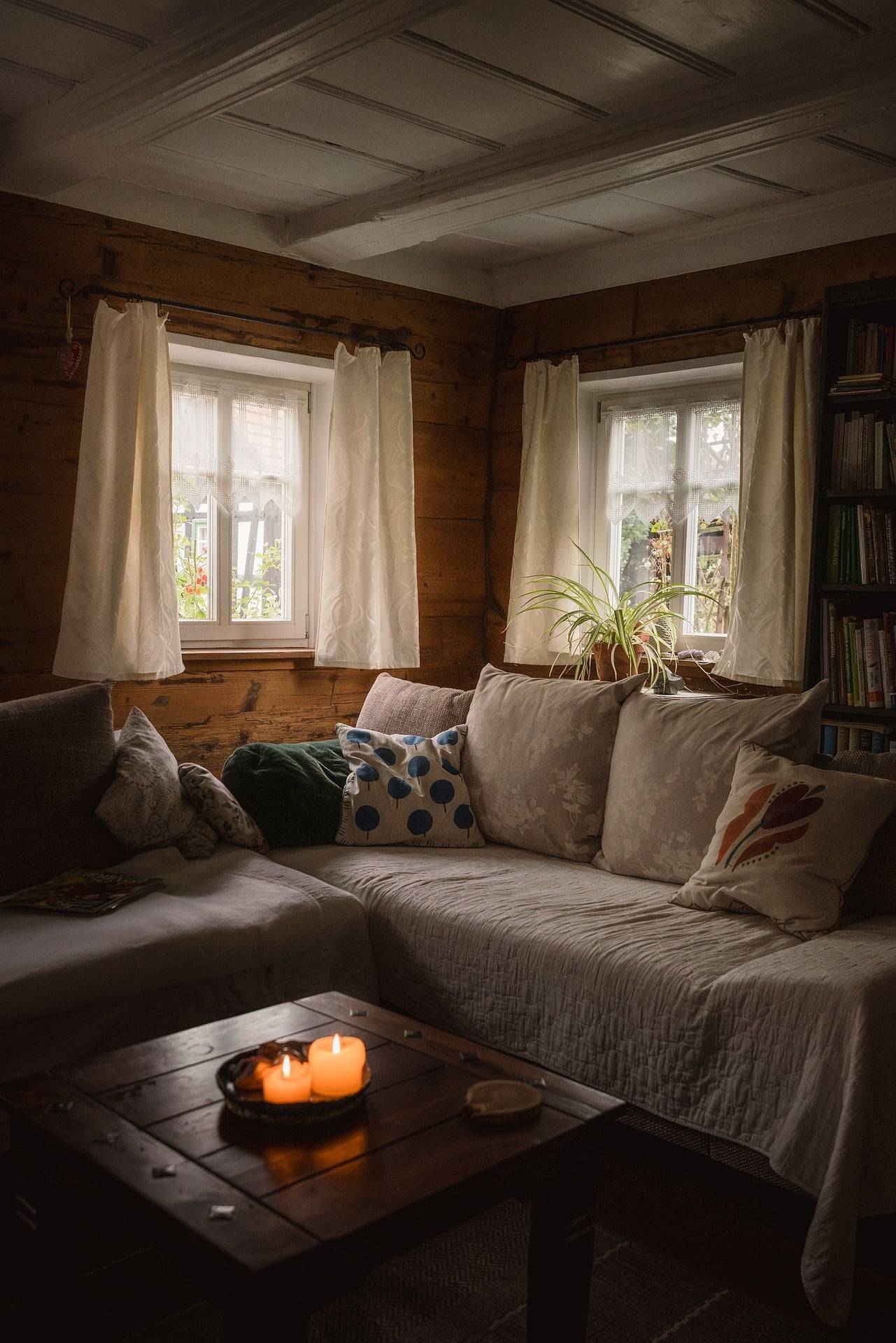
A high-end home is becoming more than just a lot of space, a great location, and lots of high-end features. People who are buying homes today are paying more attention to how they fit into their daily lives. Things like privacy, natural light, useful layouts and places to relax are now important factors. This change affects both residential planning and architectural design, pushing professionals to think about more than just how a space looks and feels when they live there.
As urban lifestyles become more demanding, homes are expected to accommodate multiple needs from working and spending time with family to entertaining guests and finding moments of quiet. This is changing how buyers assess residential spaces and how developers and design professionals approach premium housing.

According to Ankita Luharuka, CEO of Alliance City Developers , the emphasis is increasingly on how effectively a home uses its available space. “The idea of a premium home is moving beyond size and a long list of amenities. Buyers are increasingly looking for privacy, natural light, good ventilation and layouts that make everyday living more comfortable. The way private and shared areas are planned can significantly influence how a home functions. Balconies, thoughtfully designed common spaces and quiet corners for reading, working or relaxing can make a home more adaptable to changing lifestyle needs. For developers, the challenge is to bring together aesthetics and practicality so that every square foot contributes to the overall living experience.”

The shift is also influencing architectural details, material selection and the relationship between indoor and outdoor spaces. Rishabh Jain, Director, International Business, Petros® Stone LLP , highlights how design elements can help create a more comfortable and private environment. “Luxury today is increasingly about the quality of the space rather than its size alone. Features such as traditional jaalis can filter sunlight while allowing ventilation and maintaining privacy, bringing together functionality and visual appeal. Natural light can make interiors feel more open while carefully designed gardens, terraces and courtyards create opportunities to relax away from the pace of city life. Materials, finishes and landscaping also need to be considered for their usability and maintenance so that these spaces remain enjoyable over time.”
Both points of view point to a larger change in high-end residential development: design choices are being looked at more and more in terms of how they affect daily comfort. This means that coders need to think about privacy, air flow, and space planning from the very beginning of a project. For architects and material experts, this means picking parts that look good, work well, and can be used for a long time.
Outdoor areas are also becoming more than just nice-looking extras. Patios, gardens and decks can make living spaces bigger giving people more space to relax and hang out with others. Their value rests on more than just their size. It also depends on how well they are landscaped, what materials they are made of and how easy they are to keep up.
Finally, the best home is becoming more and more defined by how well it balances privacy, openness, and usefulness. Even though buyer needs change, privacy, natural light and places to relax are likely to remain important in the next phase of luxury housing.