Changing Homebuyer Preferences
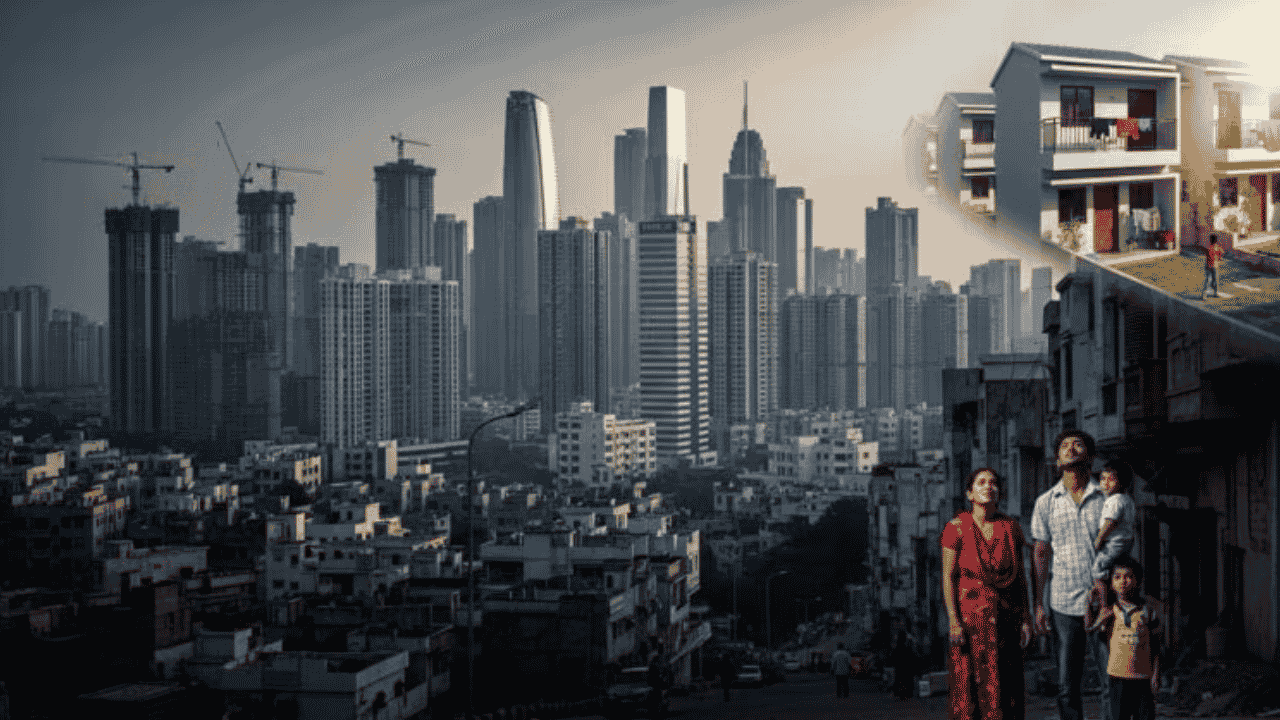
Cities have grown denser and the working day longer, and the homebuyer has become more particular. Homebuyers continue to place importance on spacious homes, well-planned amenities and clubhouses, but their expectations now extend to the overall quality of life a residential community can offer. Families, however, now give equal thought to their health and to the quality of life, and it is this that has brought sports-led communities into focus.
For years, swimming pools, gyms, landscaped gardens and multipurpose halls formed the standard recreational offering in residential developments. These facilities continue to matter to homebuyers, although expectations have gradually expanded.
Health, fitness and the ability to spend more time outdoors are becoming important considerations, particularly for families looking at long-term living. Developers are responding by giving greater attention to dedicated sporting facilities and open spaces within their master plans, making regular physical activity more convenient for residents.
From Recreational Amenities to Everyday Experiences
Partyhall, futsal court, Multi-purpose courts have long been part of residential developments, but dedicated sporting facilities are now receiving greater attention in township planning. Football fields, tennis and badminton courts, basketball facilities and jogging tracks give residents opportunities to pursue sports and fitness activities closer to home, without having to depend on facilities elsewhere in the city. For children, regular participation in sports helps develop discipline, teamwork and confidence. Working professionals may find it easier to stay active and unwind after a demanding day, while older residents can enjoy walking tracks and recreational activities suited to their interests. Having these facilities within the community makes it easier for families to include physical activity in their everyday schedules.
For developers, the emphasis is on making these facilities accessible and practical for regular use. Their location, safety, ease of access and suitability for different age groups need to be considered during residential planning, so that sports become a part of everyday community life rather than simply another addition to the amenities list.
Building Stronger Communities Through Sport
Sports have a unique ability to bring people together and give them opportunities to get to know people beyond their immediate circle. A casual game of badminton, a weekend tournament or a group fitness session can lead to regular interaction, helping neighbours develop friendships and a greater sense of belonging within the community.
This is particularly relevant in Bengaluru, where long daily commutes and increasingly screen-driven lifestyles often leave little time for socialising with neighbours. Having shared sporting and recreational spaces within the residential community provides opportunities for residents to meet and spend time together.
Facilities that accommodate different sports, interests and age groups can also encourage wider participation. Children, working professionals and senior residents have opportunities to take part in community activities, helping build stronger relationships across generations and a more connected residential neighbourhood.
A New Dimension to Integrated Urban Planning
The success of sports-led communities depends not just on the number of facilities a development offers, but also on how well they are integrated into the overall master plan. Easy access, safety, pedestrian-friendly pathways, landscaping and open spaces play an important role in making these facilities convenient and comfortable for residents to use regularly.
Larger integrated developments have an advantage in this regard, as residential towers, sporting facilities, recreational areas and community spaces can be planned together. This allows developers to consider how residents move between these spaces and how easily they can access different activities within the township. Thoughtfully planned sports infrastructure can also give a residential development a distinct identity. In a competitive housing market, where homebuyers consider lifestyle and quality of life alongside location, connectivity and design, such facilities can add to a project’s overall appeal.
Bringing Sports and Community Living Together
Larger integrated townships are opening up possibilities for sports infrastructure on a scale that conventional residential developments may find difficult to accommodate. When several acres can be set aside for sport alone, a full-sized football field, multiple badminton, basketball and tennis courts, futsal and beach volleyball no longer have to compete for the same corner of the site. A kilometres-long jogging track adds another dimension, allowing residents to pursue different forms of physical activity within the same neighbourhood.
The relationship between these spaces and residential buildings is equally important. When the towers are planned to look out over the playing fields, the grounds become part of what residents see from their homes every day. Alongside them, a multi-acre clubhouse gives the same community a place for social gatherings, indoor recreation and activities that go beyond the game itself. This allows sport and social interaction to be considered together during master planning.
Such developments also offer opportunities for residents with different interests to participate in community life. Children can take up team sports, working professionals can pursue regular fitness activities, and families can spend time together in shared recreational spaces. When sporting infrastructure is planned at this scale, it becomes an important part of how residents experience the neighbourhood, rather than a facility they visit occasionally.
The Future Is About Living Well
Homebuyers are increasingly looking at the quality of life a residential community can offer, alongside the location, design and value of the property. Sports-led developments are gaining relevance in this regard, bringing together physical fitness, outdoor recreation and opportunities for residents to interact within thoughtfully planned open spaces.
The long-term success of such communities, however, will depend on how well these facilities are maintained and managed. Sporting grounds, courts, jogging tracks and shared recreational spaces require regular upkeep to remain safe and usable. Their accessibility, quality and continued availability will ultimately determine how much residents benefit from them.
For Bengaluru’s premium residential market, the growing emphasis on dedicated sporting precincts, expansive open spaces and integrated social facilities reflects an interesting direction in township planning. It also places greater responsibility on developers to look beyond the homes they build and consider how residents will use and experience the larger community over the years.