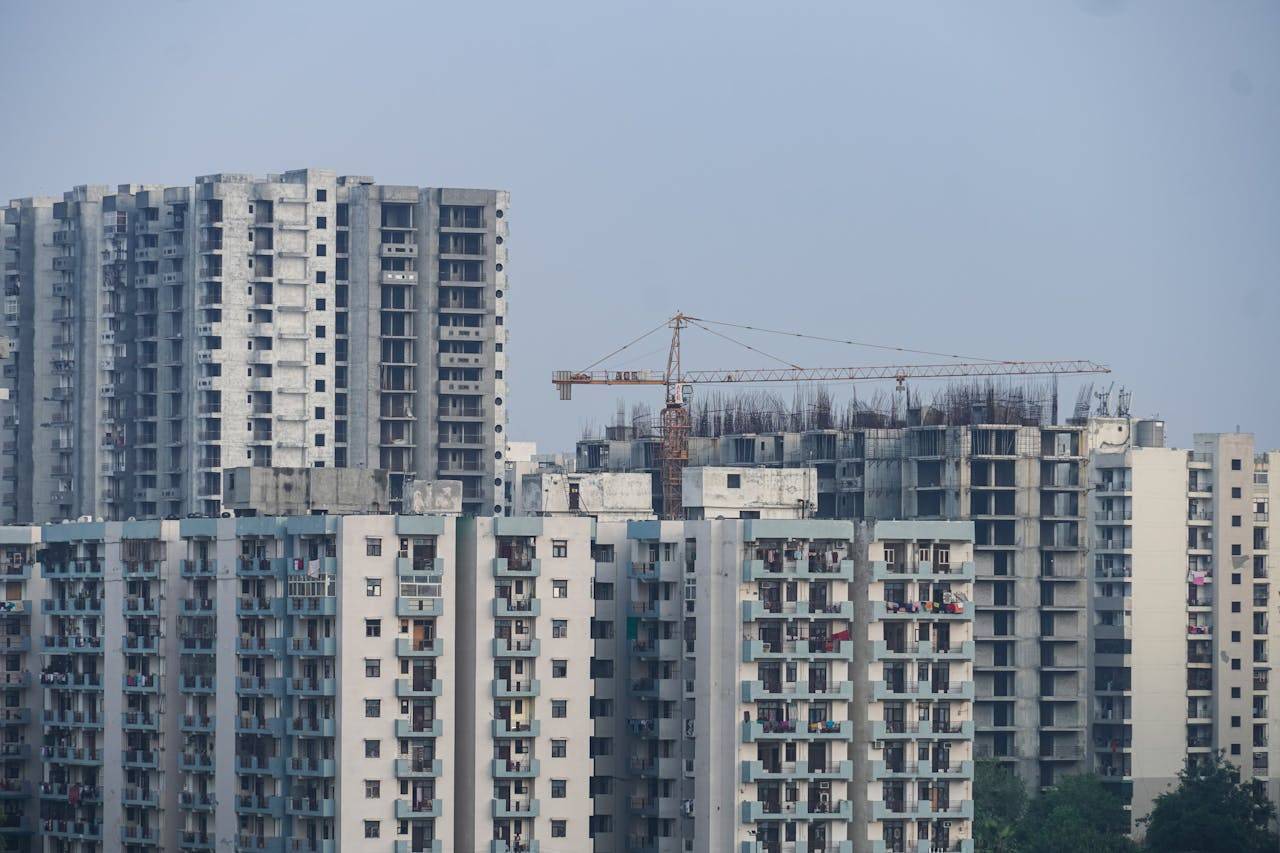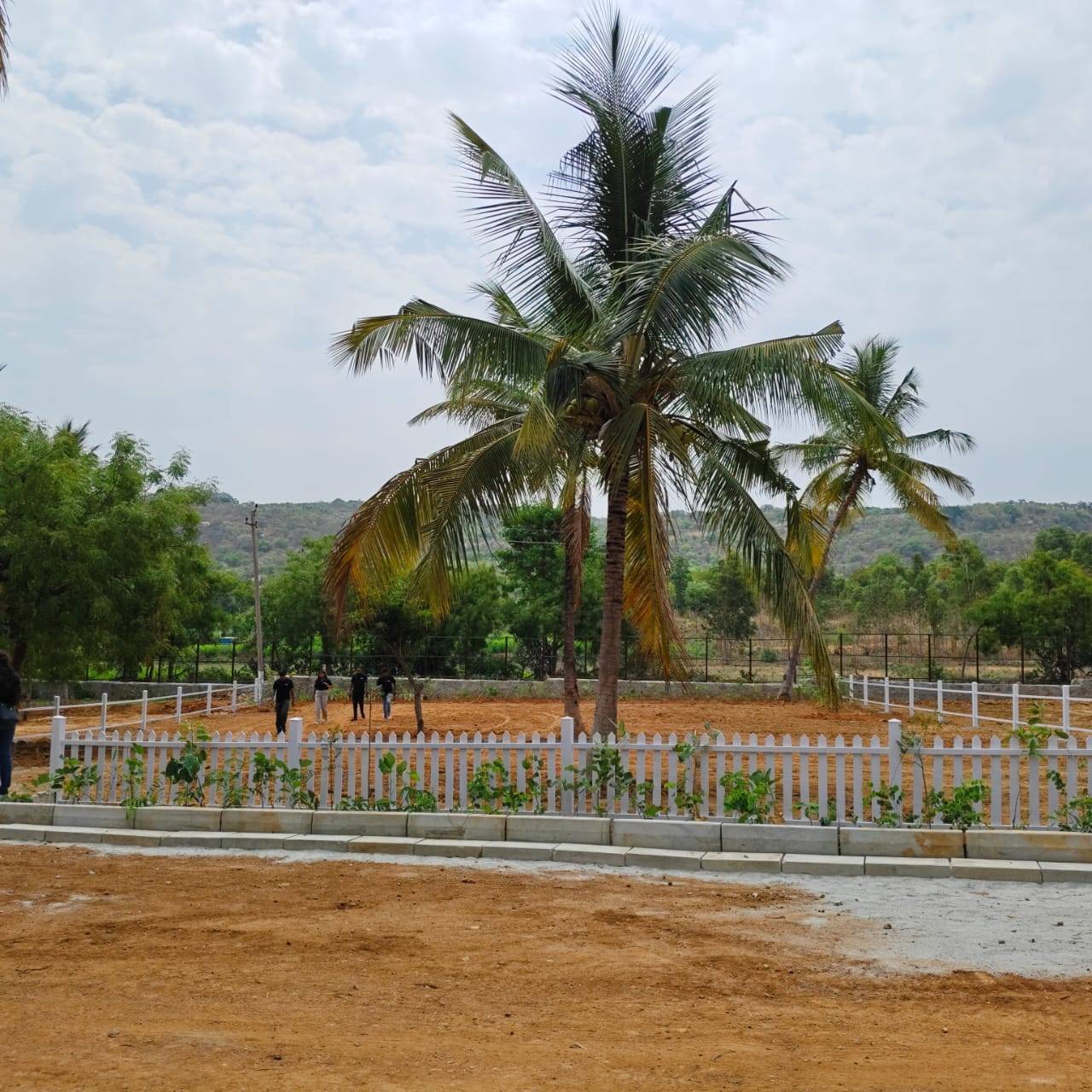

World Environment Day serves as a timely reminder that the future of our cities depends on the choices we make today. As urbanisation accelerates and climate concerns intensify, sustainability has emerged as a defining priority across industries, particularly in real estate, where development decisions have a lasting impact on communities and the environment. It is no longer enough to build faster and larger; the focus must now shift toward building smarter, greener, and more responsibly, ensuring that growth does not come at the cost of the environment.
Sustainability has become an important factor in real estate as more homebuyers and investors are now looking at long-term value. The current generation of consumers are inclined towards communities that have energy-efficient and water-saving features. This pattern reveals that people not only think environmentally friendly homes are beneficial to the planet but also lead to healthier and less expensive ways of living in the future. Because of this, environmentally friendly buildings are gradually becoming a preference while they are both environmentally and economically wise due to their simultaneous appeal in these two areas.
Really, sustainability is turning into an important criterion for developers as they are guided by tightening regulations and climate-related pledges that gradually steer the real estate sector to implement environmentally friendly building practices. The incorporation of green features like the use of renewable energy, waste measurement, and disposal, and the creation of climate-resilient structures, are not possible enhancements that one can do on the side but rather crucial parts of the development of the present times. Those who develop properties and are able to embrace this transformation will not only better comply with the law but also align themselves with ever-changing market demands.
In a nutshell, sustainable real estate means being responsible to the environment while also creating value for the people who live in the area. Local governments should focus on "greener" development to ensure the health and well-being of residents as urbanisation continues to increase over time. The choices that we make today will shape the environment and the quality of life in cities for the generations to come; This way, Obviously sustainability cannot be regarded as only a trend but has to be embraced as a necessary component of the real estate industry's development.
Against this backdrop, industry leaders share their perspectives on the growing importance of sustainability and how it is shaping the future of real estate development.
How Industry Experts View the Rise of Sustainable Development?
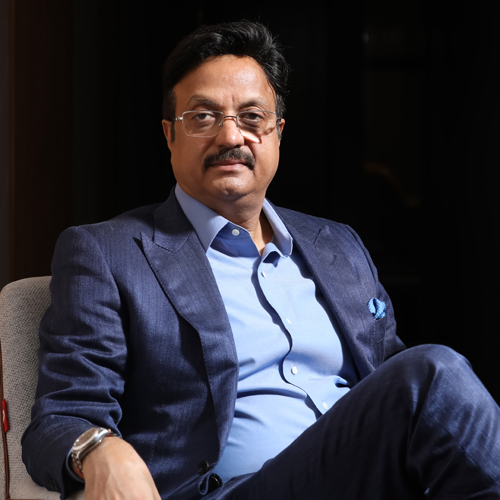
Mr. Aman Sharma, Managing Director & Founder, Aarize Group
"The conversation around sustainability in real estate has evolved from compliance to conscious value creation. Today's homebuyers are not just investing in a residence they are seeking healthier, more efficient, and future-ready communities that support long-term well-being. On World Environment Day, it is important to recognise that sustainability is no longer a differentiator, it is an expectation. From energy-efficient design and water conservation systems to expansive green spaces and climate-resilient infrastructure, environmental responsibility must be integrated into every stage of development. As developers, we have a responsibility to create spaces that enhance quality of life while minimising environmental impact. The decisions we make today will influence how future generations live, work, and interact with their surroundings. Building sustainably is not only about protecting the environment; it is about creating enduring value for communities and ensuring a better future for our cities."
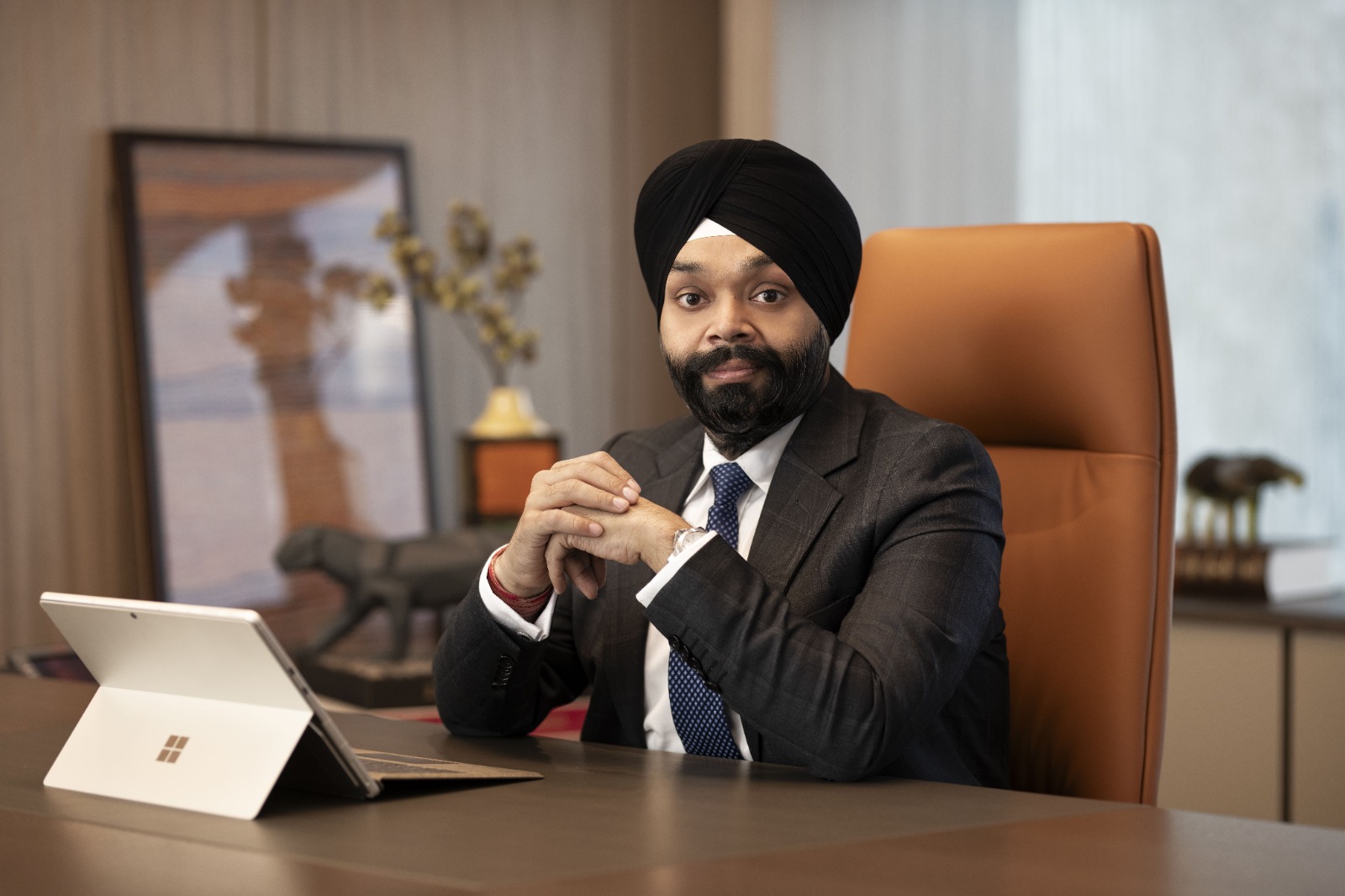
Mr. Parvinder Singh, CEO, Trident Realty
“The real estate sector is evolving and witnessing a significant shift towards more responsible and sustainable development. Today, sustainability goes far beyond incorporating green features into projects. It is about adopting a responsible approach at every stage from design and construction to long-term community living. Developers must create spaces that use resources efficiently and protect the environment. Green spaces, sustainable practices and infrastructure are no longer additions to a project; rather, they have become essential elements of development”.
Mr. Ashok Singh Jaunapuria, MD & CEO, SS Group
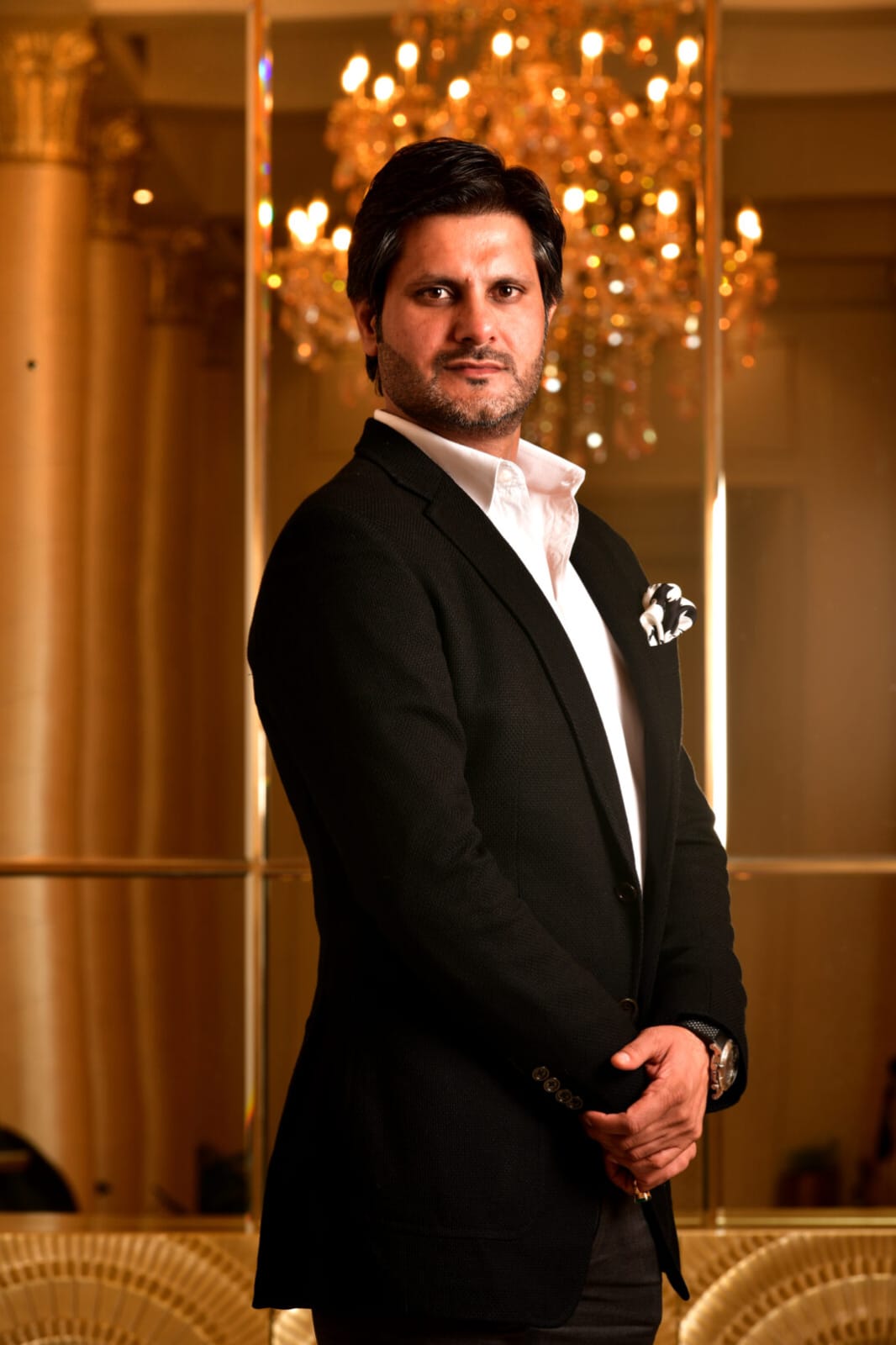
“The way we build our homes, workplaces, and communities today will shape the quality of life for future generations. As a developer, we believe sustainability is not just about adopting green technologies—it is about creating spaces that are healthier, more efficient, and in harmony with the environment. From thoughtfully planned residential communities to modern commercial developments, integrating sustainable practices such as energy efficiency, water conservation, green landscaping, and responsible resource management has become essential to the way we build. On World Environment Day, it is important to reaffirm our commitment to developments that support both urban growth and environmental well-being, ensuring a more sustainable and resilient future for our cities.”
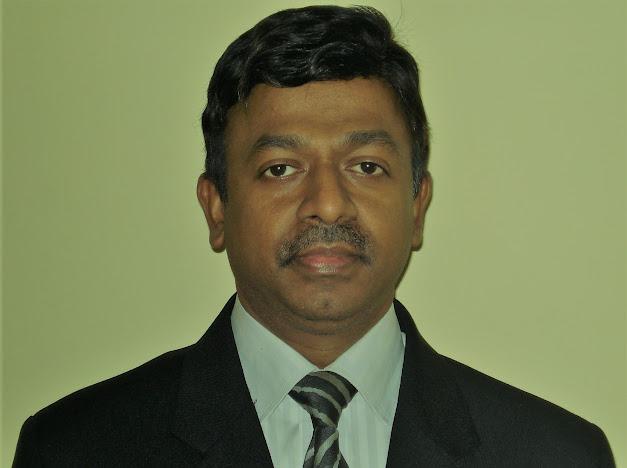
Mr. Biju Mahima, CEO of U-Sphere
"The future of construction will be defined by how effectively we integrate sustainability into every stage of the building lifecycle. At U-Sphere, sustainability is embedded in our 3S philosophy, Speed-Build, Smart-Build, and Sustain-Build, which enables us to deliver infrastructure that is not only faster and more efficient, but also environmentally responsible. By leveraging pre-engineered steel structures, modular construction methodologies, energy-efficient building systems, renewable energy integration, intelligent resource management, and eco-friendly materials, we are reducing construction waste, optimising resource consumption, and lowering the overall environmental footprint of our projects. On World Environment Day 2026, we believe the industry's responsibility extends beyond constructing buildings, it is about creating future-ready spaces that contribute to a greener, smarter, and more sustainable world for generations to come."
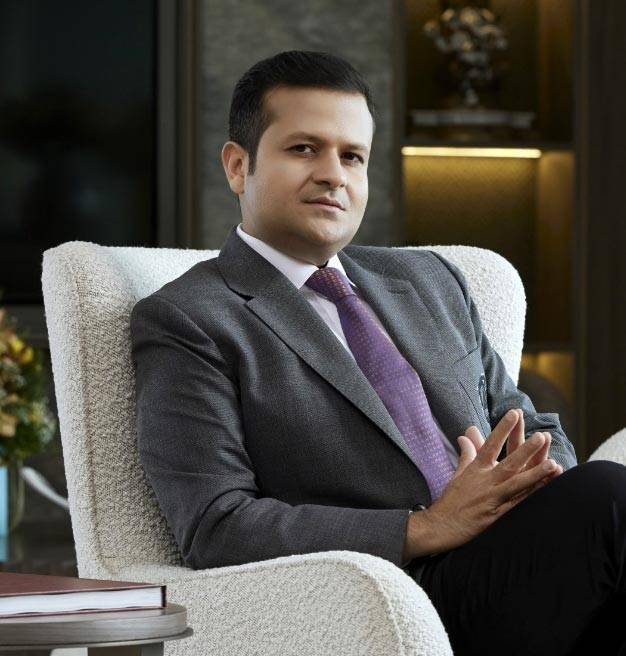
Mr. Ashish Agarwal, Director, AU Real Estate.
“As India’s real estate sector continues to grow rapidly, this growth must be guided by responsibility and long-term vision. Sustainability has become central to modern development, with a clear focus on improving resource efficiency, reducing environmental impact and enhancing the quality of urban living. Sustainable design and construction practices are increasingly being adopted not only to meet environmental goals but also to create lasting value through efficiency and lower operating costs. As India advances its climate commitments, the focus must remain on balancing growth with environmental responsibility and long-term resilience.

Mr. E Lakshinarayan Reddy, Founder, EARA
“For me, sustainability is not something added at the end, it has to be built into the very idea of a project from day one. Today’s luxury homebuyers are not just looking for premium spaces, but for healthier environments, cleaner air, and a deeper connection with nature.
True luxury is no longer just about design or amenities, it also includes living in communities where nature is part of everyday life. As developers, our responsibility is to create spaces that are as respectful to the environment as they are aspirational for the people who live in them.”

Mr. Mitul Jain, Managing Director, SPJ Group
"Sustainability is deeply embedded in our organizational philosophy and guides the way we approach growth and community engagement. Initiatives such as this plantation drive reflect our commitment to creating a positive environmental impact while encouraging collective responsibility. We believe that every community and environment we become a part of should benefit from our presence and efforts. Through continued action and meaningful participation, we aim to contribute towards building greener, healthier, and more resilient cities for future generations."
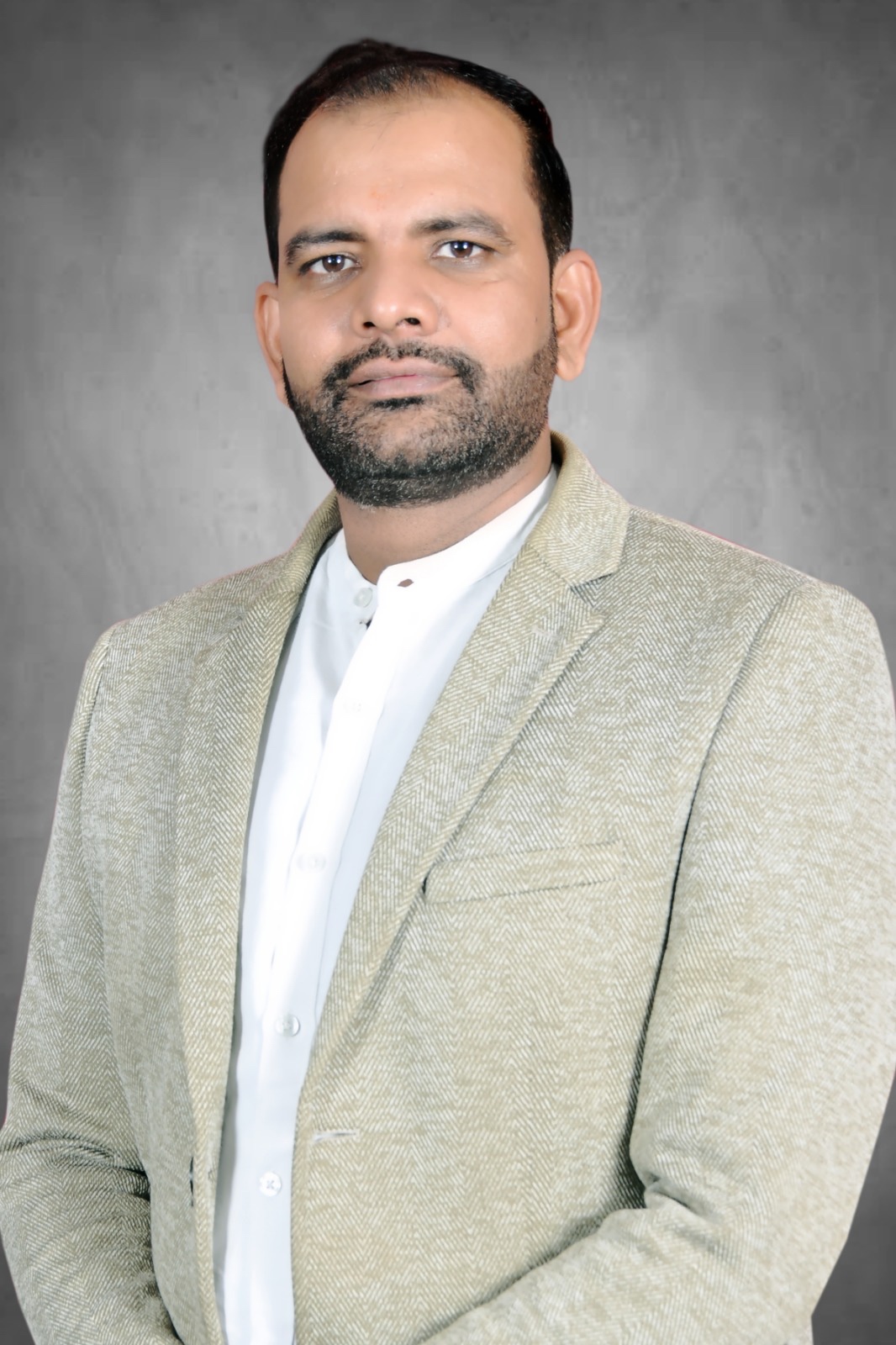
Mr. Pawan Sharma, Managing Director,TRG Group
"Sustainability isn't just a niche preference anymore; it's become a big factor in both commercial and residential choices. In places like Noida and Greater Noida, both businesses and folks are after properties that really care about energy efficiency, eco-construction, smart resource management, and being environmentally conscious over the long haul.
At TRG Group, we get what's going on and are totally committed to incorporating sustainability in all our projects. Take TRG The Mall and One Mart—they're designed to succeed now and help out the planet too. By doing this, we not only reduce costs but make life simpler for everyone, while also doing something good for the Earth.
With the shifting real estate scene, going green and taking responsibility seems set to define urban development in the future. For spaces to keep up and stay worthwhile, they've got to hit the sweet spot of helping the economy, contributing positively to society, and conserving the environment for years and years."
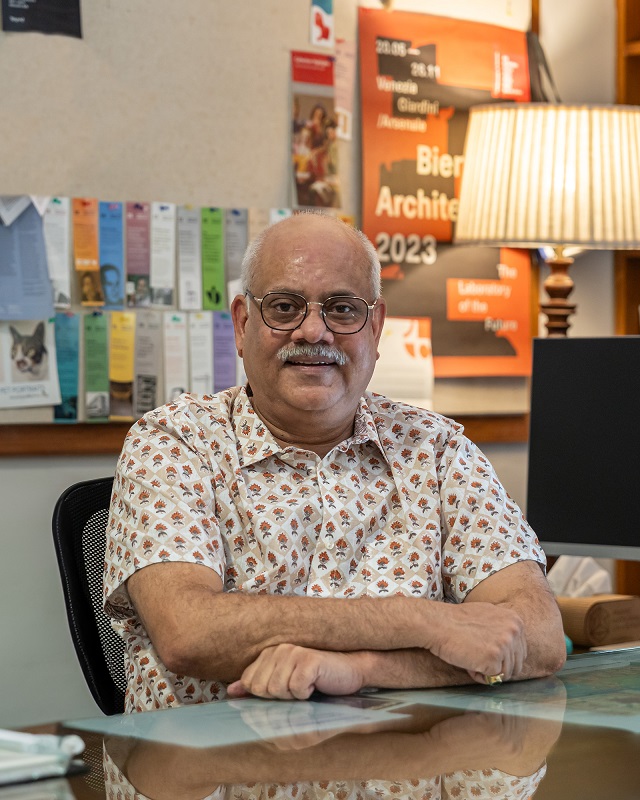
Dr Sanjeev Vidyarthi, Provost, Anant National University
“Nature is not merely a resource to be protected; it is a source of inspiration for how we design, build and live. The theme of World Environment Day 2026, ‘Inspired by Nature. For Climate. For Our Future,’ reminds us that many of the solutions to climate change already exist in the intelligence of natural systems like resilience, adaptability, circularity and regeneration.
As educators, designers, architects, researchers and innovators, we have a responsibility to translate these lessons into meaningful action. Whether through climate-responsive architecture, sustainable materials, resilient urban systems, thoughtful product design, or community-centred solutions, the challenge before us is to create futures that are both environmentally responsible and socially equitable.
At Anant National University, we believe that addressing climate change requires more than technological advancement. It demands imagination, interdisciplinary collaboration and a deep understanding of the relationship between people, places and the planet. By learning from nature, we can design a future that is not only sustainable but regenerative.”
Sustainable real estate is moving toward a more responsible and integrated approach where environmental concerns are built into every stage of development, from planning to construction and long-term operations. Developers are increasingly adopting energy-efficient designs, water-saving systems, renewable energy solutions, and low-waste construction practices to reduce environmental impact. At the same time, buyers and investors are prioritising healthier and more efficient living spaces, pushing the industry toward greener standards. This shift reflects a broader recognition that future-ready urban development must balance growth with ecological responsibility and long-term resilience.