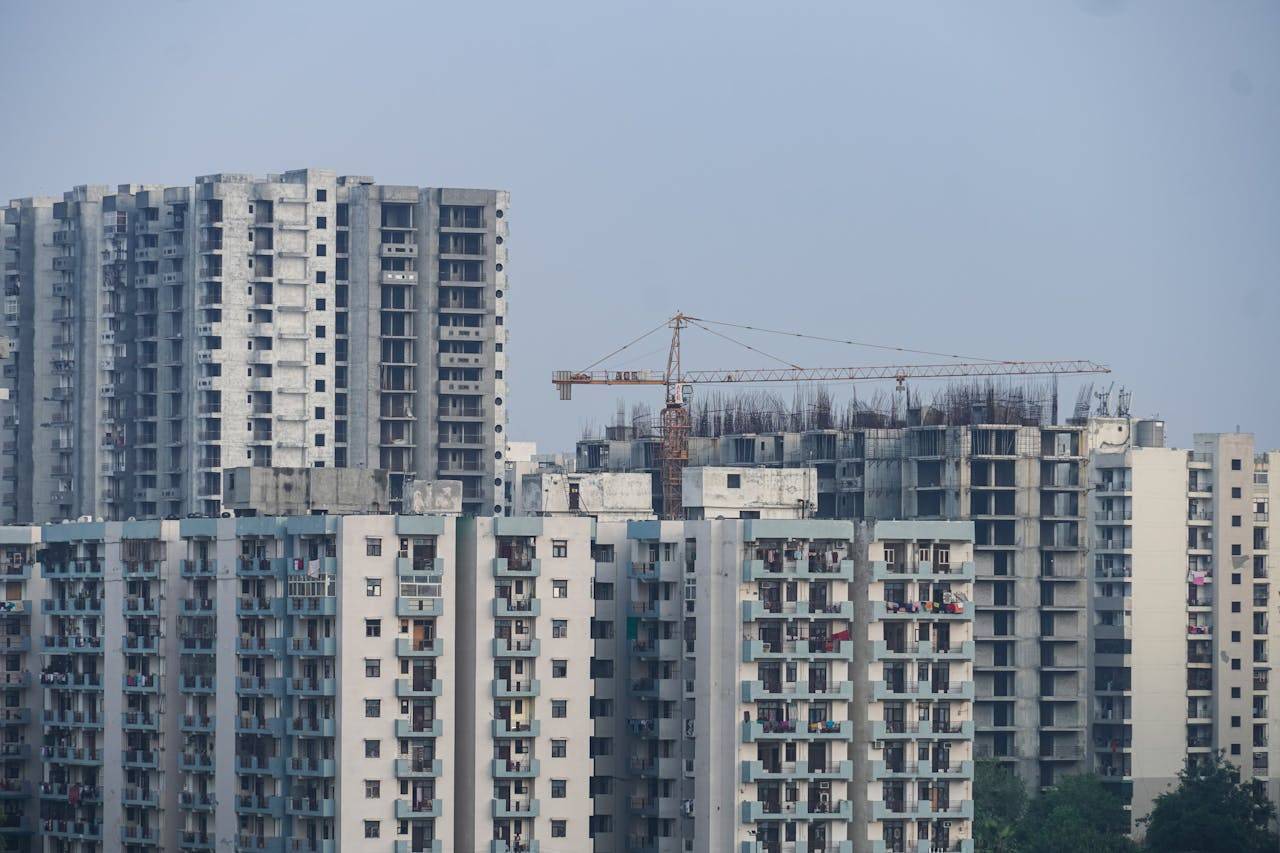

A beautifully designed apartment may still capture attention with its high-end finishes, skyline views, and luxury amenities, but for many homebuyers, the conversation no longer ends at the tower itself. Increasingly, buyers are evaluating what life outside the apartment will actually feel like on a daily basis. Long commutes, traffic fatigue, overcrowded roads, and fragmented urban infrastructure have made convenience a far bigger priority than before.
The pandemic further reshaped this thinking, pushing families to value open spaces, wellness, accessibility, and community-centric environments. As homes became workplaces, classrooms, and everyday living hubs all at once, the demand shifted towards residential ecosystems that could support a more balanced lifestyle.
Instead of existing as individual residential enclaves, townships are being designed as self-sufficient systems that enable everyday activities to run more efficiently. By incorporating all aspects of living – from residential areas to shopping malls, office buildings, schools, hospitals, and fitness centres – into one planned system, there is much less reliance on unpredictable urban systems outside.
Moreover, the emergence of integrated townships is gaining momentum throughout Delhi-NCR, as buyers begin to focus on upcoming growth zones like Dwarka Expressway, Noida Extension, Greater Noida West, Siddharth Vihar, and newer areas of Gurugram. According to JLL, Delhi-NCR witnessed an impressive year-on-year growth of 30% in housing transactions during Q1 of 2026. The impressive growth has been mainly attributed to the development of new infrastructure projects and pent-up demand from buyers. Enhanced connectivity via expressways, metro, and other infrastructural projects has made these zones more desirable and livable compared to older city centres.
Meanwhile, A CREDAI-Liases Foras report indicates that tier-2 and tier-3 cities accounted for 44% of land acquisitions, with 3,294 acres acquired across 2024–25. It indicates that capital is not only moving outward from metros, but doing so with increasing conviction. As tier-2 and tier-3 cities offer larger land parcels, it allows developers to plan projects with better master planning, larger open spaces, and integrated community features.

Mohit Goel, Managing Director, Omaxe Group, said, “The momentum behind integrated township living in Tier-II markets is witnessing a noticeable shift in lifestyle aspirations and housing preferences. Cities like Lucknow, Chandigarh, and Amritsar are emerging as strong growth centres because they offer the land scale needed to create expansive, thoughtfully planned developments. Unlike highly saturated urban pockets, these cities provide the opportunity to build more balanced residential ecosystems with open spaces, retail avenues, wellness infrastructure, and community-centric planning integrated seamlessly into everyday living. Homebuyers today are placing greater value on comfort, convenience, and long-term quality of life, which is naturally accelerating the demand for township-led developments.”
Beyond lifestyle advantages, integrated townships are also increasingly being viewed as stronger long-term residential assets. Well-planned communities with organised infrastructure, professional maintenance ecosystems, and established social amenities tend to hold their value more consistently over time. As social infrastructure around these developments continues to mature, townships are emerging as more future-ready and resilient residential destinations compared to standalone luxury projects with limited ecosystem support.

Preksha Singh, CEO, Agrasheel Infratech, says, “What is particularly interesting in Tier-II cities like Lucknow is how aggressively the idea of aspirational living is evolving. Homebuyers today are not just looking for larger homes; they are looking for environments that feel more complete, peaceful, and future-ready. Integrated townships are resonating strongly because they offer a more balanced rhythm of living, where open spaces, social infrastructure, convenience, and community interaction become part of everyday life rather than occasional luxuries. In many ways, these developments are helping redefine urban growth in emerging cities by creating destinations that combine modern infrastructure with a more comfortable and sustainable lifestyle experience.”
The growing preference for integrated townships ultimately reflects a much deeper shift in how modern homebuyers define value and quality of living. As urban lifestyles become more demanding and buyers spend more time within their residential environments, the importance of self-sustained ecosystems is becoming far more pronounced. Whether in rapidly evolving NCR corridors or emerging Tier-II cities, integrated townships are steadily redefining the future of residential development by offering not just homes, but a more complete and future-ready way of living.