
India's travel, hotel, services, and Global Capability Center (GCC) industries are about to enter a new era of growth, posing a serious issue that goes beyond infrastructure development and capital investment: the competition to find top-notch leadership talent.
The need for leaders has expanded beyond operational expertise as companies scale operations and adjust to changing customer expectations. Professionals who can simultaneously drive digital transformation, improve consumer experiences, accelerate corporate growth, and develop workforces prepared for the future are in more demand. The rivalry for senior executives with cross-functional and strategic skills is getting more intense as a result of this change.
Hospitality Expansion Creates Leadership Gaps
The challenge is particularly evident in India’s hospitality sector. A strong development pipeline, coupled with sustained growth in occupancy and room rates, is creating demand for leadership talent across functions such as operations, revenue management, asset management, development, sales, and marketing.
According to Hotelivate's Indian Hospitality Trends & Opportunities Report, India's proposed branded hotel supply pipeline has crossed 100,000 rooms, spread across 177 emerging markets, signalling a prolonged growth cycle. While investments continue to flow into the sector, the availability of experienced leaders capable of managing scale and transformation remains a key concern.
GCC Boom Intensifies Competition
The same pressure is equally visible in India’s rapidly expanding GCC ecosystem. With more than 2,100 GCCs operating in the country and many continuing to expand their workforce and capabilities, organisations are competing aggressively for professionals who possess both domain expertise and leadership skills.
As GCCs move beyond traditional support functions into innovation, analytics, and strategic business roles, the need for leaders who can manage global teams and drive organisational transformation has grown significantly and that same pressure is spilling into the wider services economy, where firms are chasing a similar blend of commercial and technological leadership.
Industry expert speaks:
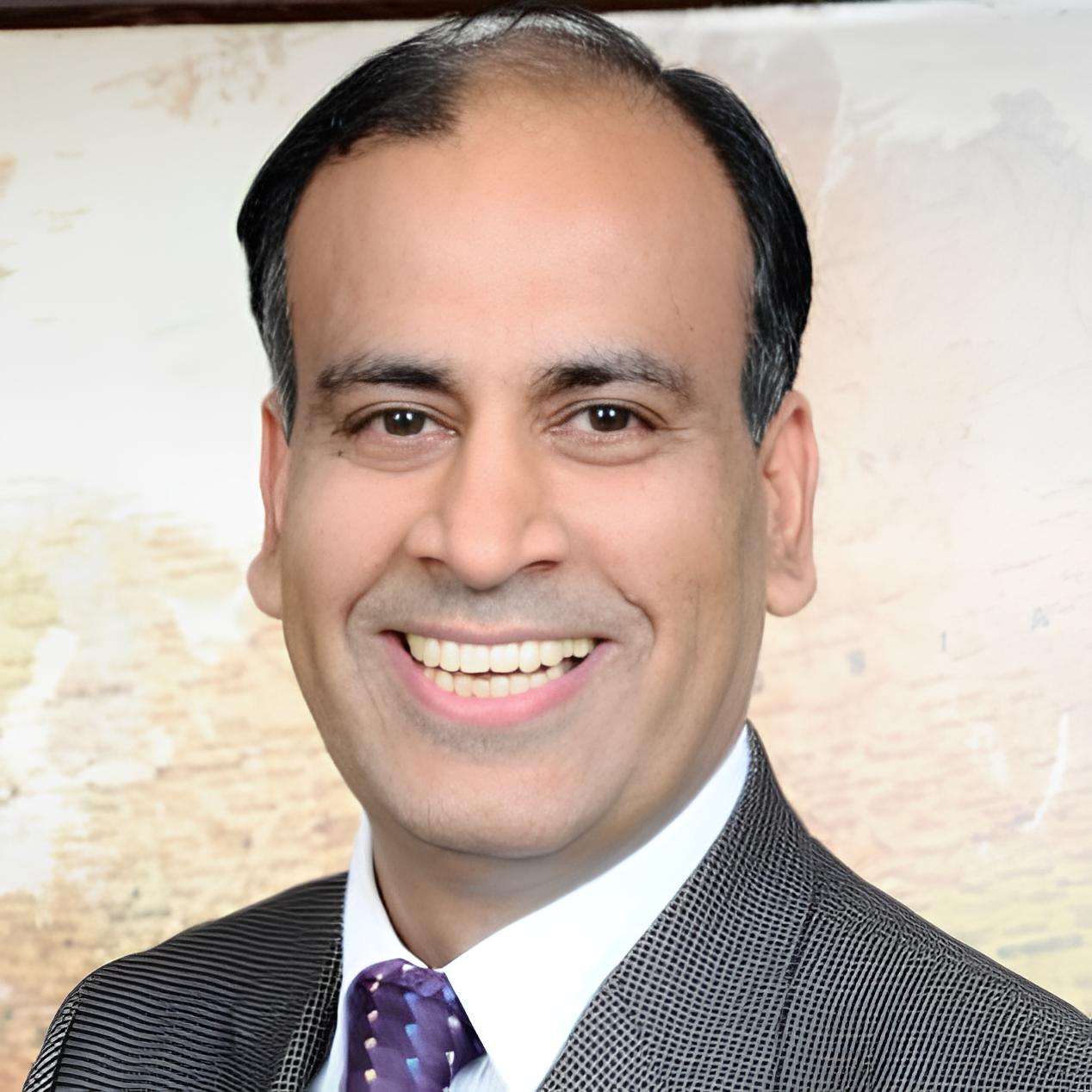
Jaideep Nath, Managing Director – Executive Search, Hotelivate-Savills says, “We are seeing a fundamental shift in the leadership talent landscape, as hospitality, GCCs and the wider service economy rethink what tomorrow’s leaders need to deliver. The challenge is no longer simply finding experienced talent, but building leaders equipped to navigate greater complexity, technology, and constant change. Hospitality must evolve beyond traditional operational leadership to embrace technology, customer experience, asset productivity, and transformation. At the same time, GCCs need to move from functional specialists to enterprise leaders, while the wider service economy must develop leaders who can balance growth, innovation, and customer centricity. The sector also has a natural advantage in this transition, having long developed leaders with strong customer orientation, operational discipline, people management, and the resilience to perform under pressure. The opportunity now is to translate these strengths into a more aspirational leadership proposition for the next generation. Ultimately, the organisations that will win are those that build leadership pipelines for the future, rather than compete for talent only when the need arises.”
The Emergence of the Transformational Leader
Jaydeep states that future leadership will be characterized by flexibility, proficiency in technology, and the capability to thrive in AI-driven business landscapes. Leaders who merge commercial insight with data-informed decision-making and people management are anticipated to be in greatest demand.
With the ongoing growth of India’s service economy, talent strategy is swiftly becoming a focal point for boardroom discussions, as leadership capability is increasingly recognized as a key factor in achieving long-term business success.