
India’s real estate sector has a broad economic role through housing, construction, commercial development, logistics and digital infrastructure. According to the ASSOCHAM-Knight Frank report Building Viksit Bharat: Real Estate as a Catalyst for Growth, real estate and ownership of dwellings contributed nearly 7% of India’s annual GVA over the past decade, while construction accounted for around 12% of total employment in 2025. The sector’s growth is therefore closely linked to investment, employment and the development of economic centres across the country.
Emerging Cities and Affordable Housing
The report highlights the need to expand real estate activity beyond India’s eight major markets. Emerging cities can support additional residential, commercial and industrial development as infrastructure and economic activity expand. At the same time, affordable housing remains an important requirement as urbanisation increases demand for homes near employment and transport infrastructure. Better coordination between housing, infrastructure and employment will be important for the development of these markets.
Land Reforms and Institutional Investment
Land governance and access to capital are also identified as areas that can support future real estate development. Digital land records, land pooling, redevelopment and transit-oriented development can improve land utilisation, while faster approvals and standardised processes can help reduce project delays. The report also points to REITs and other institutional investment channels as sources of capital for real estate assets. These measures can support wider participation in India's real estate growth as the country works towards its 2047 development goals.
Experts Opinions

Robin Mangla, President, M3M India, said, "Real estate is increasingly becoming a critical enabler of India’s economic growth, with residential and commercial spaces evolving alongside changing demand. The report highlights that homes priced at ₹10 million and above accounted for 54% of residential sales in H1 2026, reflecting the growing preference for higher-value housing. In commercial real estate, India’s office stock has reached 1.05 billion sq ft, while GCCs contributed 43% of office transactions in H1 2026. For developers, this points towards an opportunity to create high-quality, future-ready developments across residential and commercial segments. The next phase of growth will be shaped by developments that align with evolving consumer needs and India’s expanding economic ecosystem."

Deepak Sangwan, Chairman, Origen Realty, said, "Infrastructure, economic activity and evolving residential demand are reshaping India’s real estate landscape. The ASSOCHAM-Knight Frank report highlights how infrastructure is creating new growth centres, with Gurugram at the forefront. Established markets such as Sector 88A stand to benefit from stronger integration with Global City, Vision City and the Rewari-Pataudi Highway, further strengthened by the operationalisation of Dwarka Expressway. This convergence is creating opportunities for quality residential and commercial development, while enhanced connectivity and proximity to employment and business hubs reinforce the long-term value of established locations."
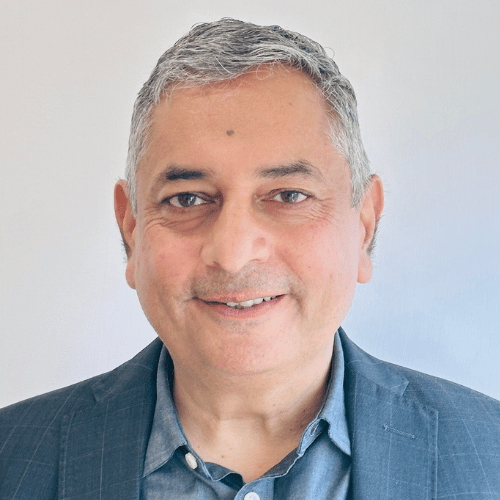
Ashish Sharma, AVP Operations, Brahma Group, said, “India’s real estate sector is entering a phase where its contribution extends well beyond housing and construction to becoming a critical engine of economic growth and urban transformation. The latest ASSOCHAM–Knight Frank report reflects this momentum, with real estate and ownership of dwellings contributing around 7% of annual GVA over the past decade and construction accounting for 12% of employment in 2025.
At Brahma Group, our experience in Gurugram reinforces this positive outlook. Infrastructure, connectivity and evolving consumer aspirations are creating stronger demand for well-planned, high-quality developments and shaping new growth corridors. As India moves towards Viksit Bharat, we believe the next phase of real estate will be defined by sustainable, future-ready urban environments that create lasting value for communities and investors. The long-term fundamentals remain strong, particularly across markets where infrastructure, employment and economic activity continue to converge.”
India’s real estate growth will need to extend beyond major cities through stronger development of emerging markets, wider access to affordable housing, improved land and approval processes, and greater institutional investment. Better coordination between housing, employment and infrastructure can support more balanced urban growth, while REITs and other investment platforms can help recycle capital into new projects.