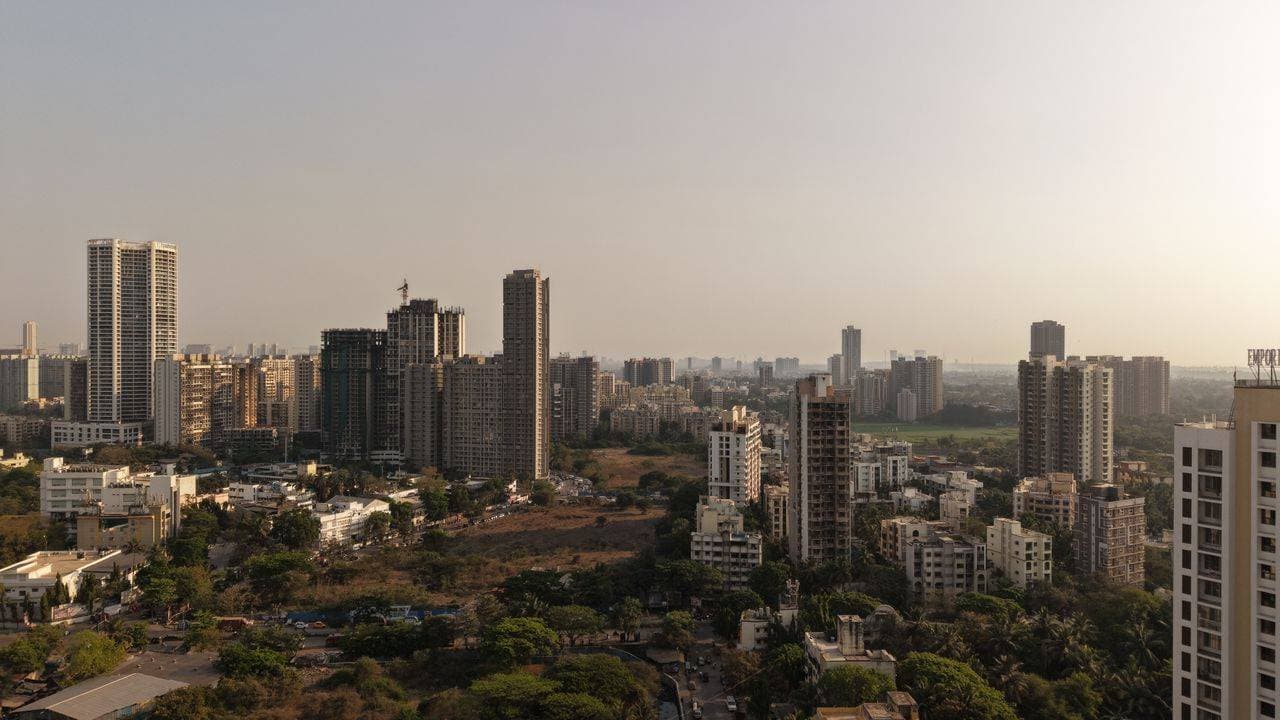
The Maharashtra government has unveiled the Housing Policy 2025, introducing several regulatory and financial measures to promote the development of senior living housing projects across the state. Key among these is the reduction of stamp duty for buyers of senior housing units to a flat fee of ₹1,000, a sharp decline from the standard 5% to 7% of a property's value.
The policy marks Maharashtra’s first comprehensive housing policy in nearly 20 years. It addresses the changing dynamics of urban living, particularly the growing demand for independent senior living options due to the increase in nuclear family structures and an ageing population.
One of the central provisions of the new policy is the significantly reduced stamp duty for senior living homebuyers. This initiative is aimed at making such housing more accessible and affordable for elderly citizens.
In addition, property tax concessions will be extended to owners of senior living units. Developers of such projects will benefit from tax relaxations and increased Floor Space Index (FSI) limits, which allow for higher construction density on given plots.
Redevelopment of Public Welfare Facilities
The government has also outlined plans to redevelop dilapidated old-age homes and orphanages located on public land. These will be integrated into modern senior living projects. This step is aimed at upgrading existing public infrastructure to meet the needs of the elderly, many of whom currently reside in outdated facilities.
The 2011 Census recorded Maharashtra’s senior population at around 10% of the total, above the national average. Projections indicate this could rise to 17% by 2036. The policy is designed to prepare for this demographic shift by fostering suitable housing options.
Regulatory Framework for Developers
Under the Unified Development Control and Promotion Regulations (UDCPR), the policy creates a dedicated category for senior citizen housing or retirement homes. Several regulatory requirements and incentives for developers are included:
- Zoning Flexibility: Developers may build senior housing in both residential and green zones.
- Mandatory Registrations: Projects must be registered with the Real Estate Regulatory Authority (RERA) and a district-level monitoring committee.
- Location Criteria: Projects must have access to public transportation and medical facilities within a five-kilometre radius.
- Minimum Plot Size: A minimum of 3,000 square metres is required, with at least 12-metre-wide access roads.
- Essential Infrastructure: Developers must include recreation areas, fitness facilities, dining halls, and emergency care such as nurse stations and on-call doctors.
- Operational Partnerships: Projects must tie up with registered service providers, hospitals, or NGOs and comply with MahaRERA safety standards.
Developer Incentives
The policy provides a range of incentives to encourage private participation:
- Higher permissible FSI to allow more floor space
- Single-window clearance for project approvals
- Reductions in development charges and Goods and Services Tax (GST)
- Permission for up to 15% of project space to be used for commercial purposes within senior housing developments
These provisions are designed to make such projects financially viable while ensuring compliance with quality standards.
Industry Response
Real estate companies have welcomed the move. Developers like Dosti Realty and Rustomjee Group are reportedly planning to launch dedicated senior living projects in response to the new policy framework.
Dosti Realty director Anuj Goradia noted that the policy measures make development in this sector more viable and are likely to drive growth in the coming years. The policy, he said, provides a structured roadmap for developers and enhances the attractiveness of the segment.
Keval Valambhia, COO of CREDAI-MCHI, highlighted the significance of recognising senior housing as a distinct regulated category. He noted that the integration of healthcare partnerships and infrastructure guidelines under the policy will support ageing populations while enabling new investment opportunities.
The Housing Policy 2025 also acknowledges the broader social changes influencing the demand for senior living projects. With the traditional joint family system on the decline and the elderly increasingly living independently, there is a need for purpose-built housing that ensures safety, convenience, and a sense of community.
In addition to senior housing, the policy outlines support for other new housing models such as student accommodation. By encouraging such diversified housing formats, the government aims to address the evolving requirements of urban populations and promote inclusive development.
The Maharashtra Housing Policy 2025 marks a strategic shift in the state's approach to urban housing, aiming to accommodate demographic shifts and modern living needs. Its success will largely depend on timely implementation and effective collaboration between public agencies and private developers.
Image source- freepik.com