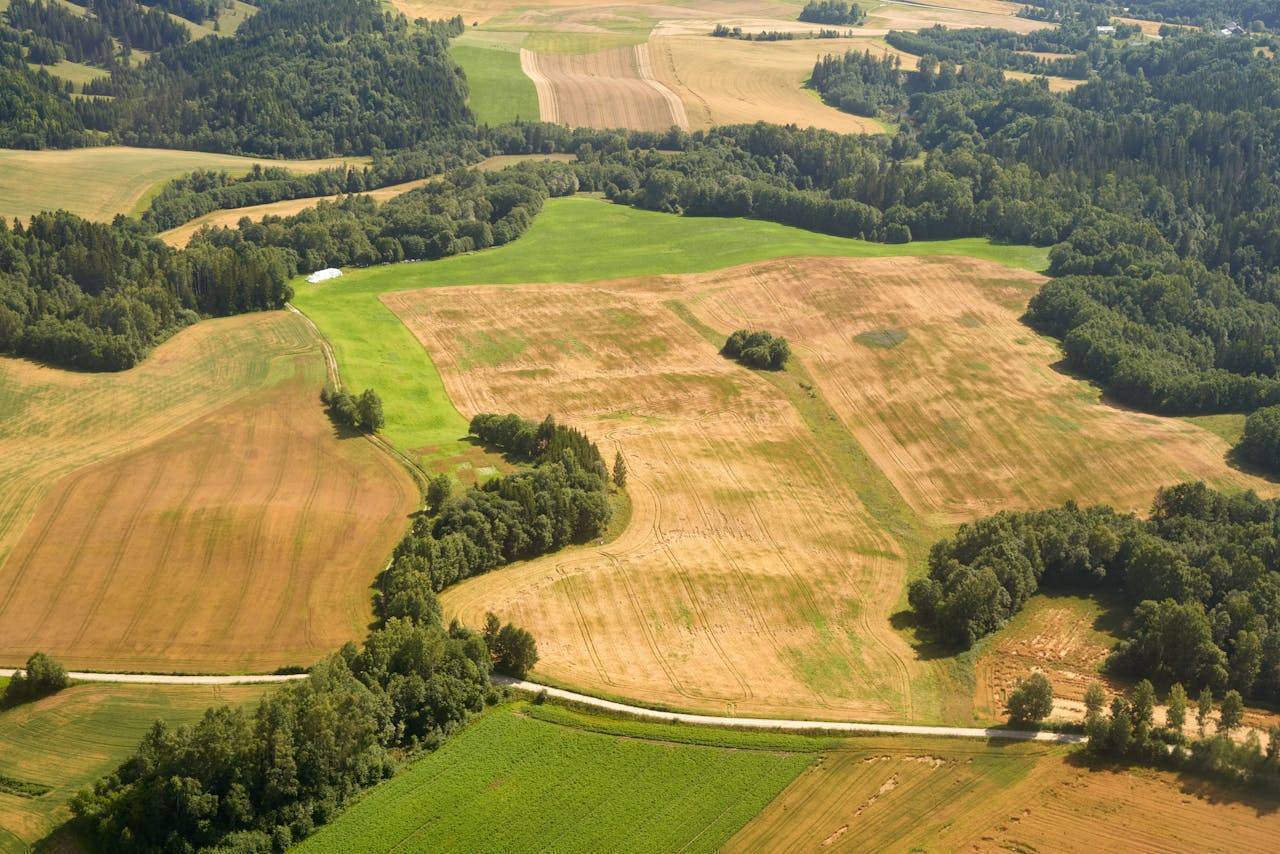

Once, Gurugram was little more than a dusty extension of Delhi; rocky land, scattered villages, and no real signs of urban life. There were no corporate towers, no global companies, and certainly no indication that it would one day become India’s financial and outsourcing powerhouse. Today, it stands as exactly that.
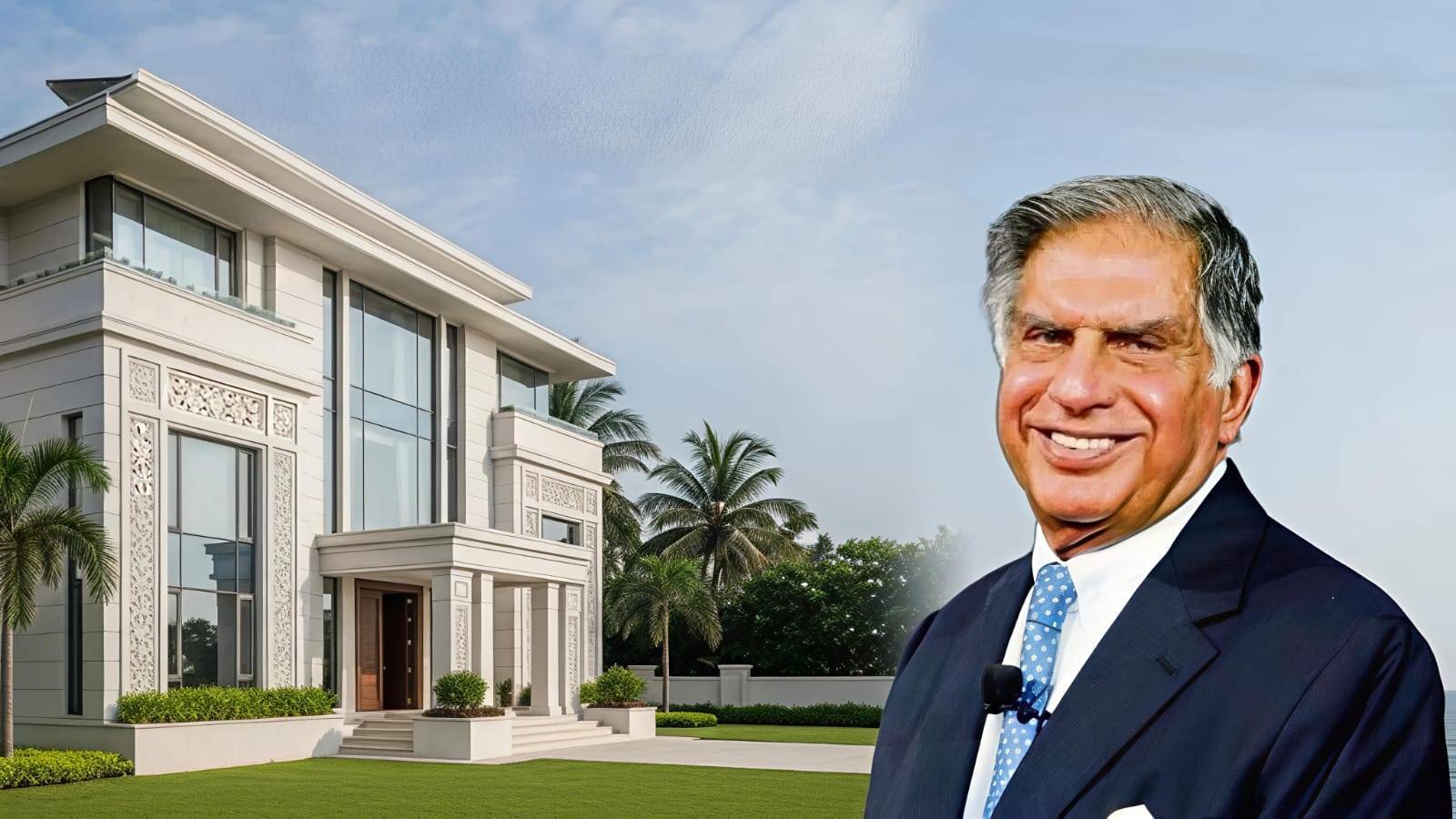
At the center of this transformation is Kushal Pal Singh, a man who didn’t just develop real estate, but fundamentally changed how cities could be imagined and built in India.
From the Army to a Failing Business
K.P. Singh’s journey began far from boardrooms. Commissioned into the Deccan Horse in 1954, his early years were shaped by discipline and structure. But in 1961, he made a defining decision to leave the army and join DLF. It wasn’t a promising move.
The Delhi Development Act had effectively pushed private developers out of Delhi, leaving DLF with no clear market. What Singh inherited was not a growing company, but one struggling to stay relevant. This phase could have ended the story early. Instead, it forced him to think differently.
The Big Bet: Seeing Gurgaon Before It Existed
In the 1970s, while most developers stayed focused on established markets, Singh looked beyond Delhi to Haryana. At that time, Gurgaon had none of the ingredients of a future city. It lacked infrastructure, demand, and investor interest. But Singh saw something others didn’t: inevitability. Delhi would expand, and when it did, Gurgaon would be its natural spillover.
What followed was years of groundwork.
At the same time, Singh understood that vision alone wasn’t enough but policy had to support it. His interaction with Rajiv Gandhi played a role in enabling the Haryana Development and Regulation of Urban Areas Act, which opened the doors for private urban development. That single shift made large-scale private city-building possible.
From Land to Global Capital
The 1990s marked the real turning point. Singh realized that to build a city, he needed more than homes, he needed economic activity. His focus shifted to attracting global corporations, something few in Indian real estate were thinking about at the time.
His breakthrough came with Jack Welch and General Electric. Bringing GE to Gurgaon was more than a corporate win, it signaled to the world that this emerging city was ready for global business. That one move triggered a chain reaction.
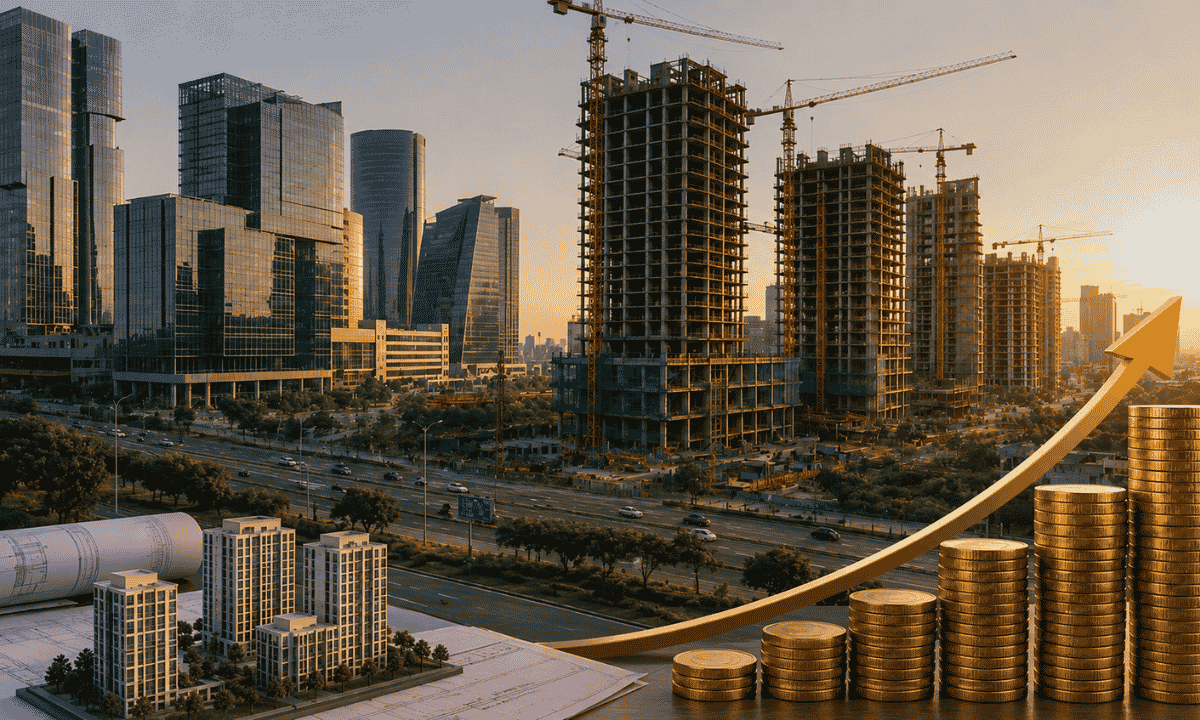
Multinational companies began setting up operations. Office complexes replaced empty land. Gurgaon evolved rapidly into a hub for IT, BPO, and global services. Singh hadn’t just developed real estate, he had created an ecosystem.
Building a Financial Engine, Not Just Buildings
Under K.P. Singh’s leadership, DLF grew into one of India’s most valuable real estate companies.
Market Value: Over ₹2.1 lakh crore (early 2026)
- Estimated Net Worth: $15B – $19B
One of K.P. Singh’s most defining professional decisions was to move beyond the traditional “build and sell” model. Through DLF Cyber City Developers Ltd, he built a strong leasing portfolio, retaining ownership of premium office spaces and generating stable, long-term income.
Today, this rental model brings in over ₹4,000 crore annually, with global tenants including major technology and consulting firms. This strategy insulated DLF from the volatility of residential markets and gave it consistent financial strength.
In 2007, DLF’s ₹9,187 crore IPO further cemented its position, marking one of the most significant moments in India’s real estate history. It signaled the sector’s shift toward institutional credibility and scale.
The Wealth Behind the Vision
As of early 2024, K.P. Singh remains one of India’s wealthiest individuals. His net worth is estimated between $15.2 billion and $19 billion, largely tied to his stake in DLF and its commercial assets. He consistently ranks among the top global billionaires, often appearing in the top 100–150 on the Forbes Billionaires List. But his wealth is not just a personal milestone, it reflects the scale of value created through long-term urban development.
The Luxury Pivot: Redefining Aspirational Living
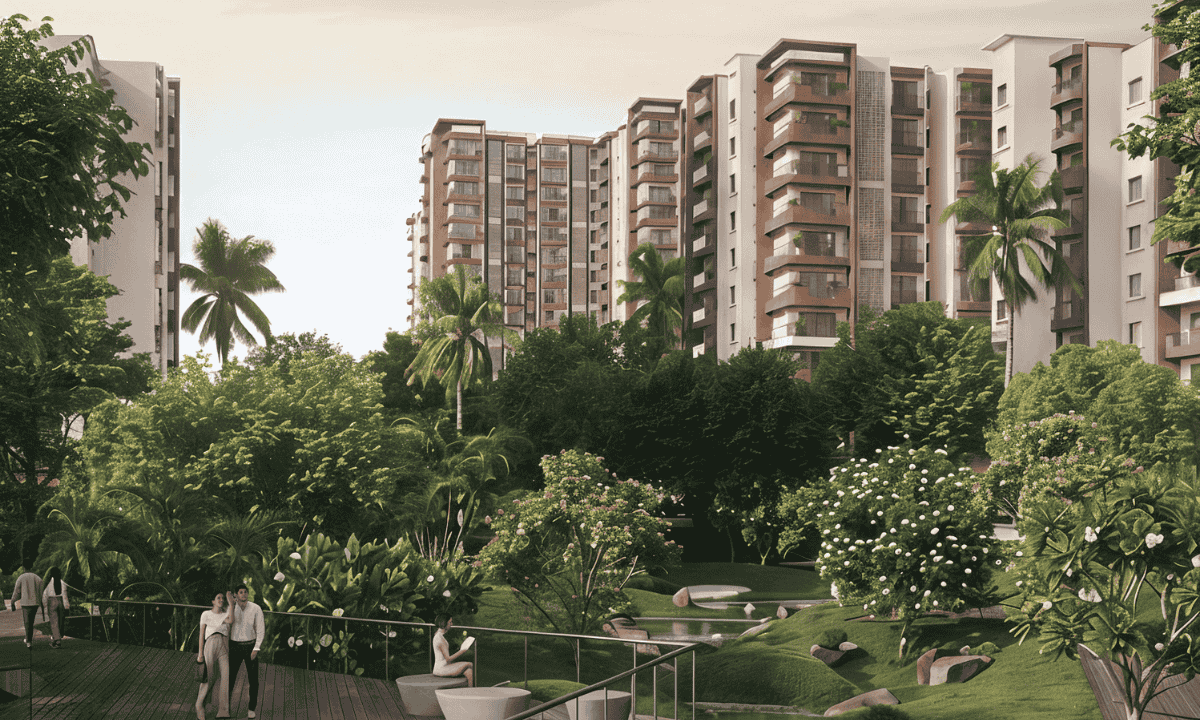
In the later phase of his career, Singh made another strategic shift moving DLF away from mass housing toward ultra-luxury. Projects like The Camellias in Gurgaon became defining symbols of this transition. Apartments initially priced between ₹20–30 crore are now reselling at over ₹100 crore, placing Gurgaon alongside global luxury markets like London and New York. This wasn’t just about pricing, it was about positioning India’s real estate on a global stage.
Then vs Now: The Transformation of Gurgaon
The true measure of K.P. Singh’s impact lies in the contrast.
What was once barren land is now a skyline filled with corporate headquarters, luxury residences, and world-class infrastructure. Gurgaon has become a magnet for global talent and investment, playing a critical role in India’s economic growth story. This transformation wasn’t accidental. It was the result of decades of calculated risks, deep policy understanding, and an ability to think far ahead of the market.
Professional Timeline: The DLF Ascent
The Final Chapter: Legacy of a City Builder
In 2020, at the age of 89, K.P. Singh stepped down as Chairman of DLF, passing leadership to his son, Rajiv Singh. As Chairman Emeritus, he remains an enduring figure in Indian business. Even in his 90s, he continues to share his philosophy of growth and risk-taking, captured in his book “Why the Heck Not?”, a reflection of the mindset that defined his career.
K.P. Singh’s success was never just about land, policy, or timing. It was about conviction. He saw a city where others saw dust. He built partnerships where others forced deals. And he created long-term value where others chased short-term gains. Gurgaon is not just a city today/ it is proof of what vision, patience, and execution can achieve.
And at the center of it all is the man who made it happen.