
Massachusetts Institute of Technology Develops 10× Energy-Storing Concrete- Key Highlights
- Achieved 10× increase in energy storage by using organic electrolytes, turning concrete into a supercapacitor.
- Stores energy electrostatically, enabling fast charge/discharge, high bursts of power, and long lifecycle without chemical degradation.
- Utilizes carbon nanostructures and concrete’s natural pores to form conductive networks and hold electrolytes.
- Applications include wind turbine foundations, industrial energy buffering, urban infrastructure, and microgrid support.
- Current challenges include scalability, durability, integration of connectors, and energy density gap compared to batteries; industrial collaborations aim to address these.
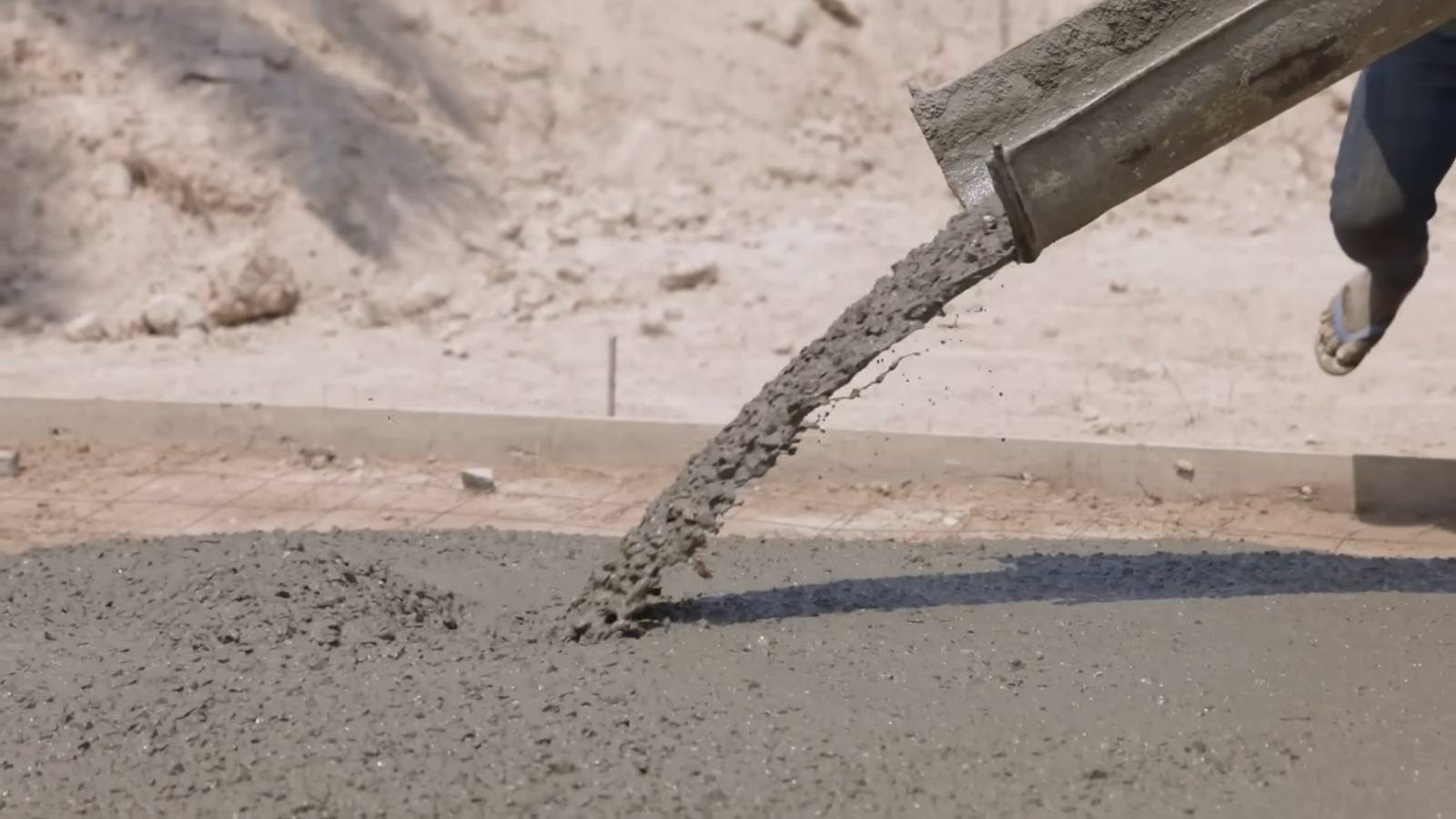
In a major breakthrough that may revolutionize how we view infrastructure and energy systems, MIT scientists have created a revolutionary energy- storing concrete that can store power 10 times that of previous versions. The researchers took a big step forward in the material's energy density by using organic electrolytes, which means the concrete can now be used for real industrial applications.
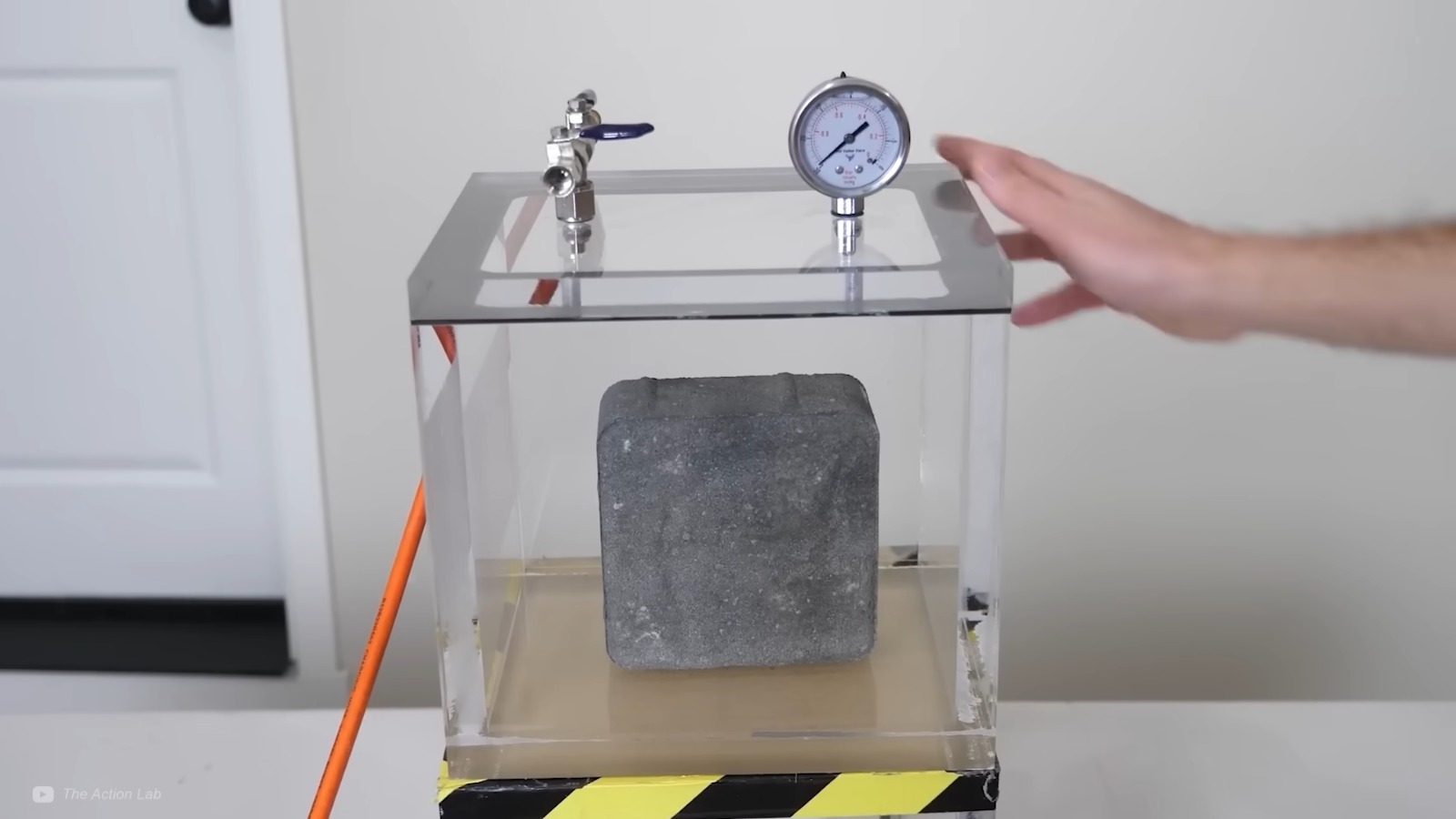
The innovation is an advancement of the idea of supercapacitor concrete a material that refines the concept of the traditional structural component by adding the property of an energy storage device. It is a fact that usual batteries store energy through chemical reactions. In contrast, this is an advanced type of concrete that stores energy electrostatically. The outcome is a multifunctional material that provides mechanical property and also enables energy storage in, house, hence, energy storage is directly built into the foundations, walls, and other elements of the infrastructure.

How Energy-Storing Concrete Works?
The technology involves the integration of conductive and electrochemical components into conventional cement mixtures. The concrete is doped with carbon nanostructures, especially carbon black powder, which acts as a conductive agent throughout the concrete.
Major Components:
1. Carbon Nanostructures- Carbon black particles provide a conductive pathway throughout the cement mixture. The conductive pathway enables the easy flow of electrons, making it possible to use the material as an electrode.
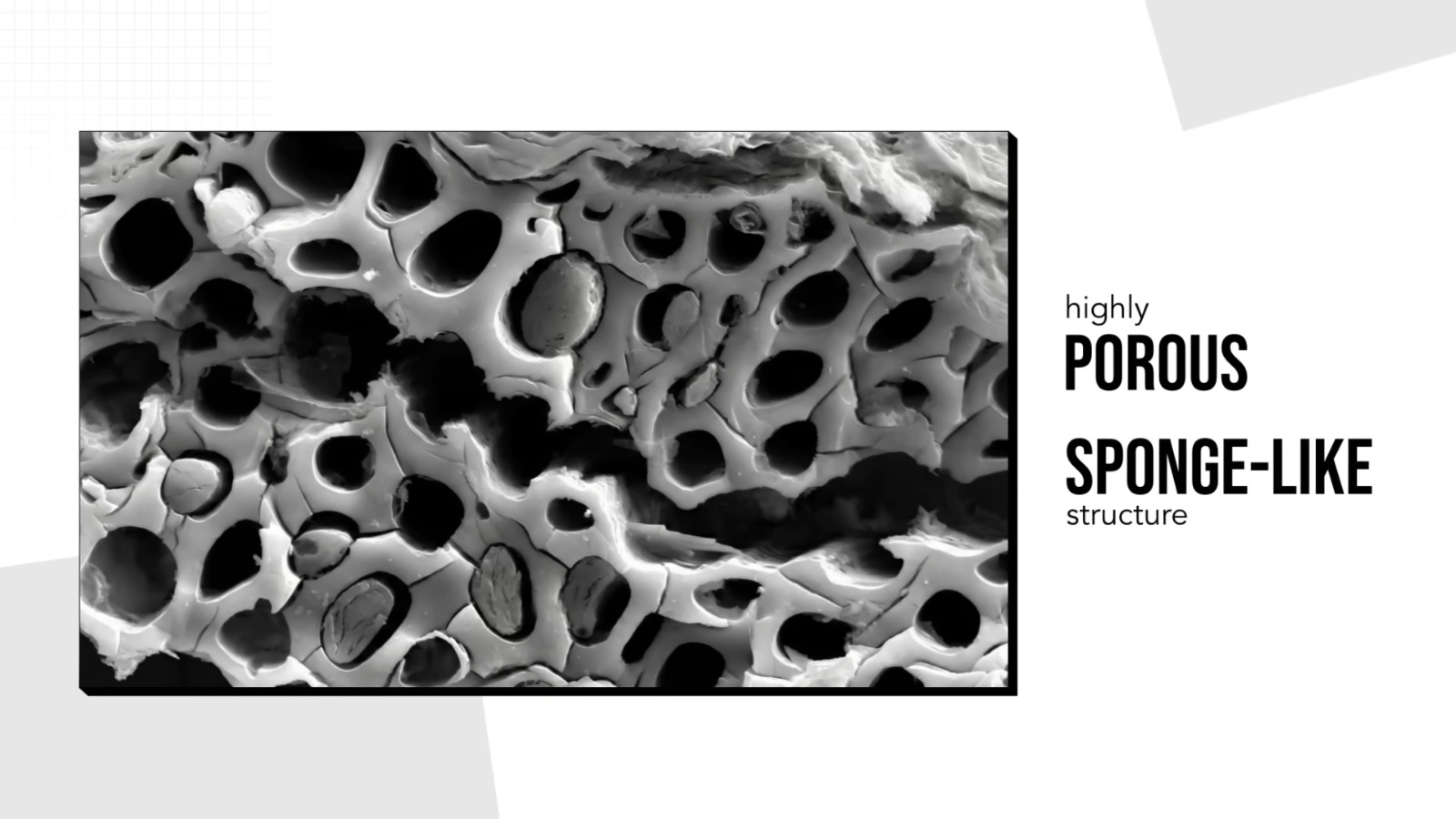
2. Natural Porosity of Concrete- Concrete has natural microscopic pores. Rather than removing them, the pores are utilized to store liquid electrolytes, making the concrete a useful supercapacitor.
3. Organic Electrolytes (Game-Changer)- The original technology used aqueous (water-based) electrolytes. The use of organic electrolytes increased the voltage capacity of the supercapacitor. Since the energy stored in a capacitor is proportional to the square of the voltage, small increases in voltage capacity result in large increases in energy density.
The impact: a tenfold increase in energy storage capacity over conventional capacitors using similar materials.
Why It’s Not a Battery and Why That Matters?
Firstly, energy storing concrete is different from lithium ion batteries in that it does not use chemical reactions for storing and releasing energy. Technically, it is like a supercapacitor that stores electrical charge electrostatically on the surface of the conductive carbon networks, which are the parts of the concrete. Therefore, it has several advantages resulting from this difference.
For example, it can be charged and discharged extremely fast, it can provide high bursts of power, and it can be used for many more charge/discharge cycles with hardly any degradation. Furthermore, as it does not initiate volatile chemical reactions, the risk of overheating or thermal runaway is lowered, thus, it is inherently safer for large- scale structural integration.
On the other hand, there are downsides to the technology. For one, its total energy density is much less compared to that of lithium ion batteries and this implies that the energy it can store for long durations is smaller. Therefore, concrete used in energy storage should not be considered for applications like home battery backup systems which require uninterrupted power delivery. To illustrate, it is very limited in providing energy for long periods and hence is more suitable for situations that need short bursts of energy, fast balancing of supply and demand, as well as smoothing out the renewables' energy fluctuations as a wind turbine's foundation or an industrial energy buffer system.
Real-World Applications
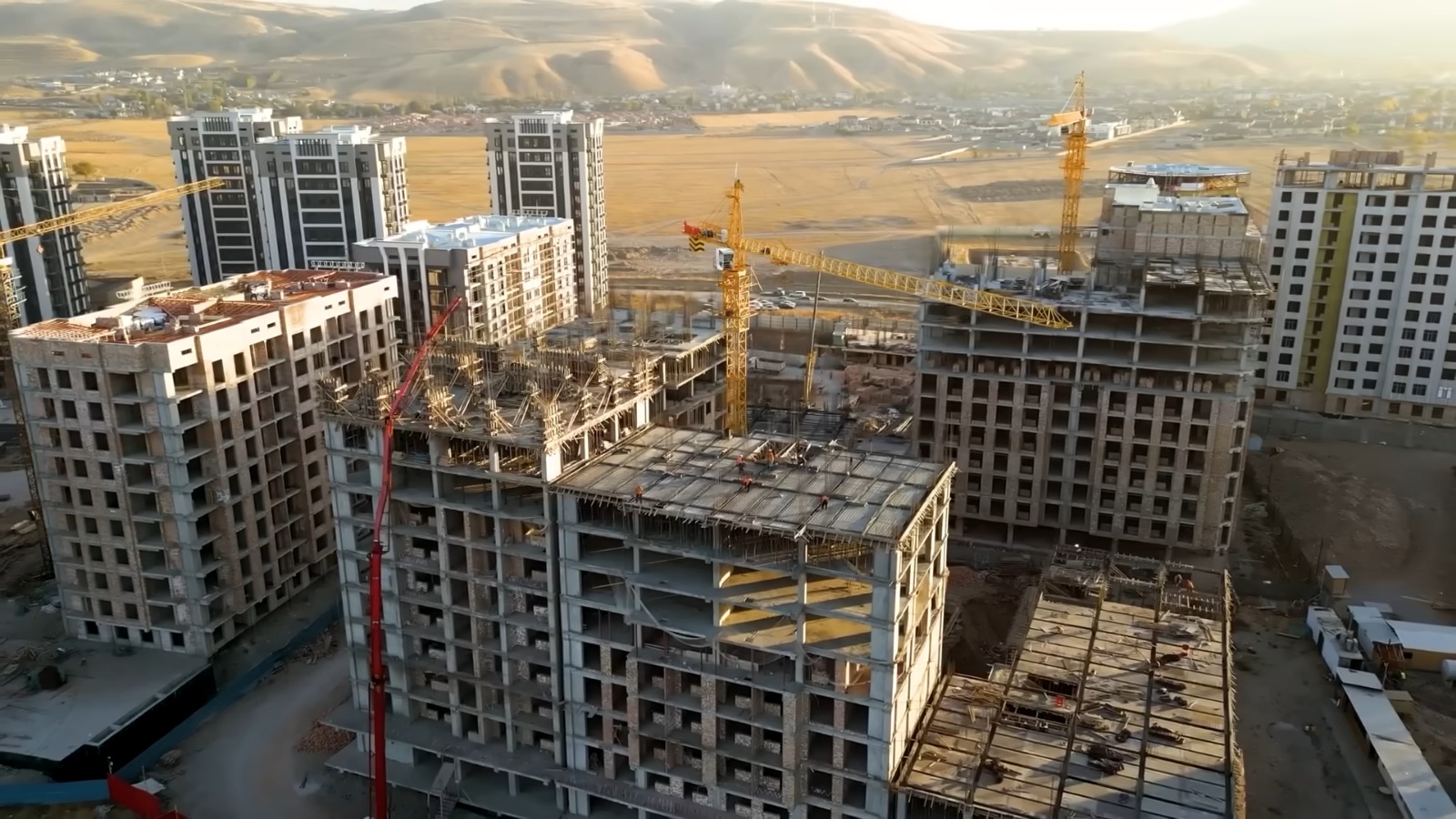
The fact that energy storage can be integrated into structural components provides immense new capabilities in the industrial and renewable energy sectors.
1. Wind Turbine Foundations
The production of wind energy depends on wind speed. Using supercapacitor concrete in wind turbine foundations could provide a means of temporarily storing wind energy during peak periods and releasing it during low periods.
2. Industrial Energy Buffering
Industrial and renewable energy facilities experience rapid changes in power. Supercapacitor concrete can provide rapid discharge of energy, making it suitable for short-term energy buffering and voltage regulation.
3. Urban Infrastructure
Smart cities of the future may integrate energy-storing concrete into:
- Bridge foundations
- Building foundations
- Parking garages
- Highway barriers
Infrastructure would no longer be passive but would instead contribute to energy management.
4. Microgrid and Grid Support Systems
In a distributed energy infrastructure, the use of storage integrated into structural components could help alleviate the energy grid.
Engineering Challenges Still Ahead
While the achievement is significant, commercialization is not an immediate goal. There are still some challenges to overcome.
Scalability
The integration of organic electrolytes in a uniform manner over a large structural volume is a challenging and expensive process. This needs to be developed on an industrial scale before it can be widely used.
Durability
Concrete structures are meant to last for several decades. It is important for researchers to ensure that the electrolytes are not degraded, evaporated, or corroded over a long period of time, especially in adverse climatic conditions.
Other Components
In a practical system, the following components are also needed:
Current collectors
- Electrical connectors
- Protective sealants
All these components increase costs and engineering complexity.
Energy Density Gap
While there has been a tenfold increase in the energy density of supercapacitor concrete, it still cannot be used as a substitute for lithium-ion batteries for long-term energy storage.
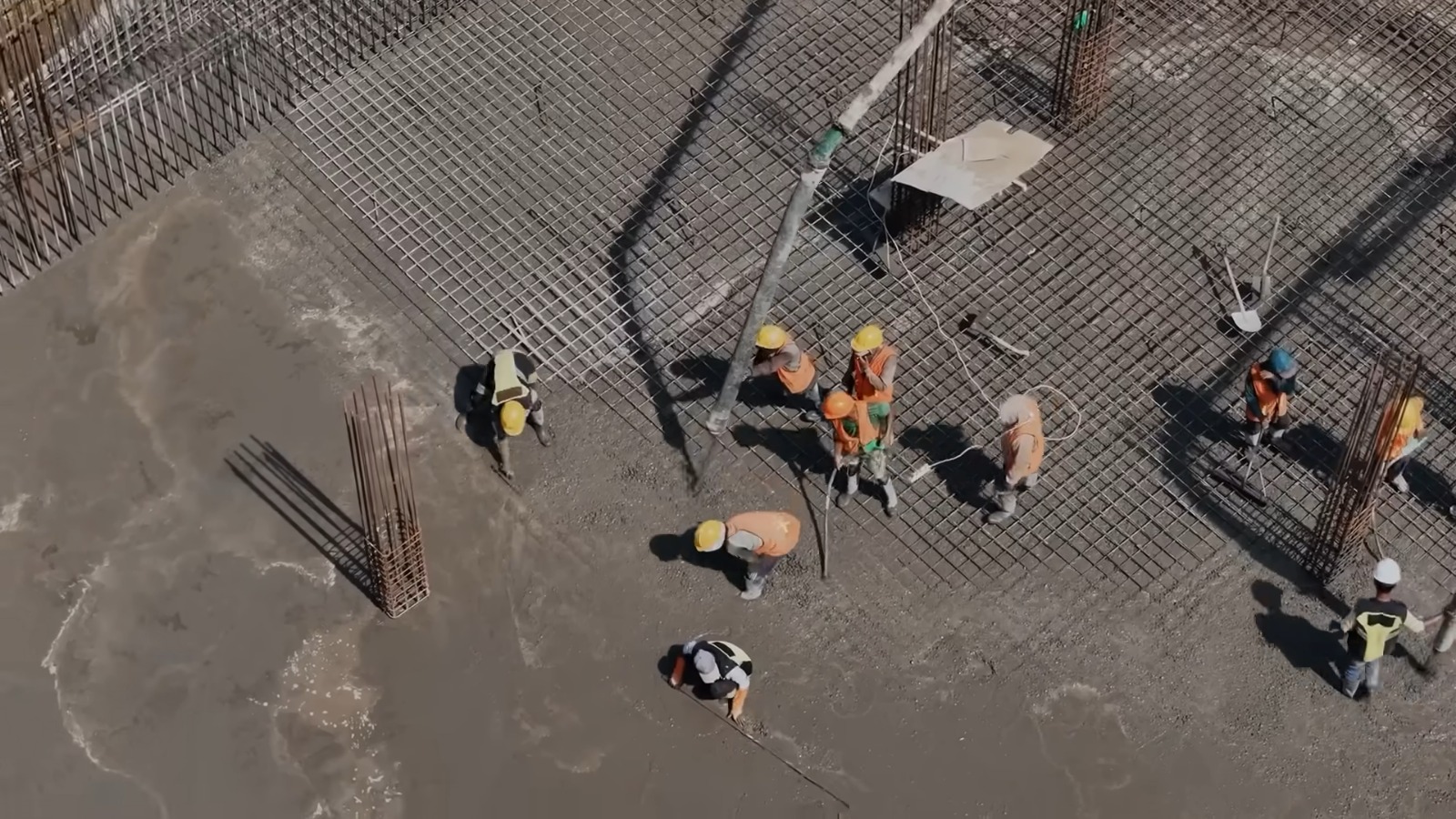
Industrial collaborations are one vital facet of the evolution of energy, storing concrete.
MIT scientists have been teaming up with various stakeholders in the construction realm such as builders, raw materials suppliers, and energy tech companies, to preprocess the energy, storing concrete for real, world applications. The collaboration puts focus on the development of the material at different levels, cutting down of the production costs, and the long, term structural as well as the electrochemical stability of the product. Currently, the works are oriented to control the voltage tolerance so as to have an increased energy density, fix the organic electrolyte's stability and life span, and boost the internal carbon additive conductive networks.
Simultaneously, partners from the industry are developing efficient production methods at a large scale that can pack this high, tech material into a standard construction cycle. Bulk mixing, quality assurance, and a comprehensive test on the product's life span after usage are some very important steps necessary for the product to get widely accepted in the market.
All these aside, if the technical as well as the economic issues are comprehensively settled, energy, storing concrete may very well serve as one of the fundamental components of future sustainable infrastructure design, thus making it possible for buildings and civil structures not only to conserve but also to generate energy storage and grid resilience.
A Step Toward Energy, Active Infrastructure
This innovation is thus just one example of a larger trend that engineers' mindset is changing. In the past, buildings and infrastructure were simply energy consumers. Later on, they will be able to store, manage, and even redistribute energy.
By embedding energy storage right into building materials, MIT's breakthrough lessens the dependency on separate storage units, thereby, potentially, making renewable setups cheaper and less space, consuming.
Even though supercapacitor concrete is a new invention, it already represents a very attractive combination of civil engineering, materials science, and renewable energy technology. The ten times improvement through the use of organic electrolytes proves that small changes in materials can yield very significant impacts.
Further development of this technology will facilitate the habitation of cities where energy will be stored by roads, bridges, and building foundations thus, not only reinforcing structures but also enhancing the stability of the entire energy system.
Images- Ziroth







.png)