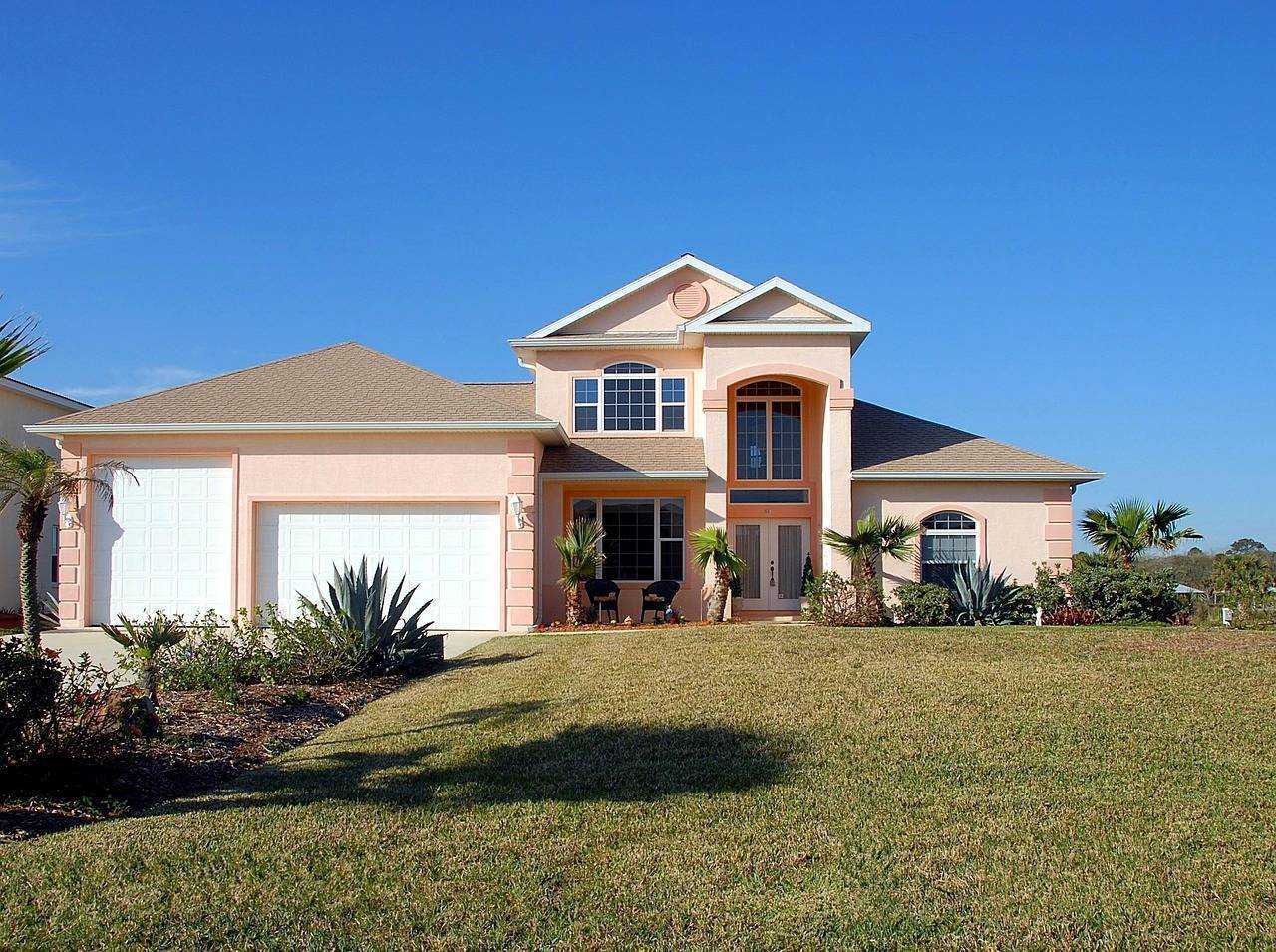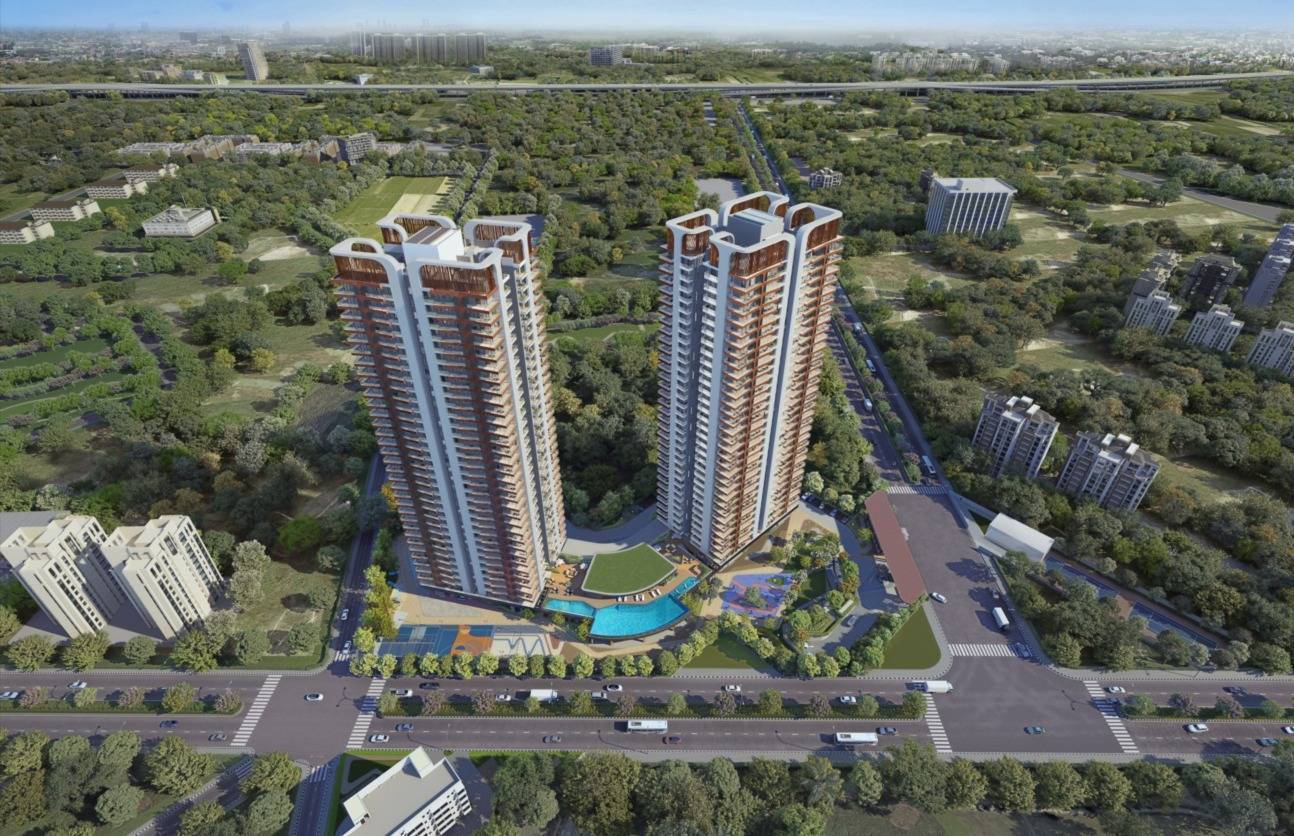
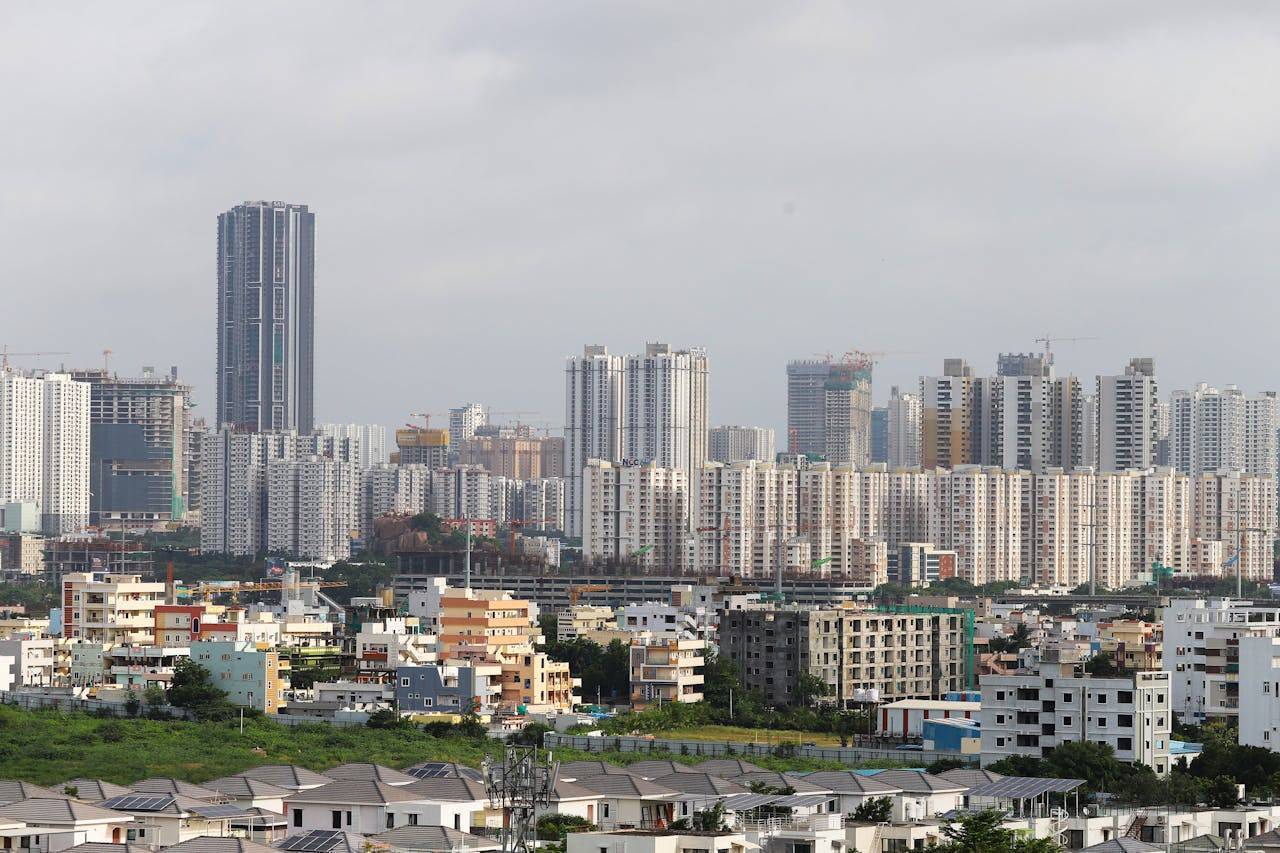
For years, owning a home in a metro city was a status symbol. But Today Gen Z is increasingly prioritizing long-term growth potential, comfort, connectivity over just Pin codes. For years, owning a home in a metro city was a status symbol. Young buyers are now looking at options where advanced connectivity, employment opportunities and long-term appreciation are coming together, rather than paying a premium just for a metro address. Thus, Tier-II cities like Sonipat are gaining significant momentum among first time homebuyers and investors.
Infrastructure is Changing the Real Estate Map
The biggest reason behind Sonipat’s growing appeal is its rapidly improving connectivity. What was once a distant NCR location is becoming one of the most accessible growth corridors.
The city is directly connected to NH-44, which is one of the most important national highways of India connecting Delhi, Panipat, Chandigarh, and beyond. The KMP Expressway has improved the regional connectivity by connecting Sonipat to the major residential, industrial, and commercial hubs across NCR. Meanwhile, the UER-II has become a major infrastructure catalyst for the region, greatly improving access to Delhi. The city has also become more accessible to the IGI Airport making it more attractive to the homebuyers.
The proposed extension of the Delhi Metro’s Yellow Line to Sonipat is expected to enhance public transport connectivity in the coming days. At the same time, the RRTS network will bring a paradigm shift in inter-city travel in NCR by reducing travel time and improving accessibility between the major economic hubs.
More Space, Better Lifestyle, Lower Cost
With the rising property prices in Metro cities the buyers have to compromise on space and lifestyle. On the other side, cities like Sonipat provide larger homes, plotted developments, wider roads, green landscapes, and integrated communities at a much cheaper price.
Today’s young homebuyers are looking beyond four walls. They are looking at a lifestyle that includes clubhouses, sport facilities, jogging tracks, open spaces, security systems, children’s play areas, and community-focused living environments. Many of the modern developments in Tier-II cities are being driven by these preferences.
Lower population density and better environment quality, are making the Tier-II cities increasingly attractive.
Government Policies are strengthening Tier-II Markets
The rise of Tier-II cities is not being driven by infrastructure alone. Government policies are also playing a crucial role in directing investment and development towards emerging urban centres.
The implementation of RERA has significantly improved transparency, accountability, and buyer confidence across the real estate sector.
The recent Union Budget announcements on developing City Economic Regions, strengthening urban infrastructure, and creating new growth hubs beyond traditional metros is expected to accelerate economic activity across Tier-II cities.
These measures are making Tier-II cities self-sustaining economic centres instead of an extension of larger metros.
What Developers has to say?

Rajat Bokolia, CEO, Newstone says, “Gen Z is changing the way people look at home ownership. They are not buying homes just for a metro address. They are focused on long term value and better living. Strong investments in highways like NH-44 expressways such as the KMP and UER-II, upcoming metro, government policies including the recently launched The NCR Regional Plan 2041 and regional transport are helping cities like Sonipat growing into self-sustaining urban centres. For young buyers choosing these locations is a smart decision based on better infrastructure, affordability and long-term value.”

Yashank Wason, Managing Director, Royal Green Realty says, “Gen Z buyers are making more informed homebuying decisions. They are not just looking for a metro address. Their focus is on better connectivity, better lifestyle, and long-term value. Cities like Sonipat are attracting buyers because infrastructure is improving at a fast pace. Projects such as NH-44, the KMP Expressway, UER-II, and the proposed metro extension are improving access to the region. Government policies are also supporting planned growth. As a result, like Sonipat, Rohtak, and other emerging growth corridors are becoming preferred destinations for both homebuyers and investors.”
The change in Gen Z’s homebuying preferences is a part of a larger shift in India’s real estate landscape. The focus is no longer on owning a home in a metro location. Instead, buyers are more focused on connectivity, quality of life, affordability, and future appreciation.
With improved infrastructure, better policy support, increasing employment opportunities, and changing lifestyle choices, Tier-II cities are becoming more attractive. For many young buyers, a growth corridor is no longer a compromise-it is a calculated and strategic choice.
Cities like Sonipat are not anymore future opportunities waiting to be discovered. They are already emerging as well-connected, economically vibrant, and investment-worthy destinations. As India’s urban growth story unfolds, the smartest real estate decisions are not in the most expensive locations, but in the cities that are building the future today. And Sonipat is proving to be one of them.