
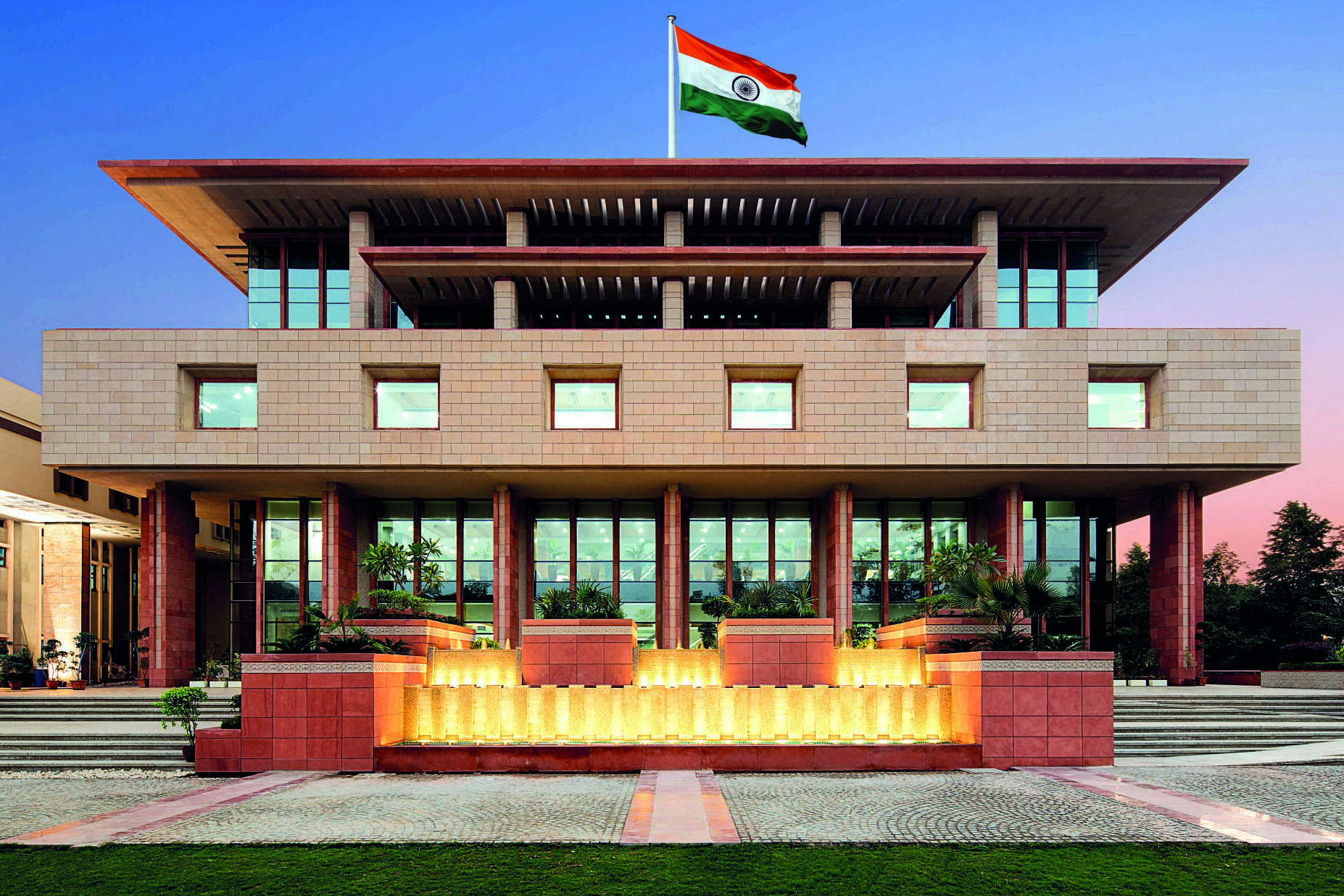
The Delhi High Court has passed an order directing leading online travel agencies (OTAs) to remove, delist or block 22 hotel and hospitality listings identified in the proceedings in connection with alleged unauthorised use of names incorporating “Orchid”, a registered trademark associated with Kamat Hotels (India) Limited (KHIL).
The order covers hotels and hospitality establishments across multiple states, including Goa, Arunachal Pradesh, Tamil Nadu, Haryana, Jammu & Kashmir, Gujarat, Rajasthan, Maharashtra, Assam, West Bengal, Kerala and Himachal Pradesh. The names cited in the proceedings include variations such as “The Orchid”, “Orchid Hotel”, “Orchid Inn”, “Hotel Orchid”, “Blue Orchid”, “River Orchid Resort” and “Golden Orchid”.
The order also brings into focus the role of online travel platforms in ensuring accurate hotel listings and clear brand affiliations for customers. For hospitality companies, this is increasingly relevant as digital platforms form an important channel for hotel discovery and bookings.
The Court has directed leading online travel platforms to take action against the listings identified in the proceedings. Several major OTAs have also voluntarily taken steps following notices from Kamat Hotels and indicated their willingness to strengthen precautionary measures and brand protection processes.
Vishal Kamat, Executive Director, Kamat Hotels (India) Limited, said, “The Delhi High Court’s order reinforces an important principle for the hospitality industry: customers should be able to clearly understand the identity and brand affiliation of the property they are booking. The Orchid has been built over three decades, and protecting the trademark is an important part of protecting the trust associated with the brand.
The cooperation from leading OTAs is equally important. As hotel discovery and bookings increasingly happen through digital platforms, stronger verification and brand protection mechanisms can help create greater transparency for both consumers and hotel companies. Wherever possible, we have also sought to resolve such matters amicably by giving property owners an opportunity to discontinue unauthorised use of the name.”
The development also highlights a broader challenge for the hospitality industry as digital distribution continues to expand. For established hotel companies, unauthorised use of brand names can raise concerns around brand identity, customer acquisition and reputation. For OTAs, the issue places greater emphasis on property identification, verification and the accurate presentation of hotel information.
For travellers, the distinction can be particularly relevant when multiple properties with similar names appear on digital booking platforms. Clear information around a hotel's identity and brand affiliation can help customers understand which property they are considering before making a booking.
The development therefore adds to the wider conversation around brand protection and accountability in digital hospitality. As the relationship between hotel companies and online travel platforms continues to evolve, greater coordination around property verification and brand-related concerns could help create more clarity across the hotel discovery and booking journey.