Antilia: Inside the Billion-Dollar Home That Redefines Interior Grandeur
A recent video that surfaced online has once again brought Antilia into the spotlight. Shot without filters or staged angles, the footage offers a rare look inside one of the world’s most luxurious homes and instantly highlights the sheer scale of the building.
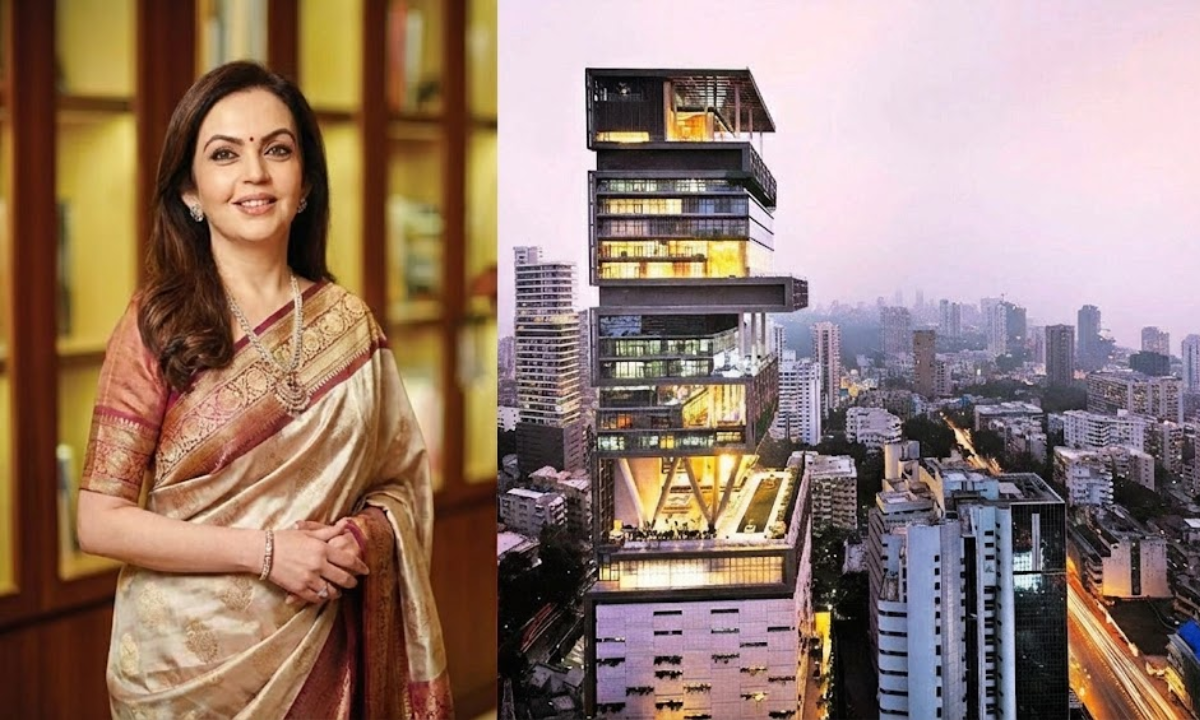
Rising high above Altamount Road, Antilia spans 27 floors, each built with unusually tall, palace-like ceilings. The interiors feel open and dramatic with wide rooms, soaring heights and large glass walls that blur the line between indoors and the sky outside. There’s a sense of grandeur often seen in Karan Johar’s Bollywood sets; spaces designed to feel larger than life. Even without any formal styling or presentation, the house feels enormous, almost like a vertical city, more dreamlike than domestic.
But what truly captures attention in the video is not just the size, it is the way light and reflection transform the interiors, making the spaces feel even larger and more immersive.
The Mirror Moment That Sparked the Frenzy
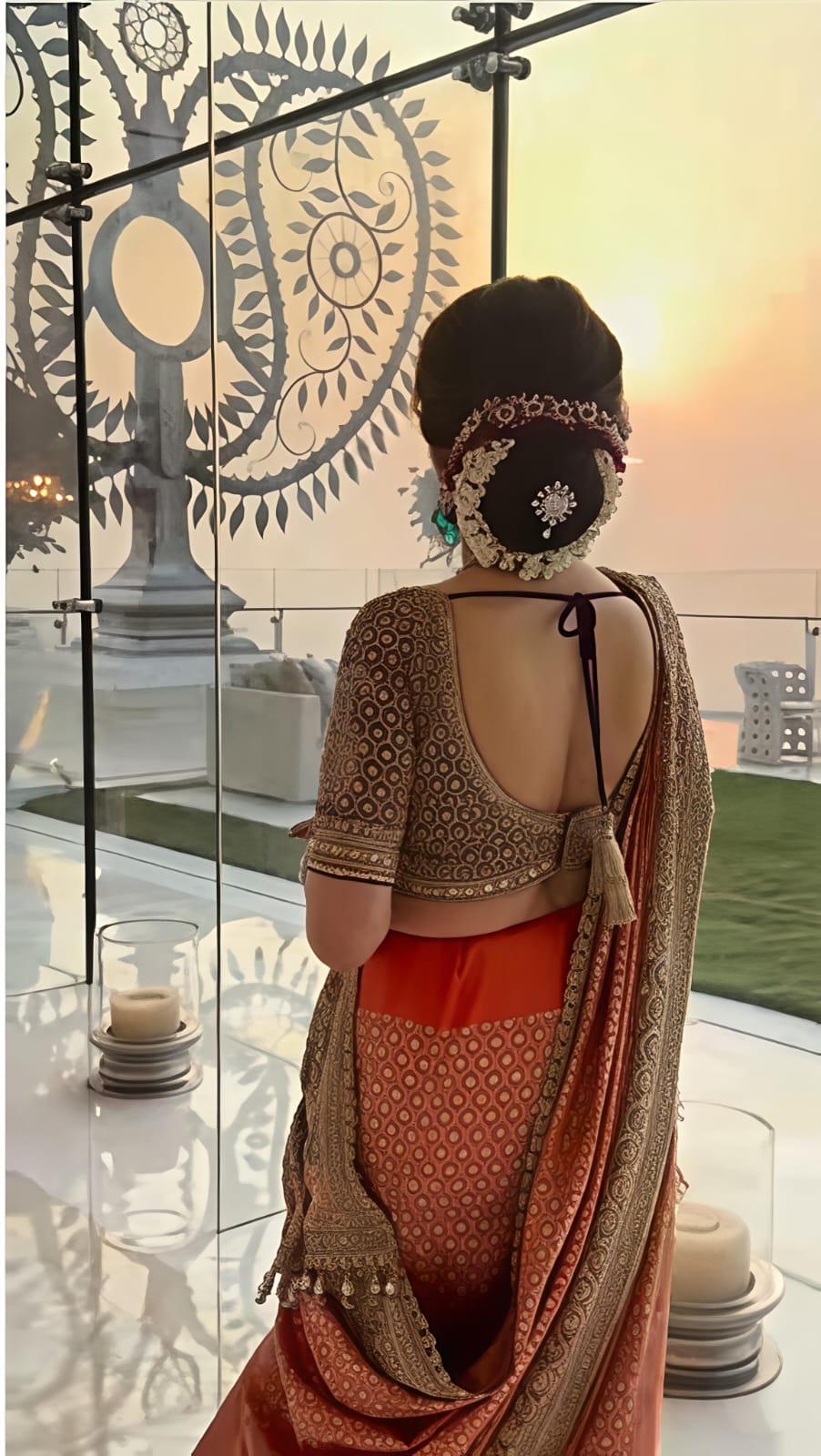
But there is far more inside Antilia that never makes it to video. Let’s do a small sneak peek into the interiors of Antilia and explore the elements that make the residence stand out.
A Home Designed to Never Repeat Itself
Under the personal vision of Nita Ambani and executed with hospitality design specialists Hirsch Bedner Associates, each level at Antilia is conceived as an independent universe. One guiding rule defines the interiors: no two floors repeat the same materials, patterns, or design language.
This decision ensures that every level feels different, turning the building into a vertical collection of varied interior styles rather than a single repeated design.
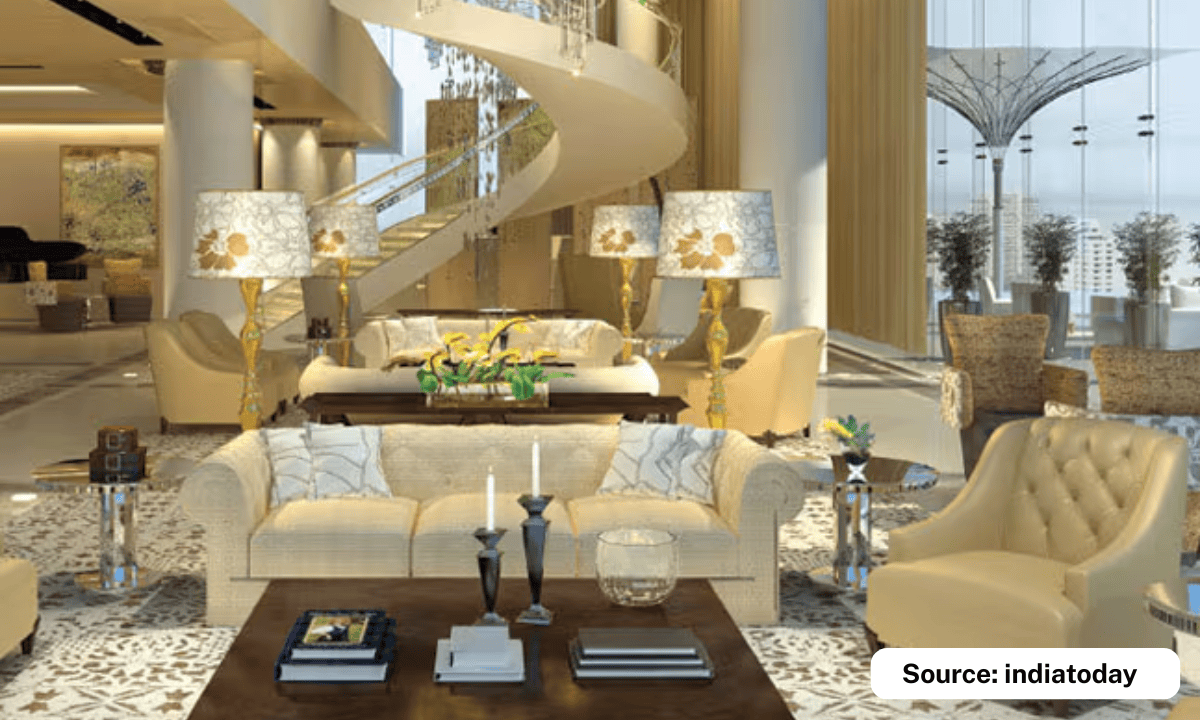
Advanced air filtration systems continuously remove pollution and odours, improving indoor air quality across the building. In addition, gentle scent layering ranging from floral to woody or mineral tones is integrated into the ventilation system and changes by zone and time of day, adding another quiet layer to the interior experience. Isn’t it amazing?
Materials Chosen Without Compromise
Inside Antilia, materials are not used for surface decoration alone; they define the character of each space. The interiors bring together rare materials sourced from across the world. Walls are finished in exotic woods, Turkish silks and parchment textures. The recurring sun and lotus motifs are most prominent throughout the family floors using semi-precious stones, gold leaf and rare woods.
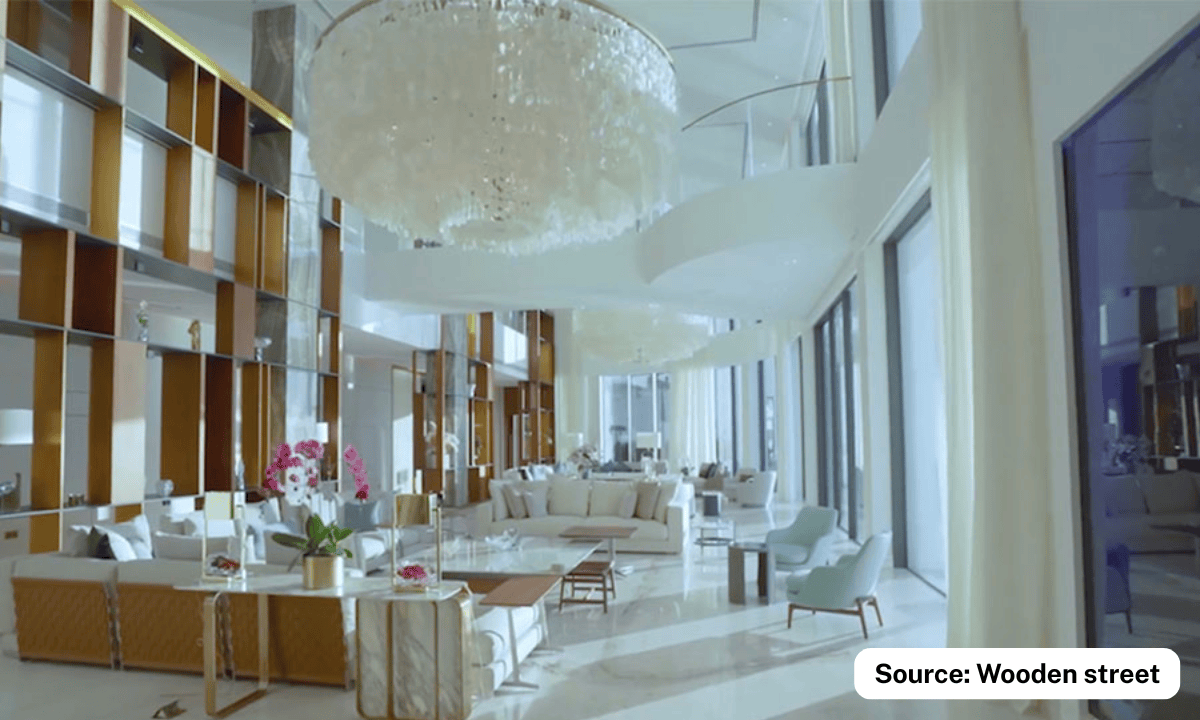
Floors and panels feature semi-precious stone marquetry carved into recurring lotus patterns. Custom-cut crystals etched with sunburst motifs appear across select areas, reinforcing the home’s core design themes.
Even the smallest functional details receive the same level of attention. Handcrafted metalwork extends to door handles, railings and ventilation grills. Elevator cabins and staircases are designed as individual visual elements rather than purely functional spaces. Nothing inside the house is off-the-shelf. The furniture is a mix of custom European pieces and traditional Indian handicrafts.
Art That Becomes Part of the Space
Art inside Antilia is integrated into the building that is art is wall, rather than being hanged later. Lets understand some examples
- Monumental paintings are commissioned at architectural scale, often spanning entire double-height surfaces rather than framed canvases.
- Many works are embedded behind glass or stone, becoming permanent structural features rather than movable objects.
The artistic language changes from floor to floor. Some levels use earthy pigments, others lean toward metallic finishes or soft mineral tones, ensuring that the art aligns closely with the materials and mood of each space.
Unlike traditional art collections, Antilia’s curation avoids crowding. Each piece is given space, silence, and lighting precision, allowing it to breathe within vast interiors.
Green Spaces Inside the Building:Hanging Garden
One of the most distinctive interior features of Antilia is its multi-level system of hanging gardens that runs vertically through the building. These are not decorative balconies, but full garden floors integrated into the structure itself. Entire levels accommodate mature trees, landscaped lawns, and layered planting zones.
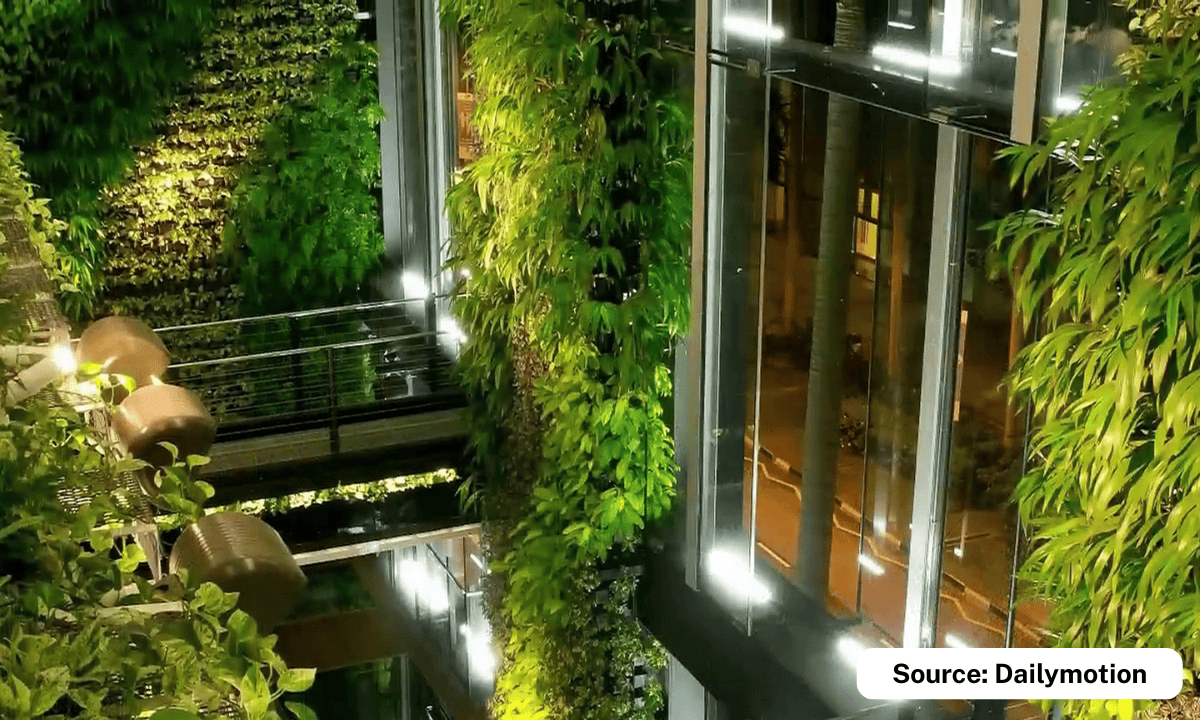
The gardens include a mix of tropical and native plant species such as palms, ficus, flowering shrubs, climbers, and groundcover plants chosen for shade, oxygen generation, and temperature control. This plant life is connected to the building’s environmental systems, helping cool the interiors naturally and filter incoming air.
Natural light passes through the foliage before entering living spaces, reducing heat and softening indoor brightness. As a result, the areas connected to these gardens feel noticeably cooler and quieter. In a dense, high-rise urban setting, these indoor gardens function as a self-contained ecosystem, bringing greenery, climate control, and visual relief into the heart of the building.
Rooms Designed for Different Experiences
The interiors of Antilia are shaped by contrast as much as by luxury. Each major space is designed to create a distinct experience rather than follow a single design mood.
One of the most unusual areas is the Snow Room, where advanced climate systems produce real snowfall. The space allows occupants to move directly from Mumbai’s warm, humid climate into a cold, controlled environment designed to resemble alpine conditions. Frost-textured surfaces and temperature regulation complete the effect, making the experience intentionally disorienting.Having a personal snow room inside your own home; that’s the kind of dream feature most of us never imagine adding to a residence.
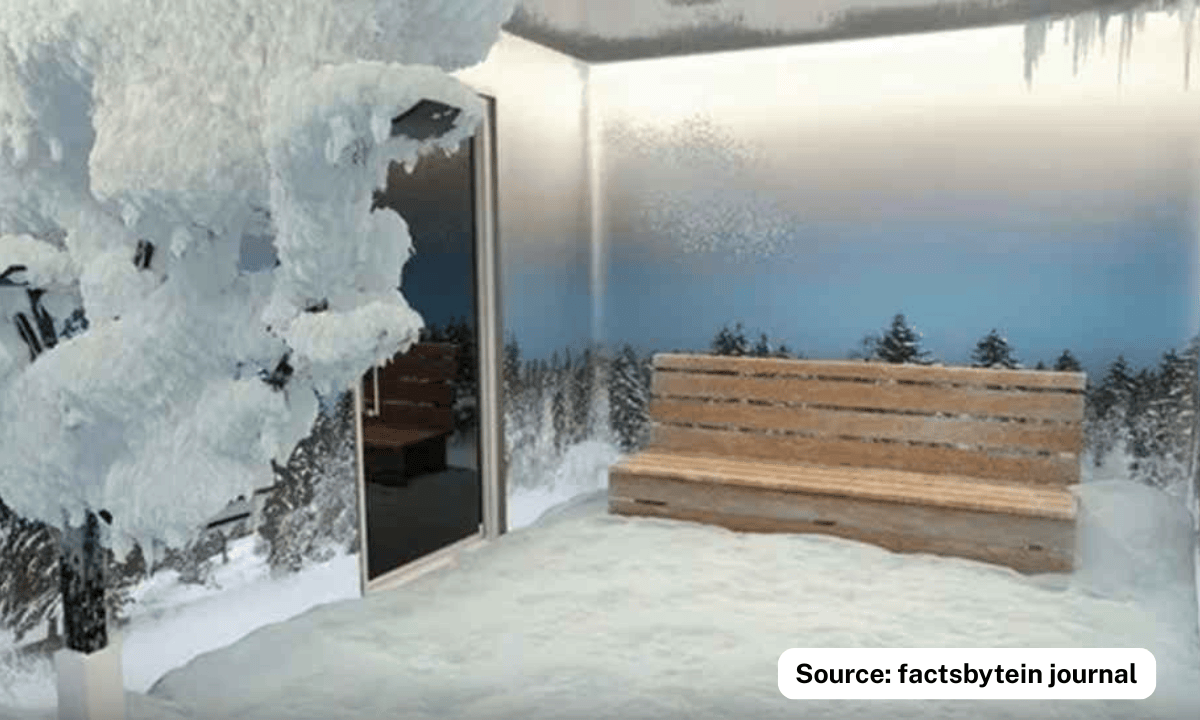
At the opposite end of the spectrum is the Grand Mandir, the private temple within the residence. Designed in a restrained white-on-white palette, the space relies on layered lighting and mirrored surfaces to visually expand its scale. The environment is deliberately quiet and minimal, creating a sense of separation from the rest of the home.
In addition to these spaces, Antilia includes several entertainment and leisure zones. These include a private 50-seat theatre finished with sound-absorbing materials, dedicated spa and wellness floors with thermal and relaxation areas, and formal lounges designed for hosting, each with its own interior identity. Together, these areas are planned to support different moods and uses, making the interiors feel varied and immersive rather than uniform.
Structural Drama Inside the Home
One of the most under-discussed aspects of Antilia is the way its internal structure is expressed through design. Cantilevered floors create the impression of floating platforms within double-height spaces. Internal bridges and staircases are designed as sculptural elements rather than purely functional ones, often using glass, stone, or metal with minimal visible support. Structural columns are concealed within art panels, carved stone forms, or mirrored surfaces, reducing the visual presence of load-bearing elements and making spaces feel more open.
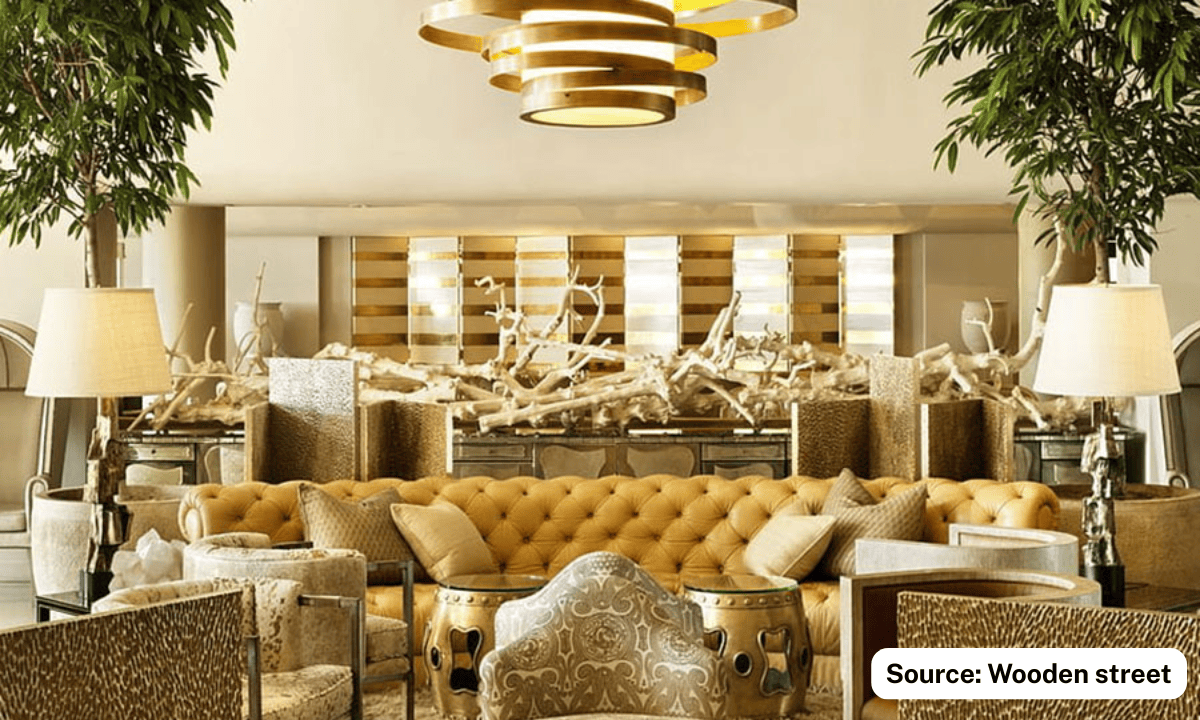
Ceilings receive the same level of attention as floors and walls. Coffered ceilings with integrated indirect lighting add depth without cluttering the space. In certain areas, ceilings feature hand-inlaid metalwork, crystal installations, or carved motifs inspired by the sun and lotus themes seen elsewhere in the house. Acoustic treatments are built into decorative ceiling patterns, allowing large rooms to remain quiet without affecting their visual appeal. In many spaces, the ceiling functions as a defining design surface that helps balance scale and proportion.
Invisible Luxury: What You Never See
At this scale, luxury is defined as much by what is hidden as by what is visible. Antilia operates through a carefully planned internal system that keeps daily activity out of sight. The residence uses nine high-speed elevators, each assigned to specific zones, along with separate circulation routes for residents and staff. Service corridors are concealed behind seamless wall panels, allowing operations to run smoothly without interrupting private spaces.
Advanced acoustic engineering ensures that noise from movement, service, and maintenance remains contained, even with constant activity throughout the building. Despite being supported by a workforce of nearly 600 people, the interiors feel quiet and controlled, reinforcing a sense of privacy across the home.
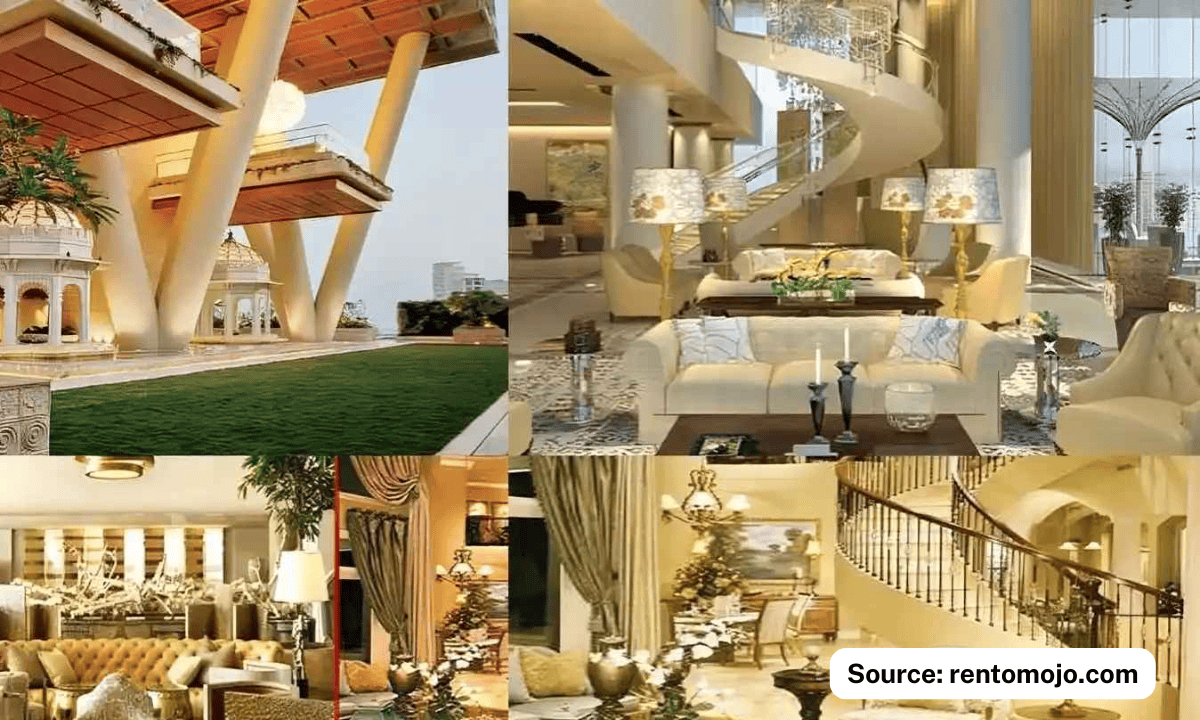
Antilia isn’t just about scale; it’s about the quiet details. Beyond the famous facade lies a masterclass in craftsmanship, where cutting-edge engineering meets world-class design to create a truly singular home.
A recent, unfiltered video has surfaced online, offering a rare look inside this private landmark. Captured during a family celebration, the footage has reignited global curiosity, reminding us why Antilia remains one of the world’s most fascinating architectural achievements.