
Faridabad, once largely perceived as an industrial extension of Delhi-NCR, is rapidly transforming into a thriving urban and retail destination. One of the biggest catalysts behind this transformation has been the expansion and strengthening of metro connectivity across the city. Improved accessibility through the Delhi Metro network has not only enhanced daily commuting but has also significantly influenced retail growth, consumer spending patterns, and commercial real estate development in the region.
Over the past few years, metro corridors connecting Faridabad to Delhi and other NCR regions have improved mobility for working professionals, families, and students. This seamless connectivity has led to higher footfalls in malls, high streets, entertainment hubs, and mixed-use developments. Areas surrounding metro stations are witnessing increased commercial activity, with retailers and developers actively exploring opportunities to establish a stronger presence in these micro-markets.
The retail ecosystem in Faridabad is evolving from a convenience-driven market to an experience-oriented landscape. Consumers today are seeking destinations that offer shopping, dining, entertainment, wellness, and community engagement under one roof. Metro connectivity has made it easier for consumers from neighbouring regions to access retail hubs, thereby increasing catchment areas and boosting weekend and festive footfalls.
Additionally, the growing residential development around metro-connected sectors has contributed to the rise in disposable incomes and aspirational spending. Retail brands, especially in fashion, food & beverage, electronics, and lifestyle categories, are increasingly recognizing Faridabad as a high-potential growth market. This has also encouraged mall operators and developers to focus on experiential retail formats that can cater to evolving consumer expectations.
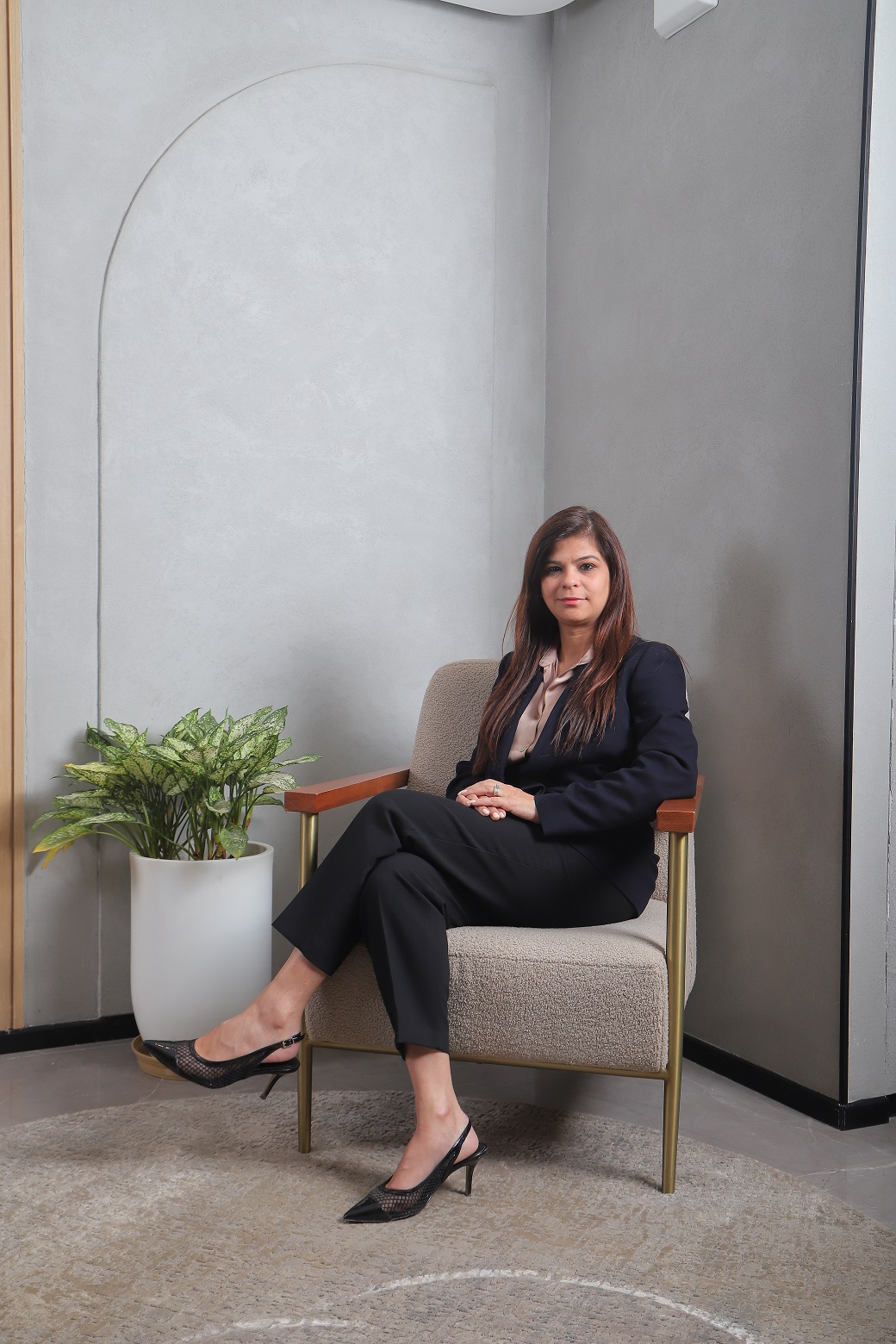
Ms. Nandini Taneja, CEO, Bhumika Enterprises, says, “Metro connectivity has significantly changed the retail dynamics of Faridabad. Improved accessibility has increased visitor footfalls and expanded our reach beyond the city’s immediate residential catchments. Consumers today are looking for convenience combined with experiences, and metro connectivity plays a crucial role in driving that engagement. We are witnessing stronger participation in entertainment events, food festivals, and weekend activities as more families prefer organized retail destinations for leisure and lifestyle experiences.”
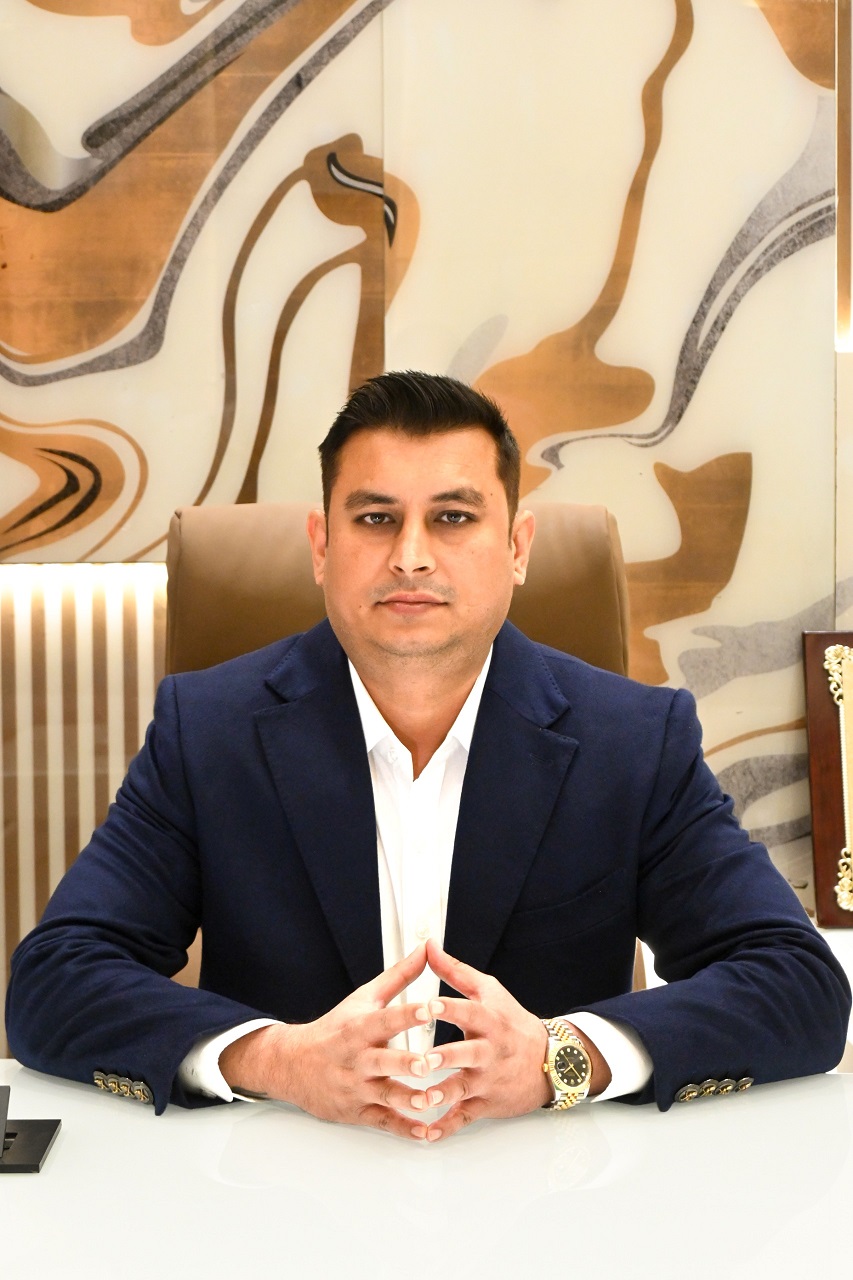
Real estate experts also believe that enhanced public infrastructure is directly impacting commercial growth and investment sentiment in Faridabad. According Goldi Arora, Co-founder & Managing Director of Property Master, “Infrastructure and connectivity have always played a defining role in shaping retail real estate markets. The metro network has improved Faridabad’s positioning within NCR, making it more attractive for developers, retailers, and investors alike. Commercial assets located near metro corridors are witnessing stronger demand, better visibility, and long-term appreciation potential. This trend is expected to further accelerate with the city’s ongoing urban development initiatives.”
As Faridabad continues to strengthen its infrastructure ecosystem, metro connectivity is expected to remain a major driver for retail expansion and commercial growth. With increasing urbanization, rising consumer aspirations, and growing investor confidence, the city is steadily emerging as one of NCR’s promising retail and lifestyle destinations.