
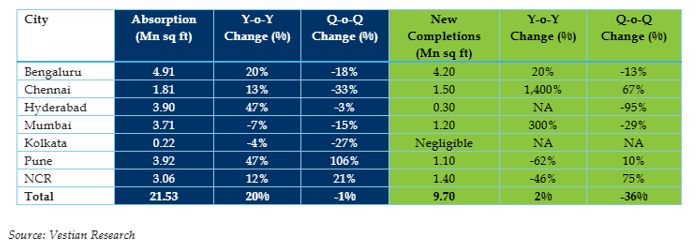
As per Vestian report, new completions declined sharply by 36% quarter-on-quarter to 9.7 Mn sq ft in Q1 2026—the lowest level recorded in the past four quarters. Bengaluru, Hyderabad, and Mumbai cities contributed significantly to this decline as developers adopted a cautious stance amid prevailing uncertainties. For instance, new completions contracted sharply in Hyderabad to a mere 0.3 Mn sq ft in Q1 2026 compared to 6.0 Mn sq ft in Q4 2025, registering a decline of 95%.
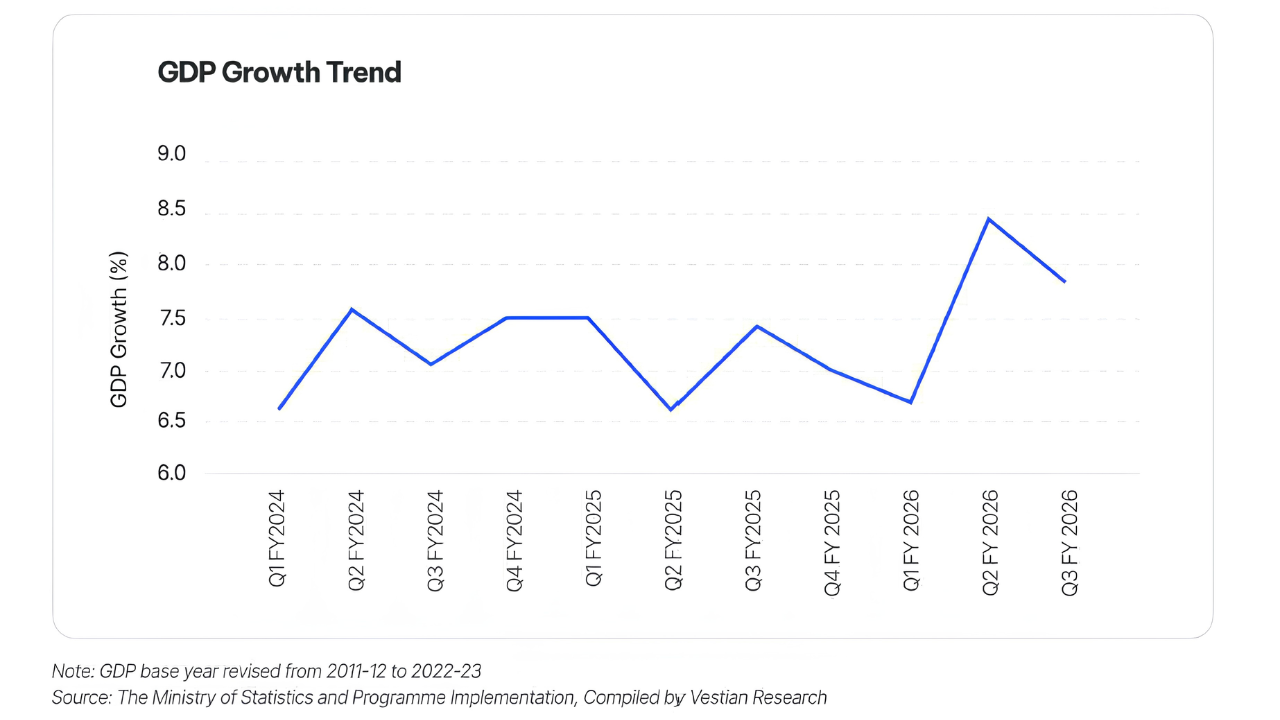
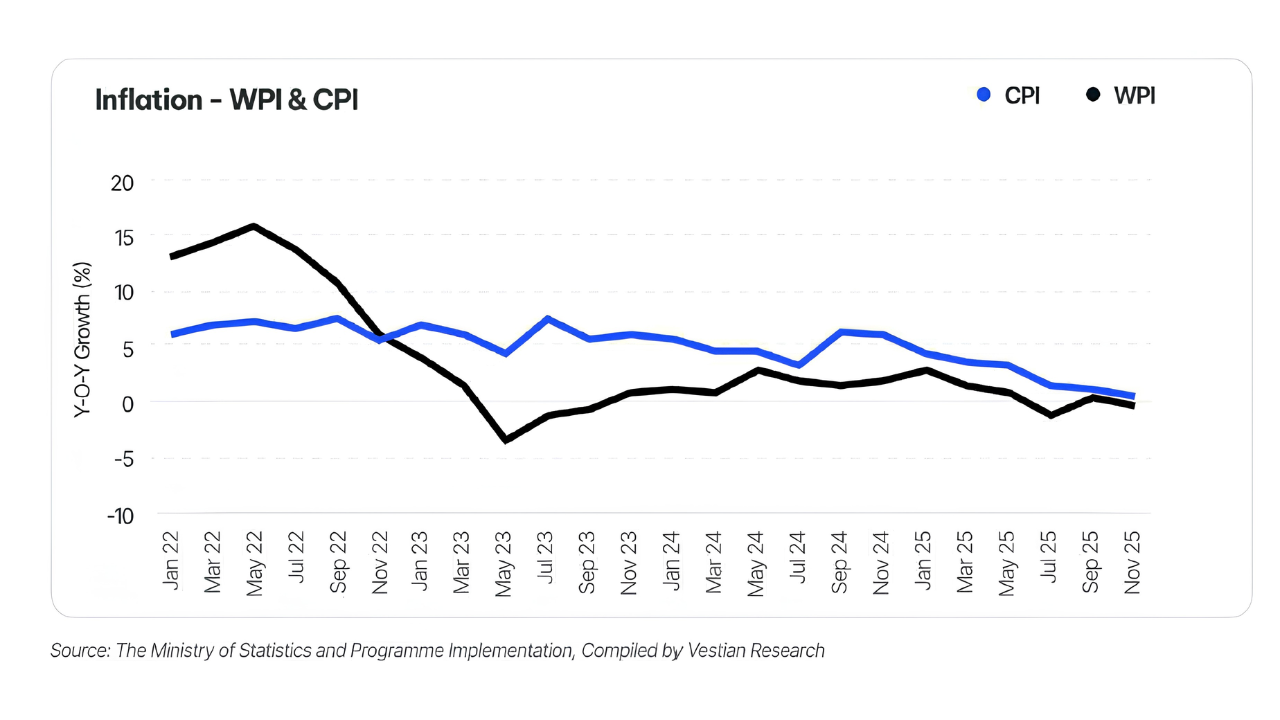
Despite a slowdown in new completions, office absorption increased by 20% to 21.53 Mn sq ft in Q1 2026 compared to the same period last year, highlighting sustained occupier demand amid the West Asia conflict and global macroeconomic challenges. This resilient growth was propelled by India’s attractiveness among global occupiers seeking operational efficiency and scalable growth. Supportive macroeconomic conditions—including steady GDP growth, controlled inflation, and stable interest rates—provided a conducive environment for businesses to expand across the geographies.
The combination of robust absorption and cautious supply resulted in a tightening of vacancy levels across the major office markets. The pan-India vacancy improved to 9.5% from 10.8% in the previous quarter, while rentals continued to rise. This trend indicates a shift towards a landlord-driven market, particularly in prime and emerging business districts.

Shrinivas Rao, FRICS, CEO, Vestian said, “India’s office market exhibited resilience in the first quarter of 2026, despite global geopolitical challenges. The sustained leasing, particularly driven by GCCs, highlights India’s growing prominence as a strategic hub for global corporations. While supply chain constraints led to a temporary slowdown in new completions, robust absorption has tightened vacancies and driven rental appreciation. Looking ahead, rapid GCC expansion, rising demand for sustainable office spaces, and India’s stable macroeconomic environment are expected to drive the next wave of growth in the office sector.”
City-wise Analysis
- Bengaluru: The city continued to lead both leasing and supply, recording 4.91 Mn sq ft of absorption and 4.20 Mn sq ft of new completions in Q1 2026.
- Chennai: New completions increased sharply from 0.1 Mn sq ft in Q1 2025 to 1.5 Mn sq ft in Q1 2026, registering the highest growth rate of 1,400% due to the low base effect.
- Hyderabad: Rentals appreciated by 5.3% over the previous year on the back of robust demand from GCCs, the highest growth among the top seven cities.
- Mumbai: The city continued to be the most expensive office market in India, with average rentals reaching INR 152.6/sq ft/month during Q1 2026.
- Pune: The city recorded its highest-ever quarterly absorption at 3.92 Mn sq ft in Q1 2026.
- NCR: New completions reached 1.40 Mn sq ft in Q1 2026, registering the highest (75%) quarterly growth among the top seven cities.
Looking ahead, India’s office market is expected to maintain its growth momentum despite short-term supply-side constraints. Strong occupier demand, particularly from Global Capability Centers (GCCs), technology firms, and flex space operators, will continue to drive leasing activity across key cities. As developers recalibrate their strategies amid global uncertainties, a gradual recovery in new completions is anticipated over the coming quarters. Additionally, the rising preference for sustainable, Grade A office spaces and the expansion of business districts beyond traditional hubs will shape future supply trends. With vacancy levels tightening and rentals on an upward trajectory, the market is poised to transition further into a landlord-favorable phase, reinforcing India’s position as a preferred destination for global corporate expansion.