
Prime Minister Narendra Modi inaugurated the ambitious Ganga Expressway, a 594-km-long high-speed corridor connecting Meerut to Prayagraj. The project marks a major milestone in India’s infrastructure push, particularly in Uttar Pradesh, as it aims to significantly enhance connectivity, accelerate economic growth, and unlock new industrial opportunities across the state.
The inauguration ceremony was held in Hardoi district in the presence of Governor Anandiben Patel and Chief Minister Yogi Adityanath. Designed as a six-lane expressway with provision for expansion to eight lanes, the corridor supports a design speed of 120 km/h, placing it among the most advanced road infrastructure projects in the country. The project reflects a broader policy focus on building high-capacity transport networks that can support long-term economic expansion.
Regional Connectivity and Coverage
The expressway traverses 12 districts—Meerut, Hapur, Bulandshahr, Amroha, Sambhal, Badaun, Shahjahanpur, Hardoi, Unnao, Rae Bareli, Pratapgarh, and Prayagraj, creating a seamless east-west connectivity spine across Uttar Pradesh. This improved linkage is expected to substantially reduce travel time, improve logistics efficiency, and provide better market access for farmers, traders, and businesses operating across these regions.
Beyond connectivity, the Ganga Expressway is positioned as a strong economic enabler. Integrated Manufacturing and Logistics Clusters (IMLCs) are planned along the corridor to catalyse industrial activity and streamline supply chains. These clusters will support warehousing, cold storage, and food processing infrastructure, thereby strengthening agricultural value chains while also encouraging MSME growth and private investment.
Infrastructure and Safety Features
The expressway also incorporates advanced infrastructure and safety systems, ensuring efficient and secure travel conditions. It is equipped with Intelligent Traffic Management Systems (ITMS), CCTV surveillance, emergency call boxes, ambulance services, and continuous patrolling units. A notable feature is the 3.2-km-long airstrip near Shahjahanpur, which has been designed to facilitate emergency landings of Indian Air Force aircraft, adding strategic and defense utility to the project.
Network Integration
Another key advantage lies in its integration with Uttar Pradesh’s growing expressway network. The Ganga Expressway will connect with major corridors such as the Purvanchal Expressway, Agra-Lucknow Expressway, Bundelkhand Expressway, and Gorakhpur Link Expressway. This interconnected network is expected to transform mobility across the state, enabling faster movement of goods and people while improving regional accessibility.
Impact on Real Estate Development
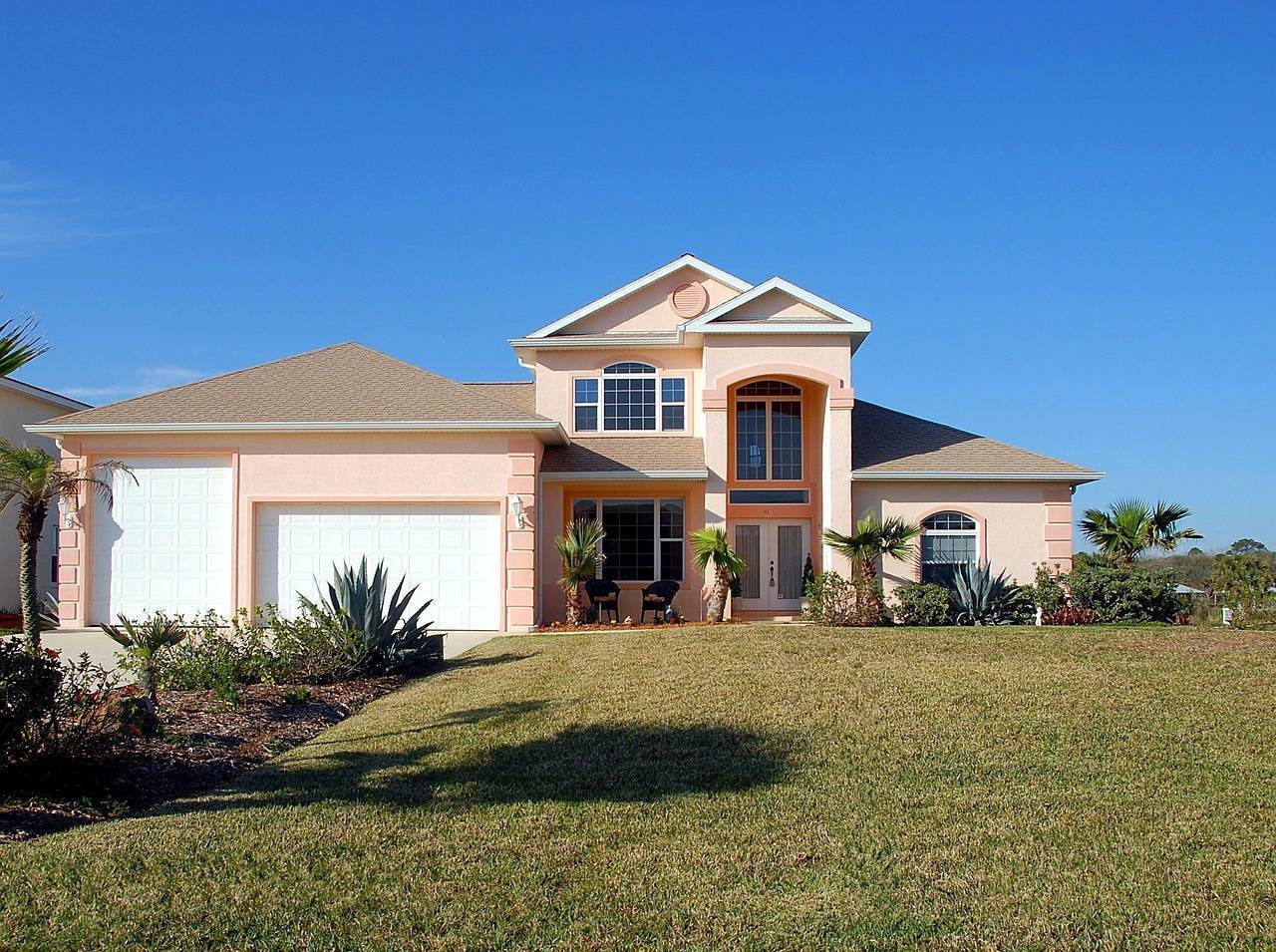
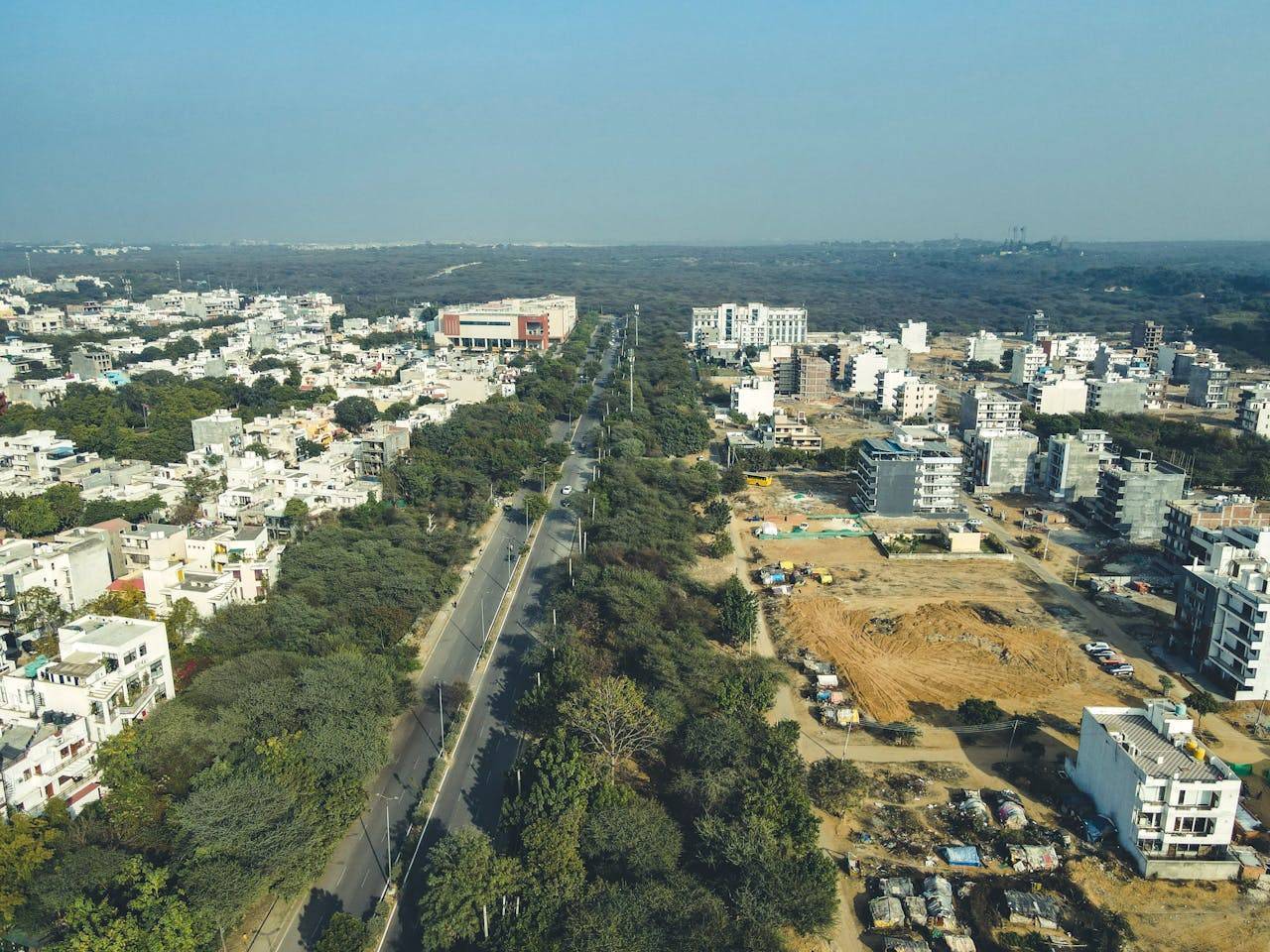
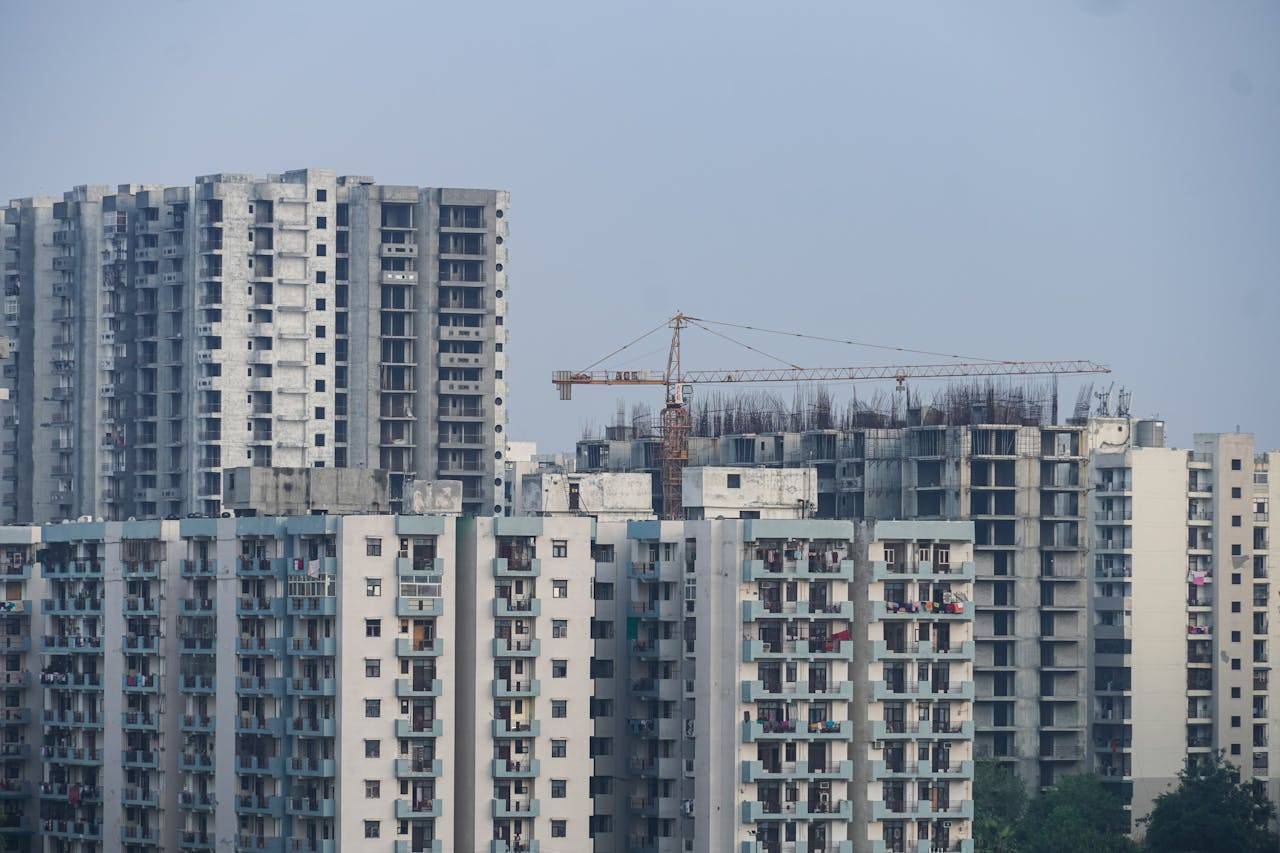
The Ganga Expressway is expected to significantly influence real estate dynamics along its corridor. Improved connectivity typically drives demand for residential, commercial, and industrial developments, particularly in emerging districts. Land values along the expressway are likely to appreciate as accessibility improves and infrastructure upgrades attract businesses and workforce migration. The development of logistics hubs and industrial clusters will further stimulate demand for affordable housing, and township projects. Over time, this corridor could lead to the rise of new growth centres, decentralising urban expansion beyond traditional city cores and creating balanced real estate development across regions.

Mohit Goel, Managing Director, Omaxe Limited, says, "As the Ganga Expressway nears inauguration, we are already seeing early signs of value firming along the Prayagraj corridor, driven by both infrastructure momentum and its positioning as a key temple city. With the government’s proposed Rs. 5,000 crore push towards temple town development, the resulting uplift in tourism and civic infrastructure is expected to further strengthen real estate demand. Currently, residential prices in Prayagraj are averaging around ₹7,900–₹8,000 per sq. ft. across key areas, and with connectivity improvements becoming operational, we expect a 20–30% appreciation over the next 3–5 years, particularly in well-connected and infrastructure-led micro-markets."

Sahil Agarwal, CEO, Nimbus Group, says: “The Ganga Expressway will significantly boost regional connectivity by reducing travel time between Meerut and Prayagraj by nearly half, improving both mobility and logistics. In the near term, demand is expected to be rental-led, gradually translating into sustained residential growth. With current prices in Meerut averaging ₹6,500–₹6,700 per sq. ft., and improved connectivity to the Yamuna Expressway and Noida International Airport, these markets are well-positioned for 30–40% appreciation over the next few years. Importantly, connectivity between Jewar Airport and the Ganga Expressway will make these locations more accessible, easing investment decisions as Jewar emerges as a key economic hub of Uttar Pradesh. This will also drive stronger real estate traction in Greater Noida and Meerut, making them key beneficiaries of this infrastructure-led growth.”
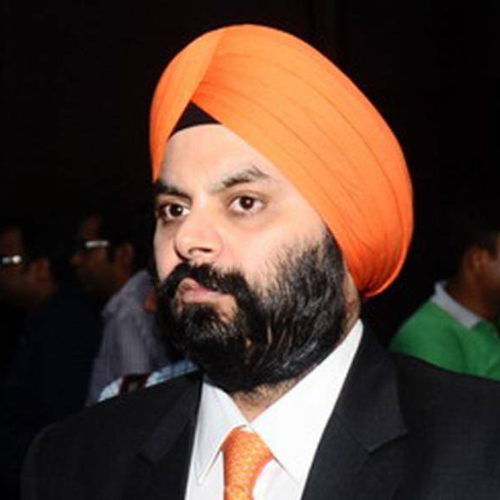
Harvinder Singh Sikka,Sikka Group Chairman, says, “Today, homebuyers are prioritizing not just location, but also value for money and connectivity. The Ganga Expressway will further strengthen this shift, as it enables people to opt for better and more affordable homes even at slightly distant locations. This is expected to give a significant boost to the affordable and mid-housing segments. Additionally, as infrastructure continues to improve, social infrastructure in these areas will also develop, making them increasingly attractive for both living and investment.”

Kushagr Ansal, Director, Ansal Housing, says, " Tier-II markets are clearly shaping the next phase of residential growth, and the scale of land transactions reflects this shift strongly. With the Ganga Expressway unlocking new development corridors, cities like Meerut are expected to see more structured and early-stage real estate activity. At present, Meerut’s residential prices are averaging around ₹6,400–₹6,600 per sq. ft., and as developer interest deepens alongside infrastructure-led demand, we anticipate a **25–35% price appreciation in the medium term**, especially across emerging micro-markets aligned with the expressway".
Economic Vision and Growth Potential
The project also aligns with Uttar Pradesh’s ambition of becoming a trillion-dollar economy. By improving infrastructure, attracting investment, generating employment, and enhancing ease of doing business, the expressway is expected to play a critical role in driving balanced regional development and strengthening rural-urban linkages.
The Ganga Expressway represents a significant leap in India’s infrastructure development strategy. By combining high-speed connectivity with economic planning and modern safety systems, it is set to reshape Uttar Pradesh’s growth trajectory and reinforce the role of infrastructure as a catalyst for sustained economic progress.
Cover Image- ndtv.com