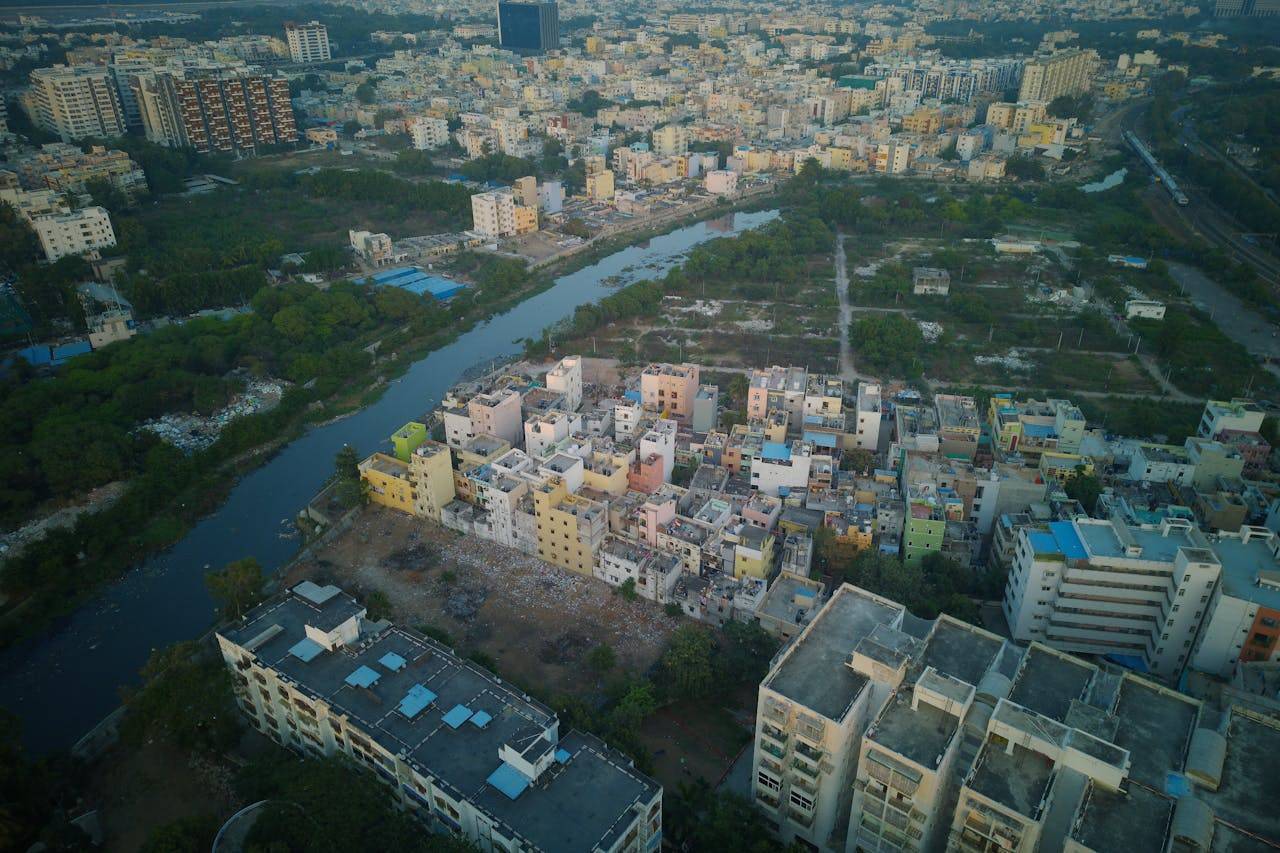
Despite ongoing geopolitical uncertainties in the Middle East and global economic volatility, housing sales across India’s top nine cities rose 19% year-on-year (YoY) to 1.12 lakh units in the April–June 2026 quarter, according to PropEquity. New supply also jumped 43% during the period, indicating developers’ confidence in meeting renewed buyer interest even amid external headwinds.
Hyderabad had the highest rate of sales increase, followed by Mumbai, Pune, and Bengaluru. The strong recovery of the housing market in the southern markets indicates a change in momentum driven by positive buyer sentiment, improved affordability, and increased supply.
Hyderabad remained the top performer, recording a 22% YoY growth in housing sales to 14,410 units in Q2 2026, according to PropEquity. The city’s strong performance was driven by robust IT/ITeS sector momentum, improved affordability, and a consistent supply of quality projects from branded developers. Hyderabad continues to attract both end-users and investors seeking well-planned residential options with good connectivity and modern amenities. The city also saw a healthy 75% YoY increase in new supply to 18,407 units, making it the second-highest supplier after Bengaluru.
Commenting on Hyderabad’s sustained momentum, Kirthi Chilukuri, Founder & Managing Director, Stonecraft Group, said, "Hyderabad's residential market continues to benefit from strong economic fundamentals, expanding infrastructure, and sustained demand from both homebuyers and long-term investors. As the market matures, purchase decisions are increasingly being driven by the overall living experience rather than location alone. Buyers today value efficient layouts, quality construction, green spaces, and communities that support modern lifestyles. At Stonecraft Group, we have embraced this shift through our residential developments in Hyderabad, where our focus is on creating thoughtfully planned communities that combine contemporary architecture, functional design, and sustainable living to meet the evolving expectations of today's homebuyers."
Bengaluru also contributed significantly to the overall growth, witnessing a 47% YoY surge in housing sales to 21,516 units. The city maintained its dominance with a 71% YoY increase in new supply to 24,340 units, according to PropEquity. Returning confidence in the IT sector, quality project launches, and good connectivity drove buyer interest. Bengaluru’s performance underscores the resilience of southern markets, with homebuyers showing renewed preference for ready-to-move and under-construction homes with modern amenities.
Commenting on the broader market trend, Vivek Singhal, Co-founder & CEO, Multigen India, said, "The housing market has once again shown that buyer confidence remains intact despite global uncertainties. What stands out is that demand is not limited to one or two markets. Bengaluru, for instance, continues to see strong momentum because of its expanding employment base and sustained demand from professionals, while other cities are also benefiting from infrastructure-led growth. At the same time, the increase in new launches reflects developers' confidence in the market, but maintaining the right balance between supply and genuine end-user demand will be key to sustaining this growth."
Mumbai and Pune also posted healthy growth, with sales in Mumbai increasing 32% YoY to 10,561 units, while Pune recorded a 9% YoY increase to 18,737 units, according to PropEquity. Both cities’ premium segments performed well due to improved infrastructure and continued stable demand from affluent buyers. Strong supply growth in both cities (Mumbai’s supply increased 111% and Navi Mumbai’s supply increased 116%) also indicates developers’ confidence in meeting buyer demand across the western region.
"A 19% growth in housing sales is an encouraging indicator for the sector. Hyderabad's strong performance, along with the momentum seen in Mumbai, Pune & Bengaluru, shows that homebuyers continue to back markets with strong economic fundamentals, improving infrastructure and long-term growth potential. More importantly, it reflects how buyer behaviour is evolving. Today's homebuyers are looking beyond the project itself and evaluating the long-term potential of a location before making an investment. That's a healthy shift for the industry.
Having worked across multiple real estate markets through our network of offices across India, I have seen that every city has its own growth story and every city is made up of several micro-markets with distinct demand drivers. While quarterly trends may spotlight different cities at different times, long-term success is built on understanding local market dynamics, maintaining execution quality and consistently creating value for homebuyers. Those fundamentals remain the same across every market." Shared Ravi Kant, Co-Founder & CEO, Elegance Enterprises
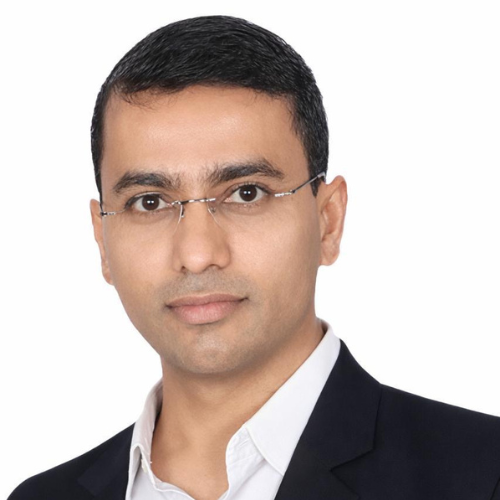
Commenting on Mumbai’s performance, Rajat Khandelwal, Group CEO, Tribeca Developers, said, "The Mumbai residential market continues to demonstrate strong resilience, particularly in the premium and luxury segments, where buyer confidence remains robust. At Tribeca, we are witnessing sustained demand and healthy price appreciation across our developments in Mumbai, reflecting the broader growth trend highlighted in the report.
We are seeing homebuyers increasingly prioritise quality, branded living experiences, thoughtful design, and long-term value creation while making purchase decisions. Today’s buyers are looking beyond just square footage; they seek integrated communities, lifestyle-led developments, sustainability features, and projects in well-connected micro-markets that offer both superior liveability and future appreciation potential.
With infrastructure upgrades reshaping the city and demand increasingly being driven by end-users rather than speculative investors, Mumbai continues to remain one of the country’s most resilient and attractive residential markets.”
The Q2 results indicate that India’s residential real estate market is experiencing a recovery. Hyderabad and Bengaluru have emerged as the strongest performers in this recovery, while Mumbai has also demonstrated sustained resilience. While global uncertainty is expected to persist, provided supply remains calibrated and demand stays stable through the second half of 2026, the market appears well-positioned for continued recovery.