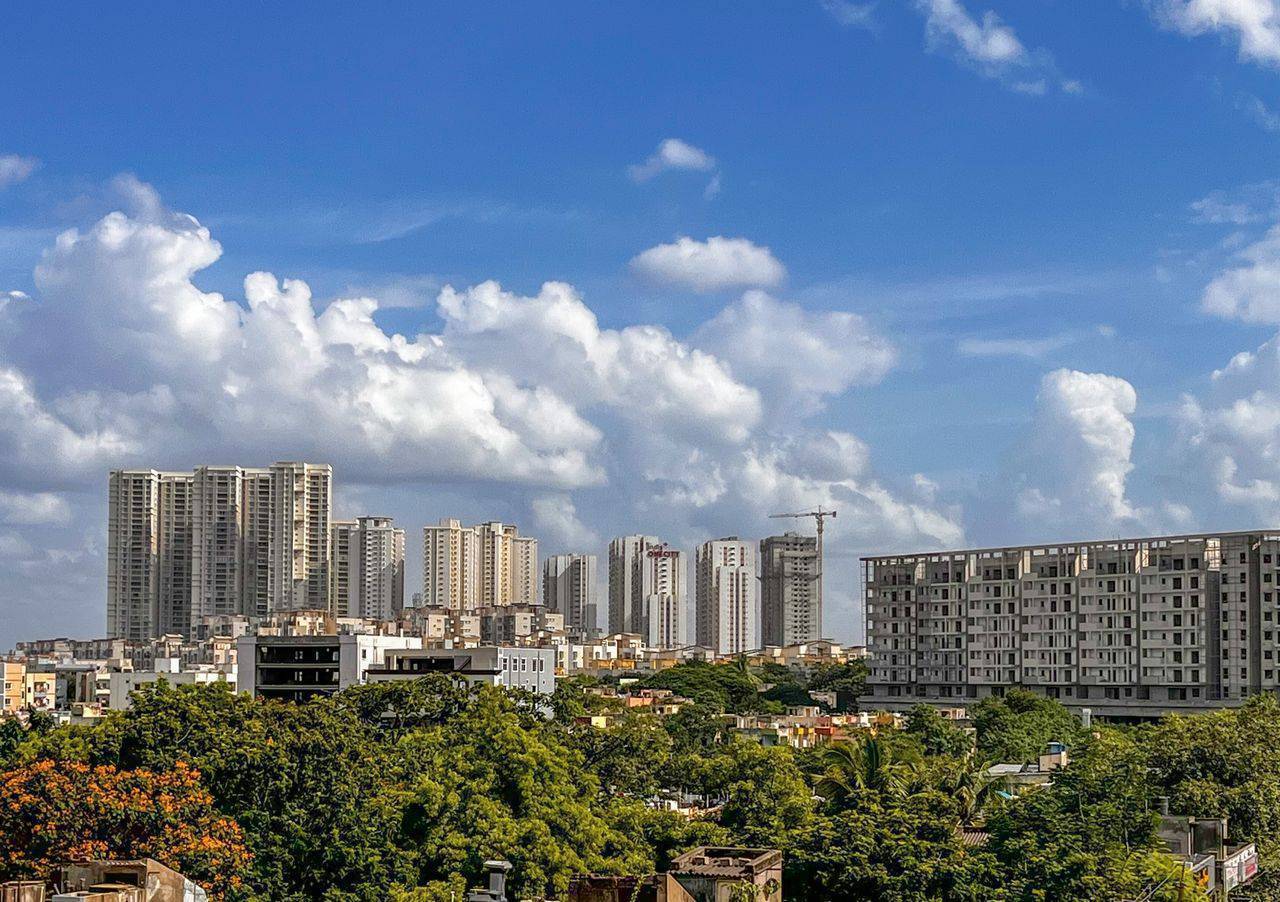

The Indian commercial property market enters H2 2026 on a foundation of quality, connectivity, flexibility, and value, becoming the key demand drivers. GCC development, infrastructure improvement, and changing occupier demands are influencing the evaluation criteria for offices and retail properties.
As per the recent Savills report, GCCs have contributed 43% to the total leasing of office spaces in India’s major cities in the first half of 2026. In addition, the total office inventory in India surpassed 1 billion square feet in 2026. More than 80% of GCC leases in the aforementioned period were in certified green office buildings.
Since 2021, GCCs have leased approximately 118 million sq ft of Grade A office space across the top seven cities of the country, accounting for 37% of overall demand as per latest Colliers’ report, "GCCs in India: Global leadership through scale, competitiveness, talent & innovation". In H1 2026, GCCs have leased 16.6 million sq ft, which translates to a notable 46% share in overall Grade A office space uptake. In fact, continuing the upward growth trajectory, GCCs are expected to remain the cornerstone of office space demand, with annual GCC leasing projected at around 35-40 million sq ft for the next two years, reinforcing India’s status as a leading global innovation hub.
During H1 2026, Bengaluru continued to remain India’s top office market, leading space uptake at 10.5 million sq ft, corresponding a 29% share. Hyderabad, with about 7.2 million sq ft of leasing, accounted for about one-fifth of the overall demand in H1 2026. Notably, Hyderabad witnessed 47% annual rise in leasing activity during H1 2026. Meanwhile, Delhi NCR, Mumbai & Chennai each witnessed leasing activity in the range of 4-5 million sq ft during the first half of the year.

Harinder Singh Hora, Founder Chairman, Reach Group, said, “The current momentum in retail leasing reflects a fundamental shift in how commercial destinations are being conceived and consumed. Retail performs best when it is anchored by a strong and evolving catchment, supported by residential, workplaces, hospitality, entertainment and dining that together create sustained footfall throughout the day. Gurugram is a strong example of this transition, with emerging growth corridors giving rise to new consumer catchments and expanding the addressable market for organised retail. As retailers increasingly prioritise visibility, accessibility and the potential for repeat engagement, developers are responding with integrated, destination-led commercial developments that are aligned with the evolving lifestyle and consumption needs of these markets."
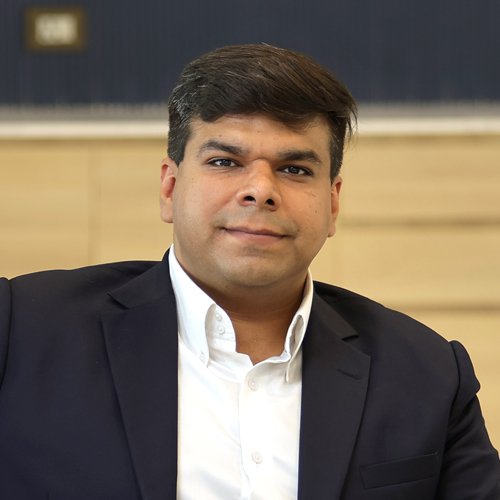
Sanchit Bhutani, Managing Director, Group 108, said, “The commercial real estate sector is gradually shifting towards a demand-based phase where the occupants and investors are assessing the opportunities in terms of connectivity, quality, and sustainability. In locations like Noida and Greater Noida, the development in the infrastructure coupled with new business and job openings is supporting the increasing demand for modern office spaces. This trend will also push the developers to build commercial assets in sync with the changing requirements of the businesses and investors. We believe that as the industry matures, these parameters will gain prominence in driving the growth of commercial real estate development in Noida and Greater Noida till H2 2026.”

Mitul Jain, Managing Director, SPJ Group, said, “The commercial real estate industry, especially the retail segment, is increasingly adopting an experiential approach, wherein the objective of providing an experience is going beyond transactions to destinations which encourage the consumers to spend time, engage themselves, and keep coming back. In Gurugram, the new demand scenario of the consumers is leading to increased relevance of the retail settings that offer shopping, dining, entertainment, and convenience all under one roof and in a well-connected location. High visibility, accessibility, good catchments, and steady footfalls are increasingly becoming key factors that help the occupiers and investors gauge the future prospects of a commercial real estate property. We are convinced that the next growth wave in retail will be defined by such developments that not only understand consumer behavior but also provide meaningful experience to them.”
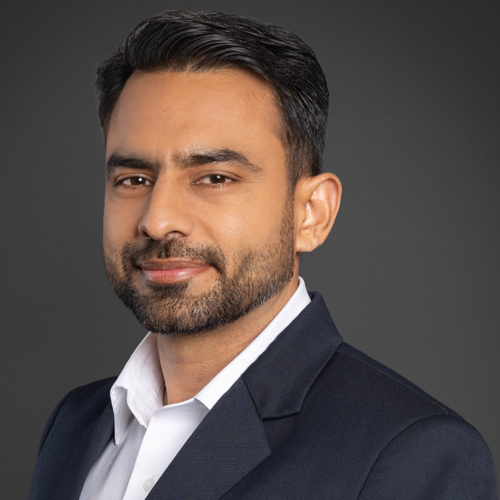
Ashwani Kumar from Pyramid Infratech said, “Real estate investment in H2 2026 would be driven more by fundamentals than by sentiment, and will look towards the basic demand and the potential for the real estate asset. Aspects like connectivity, catchment areas, good development and the capability of an area to facilitate economic activities will continue to play an important part in real estate investments. In regions like Gurugram, the growing infrastructure and residential population create opportunities for commercial and retail spaces that can meet the needs of consumers and businesses. Such assets, which are supported by demand, proper location, good infrastructure and future-proof planning, would be able to create sustainable value and stay resilient in different market cycles.”
As H2 2026 unfolds, India’s commercial real estate market is expected to place greater emphasis on location, connectivity, quality, sustainability and demand potential. Strong GCC expansion will continue to support office leasing, while infrastructure upgrades, expanding catchments and changing consumer preferences will influence retail and mixed-use developments. Developers and investors that align commercial assets with occupier requirements, accessibility and long-term demand are likely to be better positioned to capture the next phase of market growth.