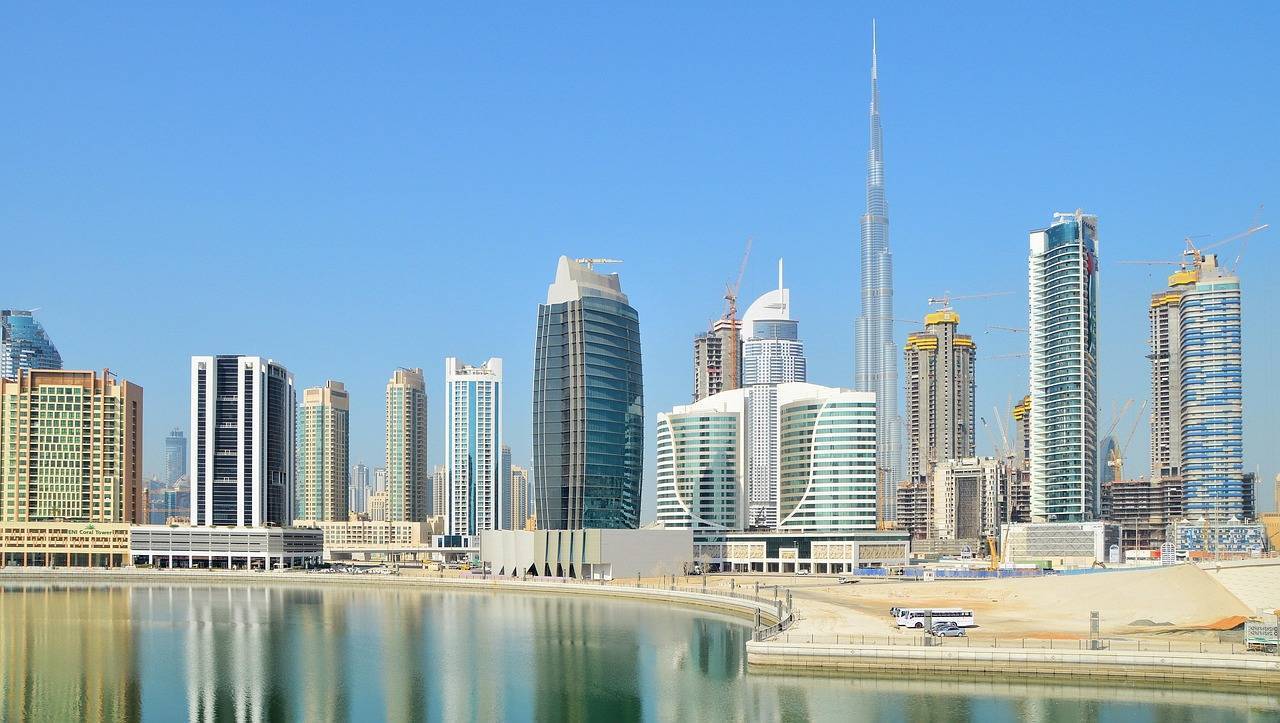
At a time when global markets are reacting to rising geopolitical tensions, conversations around a potential correction in Dubai’s property market are beginning to surface again. However, on-ground sentiment suggests a far more balanced reality, one that is defined not by panic, but by a phase of cautious and more deliberate decision-making.
There is no visible distress in the market. Sellers are not rushing to exit, and buyers are not pulling back entirely. Instead, what is playing out is a temporary pause, with investors taking more time to evaluate opportunities before committing.

“Right now, the sentiment in Dubai is less about concern and more about a rational pause. Investors are not stepping away. They are simply taking a moment to gain clarity before making decisions,” said Mamtu Mirchandani, VP Asset Management at Xperience Realty, Dubai. “Last year saw a lot of momentum driven by urgency. What we are seeing now is a shift towards deeper due diligence.”
This shift is also reflective of broader global cues. Equity markets, including those in India, have seen some pressure in recent sessions, which is a typical response during periods of geopolitical uncertainty. However, in Dubai’s real estate market, the impact has been far more nuanced.
Any softening is largely playing out at the negotiation stage rather than translating into actual price corrections. Buyers are negotiating harder, but transactions, especially in premium segments, continue to hold firm.
A key reason for this relative stability lies in how investors perceive Dubai as an investment destination.
“There is a strong linkage between capital flows and overall market sentiment. Real estate does not operate in isolation. When investors are confident about a market, that confidence reflects across asset classes,” Mirchandani explained.
Currency stability continues to be another significant advantage. With the Dirham pegged to the US Dollar, investors are shielded from the volatility that is currently affecting several other global markets.
“In many regions today, investors are dealing with a dual impact of declining markets and weakening currencies. That combination is not playing out in Dubai, which helps preserve purchasing power and investor confidence,” she added.
For Indian investors in particular, this distinction is becoming increasingly important. Dubai is no longer viewed purely through a lifestyle lens. It is steadily emerging as a strategic allocation in global portfolios.
“For many Indian buyers today, Dubai represents stability and opportunity at a time when uncertainty is rising elsewhere,” Mirchandani noted.
Despite ongoing discussions around a potential correction, there is little evidence of panic selling. In fact, underlying demand remains strong, with buyers actively monitoring the market and prepared to act when the right opportunities arise.
This is evident in the responsiveness of investors to even unverified deals. Mirchandani recalls a recent instance where market chatter around a steeply discounted luxury villa quickly triggered interest. “The deal itself was not real, but I had a client ready to close within 48 hours if it had materialised. That reflects the mindset of buyers today,” she said.
While some flexibility is emerging in parts of the mid market segment, the luxury and high value segments continue to demonstrate resilience, supported by liquidity and a high share of cash transactions.
For now, the narrative in Dubai’s real estate market is not one of correction, but of consolidation.
In an environment where global uncertainty is becoming more pronounced, this measured pause may ultimately signal the market’s underlying strength rather than any structural weakness.