Key Highlights of Multi-Dimensional BIM in Real Estate
- End-to-End Project Intelligence: BIM evolves from 3D visualization to 7D lifecycle management, covering design, construction, cost, sustainability, and facility operations in a unified digital framework.
- Improved Design Accuracy & Coordination: 3D BIM enables clash detection and precise modeling, significantly reducing errors, rework, and construction delays.
- Efficient Project Scheduling: 4D BIM integrates time, allowing stakeholders to visualize construction sequences and optimize timelines for better project delivery.
- Real-Time Cost Control: 5D BIM links design elements with cost data, enabling accurate budgeting, instant cost analysis, and effective value engineering.
- Sustainability & Compliance: 6D BIM supports energy analysis and green building certifications, helping developers create environmentally efficient and marketable properties.
- Enhanced Facility Management: 7D BIM ensures seamless post-construction operations through asset tracking, maintenance scheduling, and lifecycle data management, improving long-term asset performance.
For decades, Building Information Modeling (BIM) has been instrumental in reshaping planning, designing, and project management in the real estate and construction sectors. In its early days, BIM was mainly considered as software that could produce digitized versions of working drawings. However, it is now a complex and interactive platform that delivers valuable information facilitating every stage of a building's lifecycle. Real estate development is an area where building information modeling can add great value because major investments, tight schedules, and operational productivity are at the heart of the decisions being made.
This is the reason why one needs to get familiar with multiple facets of BIM, the transition from 3D to 7D which are capable of leading to game-changing results and shaping the future of construction and architecture.
3D BIM: The Visual Foundation
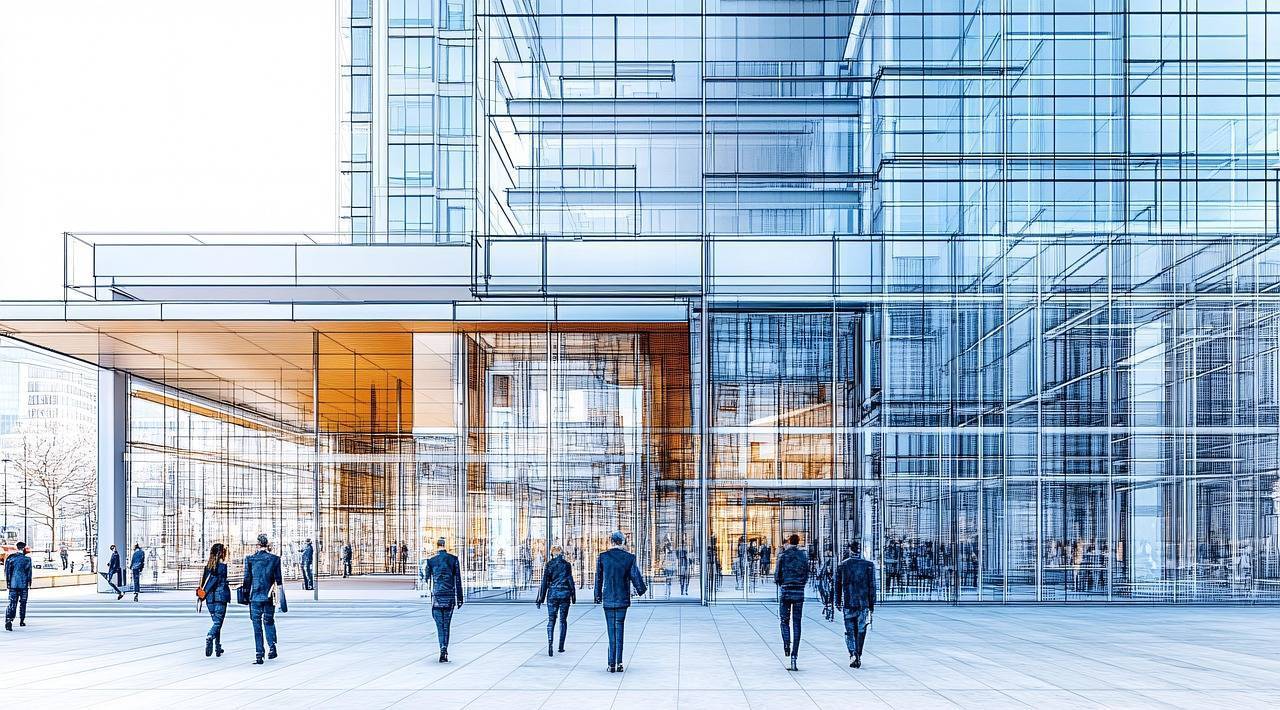
3D BIM (Building Information Modeling) can be considered the visual foundation of the construction process. Simply put, it entails producing an exact digital representation of the building's physical components, such as architectural features, structural frameworks, and even mechanical, electrical, and plumbing (MEP) systems.
Differentiated from conventional blueprints, a 3D BIM model gives the builders and other parties an excellent opportunity to see the building from multiple perspectives, thus raising spatial awareness and fomenting change implementation at the design stage. Probably, the main benefit of 3D BIM is clash detection. Different architectural, structural, and MEP designs are usually made in isolation, so there may be serious consequences when elements are incorrectly combined. 3D BIM solves this by revealing the clashes in the design quickly enough to avoid extra costs and delays in construction.
On top of that, 3D models help non-technical participants-in-stakeholders, such as investors, clients, and tenants, to easily grasp the project and that may entail securing approvals and pre-sales. Besides the more effective visualization, 3D BIM can also help fidelity of documentation to reach a new high. For instance, the model can be used to automatically compute the quantities of materials, generate floor plans and pinpoint each component's requirements, thereby reducing human mistakes and serving as a firm basis for the next BIM stages.
4D BIM: An Overview of the Concept of Time
3D BIM primarily concentrates on the geometry of the project, but the concept of 4D BIM takes this one step further by incorporating the concept of time as well. This way, the developers can get a glimpse of the construction sequence before they actually begin the construction work.
4D BIM can be extremely useful in the development of complex real estate projects where there are many contractors and subcontractors involved in the construction process. For instance, in the construction of a high-rise residential tower, the construction sequence can be plotted virtually. This way, the construction can be done smoothly with no conflicts between the construction teams.
Some of the key advantages of using the concept of 4D BIM are as follows:
- It can be extremely useful in the creation of schedules.
- It can also help reduce risks.
- It can also be extremely useful in the creation of greater communications with the stakeholders involved in the project.
5D BIM: The Integration of Cost
The inclusion of cost in the above equation results in 5D BIM, where cost intelligence is integrated. This allows all elements of the design to be connected with cost information, enabling developers and managers to compute costs and monitor expenses in real-time.
The advantages of using 5D BIM for real estate development projects are numerous. For example, a developer will be immediately able to see the cost implications of modifying certain elements of their building. For example, deciding between standard and premium flooring or modifying structural elements for enhanced aesthetics can be instantly calculated for cost viability.
5D BIM also allows for value engineering. For example, developers will be able to compare different building methods or materials using 5D BIM. This allows for maximum cost efficiency without compromising design. This particular facet of BIM is beneficial for long-term projects, as it allows for capital expenditure (CapEx) and other costs to be considered.
6D BIM: Sustainability and Energy Efficiency
In an era where sustainable development is no longer optional, 6D BIM adds environmental intelligence to the building information model. This dimension of BIM is all about energy efficiency, resource optimization, and sustainability. By simulating energy efficiency, lighting, HVAC efficiency, and even water efficiency, developers can build structures that are sustainable as well as efficient in the long run.
6D BIM assists real estate developers in achieving green building certifications such as LEED, IGBC, or BREEAM. It also offers developers an opportunity to gain information on operational costs associated with energy efficiency. For example, a commercial office space can simulate solar exposure, ventilation, and energy efficiency in order to optimize the location of windows, shading, and HVAC.
In addition to reducing development costs, sustainability also offers developers a marketing advantage. By applying 6D BIM, developers can build structures that attract environmentally responsible tenants and customers.
7D BIM: Facility Management
The last dimension, 7D BIM, goes beyond construction and into facilities management. It includes information on assets, schedules for maintenance, warranties, and various data on the lifecycle of facilities. This dimension is, therefore, very useful for property managers and real estate investors.
Facility management teams can use 7D BIM for effective planning of preventive maintenance, repair, and management of facilities. Facilities such as lifts, fire systems, and air conditioners can be monitored using 7D BIM, which will send notifications for the due dates of services and warranties. This way, facilities are maintained properly, extending their lifespan, and developers can accurately calculate the operational expenditure (OpEx) for their facilities.
In large residential or commercial properties, 7D BIM can bring all facilities together in a single digital model, thus facilitating effective decision-making and increased efficiency.
Why Multi-Dimensional BIM Matters in Real Estate?
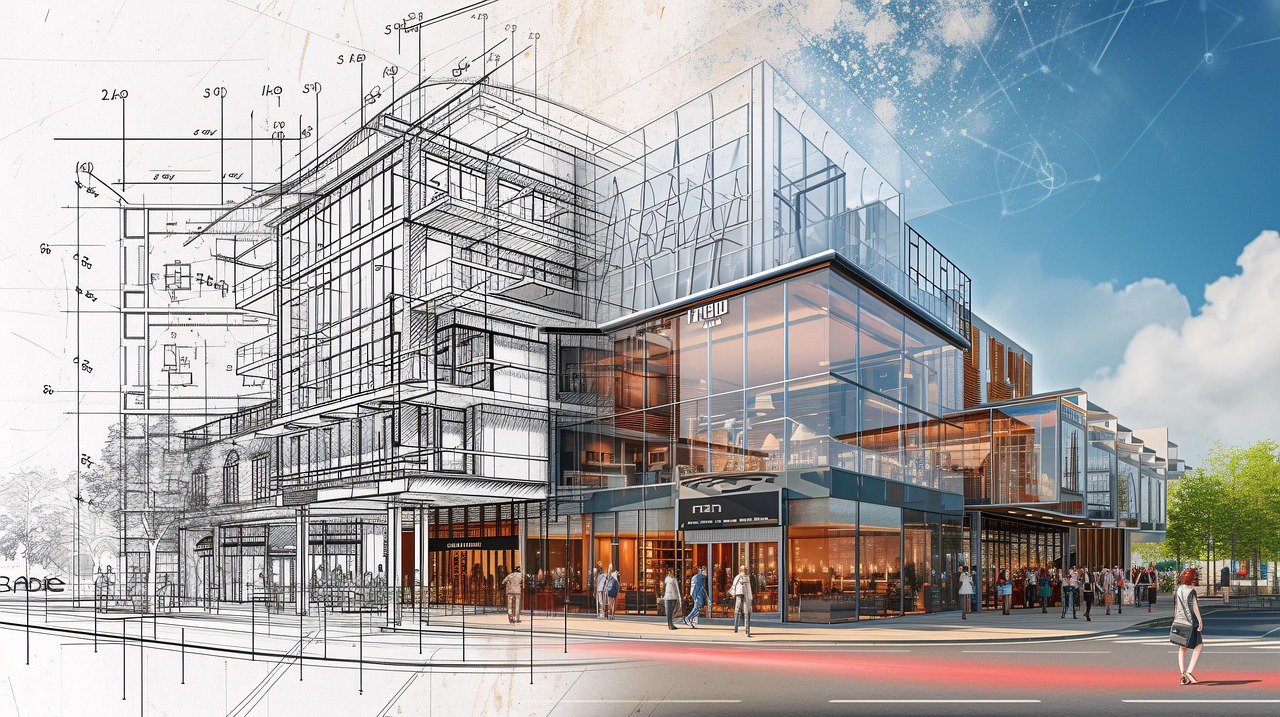
The full potential of BIM can only be achieved when all dimensions, ranging from 3D to 7D, are integrated. The benefits of such integration are:
- Design clarity with 3D visualization.
- Construction efficiency with 4D scheduling.
- Financial control with 5D cost management.
- Sustainability and compliance with 6D energy analysis.
- Operational efficiency with 7D facility management.
This integrated approach to BIM helps to reduce risks, increase transparency, and boost profitability. It helps in making better investment decisions, reduces construction rework, and increases operational efficiency.
Market Potential
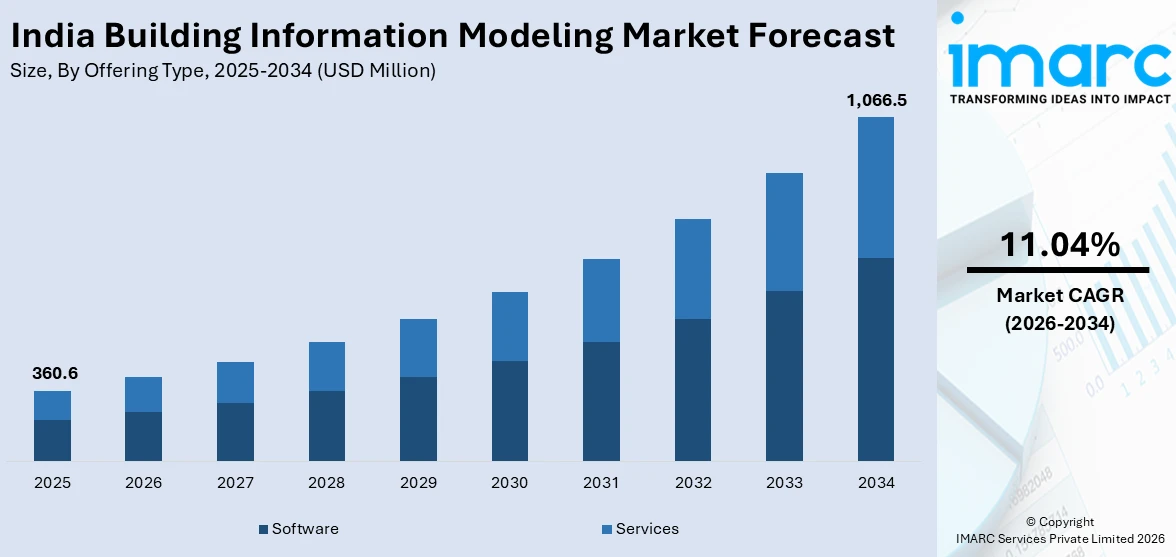
India building information modeling market size reached USD 360.6 Million in 2025. Looking forward, IMARC report expects the market to reach USD 1,066.5 Million by 2034, exhibiting a growth rate (CAGR) of 11.04% during 2026-2034. The elevating integration of advanced software solutions and cloud-based platforms is enhancing the efficiency of collaborative efforts among architects, engineers, and construction professionals throughout the project lifecycle, which is primarily driving the market growth.
India Building Information Modeling Market Trends:
The India building information modeling market is undergoing a significant transformation, propelled by a confluence of factors that underscore the evolution of the construction and architecture industries. Primarily, technological advancements across the country have emerged as key drivers, reshaping the BIM landscape. Additionally, stakeholders in India are leveraging building information modeling to design and construct environmentally friendly structures, adhering to green building standards. This eco-centric approach aligns with the emerging trend toward sustainable and energy-efficient construction practices.
Furthermore, the visualization capabilities of building information modeling in a 3D environment are becoming increasingly pivotal. This feature enhances communication and comprehension of complex architectural designs among project participants, which is acting as another significant growth-inducing factor. Additionally, BIM's role in improving cost estimation accuracy is a noteworthy trend, helping mitigate financial risks and ensuring projects stay within budget constraints. Apart from this, technological advancements, real-time collaboration, and enhanced visualization are anticipated to fuel the market growth across the country in the coming years.
Challenges and Solutions
While the benefits of multi-dimensional BIM adoption are obvious, the process does come with some challenges. The high cost of implementation, specialized software, and skilled workforce may prove to be hurdles.
However, to overcome these challenges, the following steps can be taken by the companies:
- Provide training to BIM professionals.
- Make use of cloud computing to collaborate with each other.
- Adopt ISO 19650 to follow standardized procedures.
By taking these steps, the process of BIM adoption becomes smoother, and the potential of all the dimensions of BIM can be achieved.
The Future of BIM in Real Estate
In the future, BIM is expected to continue to advance with other technologies such as IoT, AI, and digital twins. There will be more efficiency through energy monitoring, predictive maintenance, and construction analysis using AI. Developers and investors using this technology will benefit from smart, quick, and sustainable projects. Additionally, there will be more interfaces using augmented reality and virtual reality, enabling users to see their projects virtually. These interfaces will bridge the gap between imagination and reality, enabling early-stage decisions in real estate development.
From 3D modeling to 7D lifecycle management, BIM offers an intelligent framework that improves every stage of real estate development. By integrating visualization, scheduling, cost, sustainability, and facility management, multi-dimensional BIM enables smarter planning, reduces risk, and enhances operational efficiency. For developers, contractors, and property managers, understanding and leveraging these dimensions is essential for delivering high-quality, profitable, and sustainable projects in a competitive market.