
Luxury in urban housing is no longer measured by the number of square feet built, but by the quality of open spaces that enhance everyday living. In India's rapidly urbanising cities, where every square foot carries economic significance, dedicating land to open spaces is no longer a compromise but a strategic choice. It reflects a growing recognition that premium housing is not just about individual residences; it is about creating environments that support healthier lifestyles, stronger communities and more resilient urban development. As a result, open spaces are fast becoming one of the most important indicators of quality in contemporary residential real estate.
Redefining Luxury Through Liveability
The pandemic fundamentally changed how people interact with their homes. Living spaces became offices, classrooms, gyms and places of relaxation, all at once. While life has returned to normal in many ways, one expectation has remained: people want homes that contribute positively to their physical and mental well-being. Today's homebuyers evaluate far more than the apartment itself. They increasingly consider the overall living environment and the quality of spaces beyond their front door. Recognising this shift, developers are designing communities where landscaped gardens, jogging tracks, cycling paths, outdoor fitness areas, pet parks and shaded gathering spaces are integrated into the master plan from the outset. Rather than being treated as supplementary amenities, these spaces are becoming central to how residential communities are planned and experienced. Well-designed open spaces also encourage everyday social interaction, helping residents build stronger connections with their neighbours. Whether it is families spending time in a park, children playing together or residents meeting during an evening walk, these shared experiences foster a sense of belonging that extends well beyond the boundaries of individual homes.
Green Spaces Deliver More Than Visual Appeal
The value of open spaces extends well beyond aesthetics. Access to greenery has increasingly become associated with healthier lifestyles, reduced stress and improved overall well-being. In cities where long commutes and congested roads often leave little time for recreation, having nature integrated within a residential community makes everyday life noticeably better. Residents don't have to drive across the city to enjoy a park or spend time outdoors. Whether it's a morning jog, an evening walk or simply sitting under a tree after work, these everyday moments contribute significantly to quality of life. There is also a larger urban benefit. Green spaces help moderate temperatures, improve rainwater absorption, reduce the urban heat island effect and support biodiversity within rapidly expanding cities. As climate resilience becomes a priority for urban development, these features are becoming practical necessities rather than environmental talking points. Many residential projects are therefore incorporating native landscaping, rain gardens, permeable pathways and water-sensitive design into their master plans. Such measures not only improve environmental performance but also create neighbourhoods that remain comfortable and resilient over the long term.
The Future of Urban Housing
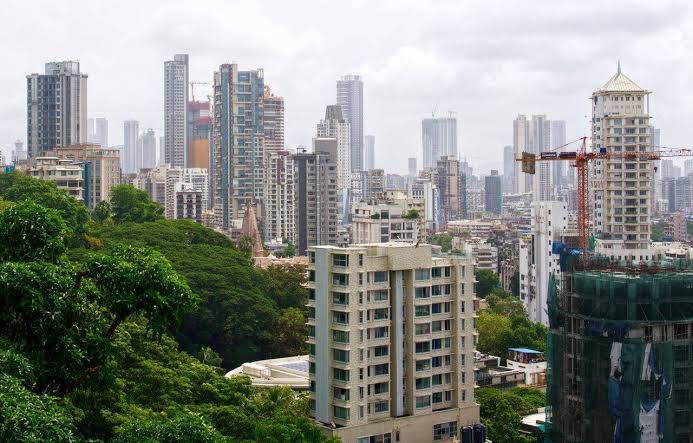
As Indian cities continue to grow vertically, the challenge is no longer simply accommodating more people. Vertical growth is an inevitable reality of urban life, but the focus must now shift to creating cities that are more liveable, healthier, and more balanced. The exciting part is that density and liveability don't have to be at odds. The developments getting this balance right — weaving tree-lined paths and shared green spaces into taller, denser communities are showing everyone what's possible.
Because today, true luxury is not only about square footage or fittings anymore. It's the small, everyday joys: a shaded walk without leaving your own neighbourhood, a community designed with people in mind, not just units. The projects that will be remembered for years to come won't be the ones that simply built the most. They will be the ones that understood a simple truth: a good home is not defined only by its four walls—it's also shaped by everything that surrounds it.