Scarcity and demand have always influenced markets, but in luxury real estate, ‘scarcity’ has become much more than an economic principle; it is now the ultimate amenity. Today, premium materials, smart technology and luxury finishes can be found in many high-end projects. What is becoming harder to find is not another luxury home, but a truly distinctive address. And when an address is rare, the homes that occupy it become rare too. That is what buyers are willing to pay for: exclusivity, prestige and lasting value.
The market itself reflects this changing definition of luxury. According to ANAROCK, housing sales value across India's top seven cities is projected to grow nearly 19% year-on-year to over Rs. 6,65,000 crore (US$ 74.98 billion) in FY26, despite housing sales volumes remaining broadly stable. The message is clear: buyers are spending more on premium homes rather than simply buying more homes.
Luxury real estate is therefore no longer defined solely by imported marble, concierge services or expansive clubhouses. Increasingly, it is about identity, belonging and lived experience, where the address itself becomes a reflection of aspiration and achievement. The conversation is shifting from ‘project marketing’ to ‘desire marketing’ because, at this level, buyers are investing as much in meaning as they are in specifications.
In other terms, let’s try to understand this with an insight: While some collect art. Some collect experiences. A discerning few collect addresses. And an address becomes truly valuable when there are very few like it left. That simple thought captures the new psychology of luxury. Buyers are asking less about what a residence offers and more about what it represents—status, values, access and a way of life that feels intentionally chosen rather than merely purchased.
This is where scarcity and address become closely linked. In real estate, not every location is created equal. A prime address combines factors that are difficult, and sometimes impossible, to reproduce—its setting, connectivity, views, neighbourhood, social ecosystem and the amount of land available for future development. Once such a location is fully developed, the opportunity to create another identical address disappears. The scarcity of the address then becomes part of the value of every home within it.
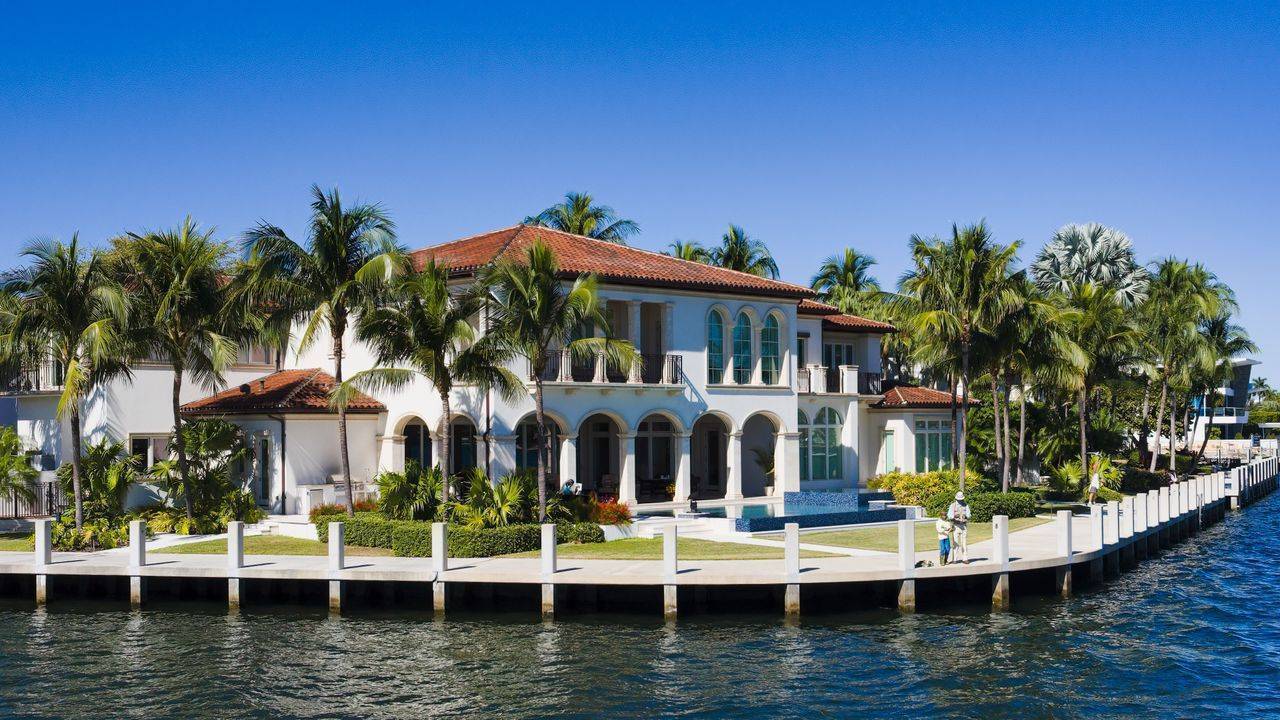
The strongest driver of this shift is therefore location. Prime land is finite, and truly exceptional locations cannot be reproduced once they are absorbed by development. In markets such as Delhi NCR, particularly Gurugram, where premium land parcels in established micro-markets are becoming increasingly limited, scarcity itself has become a defining factor of value. Whether it is a waterfront, a historic city precinct, a golf course frontage or a well-connected business district, no amount of money can create another identical address. The home may be designed, upgraded and improved, but the address cannot be replicated. This is why scarcity becomes a structural advantage rather than simply a marketing proposition. The value lies not just in the home itself but in the impossibility of replicating where it stands.
The trend is equally visible in the way developers are approaching new supply. ANAROCK data showed that nearly 42% of all new supply across the top seven cities in H1 FY26 was in the luxury and ultra-luxury categories, underlining the market’s continued shift towards premium housing. As the market matures, developers are increasingly focusing on creating fewer, better and more differentiated homes instead of simply increasing inventory.
Scarcity also creates access to an exclusive ecosystem. High-net-worth buyers (HNIs) are rarely purchasing square footage in isolation. They are buying into a carefully curated environment—the neighbours, the social capital, the quality of the surroundings and the cultural language of the address. In luxury housing, the community often becomes as valuable as the residence itself because the home serves as a gateway to a lifestyle that extends beyond its physical boundaries.
This is also why low-density developments are becoming more desirable across urban centres. This trend is particularly evident in Gurugram and the wider Delhi NCR region, where discerning buyers are increasingly seeking exclusive, low-density communities in established premium locations rather than large, crowded developments. Privacy has become a rare luxury in cities where congestion is part of everyday life. Peace, personal space and a better quality of everyday living are desired elements that people are looking for. Homes with fewer residences, expansive green spaces, wider setbacks and uninterrupted views offer these features that people increasingly value today.
Scarcity also makes good investment sense. Homes that are truly rare tend to hold their value better over time, which is why affluent buyers continue to prefer them. There is also a simple psychological reason behind it—people naturally value things that are hard to get. When only a few homes are available, buyers stop comparing features and focus on securing the opportunity. That is why trophy residences are often seen as legacy assets. For developers, the answer is not adding more amenities, but creating genuine exclusivity through the right location, lower density and thoughtful design.
It also calls for a different way of communicating luxury. Affluent buyers rarely respond to feature-heavy messaging in the same way as the broader market. They connect with stories of identity, aspiration and belonging. The most compelling narratives are no longer centred on the building itself but on the people who belong there and the life they aspire to lead. In this context, the address becomes the first and most powerful expression of that identity. In other words, luxury is no longer defined by what you own—it is defined by what you wake up to every day.
Ultimately, luxury is moving away from accumulation and towards distinction. In a world where comfort, technology and premium finishes can increasingly be replicated, scarcity remains one advantage that cannot be manufactured or mass-produced. It offers privacy, prestige, belonging and enduring value in equal measure. And that is why the idea of scarcity begins before the front door—it starts with the address. In luxury real estate, the most valuable amenity is not found in a clubhouse, a spa or a concierge desk—it is the privilege of owning something that very few others ever can.