
India's real estate growth is no longer led by its biggest metros alone. A new CII-Knight Frank report, "India's Next Real Estate Markets," shows that 11 emerging cities, including Jaipur, Indore, Kochi, Lucknow and Nagpur, saw residential prices rise 63% between 2021 and 2026. That is well ahead of the 42% growth seen across India's top eight metros in the same period.
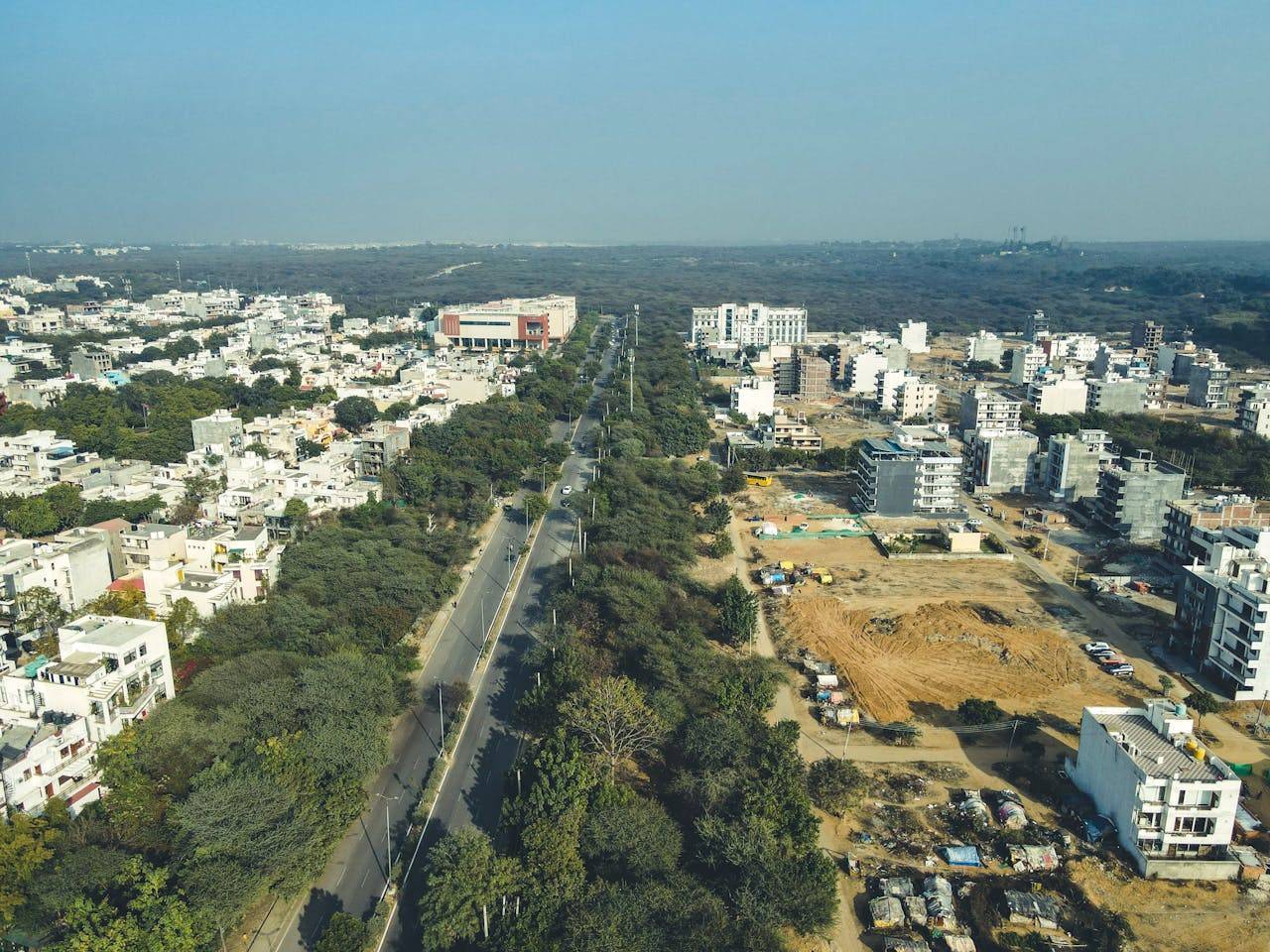
This points to a new phase of growth, one built on better connectivity, infrastructure, jobs and local spending working together. Cities like Jaipur, Indore, Lucknow, Kochi and Panipat are drawing more buyers, thanks to lower prices, bigger homes and improving amenities compared to the big metros. Growth in IT, manufacturing, logistics, retail and small businesses is also spreading beyond the traditional city centres. Smaller towns such as Muzaffarnagar are seeing early momentum too, through integrated townships and commercial plots, though their long-term growth will depend on more jobs and better civic infrastructure.
Tier-2 and Tier-3 cities are expected to contribute 25 to 30% of India's $5.8 trillion real estate output by 2047. With government support, including the Rs 1 lakh crore Urban Challenge Fund, these markets are shifting from being investment bets to becoming real, self-sustaining centres of housing demand.

“India’s growth is increasingly broadening beyond the traditional metros, and our experience over nearly two decades in markets such as Lucknow, New Chandigarh, Indore and Prayagraj gives us a first-hand view of this evolution. The CII–Knight Frank report captures the shift well, with residential prices across 11 emerging markets rising 63% between 2021 and 2026, compared with 42% across the top eight cities. More importantly, these markets are evolving beyond housing as connectivity, infrastructure, employment, consumption and aspirations deepen. Omaxe’s presence across residential, retail, commercial and PPP-led developments has shown us that sustainable real estate growth comes from building complete urban ecosystems. With Tier-2 and Tier-3 cities estimated to contribute 25–30% of India’s projected $5.8 trillion real estate output by 2047, and initiatives such as the ₹1 lakh crore Urban Challenge Fund accelerating urban investment, their role in the Viksit Bharat journey is set to become increasingly significant.”

Ms. Amrita Gupta, Director of Manglam Group and CEO of Manglam Spa and Resorts,
“The report’s finding of 63% appreciation across the 11 emerging markets between 2021 and 2026 suggests that the shift in residential momentum towards emerging cities reflects a fundamental change in how people are evaluating where they want to live, work and invest. Infrastructure and connectivity are certainly catalysts, but sustained price growth ultimately has to be anchored in genuine end-user demand, employment and the creation of stronger urban ecosystems. Jaipur is a good example of this evolution, where improving connectivity, a growing hospitality and business ecosystem, and increasing interest from both residents and investors are strengthening the underlying market. At Manglam, our projects across Jaipur reflect this evolving demand, with our focus on creating developments that respond to the city’s changing residential, commercial and hospitality needs. The cities that can continue to attract people, businesses and capital while keeping pace with infrastructure will be the ones that sustain this momentum over the longer term.”
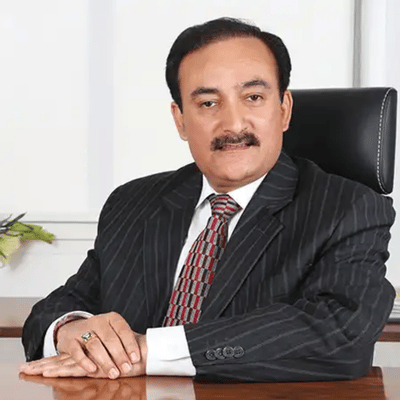
“From what we are seeing in the market, India’s real estate growth is becoming more geographically diverse with cities such as Panipat, Jaipur, Lucknow, Indore and Kochi attracting increasing interest from both homebuyers and developers. Better infrastructure and connectivity, along with growing employment opportunities and urbanisation, are strengthening the fundamentals of these markets. There is also a clear value proposition, with buyers looking for relatively affordable housing, larger homes and improving amenities compared with established metros. At the same time, the expansion of sectors such as IT, manufacturing, services, logistics, retail and MSMEs is supporting economic activity beyond the traditional urban centres. The CII-Knight Frank findings highlight this shift. Going forward, the sustainability of this growth will depend on continued infrastructure development, job creation and genuine end-user housing demand"
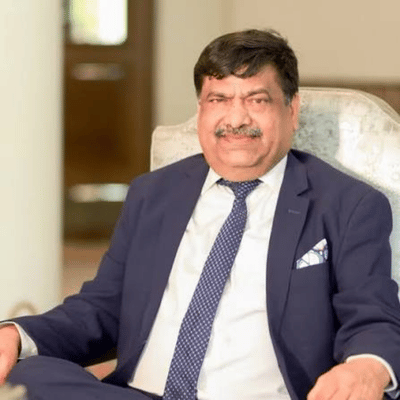
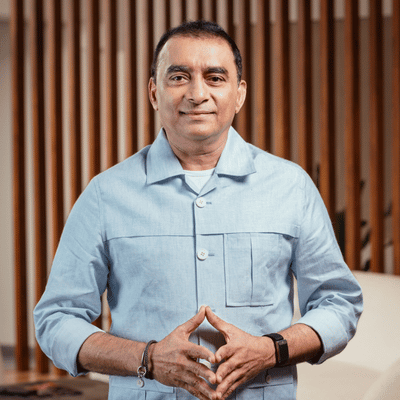
Mr. D. Kishore Reddy, Chairman & Managing Director, Mana Projects,
“India’s real estate growth story is entering a more distributed phase. For a long time, the country’s largest metros were the natural centres of housing demand, driven by concentrated employment, infrastructure and investment. That equation is now evolving, as emerging cities build stronger economic and urban ecosystems of their own. The 63% rise in housing prices across 11 emerging cities between 2021 and 2026, compared with 42% across the top eight metros, reflects this broader shift.
More importantly, end-user demand is increasingly supporting this momentum. Improved connectivity, expanding employment opportunities and better social infrastructure are making these markets more viable for long-term residents, rather than simply serving as investment-led markets. The opportunity now is to ensure that infrastructure and urban planning keep pace with demand. The next chapter of Indian real estate could see Tier-2 cities evolve from emerging markets into self-sustaining centres of growth.”
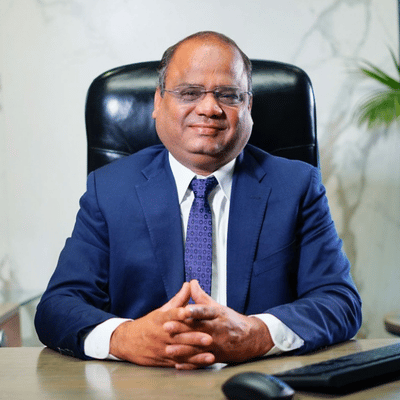
Santosh Agarwal, Executive Director & CFO, Alpha Corp Development Limited,
The 63% rise in residential prices across 11 emerging markets between 2021 and 2026 highlights a structural shift in India’s real estate growth story. Improving connectivity, infrastructure, employment opportunities and consumption are strengthening the fundamentals of these markets and creating deeper housing demand. For developers, this presents an opportunity to build thoughtfully planned, amenity-led communities that align with evolving aspirations. As urbanisation expands beyond metros, Tier-2 and emerging cities are increasingly becoming important contributors to India’s next phase of real estate growth.
Conclusion
These findings point to one clear trend. Emerging cities are not just following the metros anymore. They are building their own economic strength. Better connectivity, more jobs, stronger civic infrastructure and growing buyer confidence are turning Tier-2 and Tier-3 markets into lasting centres of housing demand, not just short-term investment bets.
As government initiatives like the Urban Challenge Fund push more investment into these cities, the next ten years could see places like Jaipur, Indore, Lucknow, Kochi and Nagpur move from "emerging" to "established." That shift would reshape how India's real estate map looks under its Viksit Bharat push.