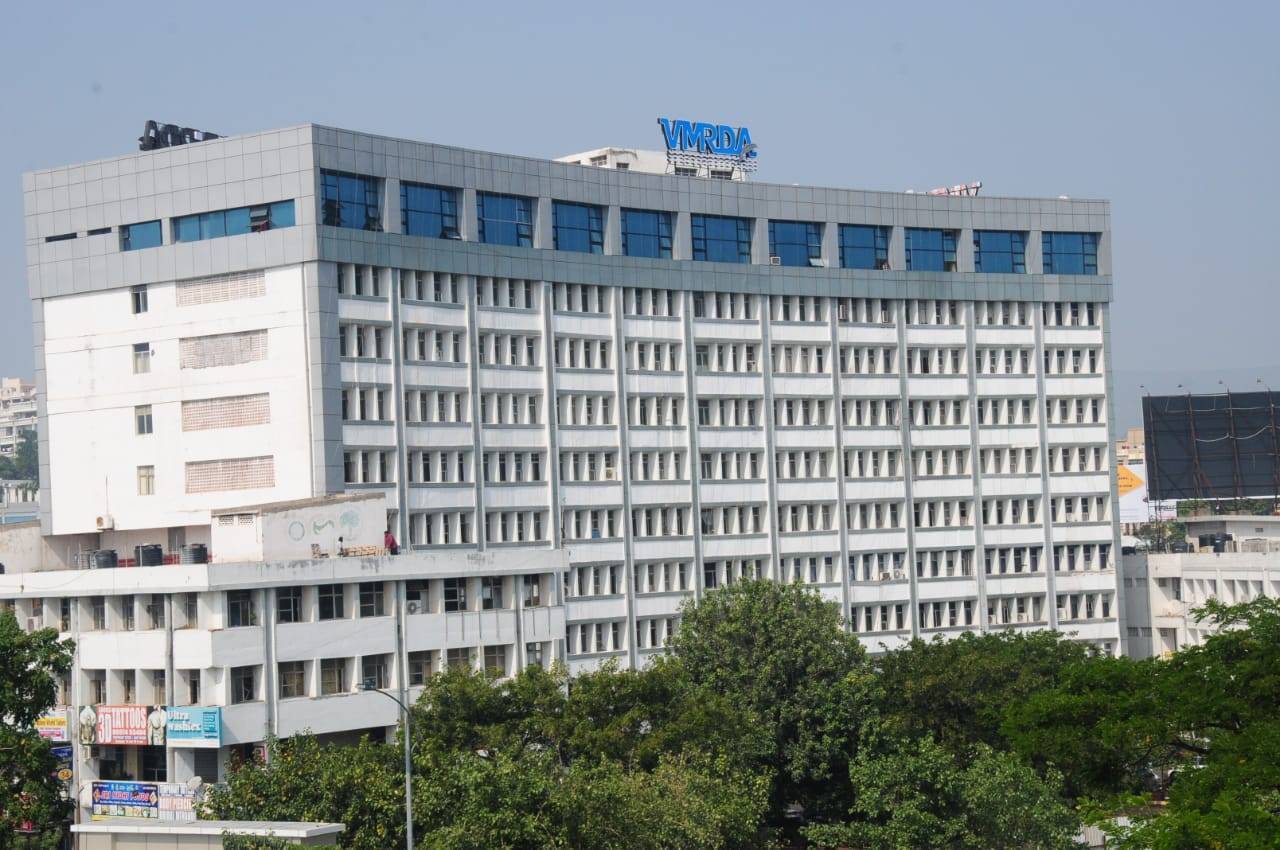

In today’s highly competitive commercial environment, buildings have evolved far beyond being mere functional enclosures for business activities. They have become experiences in their own right. The exterior of a commercial space serves as the first point of engagement, shaping perceptions, setting expectations, and often influencing emotional responses even before a visitor enters the building. Thoughtfully planned exterior design enhances not only visual appeal, but also comfort, usability, and long-term asset value. When executed with intent, it brings together form and function, setting a strong foundation for what follows.
However, the influence of a well-designed exterior extends far beyond the initial impression. Carefully articulated façades and outdoor environments continue to shape how users navigate, interact with, and experience the space over time. This continuity of design plays a critical role in elevating the overall user experience across commercial environments. Here are nine key ways exterior design meaningfully enhances user experience in commercial environments.
1. Creating a Strong First Impression
However, the influence of a well-designed exterior extends far beyond the initial impression. Carefully articulated façades and outdoor environments continue to shape how users navigate, interact with, and experience the space over time. This continuity of design plays a critical role in elevating the overall user experience across commercial environments. Here are nine key ways exterior design meaningfully enhances user experience in commercial environments.
1. Creating a Strong First Impression
The exterior serves as the building’s first point of communication, establishing an immediate connection with its users. Clean lines, balanced proportions, and a well-curated material palette convey clarity, professionalism, and purpose. Whether a corporate office, retail destination, or mixed-use development, the façade offers a visual narrative of what the space represents. When this narrative is cohesive and inviting, it inspires confidence and interest from the very beginning.
This initial sense of assurance encourages ease of approach and entry. As comfort sets in at the threshold, the foundation for a positive and engaging user experience is firmly established.
2. Enhancing Wayfinding and Accessibility
A well-considered exterior design enables intuitive movement and orientation. Clearly articulated entrances, visible signage, and well-defined pathways minimise confusion and reduce cognitive effort, particularly within large or complex commercial developments. Strategic use of contrasting materials, lighting accents, and landscaped circulation routes helps guide movement seamlessly without visual overload.
When navigation is clear and effortless, engagement with the space becomes more positive and purposeful. This clarity of movement lays the groundwork for inclusive design and supports universal accessibility across the development.
3. Supporting Inclusivity and Universal Design
This initial sense of assurance encourages ease of approach and entry. As comfort sets in at the threshold, the foundation for a positive and engaging user experience is firmly established.
2. Enhancing Wayfinding and Accessibility
A well-considered exterior design enables intuitive movement and orientation. Clearly articulated entrances, visible signage, and well-defined pathways minimise confusion and reduce cognitive effort, particularly within large or complex commercial developments. Strategic use of contrasting materials, lighting accents, and landscaped circulation routes helps guide movement seamlessly without visual overload.
When navigation is clear and effortless, engagement with the space becomes more positive and purposeful. This clarity of movement lays the groundwork for inclusive design and supports universal accessibility across the development.
3. Supporting Inclusivity and Universal Design
Modern commercial environments are required to accommodate a wide spectrum of users across age groups, abilities, and functional needs. Features such as ramps, tactile paving, barrier-free entrances, and thoughtfully planned drop-off zones have become fundamental components of responsible design. When these elements are seamlessly integrated into the exterior, they ensure comfort, dignity, and ease of access for all users.
Inclusive design extends beyond regulatory compliance; it reflects a people-first approach to the built environment. When empathy is embedded within architectural expression, it fosters a stronger emotional connection between users and the space.
4. Improving Comfort Through Climate-Responsive Design
Inclusive design extends beyond regulatory compliance; it reflects a people-first approach to the built environment. When empathy is embedded within architectural expression, it fosters a stronger emotional connection between users and the space.
4. Improving Comfort Through Climate-Responsive Design
In a country like India, climate significantly influences how built environments are experienced. Shaded walkways, overhangs, canopies, and climate-responsive orientation help reduce heat gain while protecting users from intense sunlight and seasonal rainfall. Material selections that minimise glare and limit heat absorption further enhance thermal comfort in outdoor areas.
When physical comfort is ensured even before entry, the overall experience becomes more welcoming and positive. This sense of ease encourages longer engagement with the space and supports repeat visits over time.
5. Integrating Green and Open Spaces
When physical comfort is ensured even before entry, the overall experience becomes more welcoming and positive. This sense of ease encourages longer engagement with the space and supports repeat visits over time.
5. Integrating Green and Open Spaces
Landscaping has evolved beyond a purely decorative role to become an experiential element of design. Green buffers, courtyards, vertical gardens, and shaded seating areas soften the built environment while creating opportunities for pause and interaction. These features help reduce stress, enhance air quality, and establish a harmonious balance between natural and built elements.
As users spend time within these transitional outdoor zones, the structure feels more approachable and inviting. This engagement with nature often shapes lasting impressions and becomes a defining aspect of the overall experience.
6. Reinforcing Brand Identity and Purpose
As users spend time within these transitional outdoor zones, the structure feels more approachable and inviting. This engagement with nature often shapes lasting impressions and becomes a defining aspect of the overall experience.
6. Reinforcing Brand Identity and Purpose
Landscaping has evolved beyond a purely decorative role to become an experiential element of design. Green buffers, courtyards, vertical gardens, and shaded seating areas soften the built environment while creating opportunities for pause and interaction. These features help reduce stress, enhance air quality, and establish a harmonious balance between natural and built elements.
As users spend time within these transitional outdoor zones, the structure feels more approachable and inviting. This engagement with nature often shapes lasting impressions and becomes a defining aspect of the overall experience.
As users spend time within these transitional outdoor zones, the structure feels more approachable and inviting. This engagement with nature often shapes lasting impressions and becomes a defining aspect of the overall experience.
7. Enhancing Safety and Security Perception
User experience is closely linked to the perception of safety within a space. Well-lit exteriors, clear sightlines, active frontages, and distinct separation of public and private zones strengthen both actual and perceived security. Design approaches that eliminate dark corners and minimise cluttered pathways contribute to a sense of ease, particularly during after-hours use.
When a strong sense of safety is established, attention remains focused on purpose rather than surroundings. And when security is seamlessly integrated into design, it operates quietly without drawing attention to itself.
8. Encouraging Social Interaction and Community
When a strong sense of safety is established, attention remains focused on purpose rather than surroundings. And when security is seamlessly integrated into design, it operates quietly without drawing attention to itself.
8. Encouraging Social Interaction and Community
Commercial environments today extend beyond transactional functions to support social engagement. Outdoor plazas, seating areas, and spill-out zones encourage informal interactions, collaboration, and spontaneous meetings. Such spaces help cultivate a sense of community, even within corporate or retail settings.
As people pause, interact, and connect, the building moves beyond its functional purpose. It becomes a place associated with shared experiences and meaningful engagement, rather than tasks alone.
9. Supporting Long-Term Sustainability and Wellbeing
Sustainable exterior design plays a vital role in enhancing user experience over the long term. The use of durable materials, energy-efficient façades, effective rainwater management systems, and green roofs supports environmental responsibility while optimising operational efficiency. Increasingly, users are drawn to spaces that demonstrate thoughtful, future-oriented decision-making.
When sustainability is visible and authentically integrated, it builds lasting trust and goodwill. It reassures users that the environment they engage with today has been designed responsibly, with long-term relevance and resilience in mind.
Exterior design extends well beyond visual appeal; it functions as a strategic instrument that shapes how commercial spaces are perceived, experienced, and recalled. From the initial approach to the moment of departure, the exterior subtly guides movement, behaviour, and engagement throughout the user journey. When design is thoughtful, inclusive, climate-responsive, and aligned with purpose, it fosters experiences that are intuitive, comfortable, and people-centric.
As people pause, interact, and connect, the building moves beyond its functional purpose. It becomes a place associated with shared experiences and meaningful engagement, rather than tasks alone.
9. Supporting Long-Term Sustainability and Wellbeing
Sustainable exterior design plays a vital role in enhancing user experience over the long term. The use of durable materials, energy-efficient façades, effective rainwater management systems, and green roofs supports environmental responsibility while optimising operational efficiency. Increasingly, users are drawn to spaces that demonstrate thoughtful, future-oriented decision-making.
When sustainability is visible and authentically integrated, it builds lasting trust and goodwill. It reassures users that the environment they engage with today has been designed responsibly, with long-term relevance and resilience in mind.
Exterior design extends well beyond visual appeal; it functions as a strategic instrument that shapes how commercial spaces are perceived, experienced, and recalled. From the initial approach to the moment of departure, the exterior subtly guides movement, behaviour, and engagement throughout the user journey. When design is thoughtful, inclusive, climate-responsive, and aligned with purpose, it fosters experiences that are intuitive, comfortable, and people-centric.