

With changes occurring in climatic patterns, rain patterns in India are becoming unpredictable and more extreme. Most Indian cities face very extreme rainfall events that strain the city drainage systems and reveal deficiencies in existing building designs. The sloping roof is an architectural design which is gaining popularity with the changing circumstances.
Sloping roofs are no longer restricted to the traditional tiled roof seen in hill stations or coastal areas; rather, technology in roofing materials, structures, insulation, and waterproofing makes them feasible options for contemporary homes.
A sloping roof or pitched roof refers to a kind of roof system with one or more surfaces of different inclines. In such cases, the roofs are designed so that the rainwater and debris will flow off with natural gravity. Unlike with flat roofs, sloping roofs prevent the pooling of water on the roof, lower the chances of a leak, and help make the building more durable.
These roofs effectively shield the interior against the weather elements, improve the heat regulation of the space through their thermal characteristics, and provide lasting structural stability. Due to the frequency of heavy rains and the effect of climate change, sloping roofs are turning out to be a great alternative for houses, business properties, institutions and such buildings to have greater resilience and maintenance cost efficiency.
Reasons Behind Revival of Sloping Roofs
The most important characteristic of a sloping roof lies in its capability to efficiently drain water. Unlike a flat roof that relies only on water drainage points, the sloping roof lets gravity work for it and helps the water flow to the guttering systems.
Since climate scientists say that there has been an increase in heavy rainfall in many Indian cities, efficient drainage has now become an essential factor.
Here are the pros of a well-designed sloping roof:
- Efficient draining of rainwater
- No water stagnation
- Less likelihood of leakage
- Protection of waterproofing materials
- Increased longevity of the roof
- Less maintenance required
- Climate Change Has Impacted the Designing of Roofs
Several cities like Mumbai, Chennai, Bengaluru, Hyderabad, Kochi, Guwahati and some Himalayan areas have experienced heavy rainfall over the last decade.
Heavy rainfall creates huge amounts of rainfall in very little time. This means that the roof should be able to cope with the peak rainfall instead of the seasonal rainfall.
These include:
- Peak rainfall per hour
- Wind-driven rainfall
- Overflow rate
- Emergency drainage system
- Optimizing the roof slopes
- Climate resiliency
- There has been a trend of incorporating climate-responsive architecture into buildings during construction instead of traditional building designs.
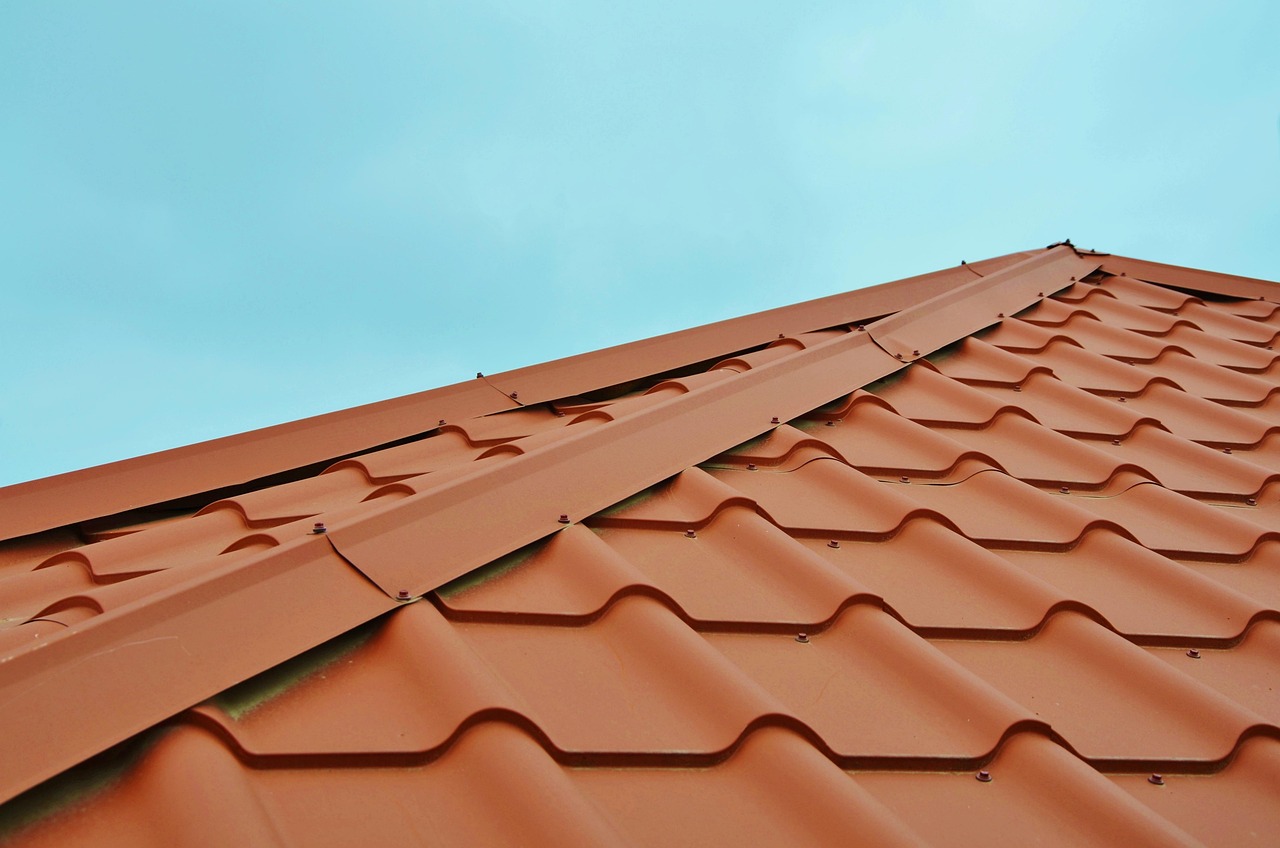
Slope Roofing Materials Suitable for Heavy Monsoons
Modern sloped roofs use a wide range of roofing materials depending on climate, budget, and aesthetics.
Clay Roof Tiles
Clay roof tiles are one of the most ancient and commonly used types of sloped roofing tiles in India. Clay roof tiles are manufactured from natural clay through heating processes, making them highly durable, insulating, fire-resistant, and UV-resistant. Due to their natural appearance, these tiles are popular choices in villas, heritage structures, resorts, and traditional housing in regions with high precipitation.
Concrete Roof Tiles
Concrete roof tiles are produced using cement, sand, water, and mineral pigments in order to ensure that the resulting roofing tile is durable and has excellent weather resistance. There are different profiles, textures, and colors of concrete roof tiles used for residential, commercial, and institutional buildings throughout India.
Stone-Coated Metal Roofing
Metal roofs covered with natural stones are made of galvanized or Galvalume metal sheets coated with natural stone granules. This type of roofing is a combination of lightweight metal roof and natural roof tiles with a high level of resistance to corrosion, wind, rain, and impacts.
Asphalt Shingles
Asphalt shingles are made of fiberglass or organic substrates that are coated with asphalt and mineral granules. They are light weight and economic with many different colors and architectural shapes and thus can be used for waterproofing and wind resistance purposes in villas, cottages, and residential buildings with pitched roofs.
Fiber Cement Roofing Sheets
Fiber cement roofing sheets are made of cement reinforced with cellulose or synthetic fibers, making the roof sheet durable and weather-resistant. They are fire-resistant, moisture-resistant, termite-resistant, and corrosion-resistant while being easy to maintain. They are used in industrial buildings, warehouses, factories, farm buildings, and economic residential buildings.
Polycarbonate Roofing Sheets
Polycarbonate roofing sheets are light-weight, impact-resistant, thermoplastic sheets which let natural sunlight through while keeping interiors dry and UV radiations away. Polycarbonate sheets come in different types of colors like clear, tinted, and multi-wall varieties which have applications like skylights, canopies, pergolas, greenhouses, walkways, parking shelters, and commercial entrances.
UPVC Roofing Sheets
UPVC (Unplasticized Polyvinyl Chloride) roof sheets are water, chemical and weather-resistant roof sheets which provide good thermal insulation properties, are light-weight, and do not need much maintenance. UPVC roof sheets are used in chemical plants, factories, warehouses, and agricultural buildings.
Composite Roof Tiles
Composite roof tiles consist of composite materials such as recycled plastics, polymers, rubber, and minerals which give roof tiles similar looks to those of clay, slate or wood roofs. They are light-weight, durable, impact-resistant, and less maintenance is needed when compared to other roof tiles.
Installation of Solar Panels on Roof Slants
Homeowners may have reservations as to whether roof slants will affect the installation process.
New mounting structures will ensure that photovoltaic panels are effectively installed on the roof slant without jeopardizing the waterproof nature of the roof.
Proper installation will involve:
- Load bearing capacity assessment
- Waterproof mounting structures
- Flashing at points of penetration
- Cable management system
- Access for maintenance purposes
- A properly oriented roof slant will enhance solar power generation.
- Modern Architectural Design
- Modern-day roof slants are no longer designed with traditional designs in mind.
- Architects use roof slants alongside:
- Modern façades
- Large glass windows
- Exposing wooden beams
- Steel framing
- Sky lights
- Overhanging roof
- Minimalist architecture
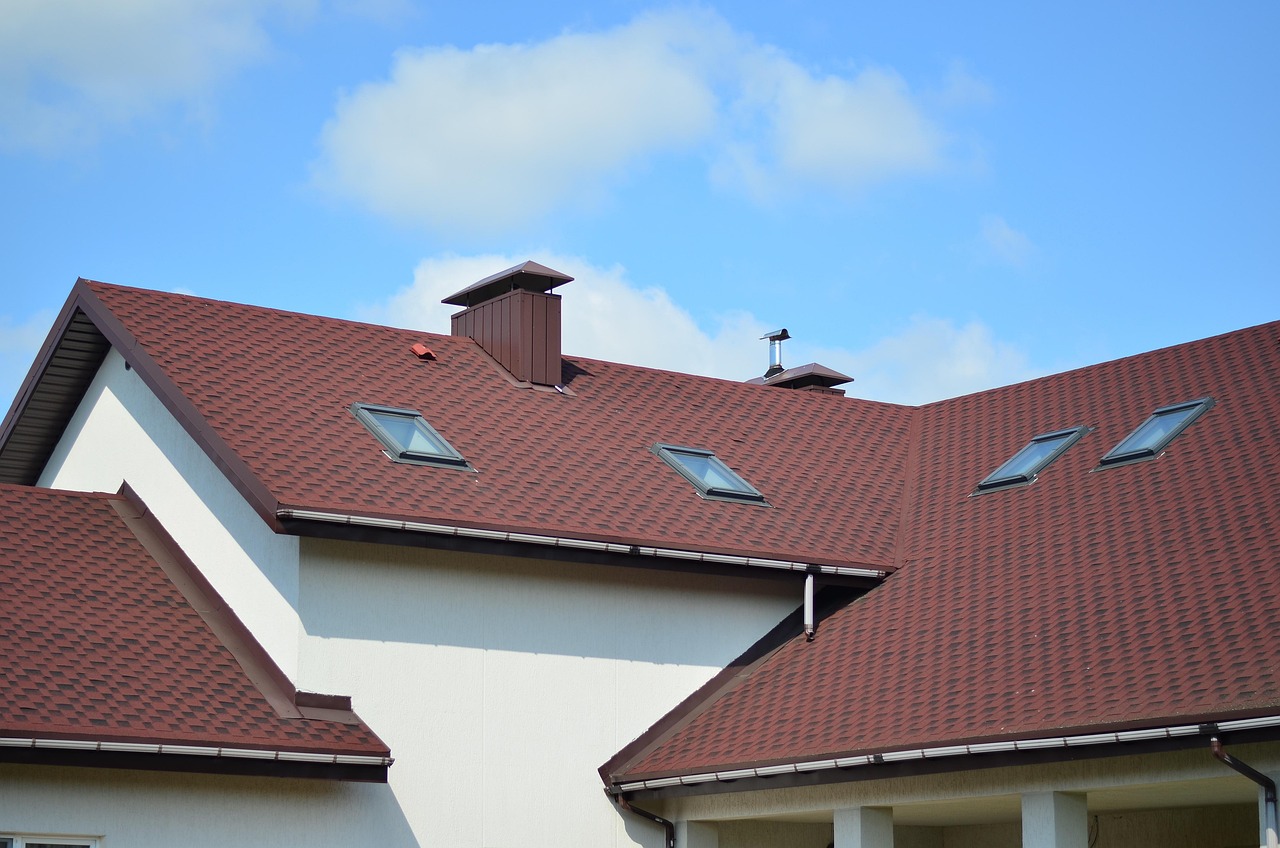
Challenges of Sloped Roof Construction
Even though there are benefits associated with sloping roofs, there are some construction difficulties.
Some of them are:
Costlier to construct initially
More complex structures
Require skilled installation
Safety measures while carrying out maintenance
Less usable terrace area
Nevertheless, all these difficulties are outweighed by low maintenance costs and durability.
Design Considerations for Regional Areas
The roof should suit the climate of the area.
- Coastal Areas
- Materials resistant to corrosion
- Fasteners resistant to cyclones
- Steeper slopes
- Anchored roof
- Areas with Heavy Rains
- Gutters
- Overhang of the roof
- Drainage capacity
- Waterproofing
- Hot Areas
- Reflective roofs
- Roof cavities that are ventilated
- Insulation
- Solar shading
Top Slope Roofing Product Manufacturers in India
- BMI India (Monier) – Offers concrete roof tiles, clay roof tiles, cool roof insulation solutions, ridge and ventilation components, and complete pitched roofing systems.
- Wienerberger India – Supplies premium terracotta and clay roof tiles, including Koramic and Tondach ranges, suitable for sloped residential and architectural roofs.
- Saint-Gobain India / CertainTeed – Manufactures fiberglass-reinforced asphalt roofing shingles with ceramic-coated granules for residential and commercial sloped roofs.
- Onduline India – Produces lightweight bituminous corrugated roofing sheets, Onduvilla roofing tiles, Isoline under-roof systems, and waterproof roofing accessories.
- Kamdhenu Limited – Offers color-coated and galvanized steel roofing sheets suitable for residential, agricultural, and industrial sloped roofs.
- JSW Steel – Manufactures high-tensile color-coated steel roofing sheets, galvanized roofing panels, and metal roofing solutions for industrial and commercial applications.
- Tata BlueScope Steel – Manufactures color-coated steel roofing sheets, insulated roofing panels, and metal roofing solutions for residential, commercial, and industrial buildings.
- Everest Industries Limited – Offers fiber cement roofing sheets, color-coated metal roofing, and roofing accessories for sloped roofs in residential and industrial applications.
- Hindalco Industries Limited – Supplies aluminum roofing sheets and coils that provide corrosion resistance and are suitable for coastal and high-rainfall regions.
- Jindal (Jindal Steel & Power) – Provides galvanized and pre-painted steel roofing sheets for warehouses, factories, commercial buildings, and agricultural structures with pitched roofs.
- Bansal Roofing Products Limited – Manufactures color-coated roofing sheets, metal decking sheets, roofing accessories, and structural components for sloped roofing applications.
Slope Roofing Market Potential in India
As per Mordor Intelligence report, Metal roofing accounted for 26.5% of India's roofing market in 2025, making it the largest material segment. Its strong market position is supported by increasing demand from industrial warehouses, commercial buildings, and pre-engineered building (PEB) projects. Metal roofing is widely preferred because it offers quick installation, long service life, structural strength, and an attractive appearance. Major manufacturers have expanded their dealer networks, helping branded coated steel roofing products reach smaller cities and regional markets. At the same time, clay and concrete roof tiles continue to be widely used in South India's residential sector, where sloped roofs are a traditional architectural feature.
The Future of Sloped Roofing
The comeback of sloped roofs is part of an ongoing trend towards adaptive building design for the current climatic conditions. With the increasing number of rain events, residential building design will need to progress from an aesthetic concern towards one which focuses on functionality and durability.
The development of new roofing material technology, advanced engineered trusses, waterproofing and rainwater harvesting systems means that the modern sloped roofs are well adapted for various styles of housing. Combined with proper building design, venting and drainage, these roofs can increase both building durability and inhabitants’ comfort. Sloped roofs will not be used in place of all flat roofs; however, they will prove to be a viable solution for places with heavy monsoon rains, changing climatic conditions and additional maintenance requirements. Adopting a climate responsive design of roofs now can save the homeowner money, increase the building lifespan and prepare them for the future challenges of monsoon rains.
Cover image- magnific.com