
Major Highlights of Ahmedabad’s Sports District Project
- 350-Acre Sports District Planned: A large-scale sports enclave is proposed around the Narendra Modi Stadium along the Sabarmati Riverfront in Ahmedabad.
- Designed for Global Events: The project aims to support major international competitions, including infrastructure for the 2030 Commonwealth Games.
- Integrated Sports Campus: The master plan combines stadiums, training centres, public parks, and recreational spaces within one connected sports district.
- Central Green Boulevard: A landscaped pedestrian corridor will link key venues like the International Tennis Centre, Indoor Arena, Aquatic Centre, and sports institute.
- Major Sporting Venues: Planned facilities include a 10,000-seat tennis stadium, an 18,000-seat indoor arena, and a 12,000-seat aquatic centre.
- National Sports Training Hub: The National Institute of Sports Excellence will provide advanced training, sports science, and athlete rehabilitation facilities.
- Riverfront and Public Spaces: The Sabarmati Riverfront will feature a Games Plaza that will later transform into a public park and recreational zone.
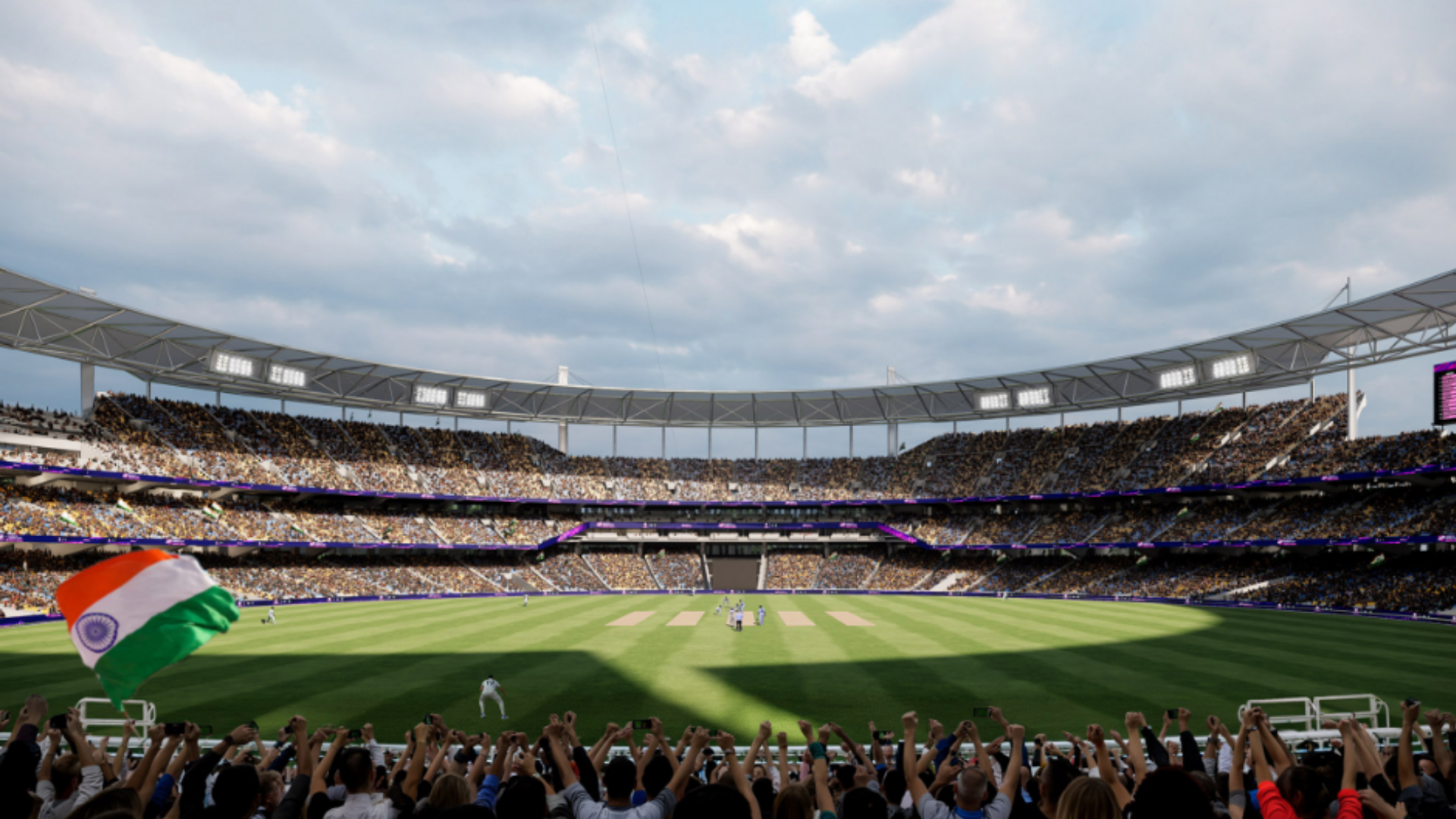
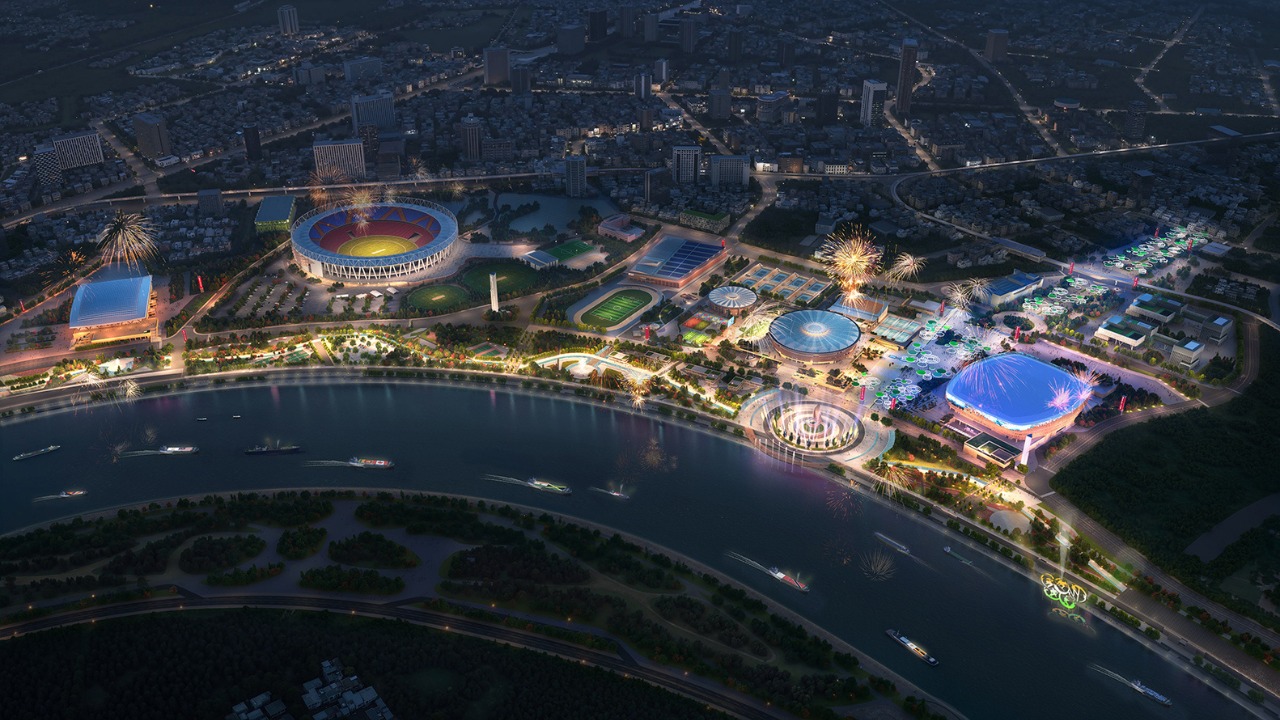
A major new sports infrastructure development is set to reshape the urban and sporting landscape of Ahmedabad with the unveiling of a comprehensive master plan for the Sardar Vallabhbhai Patel Sports Enclave. The project, developed by the global design collaboration of BDP, Cox Architecture, and Collage Design Studio, proposes a large-scale sports district built around the iconic Narendra Modi Stadium.
Spanning approximately 350 acres along the Sabarmati Riverfront, the project envisions an integrated sports campus that combines international competition venues, public landscapes, and community facilities within a cohesive urban framework. The development is designed not only to host global sporting events but also to function as a vibrant year-round public destination that supports sports, recreation, and urban life.
The master plan reflects the growing trend of creating multi-purpose sports districts where stadiums, training facilities, public parks, and entertainment spaces coexist, transforming large event venues into active urban neighbourhoods rather than isolated complexes.
A Vision Linked to the 2030 Commonwealth Games
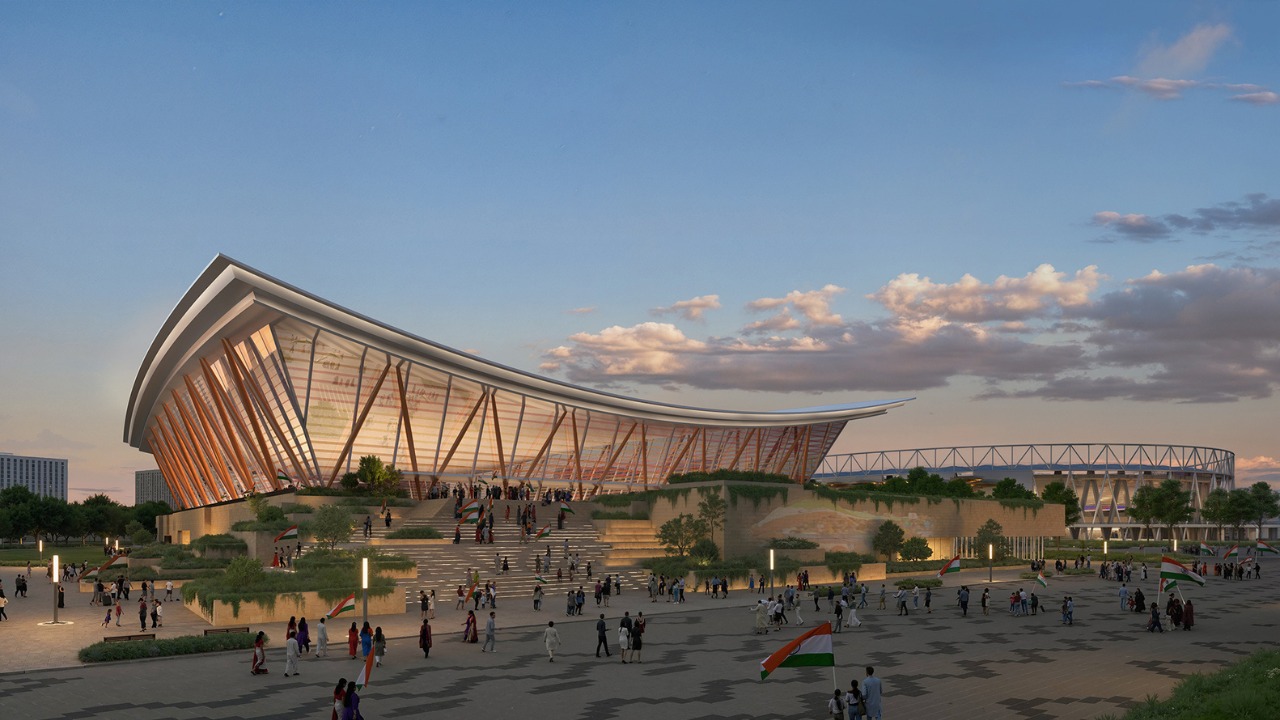
The proposed sports enclave has gained additional significance following Ahmedabad’s selection as the host city for the 2030 Commonwealth Games centenary edition. The project is intended to provide world-class infrastructure capable of accommodating international competitions while leaving a lasting legacy for the city after the event concludes.
Rather than constructing temporary or single-use facilities, the planning strategy focuses on long-term usability and adaptability. Venues are designed to serve both international competitions and everyday public activities. After major sporting events, the district will transition into a community-oriented recreational zone with accessible sports facilities, open green areas, and public gathering spaces.
This approach ensures that the project delivers sustained value for residents, athletes, and visitors long after global events have ended.
Central Green Boulevard: The Organizing Spine
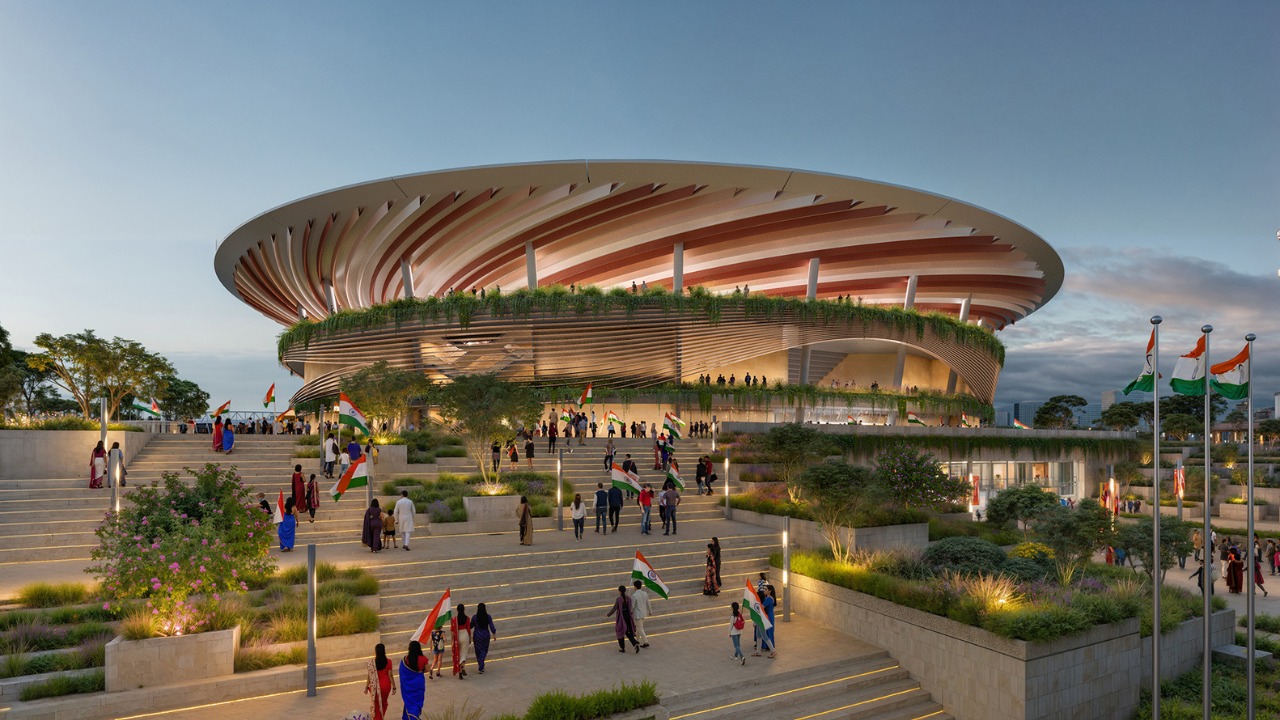
A defining element of the master plan is a central green boulevard, which functions as the primary organizing spine of the entire district. This landscaped corridor connects major venues and guides pedestrian circulation across the site.
The boulevard links several key facilities, including:
- International Tennis Centre
- Indoor Arena
- Aquatic Centre
- National Institute of Sports Excellence
This central axis is designed to encourage walkability while creating shaded public spaces that remain comfortable in Ahmedabad’s hot climate. Tree-lined pathways, recessed plazas, and landscaped terraces provide areas where spectators and visitors can gather, relax, and move between venues.
The spatial organization of the district is based on a mandala-inspired grid, drawing from traditional Indian planning concepts. This geometric layout helps coordinate circulation routes, building placement, and landscape features while creating a sense of balance and visual coherence throughout the site.
International Tennis Centre
The International Tennis Centre is envisioned as one of the major attractions within the sports enclave. The complex will feature multiple courts designed to host professional tournaments as well as everyday training and recreational activities.
The facility will include:
- A 10,000-seat main stadium court
- Secondary show courts with 5,000 and 3,000 seating capacity
- Eight additional match courts
Architecturally, the complex incorporates a lightweight tensile roof system designed to provide shade while allowing natural ventilation. Suspended soffits and open circulation spaces enhance airflow, helping maintain comfort for players and spectators in warm weather conditions.
A central fan plaza will connect the courts and act as a gathering space where spectators can move between matches. Importantly, the complex is designed to function as a year-round tennis club, ensuring continuous activity even when major tournaments are not taking place.
Indoor Arena and Aquatic Centre
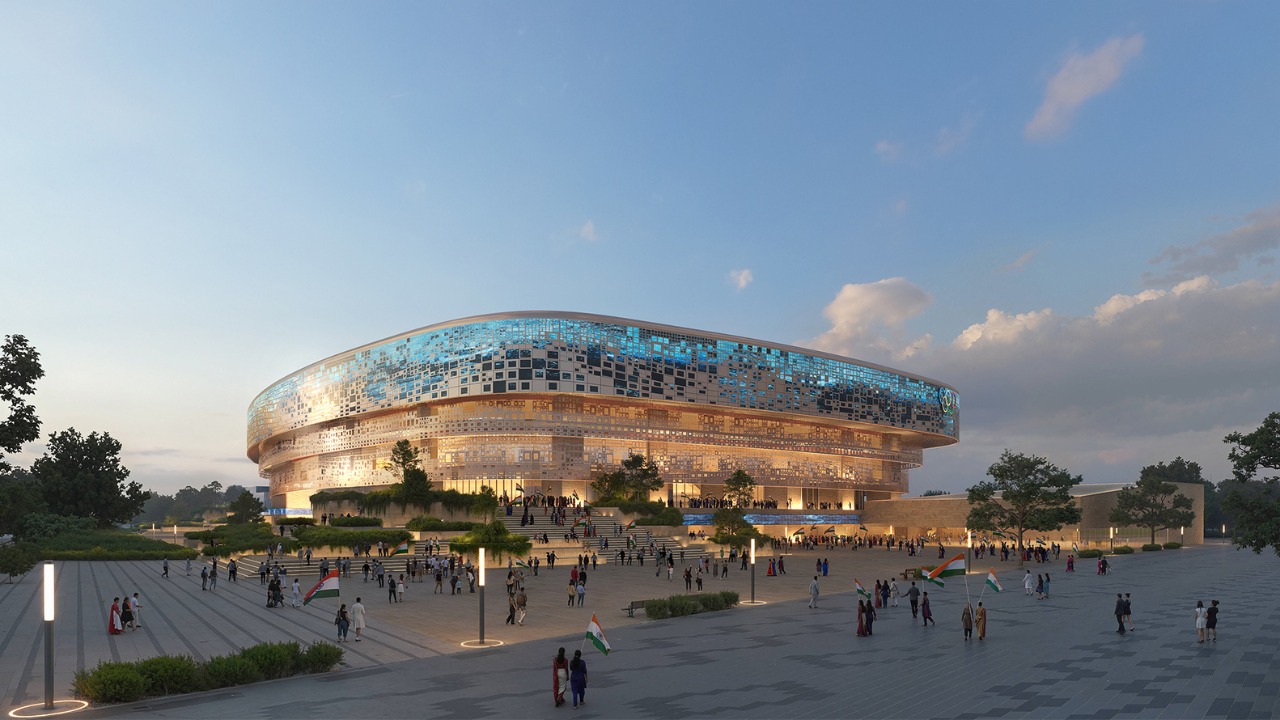
Another significant component of the sports district is the 18,000-seat Indoor Arena, which is planned as a flexible venue capable of hosting various events. While it will accommodate indoor sporting competitions during major tournaments, the arena is also designed to support concerts, cultural events, and large exhibitions.
The architectural design of the arena incorporates bronze-anodized aluminum jali screens, inspired by traditional Indian architectural features such as jharokhas and chhajjas. These screens filter natural light and provide solar shading while creating a distinctive facade that reflects regional architectural identity.
On the western side of the district, the Aquatic Centre will serve as the main venue for swimming and aquatic sports. The complex is designed to accommodate up to 12,000 spectators during major events, though its capacity will be reduced to approximately 4,000 seats for everyday use.
The Aquatic Centre incorporates an exposed structural exoskeleton, double-glazed curtain walls, and extended roof overhangs. These design strategies improve environmental performance by controlling solar heat gain and enhancing natural shading.
National Institute of Sports Excellence
Located between the tennis complex and the Narendra Modi Stadium, the National Institute of Sports Excellence will act as a specialized training campus for athletes.
The institute will provide facilities such as:
- High-performance training gyms
- Sports science and research laboratories
- Athlete recovery and rehabilitation centres
- Biomedical and performance analysis facilities
This institution will support both elite athletes preparing for international competitions and grassroots sports development programs. By integrating research, training, and competition infrastructure within a single district, the project aims to create a comprehensive ecosystem for sports excellence in India.
Landscape and Riverfront Integration
One of the most innovative aspects of the master plan is its emphasis on landscape as a key infrastructural element. Rather than treating open space as leftover land between buildings, the design integrates parks, plazas, and green corridors into the core structure of the development.
The Sabarmati Riverfront will be transformed into a Games Plaza, capable of hosting large ceremonial events during international competitions. After such events conclude, the plaza will transition into a public park with sports courts, gardens, and recreational areas accessible to the public.
Shaded walkways, tree-lined avenues, and landscaped terraces will help mitigate urban heat while creating comfortable outdoor environments for visitors throughout the year.
A New Urban Sports Destination
The Sardar Vallabhbhai Patel Sports Enclave represents more than a sports complex, it is conceived as a major urban transformation project for Ahmedabad. By combining climate-responsive architecture, adaptable venues, and landscape-driven urban design, the project aims to create a sports district that remains active beyond international events.
If successfully implemented, the development could position Ahmedabad as a global hub for sports, recreation, and large-scale events, while also delivering valuable public spaces and community facilities for the city’s residents. The project highlights how modern sports infrastructure can play a vital role not only in hosting international competitions but also in shaping sustainable, people-focused urban environments.
Images- archdaily.com