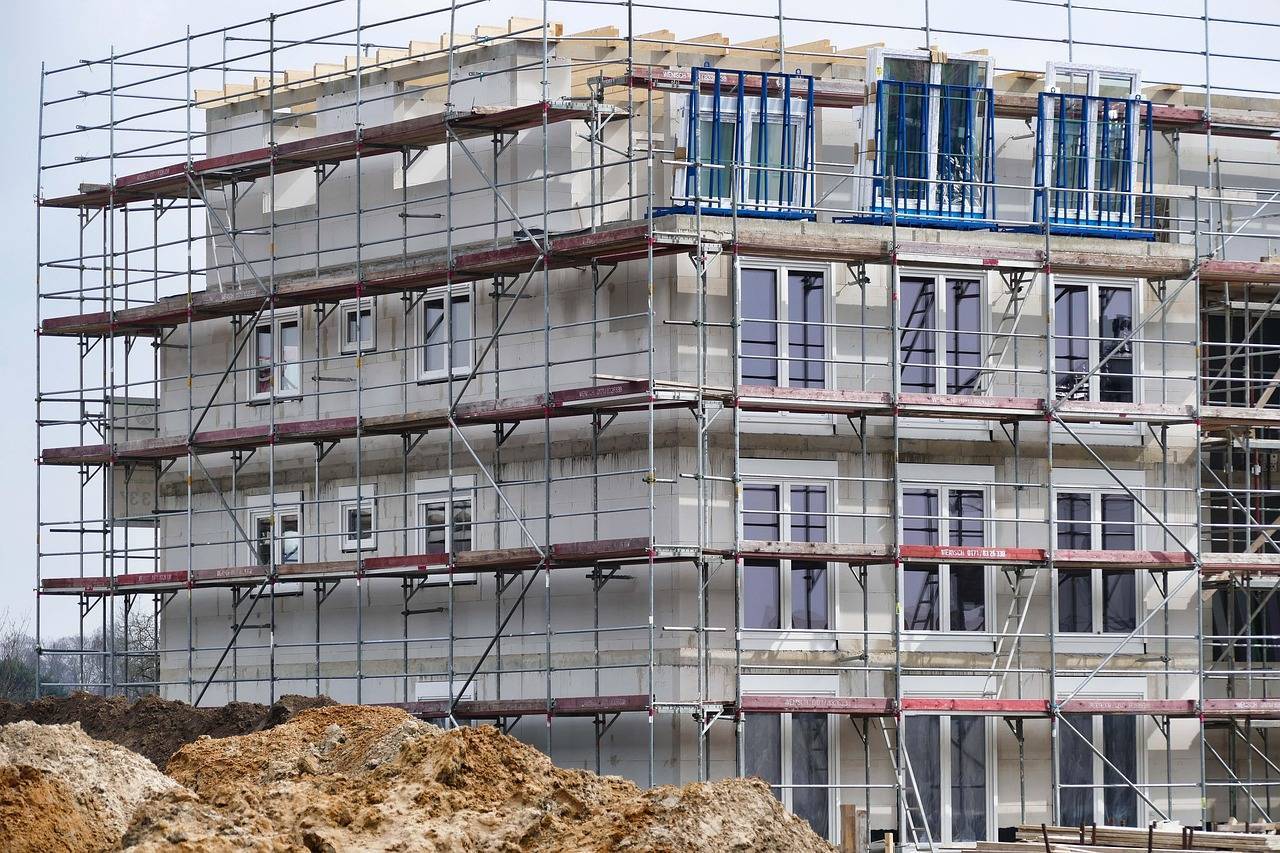

The increasing urbanization and infrastructure development in India has led to an unprecedented rise in the demand of Construction material. Concurrently, the coal based Thermal Power Stations (TPS) continue to produce huge quantities of Fly Ash. Its disposal has created huge environmental problems due to the massive area required for Ash Ponds and its subsequent pollution, emanating from it. Because of this, the Government of India has come up with a stream of regulations and mandates, which motivate the "use" of fly ash in various other applications, other than waste.
The most significant policy initiative was the Fly Ash Notification introduced by the Ministry of Environment and Forests (now called the Ministry of Environment, Forest and Climate Change MoEF CC). The notification mandated the usage of fly ash based products in certain construction activities near thermal power plants, This way incentivising the use of fly ash bricks blocks tiles, cement and other building products. This policy has been modified by several subsequent amendments but with the same overarching goal of using maximum fly ash with sustainable construction.
Understanding Fly Ash and Its Importance
Fly ash is a loose powdery, very fine, mineral residue produced in the process of the utilization of the exhaust gases of thermal plants derived from burning of coal. It contains a high content of silica, alumina and calcium compounds and has cementitious and pozzolanic characteristics Because of this can be used for producing quality construction materials. Fly ash reduces the requirement of grinding the clay.
In construction, it is used as a substitute for clay, thereby reducing the excavation of clay and conserving the natural resources. In this way it helps the thermal power plants to minimize the load of ash by utilizing it.
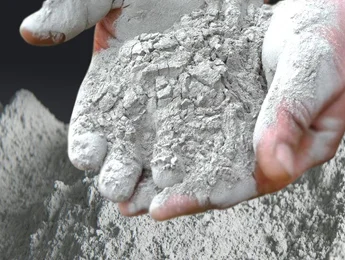
Image- terramineral.in
Environmental Hazards
Thermal power plants in India are producing several hundred million tonnes of fly ash each year. If it is not well managed, fly ash not only takes up space on valuable land, but it can turn into a serious environmental risk. The negative effects of not managing them properly are wind-blown dust that may pollute the air, water pollution of rivers, lakes and groundwater, large land area requirements in the form of ash ponds, raising the environmental and maintenance costs, and long term ecological impact on surrounding areas.
India is the second-largest coal producing country globally, and coal-fired power plants account for almost 70% of its electricity generation. As a result, it generates a vast quantity of fly ash every year. And, based on the CEA (2023) Indian coal is low-grade with ash content varying between 24-63% while compared to imported coal which has low ash content of 3% - 20%.
That means, large amounts of ash are generated at coal/lignite-based thermal power stations in the country which have to use extensive quantities of expensive land for disposal. India alone, in 2021-22, produced approximately 226 million tonnes of fly ash. The unutilized portion of the ash is significant despite efforts made to the use of this waste and as a result various environmental and health hazards are being caused.
To address these issues, the Government put out new regulations encouraging the use of fly ash through the production of construction material.
Government Policy on the Mandatory Utilization of Fly Ash
The issuance of theFly Ash Notification by the Ministry of Environment and Forests on 27 August 2003 was a major development in the field of fly ash management. This initiative was aimed at the maximum utilization of fly ash as an environmental pollution reduction technique, at the same time, promoting its utilization.
The requirements of the fly ash notification included:
- Wherever possible, materials made from fly ash should be a choice for construction activities located within 100km of coal/lignite-based thermal power stations.
- Project design agencies were mandated to approve a minimum of 25%, inclusion of fly ash or fly ash-based products in the designs submitted by contractors.
- The notification, which supported the use of fly ash bricks, fly ash blocks, fly ash tiles, fly ash-based cement, and such other materials that are approved, had a significant impact.
Besides buildings of commercial and residential kinds, it also covers the use of fly ash in roads, embankments, bridges and flyovers which are located within the specified zone.
As per the directive, fly ash would have to be part of the materials used based on the specifications issued by Indian Roads Congress (IRC).
Why the Government Focused on Areas Near Thermal Power Plants
One of the reasons the Government concentrated on the areas in proximity to thermal power plants is In reality transporting fly ash for long distances incurs high transport and logistics costs and thereby makes it economically not viable at all if sold commercially. By promoting the usage of fly ash locally, a lot of material will be processed to make construction materials close to the source thereby not only cutting down on transport costs but also reducing the amount of ash to be disposed of.
This measure is very beneficial to the different parties such as the thermal power plants can minimize ash dumping, manufacturers will be able get the required raw materials quite easily and the construction industry will be supplied with sustainable building goods in a dependable way.
Responsibilities of Construction Agencies and State Governments
The circular lays down clearly and in detail the roles and responsibilities of each of the stakeholders concerned in construction.
The agency of construction which is supposed to approve the designs must make sure that the buildings and construction projects they are commissioning will have fly-ash-based products wherever applicable. Fly-ash bricks, tiles, cement and other approved materials have to be specified as the components used within a specific period.
The State Governments were named as the authorities responsible for enforcement and supervision of these provisions. In case of roads premises bridges or flyovers to be designed or constructed falling within the specified radius, the authorities concerned must confirm that fly-ash-based materials have been used as guided by the relevant guidelines before approving the designs.
Apart from that, the Pollution Control Boards have also requested ash-producing units and different government departments to implement the provisions of these orders and to contribute effectively to the fly-ash utilization.
Benefits of Mandatory Fly Ash Utilization
The mandatory use of fly ash has created significant environmental and economic benefits for the construction sector.
Some of the major advantages include:
- Productive utilization of industrial waste.
- Reduced dependence on traditional clay bricks.
- Conservation of fertile agricultural soil.
- Lower environmental pollution.
- Reduced requirement for ash disposal areas.
- Increased availability of sustainable construction materials.
- Improved resource efficiency.
Current Status of the Fly Ash Notification
The notice issued on 27 th August 2003 was a significant milestone in India's fly ash utilization policy. Governments through 2009 2016 2019, 2021 Fly Ash Notifications have further enhanced utilization norms and clarified transportation responsibility, comprehensive accountability for thermal power and construction agencies.
Significant developments are seen in the regulatory scenario about handling storage transportation and utilization of fly ash.
The thrust is still on optimum utilization of fly ash, reduction of its disposal consequences, easing the burden on land and water use, and maximum utilization of fly ash in construction and construction related applications.
- 2009: The amendment in 2009 broadened the utilization of fly ash and tightened the norms for the thermal power stations to encourage the usage in construction and infrastructure development.
- 2016: The 2016 notification made the emphasis on full utilization of fly ash at 100% and shifted the onus on thermal power plants to ensure collection, transportation and utilization of fly ash.
- 2019: The amendment in 2019 reinforced the requirement for the use of fly ash based products in construction activities and defined the roles and obligations for thermal power plants and users of fly ash.
- 2021 The 2021 notification led to the implementation of additional provisions on the optimum use and management of fly ash about transportation, dumping of legacy ash, and accountability of thermal power plants. This was instrumental in ensuring the ash produced from power plants was being effectively utilized rather than stored in ash ponds.
The Government's decision to prioritize fly ash-based construction materials highlights a strategy to responsibly handle fly ash and its beneficial utilization in the construction industry. Adoption of fly ash would not only save us from relying heavily on traditional clay materials but it also opens a way to protect our environment by recycling waste and adopting a clean construction approach. It is expected that a sustained implementation of the regulations alongside consistent product quality and reliable manufacturing practices will enhance fly ash-based constructions as viable solutions in sustainable development and support India's climate targets.