
Real estate is booming in India's temple towns, a trend fueled by a surge in religious tourism and increased government investment. Developers are now blending spirituality, wellness, and the appeal of second-home living in these areas. The 2026 Union Budget emphasized boosting infrastructure in these cities, including high-speed rail connectivity and upgraded civic facilities. Policy backing has been significant, too. Recent budgets have been focused on boosting connectivity, upgrading civic amenities, and generally enhancing the experience for those visiting these areas.
The effects are now visible on the ground. Cities like Ayodhya, Varanasi, and Vrindavan, along with areas in Southern India, are experiencing a surge in developer interest. Land transactions and project announcements are on the rise. Today’s realtors are heavily investing in these areas to tap the strong growth potential of the real estate market due to the government’s enhanced focus on religious tourism within the country.
The scale of this opportunity, noting that India’s temple economy is valued at around ₹6 lakh crore, making it one of the country’s largest economic ecosystems, said Andhra Pradesh Chief Minister N Chandrababu Naidu.
Spiritual Tourism Is Fueling a Surge in Real Estate Activity
As temple towns see more visitors, the need for structured housing, hospitality, and mixed-use developments has grown. Travel patterns are also changing. Visits, once brief affairs steeped in tradition, are now extending, particularly for families and retirees. This shift is fueling the need for organized housing, hospitality options, and supporting infrastructure in proximity to these religious sites.
Purpose-Led Living Shapes Temple Town Real Estate
Temple towns are gradually moving beyond their role as transit destinations and are beginning to attract people looking to spend extended time or even settle down. Real estate developers are responding, focusing on how to blend spirituality with the demands of modern life. This desire for a more tranquil, meaningful existence is driving the change. Places like Yadagirigutta and others are now appealing real estate opportunities, primarily because of their importance as pilgrimage destinations. For instance, Stonecraft Group is developing a 110-acre Temple Town project, close to the Lakshmi Narasimha Temple, which is located in Yadagirigutta.
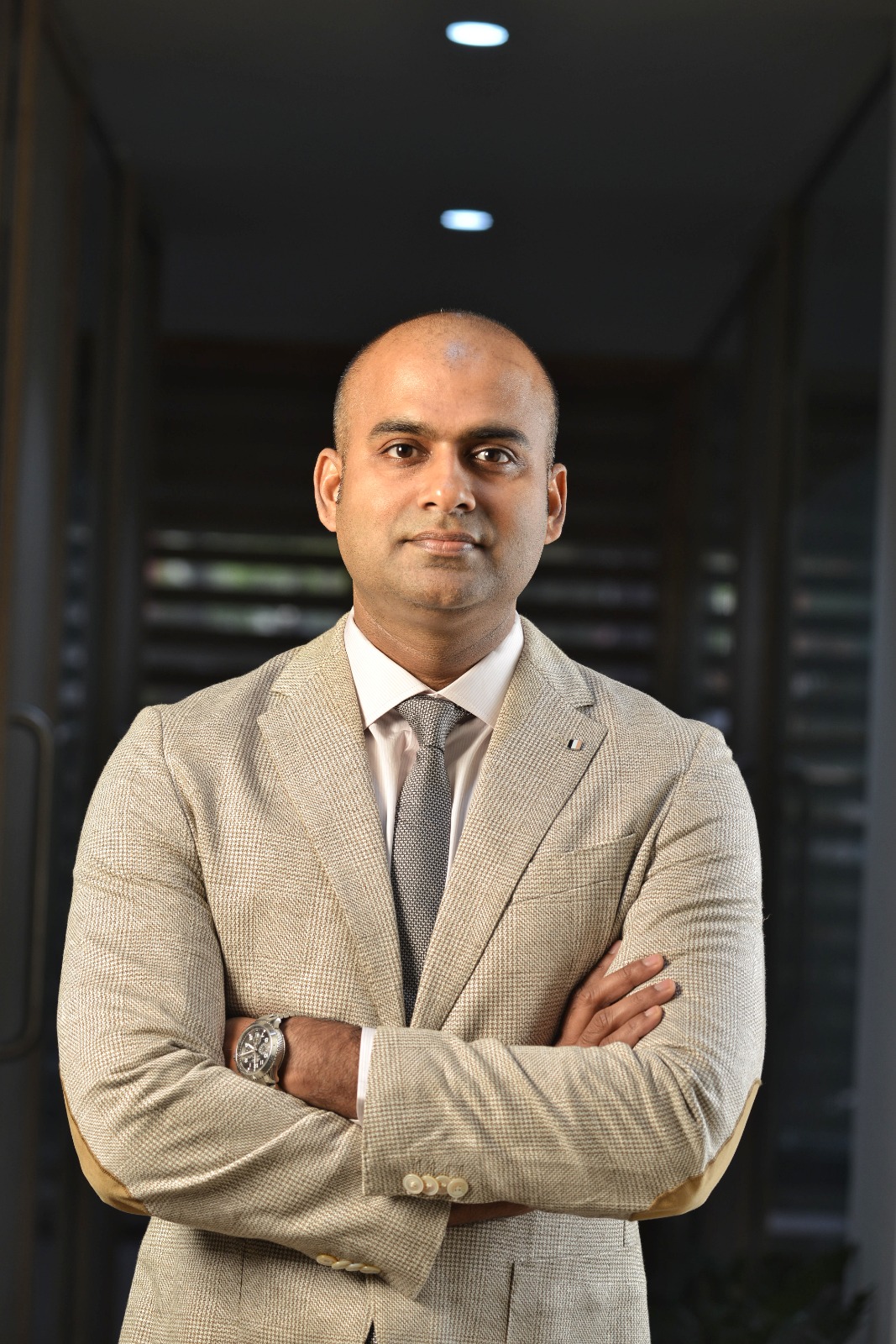
“Temple Town is our tribute to India’s spiritual heritage, seamlessly blending tradition with our commitment to creating inclusive, dignified spaces. This development represents a transformative move towards fostering a community that prioritizes spiritual and modern living together in a single ecosystem. The Senior Living enclave will address the growing need for high-quality, purposeful living for elders, providing them with a space designed for wellness, comfort, and peace of mind,” said Mr Kirthi Chilukuri, Founder and Managing Director, Stonecraft Group.
Shift Toward Wellness and Second-Home Living
Shift Toward Wellness and Second-Home Living Developers are responding to a rising demand for second homes in tranquil, spiritually uplifting settings. These ventures are being marketed as wellness-focused communities, combining elements of nature, mindfulness practices, and contemporary conveniences. This approach is attracting both city-based investors and individuals looking to enhance their lifestyles. Other developers, including Jindal Realty, are also entering this segment with projects in locations such as Kurukshetra, aiming to tap demand from urban buyers seeking second homes and a more mindful lifestyle.
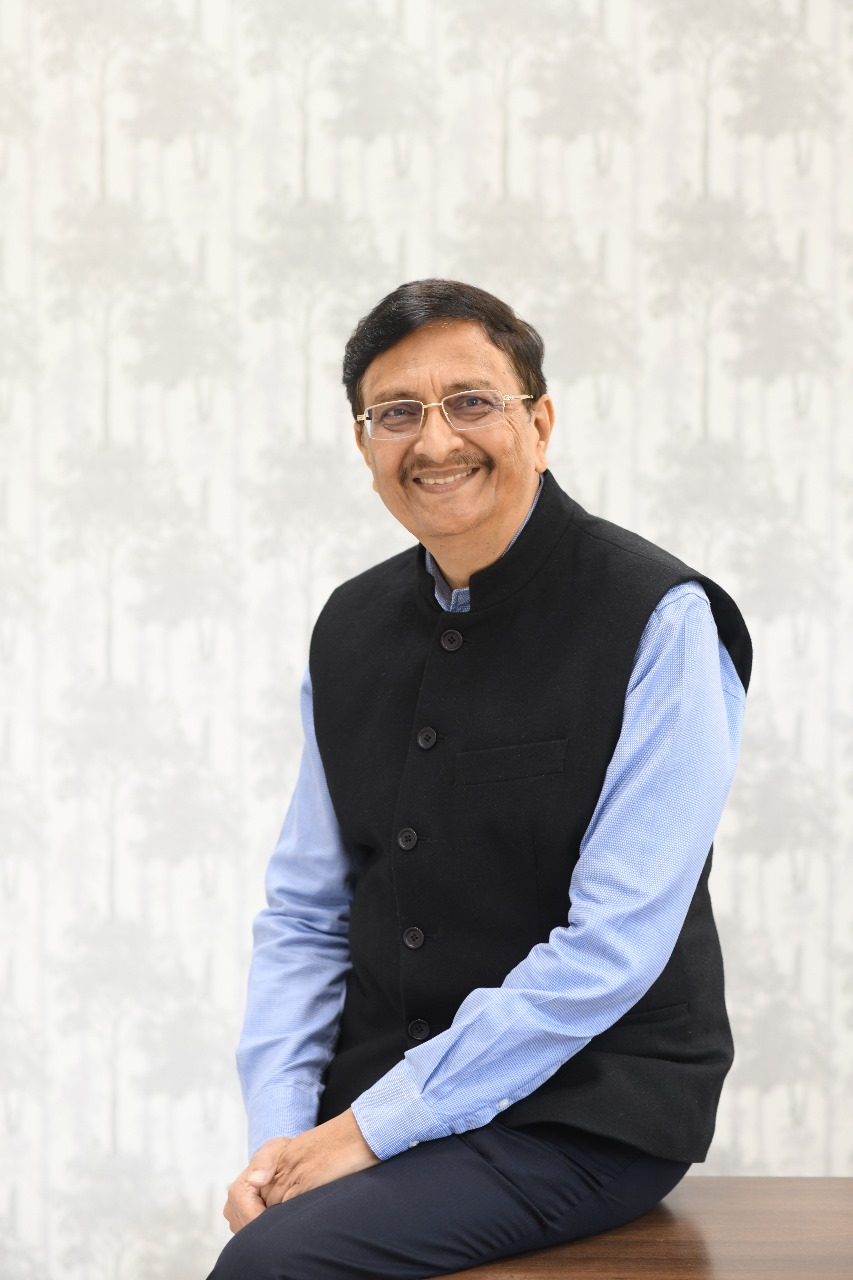
Abhay Kumar Mishra, President & CEO, Jindal Realty says “Temple town real estate is evolving into a compelling convergence of spirituality, wellness, and long-term investment potential. In North India, Kurukshetra stands out as a unique destination where deep cultural significance meets improving infrastructure and connectivity. As demand grows for peaceful, purpose-driven living environments, we are witnessing increasing interest from both end-users and second-home buyers. For developers like Jindal Realty, this presents an opportunity to create thoughtfully planned communities that respect the city’s heritage while offering modern amenities. Kurukshetra is well-positioned to emerge as a key spiritual and residential hub in the evolving temple town real estate landscape."
Expanding Beyond Pilgrimage
What started with hospitality and tourism is now giving way to more integrated ecosystems that include housing, retail, and community centres. Temple towns today are increasingly seen as centres of wider economic activity, backed by steady investments in infrastructure, connectivity and urban development. This growth is seen beyond traditional metro markets into regions with strong cultural relevance.

Sam Chopra, President and Country Head, eXp Realty India said, “What we are witnessing today is not just the growth of spiritual tourism, but the emergence of a new development paradigm where culture, faith, infrastructure, and economics are beginning to converge in a very powerful way.
The continued policy emphasis on pilgrimage and cultural infrastructure further reinforces that this is not a transient cycle, but a structural shift in how India is building its next layer of urbanisation.
This shift has the potential to redefine how we think about real estate development in India. Unlike traditional urban expansion models that were largely driven by commercial clustering or metropolitan spillover, these emerging corridors are rooted in identity, continuity, and long-term human movement.”
What’s emerging is still uneven and evolving. Not every temple town will turn into a real estate hotspot, and demand is likely to remain selective. But the combination of infrastructure push, cultural pull, and changing lifestyle preferences is starting to reshape how these locations are being viewed by both buyers and developers.