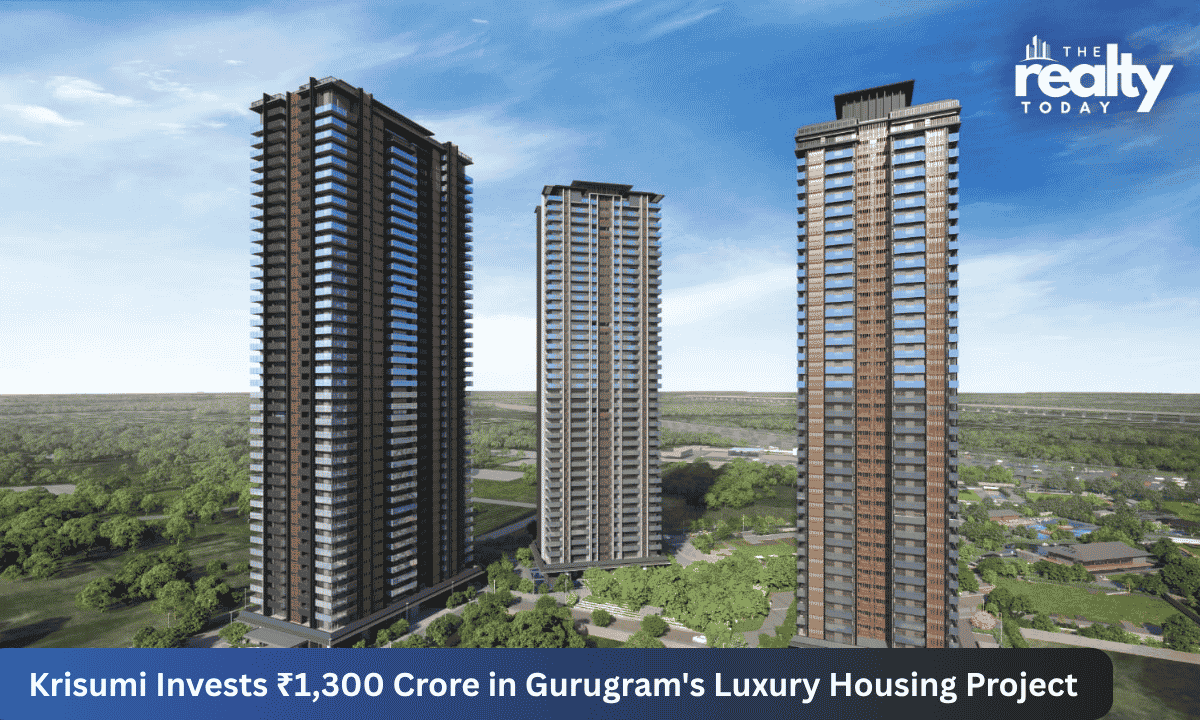
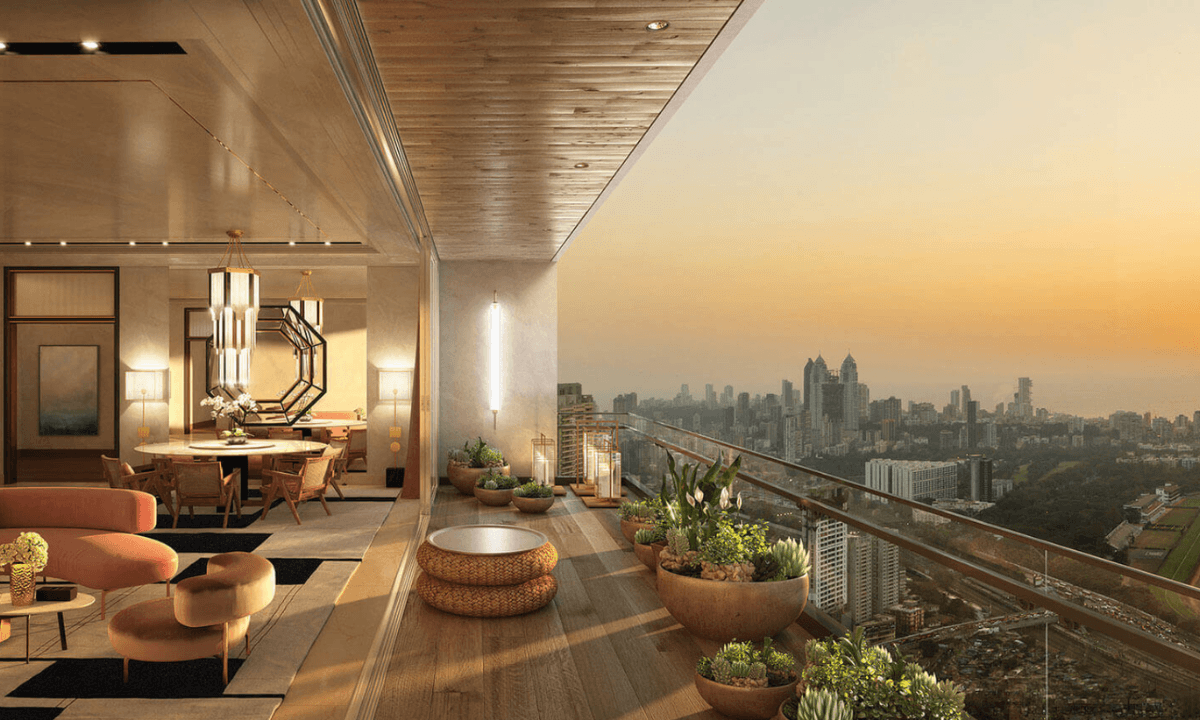
Luxury real estate around the world is changing. Buyers today are not just looking for bigger homes or better locations. They are looking for a complete lifestyle experience. This is where branded residences are becoming increasingly popular.
Branded residences combine luxury homes with the reputation and services of well-known global brands. These projects are usually developed through partnerships between real estate developers and brands from hospitality, fashion, or design.
Globally, this segment has grown rapidly in the last decade. India has also emerged as a key market. The country is now the sixth-largest market for live branded residential projects, contributing around 4% of the global supply of branded homes. According to industry estimates, the segment is expected to grow sharply and could reach a global value of nearly $118 billion by 2030, with projections suggesting around 200% growth by 2031.
This growth reflects a larger shift in how wealthy buyers view luxury housing.
What Are Branded Residences?
Branded residences are high-end homes developed in partnership with a globally recognised brand. The brand can be from hospitality, fashion, luxury lifestyle or even the automotive industry.
These homes are not just about design or location. They also offer services and experiences similar to luxury hotels.
Key features include:
- Hotel-style services
Residents often get services such as concierge support, housekeeping, valet parking, security and in- residence dining.
- Design identity
- Brand assurance
- Higher price premium
Comparison: Branded vs. Traditional Luxury Residences
Global Examples of Branded Residences
Why Developers Are Moving Toward Branded Homes
The growing interest in branded residences is not just coming from buyers. Developers are also increasingly exploring this model.
According to the CREDAI–Colliers Developer Sentiment Survey, around 21% of Indian developers are now actively considering or moving toward branded residence projects.
There are several reasons for this shift.
Faster sales: Branded projects often attract strong demand during launch. For example, Smartworld’s Trump Residences in Gurugram reportedly sold out on launch day, generating bookings worth around ₹3,250 crore.
Higher rental returns: Professionally managed branded homes are attractive to expatriates, senior executives and corporate tenants. This often results in 15–20% higher rental income compared with similar unbranded luxury apartments.
Better resale liquidity : Because the property is associated with a well-known global brand, it becomes easier to sell in the secondary market. International buyers and NRIs are also more comfortable investing in such properties.
India’s Growing Branded Residence Market
India’s branded residence market is expanding quickly, especially in major cities.
Mumbai initially led this segment because of its strong luxury housing demand. However, Delhi-NCR has emerged as a major hub, particularly in areas like Gurugram and Noida.
Infrastructure projects such as the Dwarka Expressway and improved connectivity are attracting luxury developments to these areas.
At the same time, the types of brands entering the market are also expanding. Earlier, most branded residences were linked to hotel brands such as Four Seasons, Ritz-Carlton or Westin. Today, developers are also partnering with fashion, lifestyle and design brands. Examples include collaborations with ELIE SAAB, Jacob & Co., and the design brand YOO.
These partnerships help developers create unique identities for their projects and attract global buyers.
The Future of Branded Residences
Branded residences represent a major shift in how luxury housing is developed and sold. Buyers are increasingly looking for experiences, services and brand value, not just physical space. For developers, these projects offer stronger brand positioning, faster sales and access to international investors. As the global population of wealthy individuals continues to grow, branded residences are expected to expand further, especially in emerging markets like India.
With rising demand for curated living experiences and trusted global brands, the segment is likely to play a key role in shaping the next phase of luxury real estate development.