
One of the biggest achievements in terms of transparency and accountability within India’s real estate industry was the enactment of the Real Estate (Regulation and Development) Act, 2016. The law requires developers or promoters to open an individual RERA account in order to ensure that all the money raised from home buyers is spent on the development of a particular property.
According to the regulations, promoters have to deposit 70% of the total sum obtained from all allottees into a specially opened bank account. The account does not represent a regular account for businesses but a very strict one, which can be used only for certain purposes. One of the regulatory bodies overseeing the process, for example, the Karnataka Real Estate Regulatory Authority, makes sure to regulate expenses.
The Fundamental Concept- Only Actual Costs Can Be Debited
The underlying concept behind the functioning of RERA accounts is a fundamental concept of debiting only those expenses that are real in nature. It means that a developer can only use those costs that have actually occurred and were paid.
This concept helps ensure that:
- Funds belonging to the buyer will not be diverted
- All financial transactions will be completely clear
- Project development and fund usage are correlated
Land-Related Costs
One of the major heads of expenses that could be charged against the RERA account is the land cost. However, there are certain conditions that need to be satisfied to ensure inclusion under this head. One of them being that the payment should be actual and paid.
This means that developers may charge the actual price paid towards acquiring land. Apart from this, any expenditure towards stamp duty, registration, or legal fees is allowed. If it is a joint development venture, any payment made to the owner of the land, as per the terms of agreement, can also be charged.
However, some expenditures are not allowed. If the land is inherited, gifted, or already owned by the promoter without any monetary transaction, no notional value can be charged. Additionally, all charges have to be actual payments and prepayment is not allowed.
Some of the allowable land cost heads are:
- Cost of acquiring land
- Stamp duty and registration charges
- Legal charges for acquiring land
- Payment for joint development ventures
- Land conversion charges or increase in FAR
Fees Statutory
Real estate development involves several statutory approvals, licensing, and professional fees. RERA permits this expense allocation in the separate account, provided the cost is associated with the project.
The developers can allocate expenses incurred for statutory approvals by governmental organizations like municipal corporations, planning agencies, or registration agencies. Payments to architects, structural engineers, and other technical consultants are permitted, but only when the consultant is hired exclusively for the project.
The significant point to note here is that these consultants cannot be the salaried employees of the promoter. These expenses incurred exclusively for the project become valid deductions.
Valid fee categories include:
- Expenses related to approval and registration
- Payment of architects and engineers
- Technical consulting fees
- Project-specific statutory expenses
Construction Cost on Site
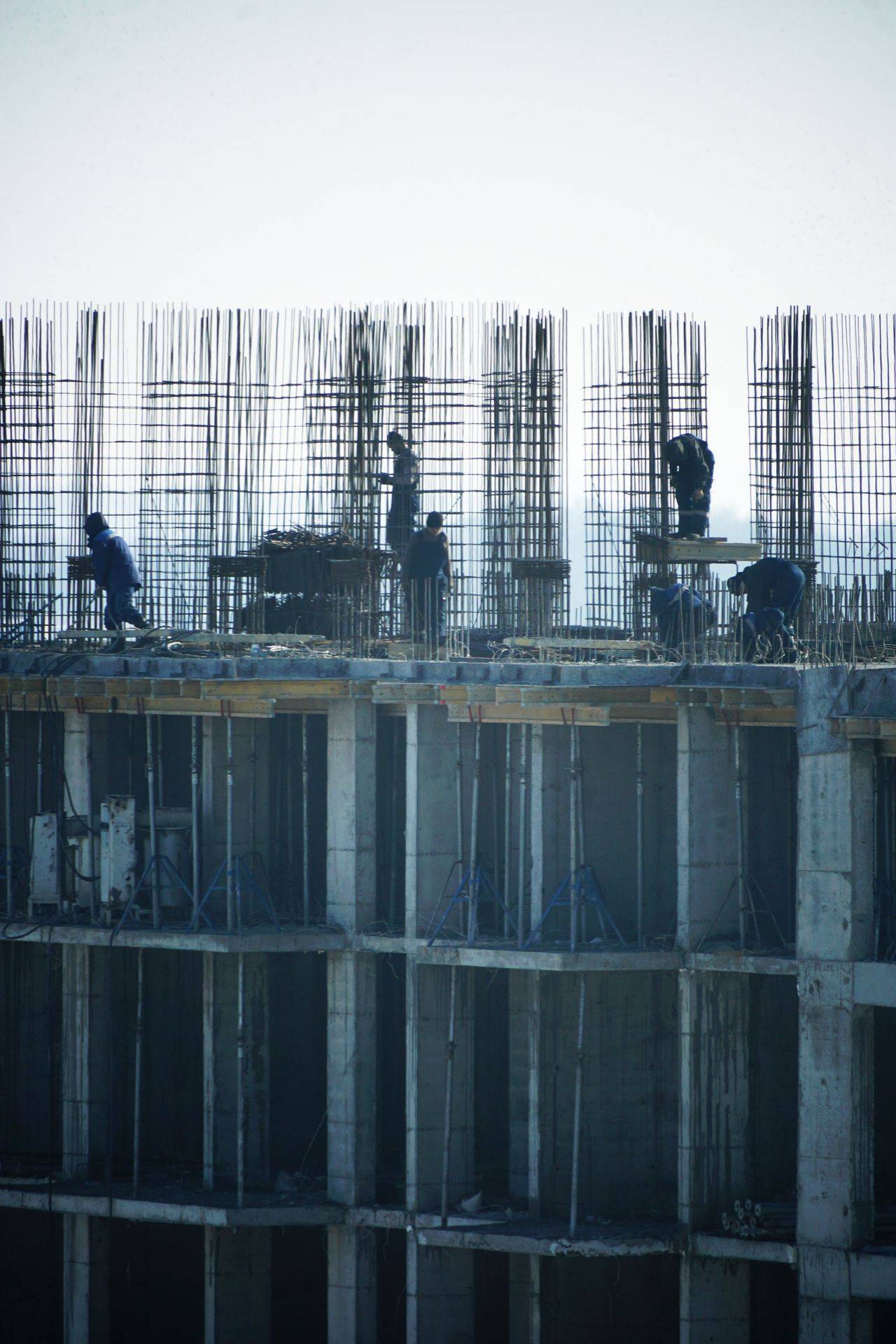
Construction cost makes up the biggest chunk of the permissible deductions from the RERA account. The expenses incurred in this category must be directly related to the physical development of the project.
These include the cost of purchasing materials used in the building process, like cement, steel, and others. Payments to contractors and labor involved in the construction process are allowed as well but should also be directly related to the construction process.
Even operational costs incurred in running machinery on the construction site can be deducted, including machine rent and fuel cost. Even connection charges for services like water and electricity for construction can be claimed as expenses.
All of these should be directly related to the specific construction project on-site.
Examples of permissible construction costs:
- Material acquisition cost
- Cost of labor and contractors
- Machine cost
- Fuel cost
- Site services
Non-Allowable Expenses
In addition to outlining the allowable expenses under RERA, there are also specific categories of expenses that are strictly prohibited. There are some expenses that, although they may be associated with the entire business operation, are non-permissible and hence should not be included in the designated account.
Some of the non-permissible expenses include those associated with marketing and promotion of services. Loan repayments, together with interests paid on the loans, cannot be made out of the designated account. Corporate expenses and employee salaries are similarly disallowed.
Non-Allowable Expenses:
- Marketing and promotion expenses
- Loan payments and interest payments
- Corporate expenses
- Employee salaries
Importance of These Rules
Apart from being stringent with the segregated fund, there is an underlying reason why the government has made such rules, which is to protect the homebuyers and ensure that the projects are completed on time. One of the major difficulties faced by the real estate industry was the misallocation of money from one project to another.
Now, with the implementation of the regulated account, the funds collected will have to be utilized solely for the intended project. It instills a sense of responsibility and faith among buyers.
The regulatory authority such as the Karnataka Real Estate Regulatory Authority has an essential part in enforcing these regulations.
Lessons for Developers
In terms of lessons learned for developers, abiding by the requirements of the RERA account goes beyond merely evading penalties; it is important to maintain one’s professional reputation in an intensely competitive environment. Some things that developers need to do include:
- Recording all expenditures with valid invoices
- Matching withdrawals with real progress on the development project
- Not having any non-permissible charges applied to their RERA account
- Having professional certifications where necessary
Conclusion
The creation of a separate account for RERA is one of the most significant changes brought about by the Real Estate (Regulation and Development) Act, 2016. The restriction on use only to the cost of land and construction will help protect the funds of the homebuyers as well as ensure transparency.
Although the restrictions might sound harsh, they are indeed beneficial for both the developer and homebuyers in creating a more reliable environment in the real estate industry. Developers must know what kinds of expenses are allowed in order to proceed smoothly, while buyers need this knowledge for assurance purposes.