
The United Arab Emirates has solidified its position as the undisputed leader of the Middle East’s property sector. According to the Most Impactful Real Estate Leaders 2026 report released by Forbes Middle East on May 5, 2026, the UAE is home to the vast majority of the region’s most powerful developers. This ranking, now in its third year, shines a spotlight on the visionary executives who are reshaping skylines and driving multi-billion-dollar urban transformations.
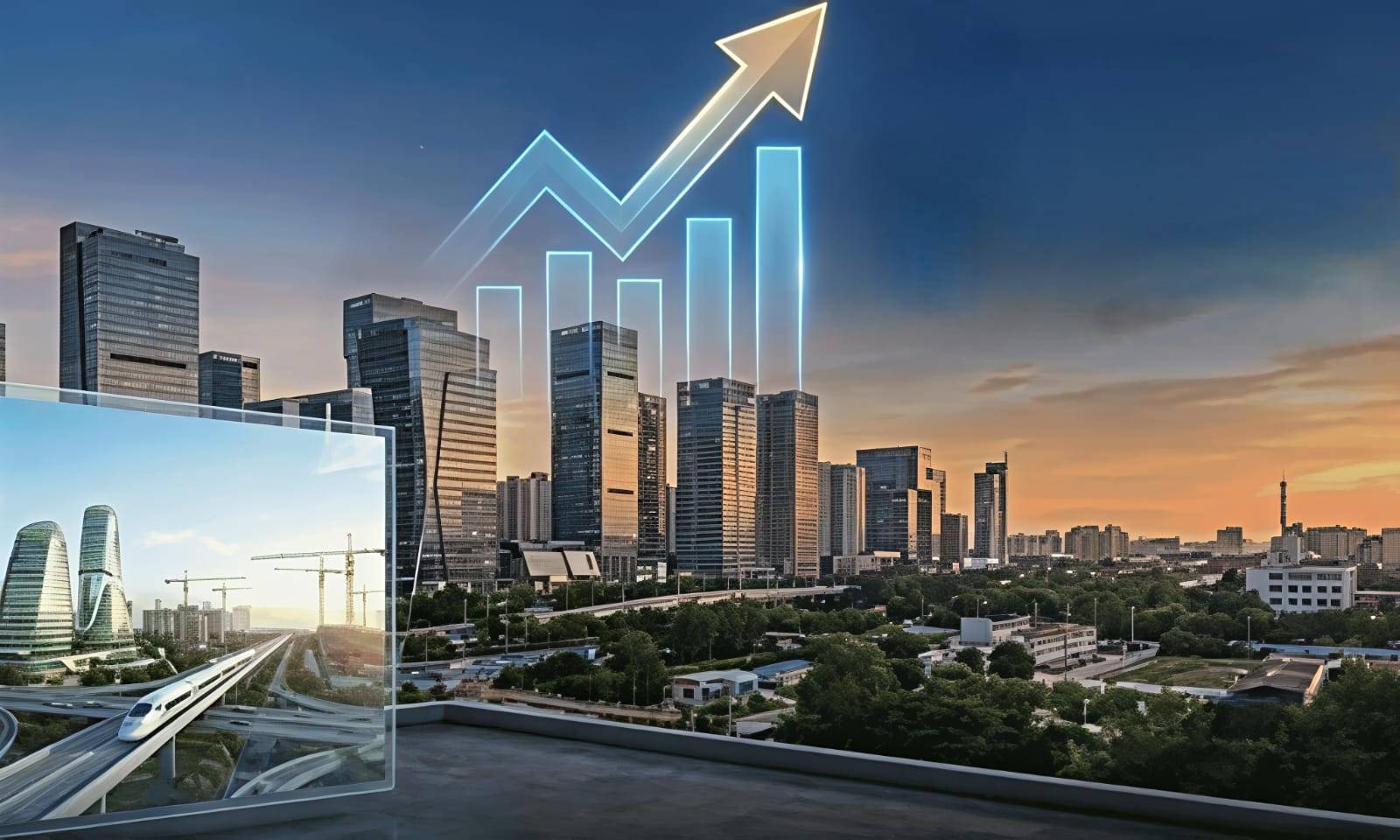
With 47 out of the 100 featured leaders based in the UAE, the country continues to outperform its neighbors. This success is fueled by a massive expansion in infrastructure, a surge in non-oil investments, and a growing global appetite for luxury residential projects.
Key Highlights from the 2026 Report
The data from this year’s list shows a clear concentration of power in three key markets. While the UAE leads the way, Saudi Arabia and Egypt are making significant strides with their own mega-projects.
Regional Heavyweights: The UAE leads with 47 leaders, followed by Saudi Arabia with 21 and Egypt with 17.
Top Three Sweep: For the second consecutive year, the top three positions are held by UAE-based chairmen.
Billionaire Wealth: The list features 11 billionaires with a staggering combined net worth of $39.4 billion.
Rapid Growth: The newest company on the list was founded just three years ago, while the oldest has been operating for nearly seven decades.
The Top Real Estate Titans of 2026
The top of the leaderboard remains stable, reflecting the immense trust and market share held by the region’s largest established developers.
Hussain Sajwani, the founder of DAMAC Properties, retained his number-one spot. Under his leadership, DAMAC has moved beyond the borders of Dubai, most recently making headlines with the Chelsea Residences in London—a high-profile partnership with Chelsea Football Club. Mohamed Alabbar continues to drive Emaar's massive portfolio, while Talal Al Dhiyebi has led Abu Dhabi’s Aldar Group through a period of record-breaking acquisitions and development.
Regional Wealth and the Billionaire Factor
The real estate sector remains one of the most powerful engines for wealth creation in the Middle East. The 11 billionaires on this year's list represent nearly $40 billion in combined net worth, a financial war chest that allows them to undertake projects on a scale rarely seen elsewhere in the world.
A prime example of this financial muscle is Qatari Diar, led by Chairman Abdullah bin Hamad Al Attiya (ranked 7th). The company recently signed a historic $29.7 billion agreement with Egypt’s New Urban Communities Authority to develop the Alam Al-Roum area. This massive project on Egypt’s Mediterranean coast will include an international marina, luxury hotels with over 4,500 rooms and upscale residential neighborhoods, expected to create over 250,000 jobs.
Market Trends: Branded Living and AI Integration
A standout trend in 2026 is the explosion of branded residences. Developers are increasingly partnering with global luxury brands to offer unique lifestyle experiences rather than just physical buildings.
Muhammad BinGhatti, Chairman of Binghatti Holding (ranked 8th), is a leader in this space. In early 2026, he launched Mercedes-Benz Places | Binghatti City, an $8 billion project spanning more than 10 million square meters. This project merges automotive luxury with high-end real estate, setting a new benchmark for branded living in Dubai. Other developers are following suit, integrating Artificial Intelligence (AI) into their projects to offer musical hotel apartments, smart wellness centers and automated property management systems.
Geographic Distribution of Real Estate Leaders
The 2026 rankings highlight how real estate activity is concentrated in the "Big Three" markets of the Middle East.
Old Power vs. New Entrants
The 2026 list beautifully illustrates the balance between historical stability and the fresh energy of modern startups.
The Legacy Leader: Egypt’s Madinet Masr for Housing & Development (formerly Madinet Nasr) is the oldest company on the list. Founded in 1959, it is now led by President and CEO Abdallah Sallam. The company is currently evolving into a modern developer, recording sales of $1 billion in 2025 and launching "SAFE," a digital platform for fractional property ownership.
The Rising Star: At the other end of the spectrum is the UAE’s ONE Development, led by Founder and Chairman Ali Al Gebely. Founded only in 2023, the company has already built a $1.2 billion project pipeline, including the "DO Dubai Islands" musical hotel apartments and significant expansions into the Egyptian hospitality market.
Looking to the Future
The dominance of the UAE and the rapid growth of Saudi Arabia and Egypt suggest that the Middle Eastern real estate market is far from reaching its peak. To further discuss these trends, Forbes Middle East will host the Building the Future summit in Abu Dhabi on June 23–24, 2026.
This summit will gather the leaders from the 2026 list to discuss the next frontier of the industry: sustainable construction, the impact of AI on urban planning, and how to maintain growth in an increasingly competitive global market. For now, the UAE remains the golden hub for real estate, with its leaders setting the pace for the rest of the world.




.png)