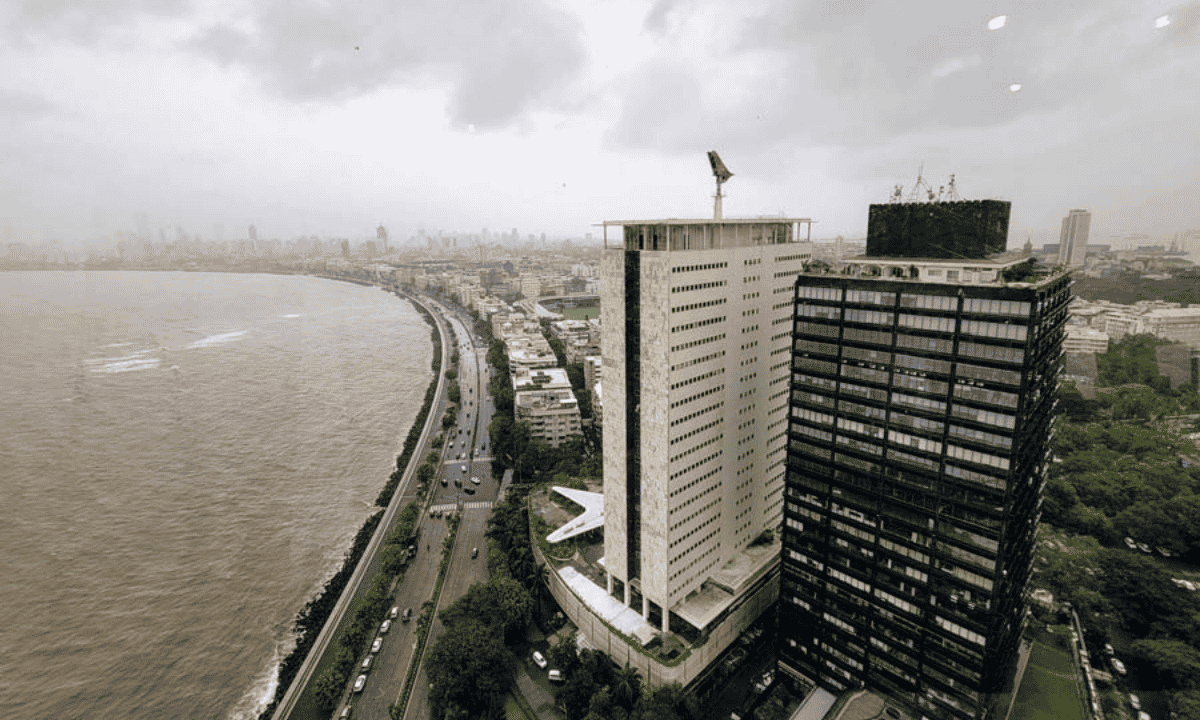

DUBAI/NEW DELHI — In a move that has sent ripples through the international property market, Dubai has officially removed the minimum property value requirement for its two-year residency visa. This landmark decision marks a strategic pivot from luxury-only growth to a resident-first economy, opening the doors for a massive wave of mid-market Indian investors.
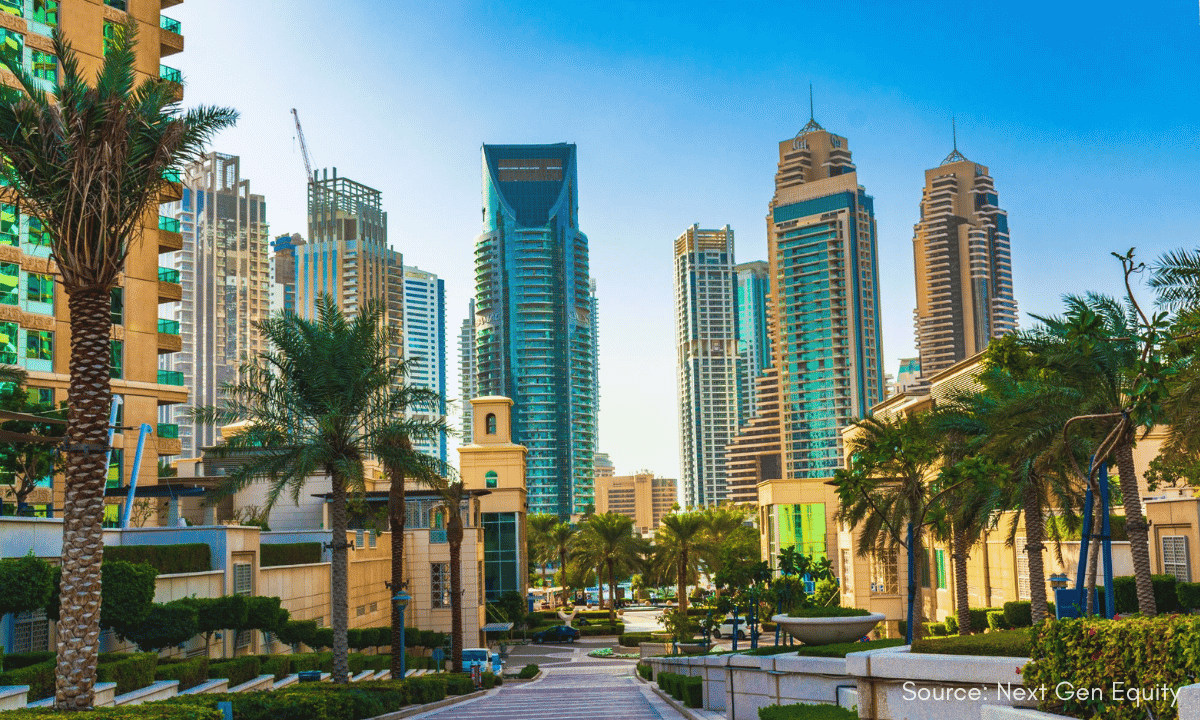
Previously, solo investors were required to purchase property worth at least 750,000 Emirati Dirhams (AED), approximately ₹1.7 crore, to qualify for a two-year renewable residency visa. As of late April 2026, that threshold has been scrapped for individual buyers.
The Core Changes: At a Glance
To understand the magnitude of this shift, one must look at the "Before" and "After" of Dubai’s residency requirements.
The Dubai Land Department (DLD) update, released via the DLD Cube platform, introduces two critical adjustments:
Solo Investors: The 750,000 AED minimum floor price is gone. An individual can now purchase a studio or a small apartment at any price point and qualify for residency.
Joint Investors: A security floor of 400,000 AED has been set for joint property owners. This is a deliberate move to prevent visa-pooling, where too many people attempt to gain residency through a single low-value asset.
Why Now? The Geopolitical and Economic Context
The timing of this announcement is not accidental. Following the West Asia conflict that intensified in early 2024, Dubai’s luxury market, the playground of billionaires and trophy-asset hunters, experienced a sentiment shock. High-net-worth individuals (HNIs) became more selective, leading to a temporary lull in bookings for iconic areas like Palm Jumeirah.
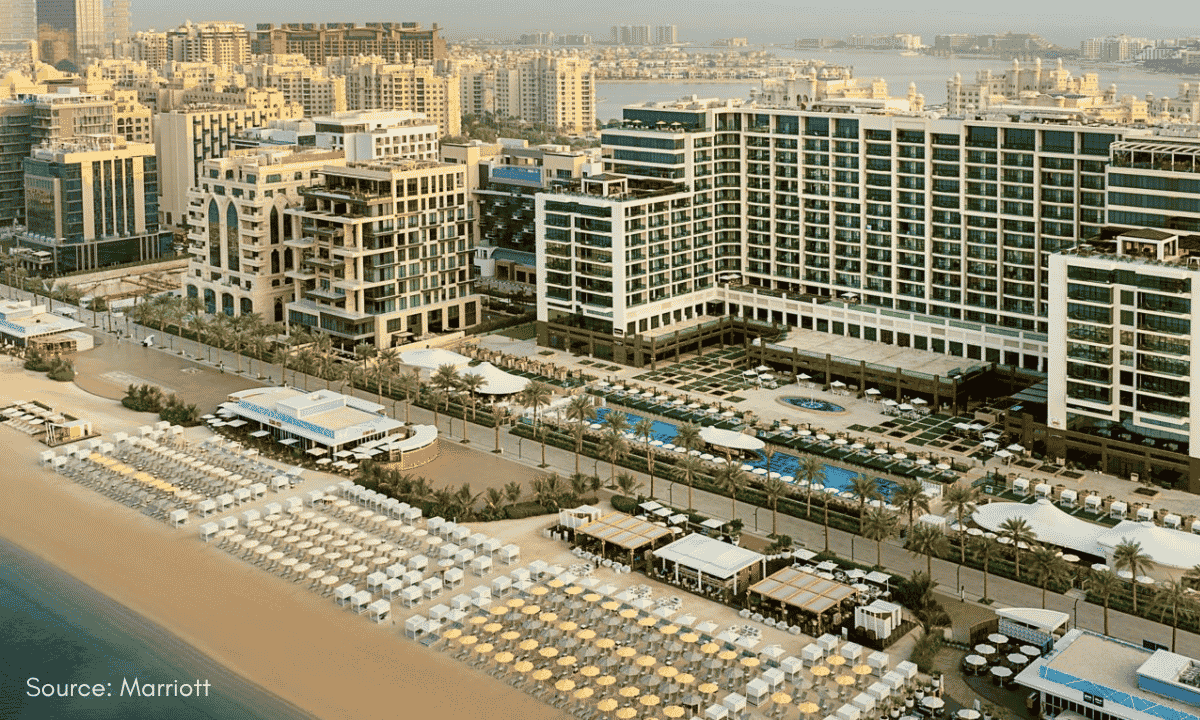
By removing the visa entry barrier, Dubai is aggressively targeting a different demographic: the salaried professional and the upper-middle-class Indian investor.
The Indian Connection: A Market Rebound
Indian investors have long been the backbone of Dubai’s real estate success, accounting for roughly 22% of all residential deals in 2025. However, the previous ₹1.7 crore entry barrier for residency often pushed smaller investors toward Indian metros like Mumbai or Bengaluru.
With the limit removed, a salaried professional in Delhi or Bangalore can now buy a modern apartment in Dubai’s emerging suburbs for 500,000 AED (approx. ₹1.1 crore) and secure a residency visa.
Why Indians are flocking to Dubai Real Estate:
Rental Yields: Dubai offers rental returns of 6% to 9%, significantly higher than the 2% to 3% typically seen in Indian residential markets.
Tax Efficiency: The absence of personal income tax and capital gains tax makes it a pure play for wealth preservation.
Safety & Stability: Despite regional jitters, Dubai remains a safe haven for capital, backed by world-class infrastructure.
Understanding the "Resident-First" Strategy
For years, Dubai was seen as a place where people came to work for a few years and then left. This policy change is designed to turn "renters into owners."
When an expat buys a home, they become more than just a transient worker; they become a stakeholder in the economy. This leads to:
Increased Domestic Spending: Homeowners spend more on furniture, renovations, and local services.
Social Stability: A higher percentage of resident-owners leads to a more stable, long-term population.
Secondary Market Liquidity: By stimulating the affordable and mid-tier segments, the government is ensuring that there is a healthy resale market for apartments priced between 400,000 and 700,000 AED.
The Economic Impact: A New $1 Trillion Vision
The real estate sector is a vital pillar of Dubai’s D33 Economic Agenda, which aims to double the size of the city's economy by 2033. In 2025 alone, Dubai recorded property transactions worth 917 billion dirhams.
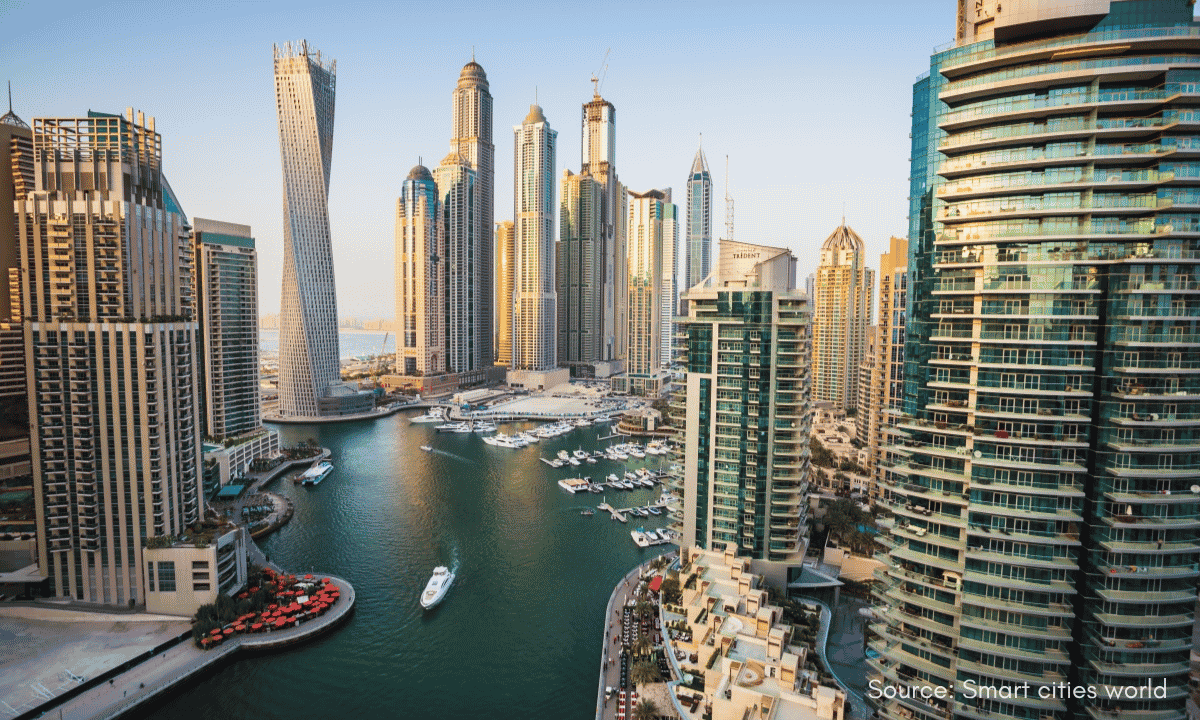
Industry experts, including Anuj Puri of Anarock, suggest that while there was a temporary slowdown due to regional uncertainty, this visa easing will act as a massive counter-pull. It effectively offsets the lull in the luxury segment by flooding the mid-market with new buyers.
The Structural Shift: Comparative Analysis
The following data illustrates the evolution of Dubai’s residency requirements following the April 2026 update.
| Feature | Previous Requirement | Current Requirement (2026) |
| Minimum Value (Individual) | 750,000 AED | No Minimum Floor |
| Minimum Stake (Joint Owners) | 750,000 AED per person | 400,000 AED per person |
| Visa Duration | 2 Years (Renewable) | 2 Years (Renewable) |
| Primary Beneficiary | High-Net-Worth Individuals | Mid-Tier Professionals |
A Step-by-Step Guide for the New Investor
If you are an Indian investor looking to capitalize on this change, here is a simplified breakdown of the process:
Identify the Property: Look for Ready-to-Move or Off-plan projects. With the limit removed, focus on high-growth areas like Jumeirah Village Circle (JVC) or Dubai South.
The 400k Rule: If you are buying with a spouse or partner, ensure the property value is at least 400,000 AED to meet the joint-buyer visa floor.
DLD Registration: Once the purchase is registered with the Dubai Land Department, you can apply for the 2-year Investor Visa through the DLD Cube center.
Benefits: This visa allows you to sponsor your family (spouse and children) and provides an Emirates ID, which is essential for opening local bank accounts and getting a driving license.
The Risks to Watch Out For
While the visa rules have eased, professional investors should remain cautious.
Liquidity Strains: Some discounted resales in the luxury segment suggest that while the market is growing, liquidity can tighten during geopolitical stress.
Supply Glut: Dubai’s developers are famous for their speed. Ensure you are buying in an area where demand outstrips supply to ensure your 6–9% rental yield remains intact.
Currency Fluctuations: Since the Dirham is pegged to the US Dollar, Indian investors must account for the USD-INR exchange rate, which can affect the "effective cost" of their EMIs.
Conclusion: The Democratization of Dubai
The removal of the property value limit is the democratization of Dubai real estate. It shifts the power from the ultra-wealthy to the global middle class. For the Indian professional, the dream of owning a home in a global city and securing a residency visa has never been more attainable.
As we move toward 2027, the "Silicon Brick" evolution, combining AI-driven sales and inclusive residency policies, is likely to make Dubai one of the most resilient and diverse real estate markets in the world.