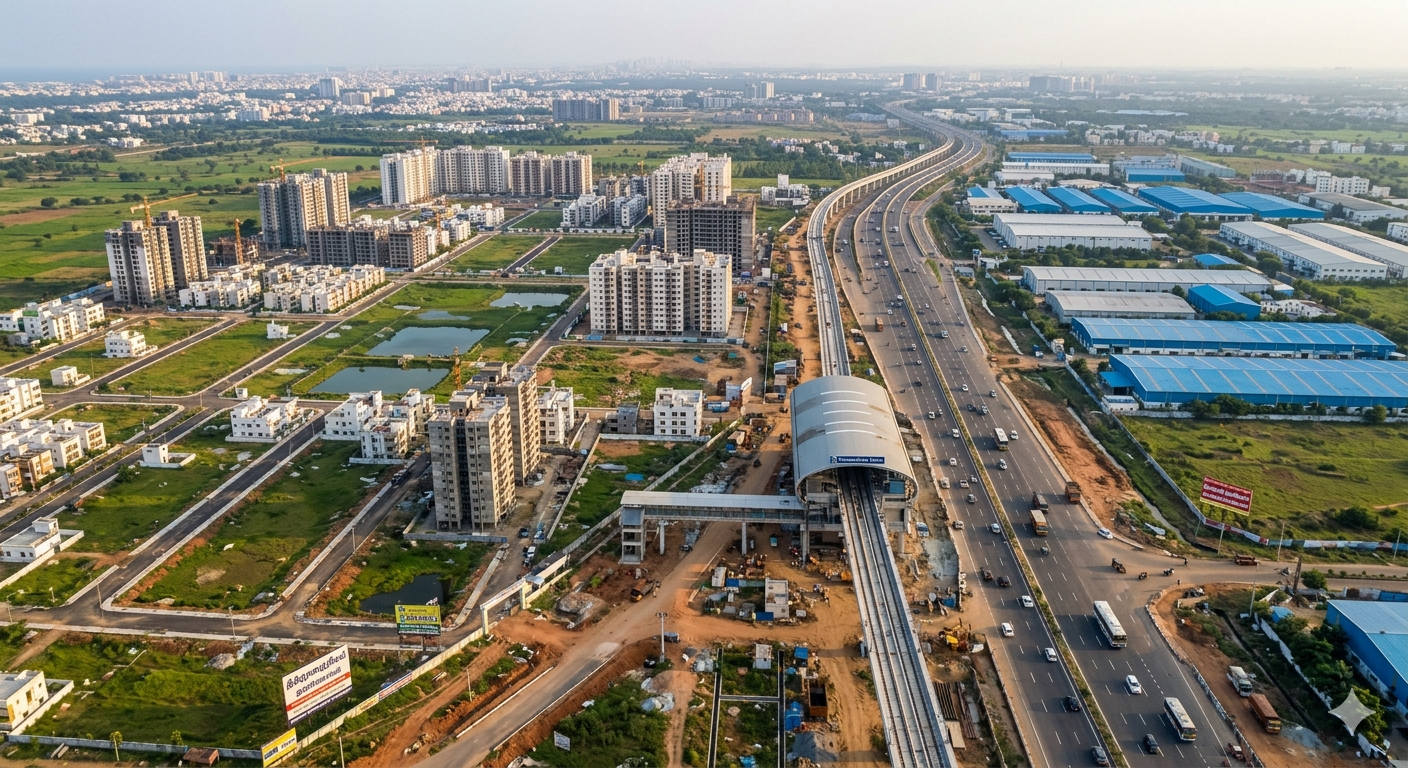

While Mumbai is often defined by its sky-high luxury apartments and compact living, a silent high-stakes market for independent bungalows has recently taken center stage. According to property registration data from April 2026, four independent home transactions in prime coastal pockets have collectively exceeded ₹864 crore.
These deals underscore a significant shift: ultra-high-net-worth individuals (UHNIs) are increasingly moving away from vertical luxury in favor of rare, land-rich "trophy assets" that offer privacy and heritage value.
The ₹864 Crore Club: A Breakdown of the Major Deals
The recent surge is headlined by four specific properties located in the city’s most elite micro-markets: Juhu, Nepean Sea Road, and Santacruz.
1. Leela Bungalow (Juhu)
The sale of Leela Bungalow on Juhu Tara Road in April 2026 for ₹221 crore marks one of the most high-profile heritage transactions in suburban Mumbai’s history. This nearly 70-year-old sea-facing structure is a classic example of Art Deco architecture, common in Mumbai's 1950s urban landscape. Spanning a plot of 1,355 square metres (approx. 14,585 sq. ft.), the ground-plus-one residence features six expansive bedrooms and sea-facing balconies.
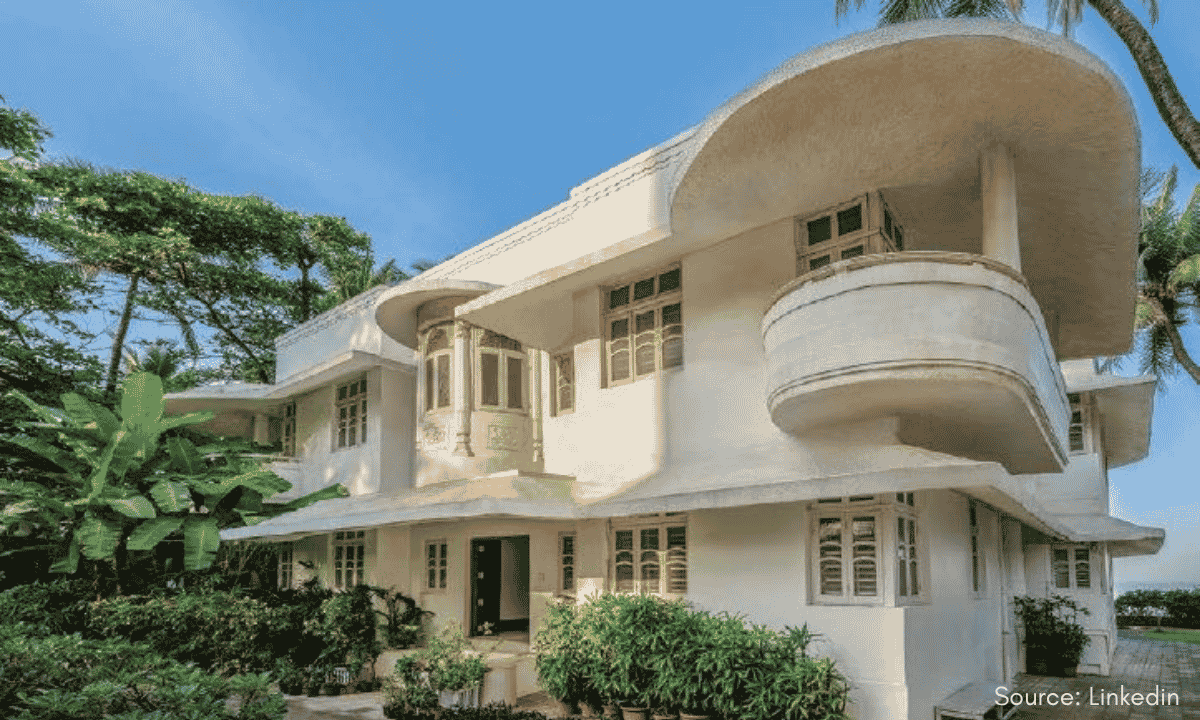
The home was originally built as a joint family residence for the Nanavati family. It was named after the daughter of Sir Manilal Balabhai Nanavati, a distinguished University of Pennsylvania graduate who served as the Nayab Diwan of Baroda and later as the first Deputy Governor of the Reserve Bank of India. The family eventually founded the renowned Nanavati Max Super Speciality Hospital.
Classified as a Grade IIB heritage structure, the bungalow is legally protected. While the new owners, Notandas Realty, can refurbish or extend the building, they are mandated to preserve its architectural character and ensure any new additions remain in harmony with the original 1950s design. The deal translates to roughly ₹2,60,592 per sq. ft. based on its built-up area of 8,480 sq. ft.
2. Laxmi Nivas (Nepean Sea Road)
Sold for ₹276 crore in early 2025, Laxmi Nivas is more than a residence; it is a monument to India’s struggle for independence. During the Quit India Movement (1942–1945), this bungalow served as a high-stakes safe house for underground political activists. It provided refuge to legendary leaders including Dr. Ram Manohar Lohia, Jaiprakash Narayan, and Aruna Asaf Ali. Most notably, Laxmi Nivas was a clandestine broadcasting hub for Netaji Subhash Chandra Bose’s Azad Hind Radio.
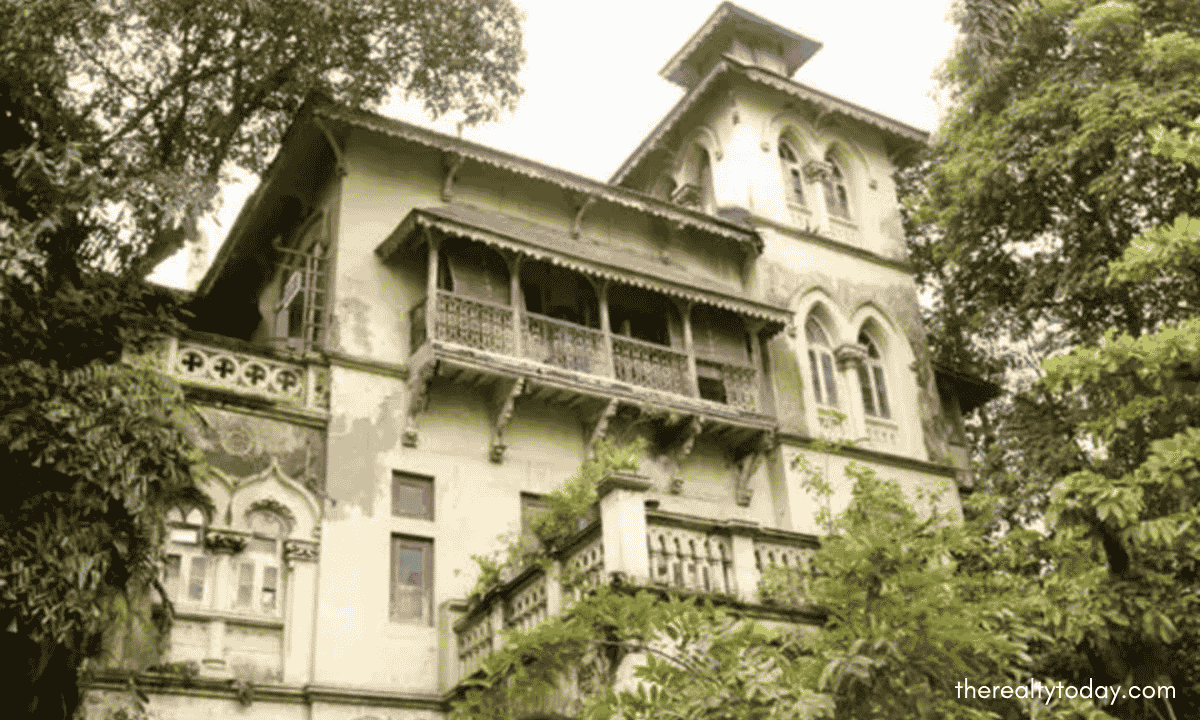
Built in 1904, the mansion covers a built-up area of nearly 19,892 sq. ft. on a plot of 2,221 square yards. It had been in the possession of the Kapadia family since 1917 before being sold to Vageshwari Properties, linked to the family of Reliance Industries' Nikhil Meswani.
3. Niladri Bungalow (Nepean Sea Road)
Acquired for ₹203 crore (including stamp duty) by Ajaykumar Vaghani (founder of Milton/Hamilton Housewares), Niladri is a name synonymous with Mumbai’s elite social circles. A massive sea-facing mansion spanning approximately 18,844 sq. ft., featuring private lawns, a swimming pool, and an expansive deck overlooking the Arabian Sea.
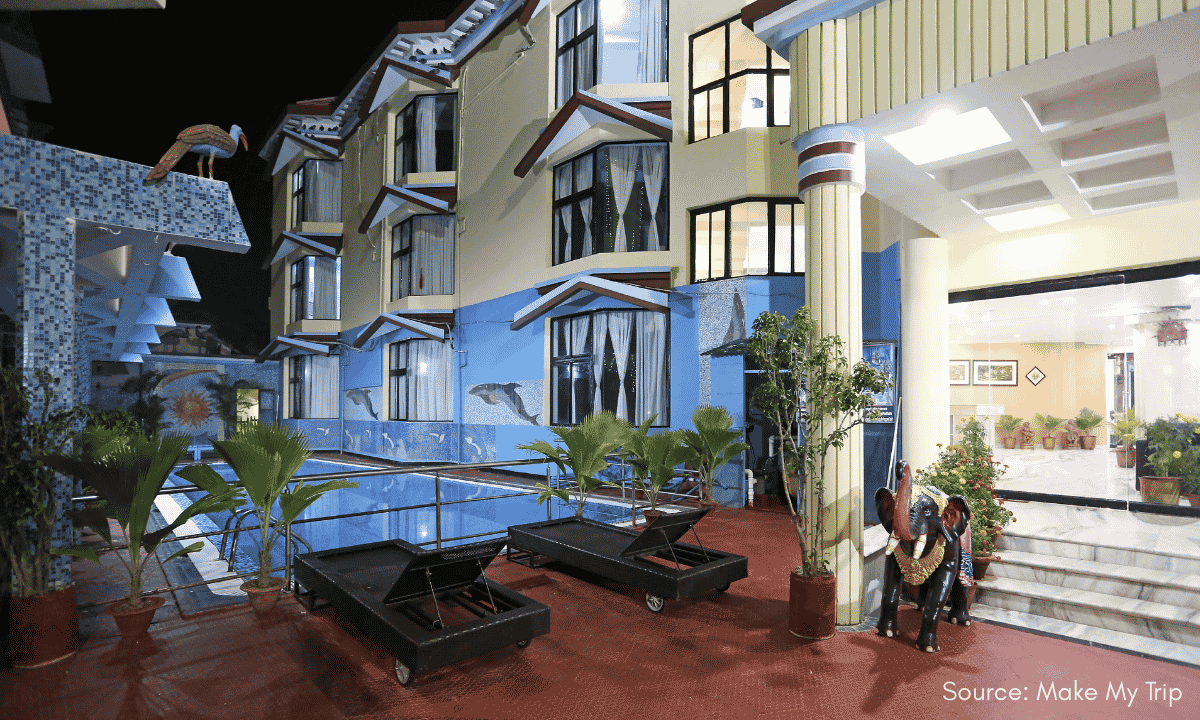
For years, Niladri was the Mumbai residence of tycoon Vijay Mallya. It famously hosted high-octane social events, most notably the annual launches of the Kingfisher Calendar. Following Mallya's exit from United Spirits (now owned by Diageo), the bungalow was sold as part of a non-core asset liquidation. The Vaghani family acquired the ground-plus-two structure, paying a significant stamp duty of ₹12.23 crore to formalize the transaction.
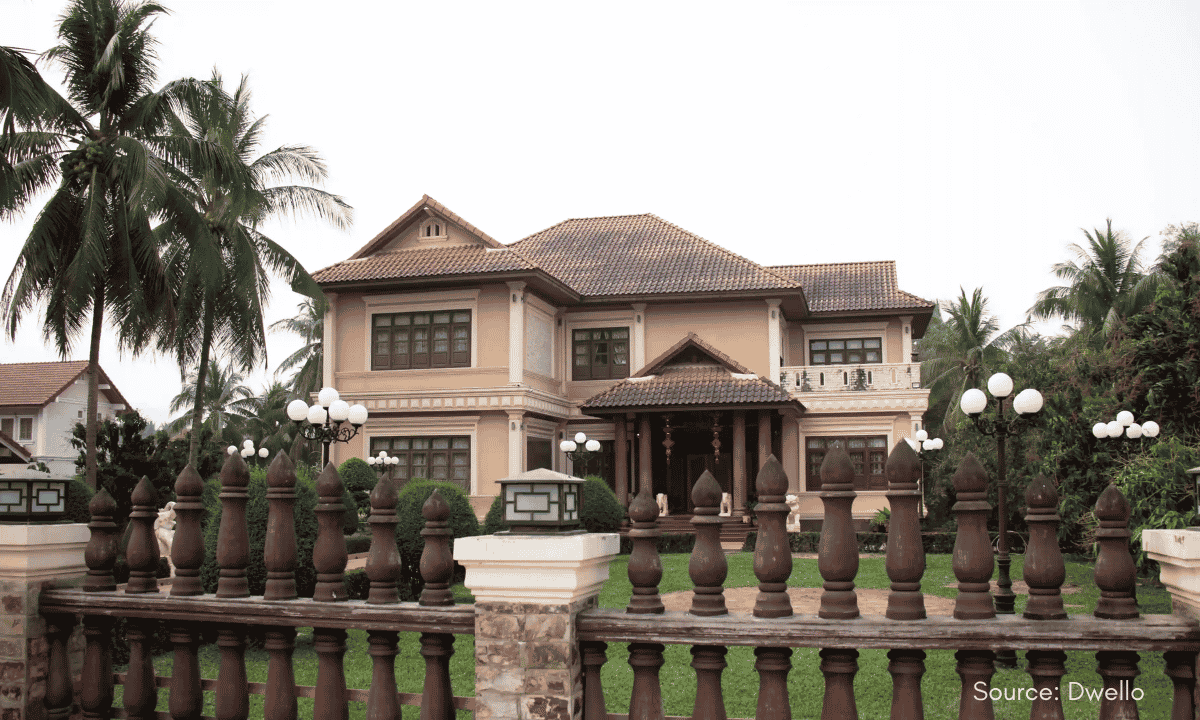
4. Dwarka Bungalow (Santacruz):
Why Is the Bungalow Market Exploding in 2026?
Industry analysts point to three major drivers behind this ₹864 crore splurge:
Extreme Land Scarcity: In a city where vertical density is the norm, owning a horizontal plot is the ultimate status symbol. These four properties represent some of the last remaining independent plots in coastal Mumbai.
Legacy and Heritage: Properties like Leela and Laxmi Nivas offer legacy value that cannot be replicated in a modern glass tower. UHNIs are buying these as capital preservation vehicles, assets that hold value regardless of market volatility.
Privacy Post-Pandemic: The ultra-wealthy are increasingly prioritizing exclusive footprint over exclusive floor. Independent bungalows offer private gardens, terraces, and separate entry/exit points that luxury penthouses cannot guarantee.
Conclusion
The ₹864 crore total is more than just a real estate statistic; it signals a renaissance for independent houses in Mumbai. While most of the city looks upward to the skyline, the most powerful capital is currently being deployed on the ground.