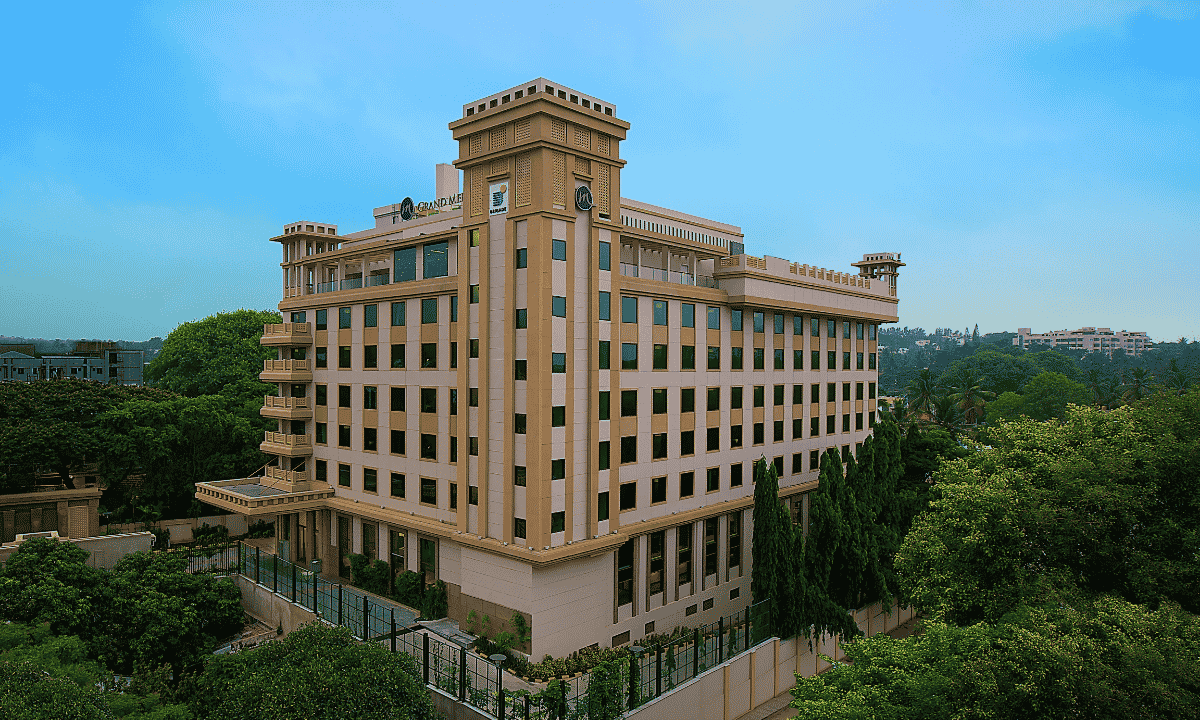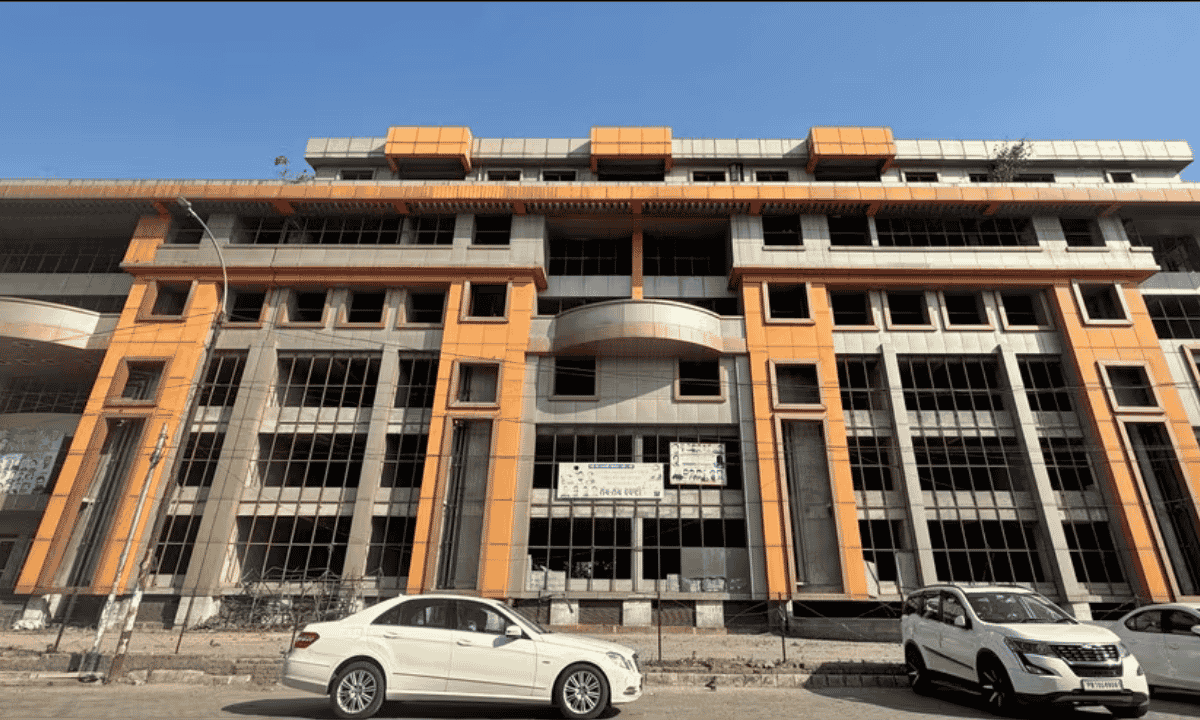

The real estate landscape of Gurugram has reached a historic fever pitch in early 2026. Defying global economic cooling and persistent local infrastructure challenges, the city has attracted a staggering 27,000 crore (approximately 3.2 billion dollars) in investments during the first four months of the year alone. Data released by the Real Estate Regulatory Authority (RERA) Gurugram on May 7, 2026, confirms that the city remains the primary magnet for institutional capital and private wealth in India.
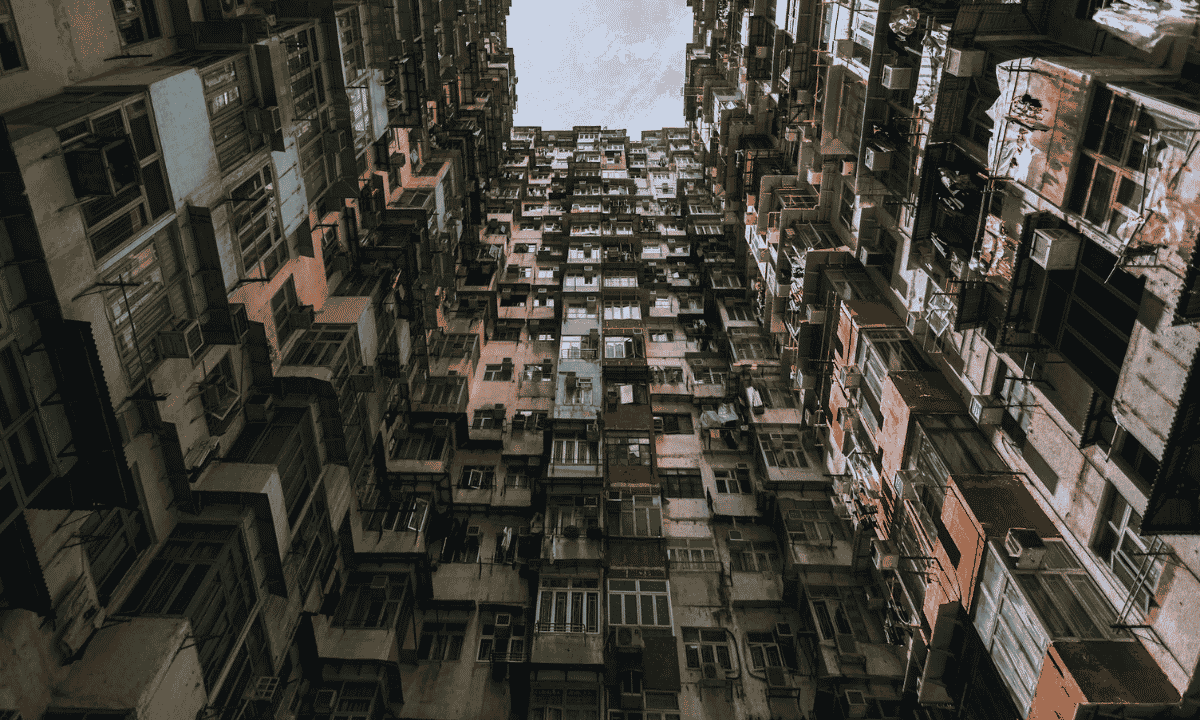
This surge is not merely a byproduct of rising property prices but a reflection of deep-seated developer confidence. Between January and April 2026, the authority approved 35 new projects, signaling a robust pipeline that aims to satisfy an insatiable demand for high-end residential and functional commercial spaces. Even as the city grapples with the pressures of rapid urbanization—ranging from seasonal drainage issues to traffic bottlenecks—the allure of its economic potential continues to outweigh its growing pains.
Market Dynamics: The Residential Powerhouse
The current investment wave is heavily skewed toward the residential segment. Out of the 11,513 total units approved in the first quarter, over 92 percent are dedicated to housing. This suggests that the hybrid work model has evolved into a permanent requirement for the city's affluent professional class and NRI investors to live in luxury environments.
Project Approval Analysis (Jan–April 2026)
Source: RERA Gurugram Official Data Release, May 2026
The cumulative landscape further emphasizes this residential tilt. According to the latest Ministry of Housing and Urban Affairs (MoHUA) tracker, Gurugram now hosts a total of 1,057 RERA-registered projects, with 825 belonging to the residential sector. This represents a mature market that is successfully transitioning from speculative land deals to end-user-focused apartment complexes.
Institutional Reforms: Building Investor Trust
The boom wave of 2026 is being anchored by rigorous institutional reforms. The sheer volume of capital entering the market is a direct result of increased transparency. HRERA Gurugram has implemented a series of vetting processes that have effectively cleaned up the sector's image.
Mandatory Site Scrutiny: Every project seeking registration now undergoes a mandatory physical site inspection by domain experts. This ensures that the developer has the requisite infrastructure ready before a single unit is sold.
Zero Legacy Backlog: In a move that has set a national benchmark, Gurugram RERA has successfully cleared all pending complaints filed up to 2024. By wiping out its legacy backlog, the authority has restored the faith of homebuyers who were previously wary of long-drawn legal battles.
Public Consultation: For the first time, project registrations require a public notice period. This allows potential buyers and neighbors to raise concerns before a project is finalized, minimizing future litigation.
Investment Hotspots and Price Appreciation
The investment is largely concentrated in three high-growth corridors. While the average city-wide property prices have appreciated between 8 percent and 15 percent over the last year, specific micro-markets are seeing even higher returns.
Property Price Index by Micro-Market (2026 Estimates)
Source: Composite Industry Reports and HRERA Public Records
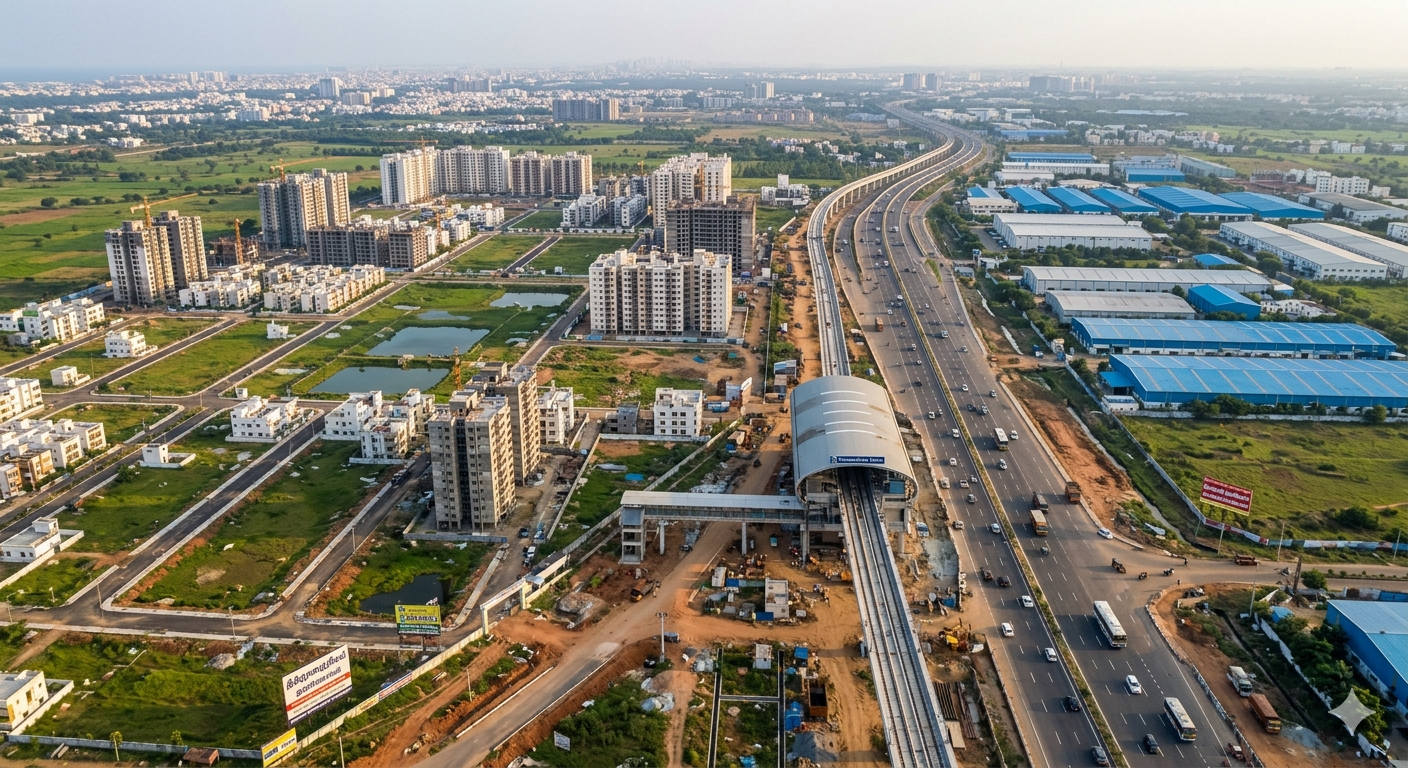
Dwarka Expressway has emerged as the clear winner in terms of capital gains. With the corridor now fully operational, travel time to the Indira Gandhi International Airport has been slashed to under 15 minutes for most sectors. This Airport Proximity Premium is driving prices in sectors 102 through 115 toward the levels once reserved for the Golf Course Road.
The Luxury Surge: Branded and Ultra-Premium Living
A significant portion of the 27,000 crore investment is flowing into branded residences. Developers are increasingly collaborating with luxury hospitality and automotive brands to create lifestyle products. Major players have noted that today's buyer is looking for more than just a home—they are looking for managed services, high-end security, and social prestige.
In the Golf Course Extension Road area, builder floor prices have risen by 9.7 percent in the last year alone, while luxury apartments have seen a staggering 42.4 percent rise over three years. This indicates a supply-crunch in the ready-to-move-in luxury category, forcing investors to park their capital in under-construction RERA-approved premium projects.
The Economic Impact and Employment
This real estate surge is not an isolated event; it is the engine of Gurugram's broader economy. The 27,000 crore capital infusion is expected to generate:
Direct Employment: Over 1.5 lakh jobs in construction and site management.
Allied Growth: A massive boost for the cement, steel, and interior design industries within the NCR.
Rental Market Stability: With 10,630 new units entering the pipeline, the city’s rental market is expected to find a healthier equilibrium by late 2027.
Conclusion: A Resilient Growth Story
Gurugram’s real estate performance in 2026 is a testament to the city's resilience. While the headlines often focus on the crises of urban living, the ledger shows a different story: one of massive capital inflow, record-breaking project approvals, and a regulatory body that has finally found its rhythm. For investors and homebuyers alike, the allure of Gurugram’s economic potential, fueled by Global Capability Centres and world-class infrastructure projects like the Dwarka Expressway, far outweighs the temporary growing pains of a rapidly expanding metropolis.