

The Indian real estate sector, particularly in the National Capital Region (NCR), has faced another major tremor. The Enforcement Directorate (ED) recently conducted extensive raids on the premises of Raheja Developers, one of the most prominent names in North India's property market. This action stems from serious allegations of money laundering and the diversion of funds collected from thousands of hopeful home buyers.
To understand how a real estate giant ended up under the scanner of India’s premier financial investigation agency, we need to look at the timeline of events—from the early promises of luxury living to the current legal crackdown.
Key Highlights of the Case
Primary Allegation: Diversion of home buyer funds and money laundering.
Agency Involved: Enforcement Directorate (ED).
The Catalyst: Multiple FIRs filed by the Gurugram Police and the Delhi Police Economic Offences Wing (EOW).
Scale of Raids: Multiple locations across Delhi and Gurugram, including corporate offices and residential premises of promoters.
Total Affected Projects: Several high-profile projects in Gurugram, including Raheja Revanta and others.
Investor Impact: Thousands of buyers awaiting possession for over a decade.
How It Started: The Promise of Luxury
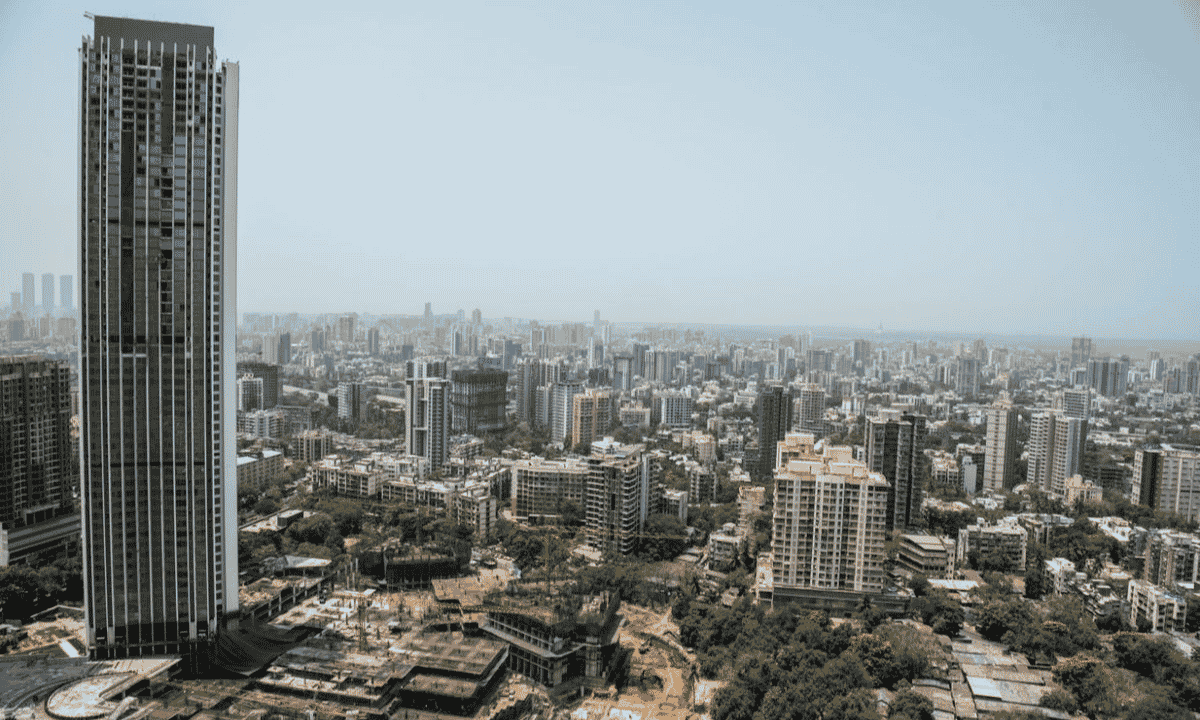
The story begins in the late 2000s and early 2010s, a period when the Gurugram real estate market was booming. Raheja Developers, led by Navin Raheja, launched several ambitious projects. They promised world-class amenities, sky-high towers, and timely possession.
The Turning Point: Delays and Disillusionment
As the years passed, the construction at various sites slowed to a crawl. For example, in the Raheja Revanta project in Sector 78, Gurugram, buyers who booked flats as early as 2011-2012 found themselves still waiting for their keys in 2024 and 2025.
As construction slowed down, buyers began to wonder why their money wasn't being used to finish the buildings. In India, real estate rules require developers to put 70% of buyer money into a special escrow account meant only for construction.
The trouble started when hundreds of homebuyers approached the police. Investigations by the Gurugram Police Economic Offences Wing (EOW) revealed that while the developer had collected nearly ₹2,500 crore from buyers, the projects remained incomplete. This led to the registration of multiple FIRs (First Information Reports) for cheating and criminal conspiracy.
Why the ED Stepped In: The Siphoning Theory
The legal trouble for Raheja Developers didn’t happen overnight. It started with local police complaints. When the Gurugram Police and Delhi EOW investigated, they found evidence that suggested the money collected for Project A was being moved to Project B, or worse, moved into shell companies owned by the promoters.
In India, the Real Estate Regulatory Authority (RERA) rules state that 70% of buyer funds must be kept in a separate escrow account used only for that specific project's construction. The ED alleges that Raheja Developers bypassed these rules.
Raheja Developers has denied any fraud. They claim that they have actually invested more money into the projects than they collected from customers. According to the company, the delays are not because of missing money, but because the government failed to provide essential infrastructure like roads and water lines (EDC/IDC) despite the company paying the required fees. Official statements from the company, documented in ED Official Briefings via The Telegraph India, mention that a forensic audit supervised by RERA previously found no diversion of funds.
Where the Case Stands Now: The Raids and Legal Action
In the latest development reported by ET Realty and other financial news outlets, the ED conducted coordinated searches at the developer’s headquarters and the residences of its directors.
What the ED is looking for:
Financial Ledgers: To see where the ₹500+ crore collected from buyers actually went.
Digital Evidence: Emails and server data that might show instructions to move funds to offshore accounts or shell companies.
Property Documents: To identify assets that can be "attached" (seized) to eventually pay back the buyers.
The company has faced multiple insolvency petitions in the National Company Law Tribunal (NCLT). While the promoters have tried to settle some cases out of court, the sheer volume of complaints, exceeding hundreds of FIRs, has made a quiet exit impossible.
Data and Sources: The Numbers Behind the Crisis
The scale of the alleged fraud is massive. Based on court filings and regulatory data:
Total Debt: The company reportedly owes hundreds of crores to financial institutions and thousands of crores in terms of value to home buyers.
Project Delays: Some projects are over 10 years past their original delivery date.
Police Records: Over 50 FIRs have been registered in Gurugram alone against the company directors for cheating, fraud, and criminal conspiracy.
Court Rulings: The Supreme Court and the Delhi High Court have previously pulled up the developer for failing to meet its pro-buyer obligations.
What This Means for Beginners and Home Buyers
If you are a beginner looking to understand this case, think of it as a Trust Deficit story. Real estate depends on the trust that your money will build your home. When a developer breaks that trust by using your money for their own growth or other debts, it becomes a criminal offense.
For the existing buyers of Raheja projects, the ED raids are a double-edged sword. While it brings the hope of justice and the possibility of recovering funds through the seizure of the promoter's assets, it also further complicates the completion of the buildings. With the promoters under investigation, the day-to-day management of construction often comes to a halt.
Conclusion
The Raheja Developers case is a stark reminder of the dark side of the Indian real estate boom. It highlights the importance of regulatory bodies like RERA and the intervention of agencies like the ED in protecting the common citizen. As the investigation continues, the focus will remain on one single question: Where is the money? Until that money is tracked and brought back into the construction accounts, the thousands of families who invested in a "Raheja Home" will continue to wait, not just for their keys, but for justice.



.png)