

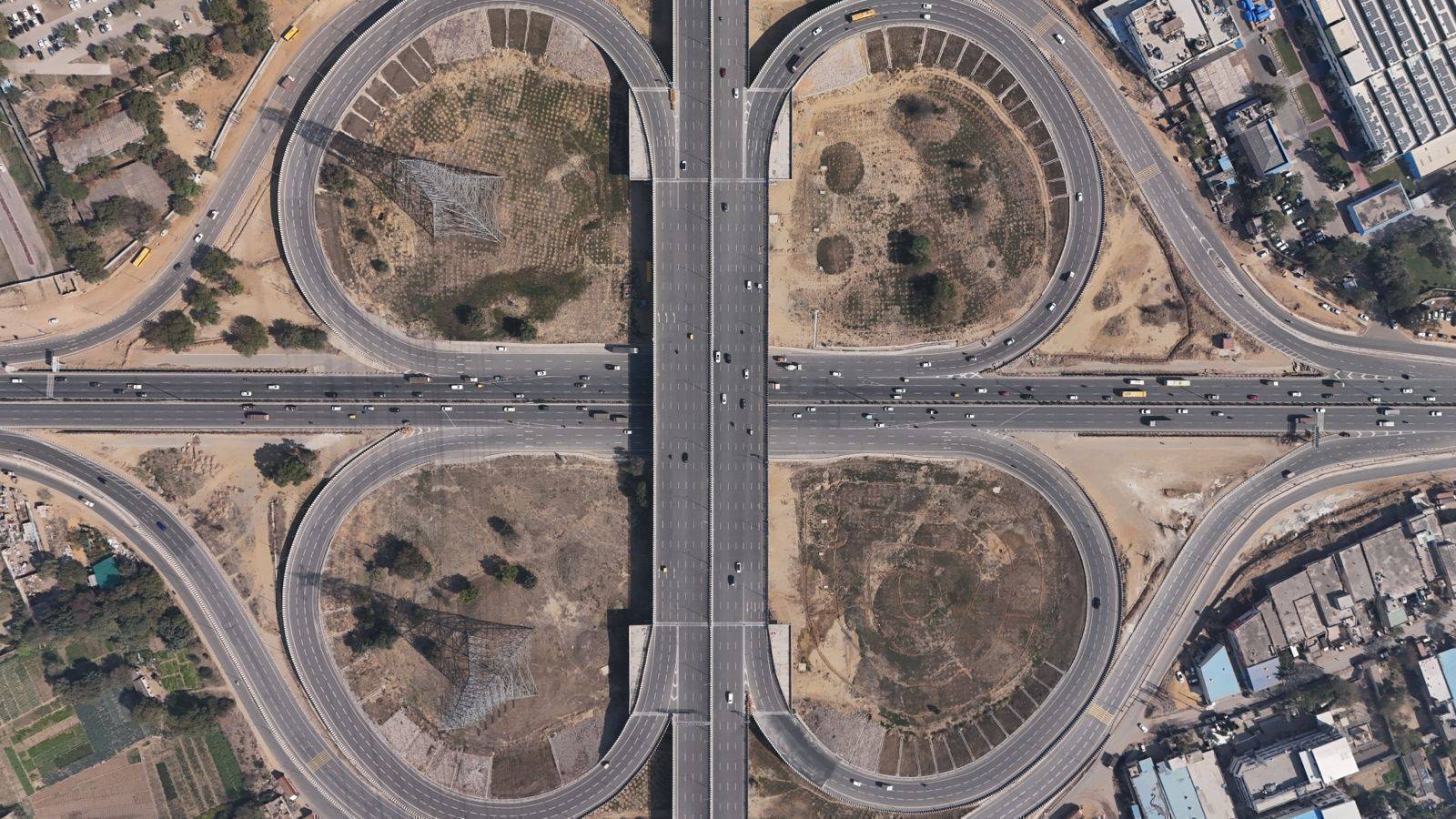
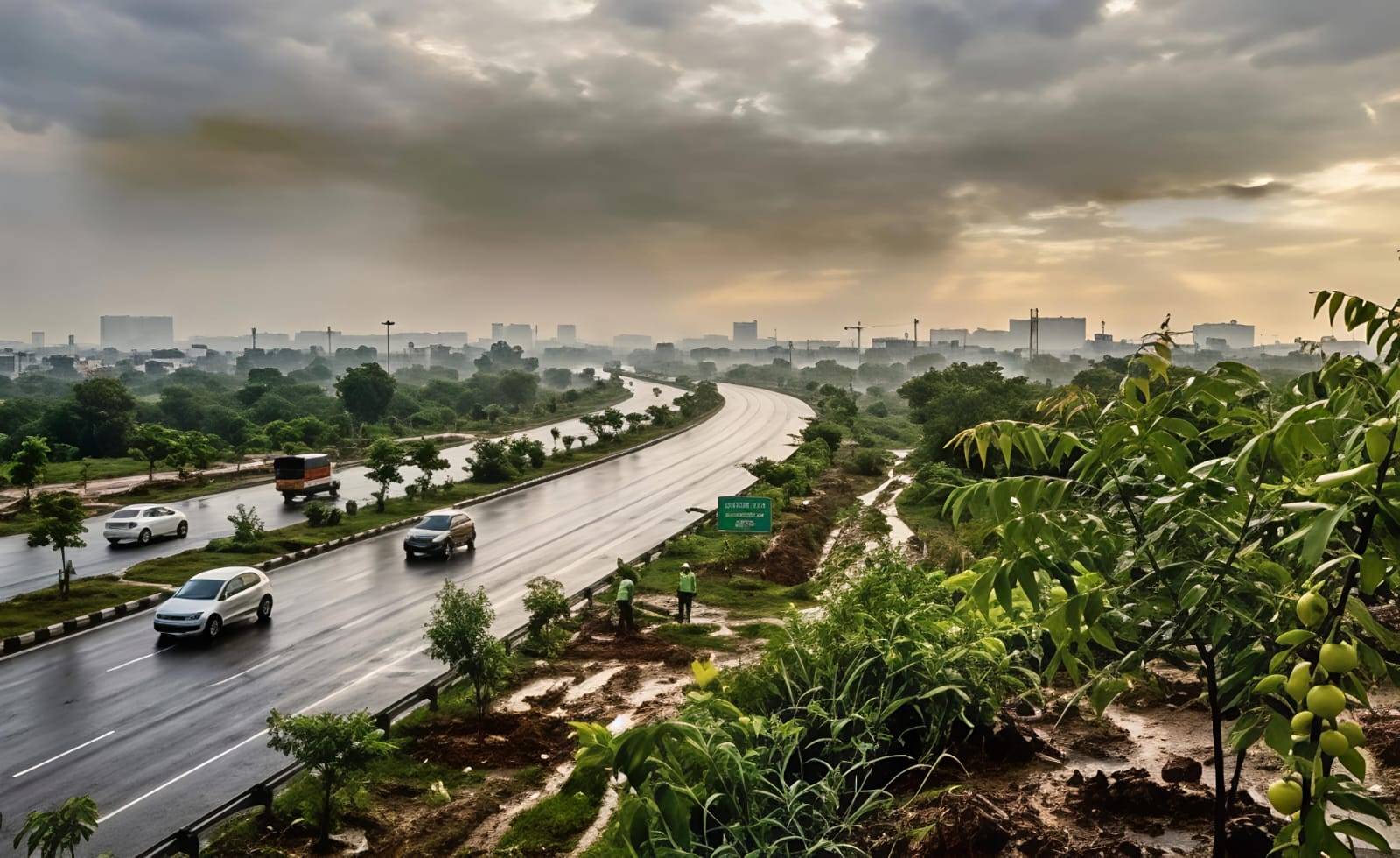
The inauguration of the Delhi–Dehradun Expressway marks a significant milestone in India’s infrastructure development, with far-reaching implications for the real estate sector across North India. Spanning over 213 kilometres and connecting Delhi, Uttar Pradesh, and Uttarakhand, the access-controlled corridor is expected to dramatically reduce travel time between Delhi and Dehradun from over six hours to approximately 2.5 hours.
Beyond improved connectivity, the expressway is poised to unlock new real estate opportunities, particularly in land, plotted developments, logistics, and second-home markets along its influence zone.
Emerging Real Estate Hotspots Along the Corridor
Real estate experts indicate that the impact of the expressway will extend well beyond the two end points, creating a chain of emerging micro-markets across its route.
Key locations expected to benefit include Muzaffarnagar, Saharanpur, and the outskirts of Dehradun, along with several smaller towns situated near interchanges and bypasses.
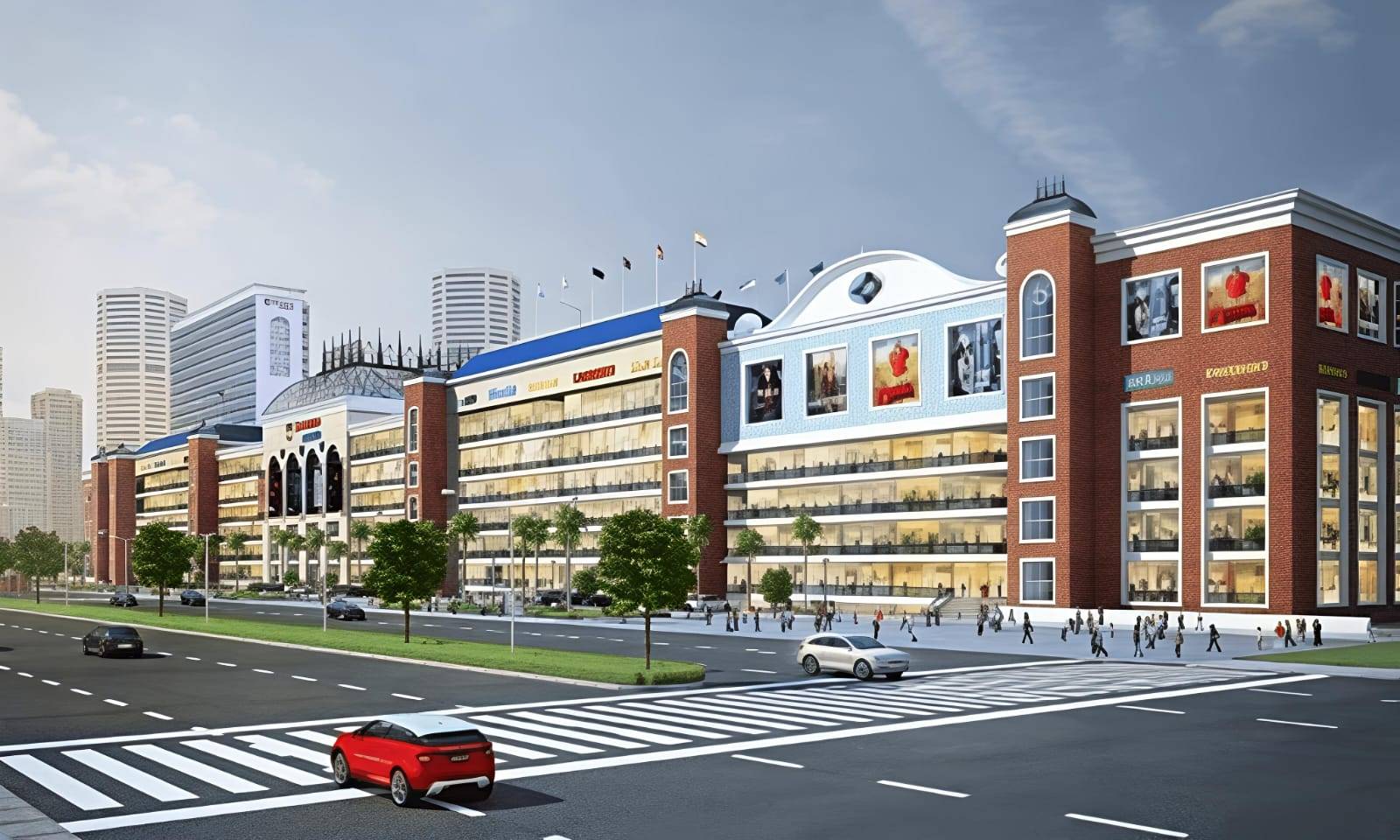
These regions, which previously remained under the radar for most investors, are now witnessing early signs of land acquisition and increased interest in plotted developments. Improved accessibility is expected to transform them into viable residential and commercial destinations over the next few years.
Additionally, on the Delhi-NCR side, peripheral areas such as Loni, Narela, Bawana, and parts of East Delhi and Ghaziabad are likely to see heightened activity due to enhanced connectivity and reduced commute times.
Boost for Plotted Developments, Logistics and Warehousing
One of the most immediate impacts of the expressway is expected in the plotted development and land investment segment. As connectivity improves, buyers are increasingly willing to invest in peripheral locations that offer larger land parcels at relatively affordable prices.
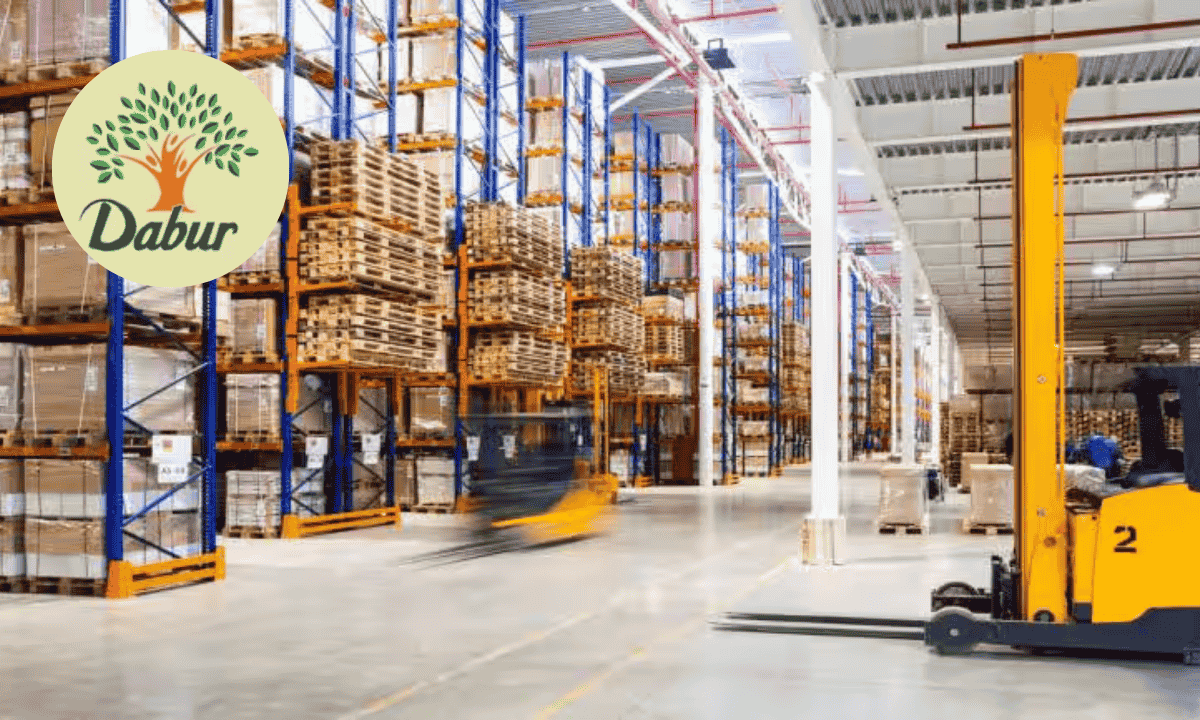
At the same time, the corridor is set to strengthen logistics and warehousing demand. With smoother connectivity between industrial hubs in NCR and emerging markets in western Uttar Pradesh and Uttarakhand, the region is likely to witness the development of logistics parks, industrial clusters, and warehousing hubs.
This infrastructure push is expected to generate employment, which in turn will drive residential demand in nearby areas, creating a self-sustaining growth cycle.
Rise of Second Homes and Lifestyle Investments
Dehradun and its surrounding regions are expected to emerge as key beneficiaries in the second-home and holiday home segment. Improved accessibility is making it easier for buyers from Delhi-NCR to consider weekend homes and lifestyle investments in scenic locations.
Demand for luxury villas, farmhouses, and plotted developments in areas such as Rishikesh, Rajpur Road, and the Mussoorie foothills is expected to rise significantly, driven by a growing preference for nature-led living and wellness-oriented lifestyles.
This trend aligns with the broader shift in buyer behaviour, where homebuyers are increasingly prioritising space, environment, and quality of life over proximity to city centres.
Property Prices Set for Appreciation
The expressway is also expected to have a direct impact on property values along its corridor. Industry experts estimate that property prices could rise by 15% to 25% in key locations over the next 18 to 24 months.
This anticipated appreciation is driven by a combination of improved connectivity, infrastructure-led development, and increasing investor interest in emerging markets.
Early-stage investors, particularly those entering plotted developments or land parcels in developing regions, are likely to benefit the most from this growth cycle.
A Structural Shift in Regional Development
Infrastructure projects of this scale often act as catalysts for long-term regional transformation. The Delhi–Dehradun Expressway is expected to not only improve mobility but also redefine the real estate geography of North India.
Experts believe that the corridor will integrate multiple growth centres, enabling people to live farther from congested urban cores while remaining well-connected. This could lead to decentralisation of real estate demand and the rise of new residential and commercial hubs across the corridor.
What Buyers Should Keep in Mind
While the expressway presents significant investment opportunities, experts advise caution and due diligence:
Evaluate location carefully: Focus on proximity to key exits, interchanges, and planned infrastructure
Check legal clearances: Especially for land and plotted developments
Assess developer credibility: Choose established or reliable developers
Avoid speculative investments: Not all areas will see uniform growth
Consider long-term potential: Returns may take time to materialise
Additionally, buyers interested in second homes should factor in maintenance costs, rental potential, and long-term usability.
Conclusion
The Delhi–Dehradun Expressway is more than just a connectivity upgrade—it is a transformative infrastructure project that is set to reshape real estate dynamics across NCR, western Uttar Pradesh, and Uttarakhand.
From plotted developments and logistics hubs to second homes and emerging residential markets, the corridor is opening up a wide spectrum of opportunities for both developers and investors. However, as with any infrastructure-led growth story, informed decision-making and strategic timing will be key to maximising returns.



.png)