India’s commercial real estate market is entering a phase where demand is spreading across more than the traditional office centres. The first half of 2026 saw office absorption reach a record 45.5 million sq ft, the highest for any half-year, with 24.6 million sq ft taken up in the second quarter alone, according to CBRE. New supply also reached a record 32 million sq ft in H1, pointing to the scale at which developers and occupiers are now operating.
GCCs remain one of the strongest demand drivers. They accounted for 46% of Grade A office leasing in H1 2026, with 16.6 million sq ft leased, according to Colliers.

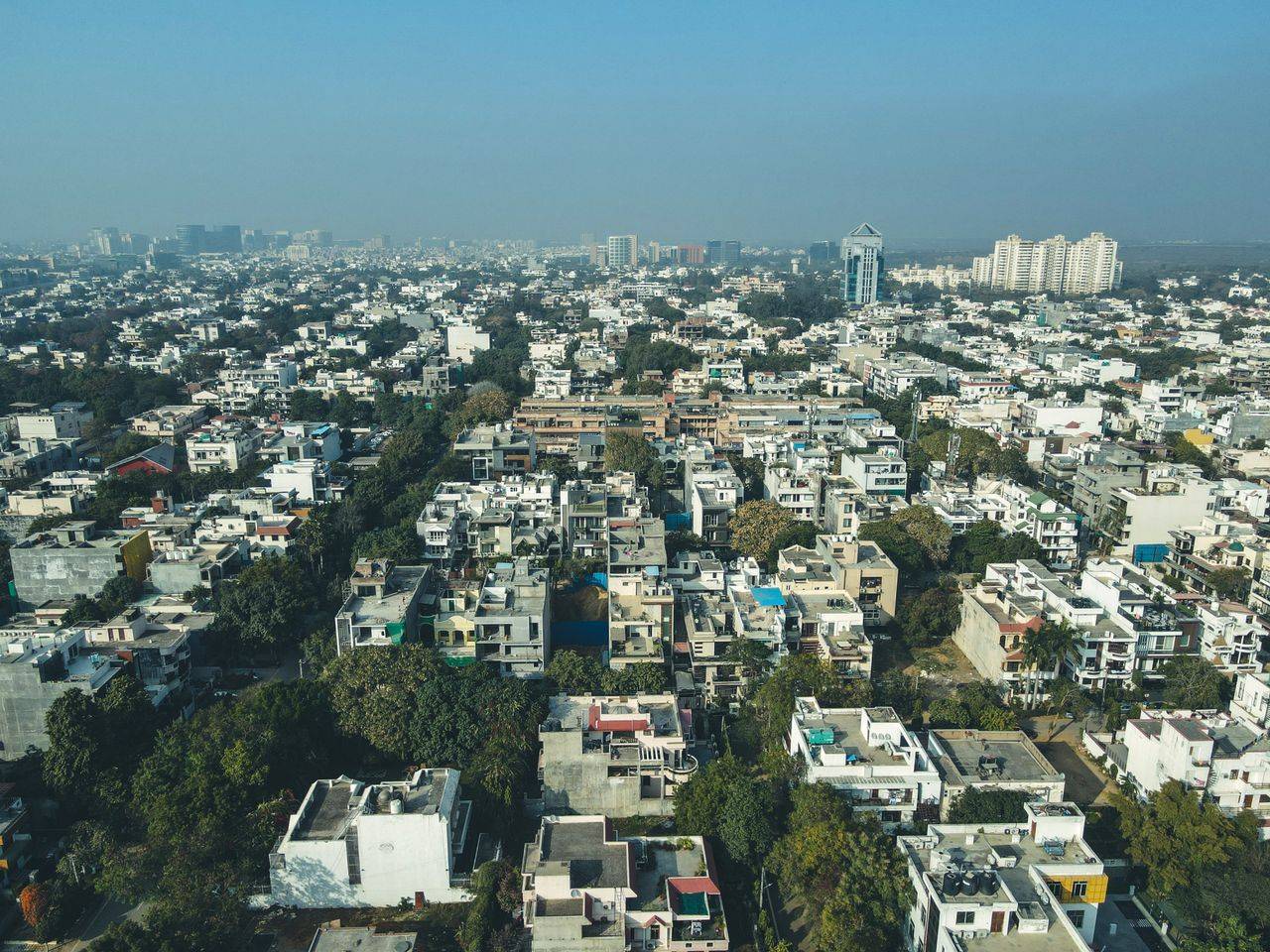
Harinder Singh Hora, Founder Chairman, Reach Group added, “With investments in road connectivity, metro expansion and regional infrastructure, the focus is increasingly on strengthening Gurgaon’s integration with Delhi and the wider NCR. At the same time, the presence and expansion of global MNCs, which have established offices and leased significant commercial spaces across the city, continue to reinforce its position as a preferred business destination. As newer corridors gain connectivity and infrastructure support, commercial growth is extending beyond traditional office districts, creating fresh catchments for businesses and developers. The opportunity today is not merely to develop standalone office buildings, but to create larger, better-planned business districts that can support the evolving needs of enterprises and the workforce.”
This expansion, however, is not limited to established business centres. Emerging corridors across Noida, Greater Noida and the Yamuna Expressway are also gaining momentum as technology infrastructure and new investments reshape the region's commercial landscape.

Abhishek Trehan, Executive Director, Trehan IRIS, said, “The expansion of data centres is adding another layer to the transformation of Noida, Greater Noida and the Yamuna Expressway region. Companies such as Microsoft, HCL and Tech Mahindra have already strengthened the region’s technology and corporate profile, while investments by leading data-centre players are adding a new dimension to its digital infrastructure. This is supporting the emergence of integrated business districts and providing a significant fillip to commercial, retail and luxury residential development by established developers across the region.”
The NCR numbers show how this landscape is changing. Delhi-NCR recorded 2.8 million sq ft of gross leasing in Q1 2026, with Gurugram accounting for 60% and Noida 37%. Noida Expressway was the largest micro-market, while Udyog Vihar and NH-8 Prime also recorded significant activity. GCC leasing in NCR stood at 0.9 million sq ft during the quarter.
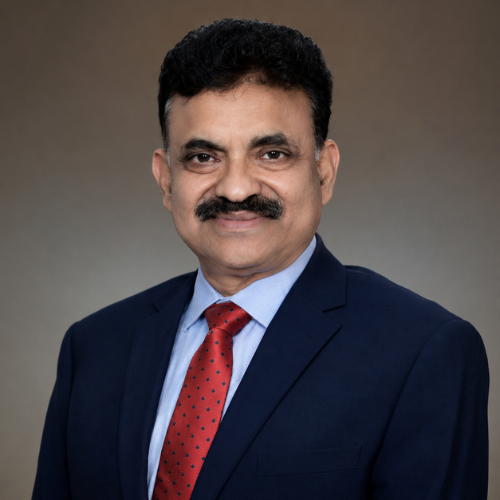
Salil Kumar, Director- Marketing and Business Management, CRC Group said, “Retail is increasingly following where people work, live and spend time, which is why high streets and mixed-use locations are becoming important alongside established malls. In H1 2026, Delhi-NCR was among the leading retail markets, while domestic brands accounted for more than 70% of leasing nationally. The rise of D2C brands is also interesting because many of them are now using physical stores as part of their expansion strategy rather than treating them as a separate channel.”
Retail leasing reached 3.9 million sq ft in H1 2026, up 20% year-on-year, according to CBRE. Delhi-NCR led the major markets, while fashion and apparel accounted for around 40% of leasing. D2C retailers accounted for about 28%, giving high streets and organised retail destinations another source of occupier demand.
Investor interest is providing another indication of the depth of the cycle. Institutional real estate investment reached USD 4.5 billion in H1 2026, up 50% year-on-year, with office assets accounting for more than 40% of the inflows, according to Colliers.
Commercial real estate demand is likely to become more distributed across established office hubs and emerging business corridors. GCC expansion, data-centre development, retail activity and infrastructure improvements are creating multiple sources of occupier demand. As connectivity improves across newer locations, developers and investors may increasingly focus on integrated commercial districts that combine offices, retail, services and supporting infrastructure.